
Have you ever wondered how spending time outdoors could change your child’s life? Camping is more than just a fun weekend activity—it offers powerful benefits that can boost your child’s growth and happiness.
From building confidence to sparking creativity, camping gives your child experiences that schools and screens simply can’t match. If you want to discover why camping might be one of the best gifts you can give your child, keep reading. You’ll learn how this simple adventure can help your child thrive in ways you might not expect.
Physical Health Benefits
Camping offers many physical health benefits for children. It helps their bodies grow strong and stay healthy. Outdoor activities encourage movement and fresh air. These naturally improve how children feel and function every day.
Spending time outside also changes daily habits in positive ways. Children get better sleep and stronger defenses against illnesses. Camping is a simple way to support a child’s physical well-being.
Increased Exercise And Activity
Camping gets children moving more than usual. Hiking, running, and playing outdoors increase their daily exercise. These activities build muscle and improve stamina. Physical activity also helps control weight and boosts heart health. Children enjoy being active while exploring nature’s playground.
Improved Sleep Patterns
Natural light and fresh air help children sleep better. Camping resets their body clocks to a natural rhythm. Less screen time and more physical tiredness lead to deeper sleep. Good sleep supports growth, focus, and mood. Children wake up feeling refreshed and ready to play.
Boosted Immune System
Outdoor exposure strengthens children’s immune systems. Fresh air and sunlight improve the body’s defenses. Nature also introduces beneficial microbes that boost immunity. Regular camping helps children fight off colds and infections more easily. A strong immune system means fewer sick days and more fun.
Mental And Emotional Growth
Camps offer children a unique chance for mental and emotional growth. Away from screens and daily routines, kids connect with nature and themselves. These moments help children feel calm, think clearly, and handle emotions better.
Spending time outdoors challenges the mind. It encourages new thoughts and feelings. Children learn how to manage stress, boost creativity, and build strength inside.
Stress Reduction
Nature helps children feel calm and less worried. Fresh air and green spaces lower stress hormones. Quiet surroundings give kids a break from noise and pressure. They return home feeling refreshed and peaceful.
Enhanced Creativity
Camping sparks children’s imagination. New sights, sounds, and textures inspire creative thinking. Kids invent games, explore ideas, and solve problems on their own. This free play builds creative skills that last a lifetime.
Building Resilience
Camping teaches children to face challenges. Setting up tents and cooking outdoors require effort and patience. Kids learn to keep trying even when things are hard. These experiences make them stronger and more confident.
Social Skills Development
Camping offers children a unique chance to grow socially. It takes them away from screens and classrooms. In the outdoors, kids meet new friends and work together. These moments help build strong social skills. They learn to share, listen, and support each other. Social skills are important for life. Camping makes learning them fun and natural.
Teamwork And Cooperation
Camping tasks need teamwork. Setting up tents and cooking meals require help. Children learn to cooperate and divide tasks. They see how working together solves problems faster. Teamwork builds trust and respect among kids. These skills help in school and later life.
Communication Skills
Talking clearly is key during camping. Kids explain ideas and ask for help. They practice listening carefully to friends. Sharing stories around the campfire improves speaking skills. This boosts confidence in conversations. Communication grows in a friendly, relaxed place.
Making New Friends
Camping brings children from different places together. They meet others who like nature and adventure. New friendships form through shared activities. Playing games and exploring create strong bonds. Kids learn to be open and kind. These friendships often last beyond the camp.

Credit: www.bgctx.org
Connection With Nature
Camping offers children a special chance to connect with nature. It helps them experience the outdoors directly. They can see plants, animals, and the sky up close. This connection builds respect and love for the environment. It also makes learning fun and real.
Appreciation For The Environment
Children learn to notice small details in nature. The sound of birds, the smell of pine trees, and the feel of fresh air. These experiences help them value the world around them. They begin to understand why nature is important. This appreciation encourages them to protect the environment.
Learning Outdoor Skills
Camping teaches practical skills like setting up a tent and starting a fire. Kids learn how to read maps and follow trails. These skills build confidence and independence. Spending time outdoors also improves problem-solving and teamwork. Children gain knowledge that lasts a lifetime.
Promoting Environmental Responsibility
Being in nature helps children see the impact of their actions. They learn to leave no trace and respect wildlife habitats. This awareness grows into a sense of responsibility. Kids start caring about recycling, saving water, and protecting plants. Camping inspires habits that help the Earth stay healthy.
Educational Advantages
Camping offers many educational benefits for children. It teaches them outside the classroom. Nature becomes their teacher. Children learn by seeing, touching, and exploring. This hands-on learning helps them understand better. The natural world sparks their interest in science, math, and history. They develop skills that books alone cannot teach.
Hands-on Learning Opportunities
Camping lets children learn through direct experience. They observe plants, animals, and weather changes. Collecting leaves or rocks teaches about biology and geology. Setting up a tent introduces basic engineering skills. Cooking outdoors shows measurements and following steps. These activities make learning active and fun. Children remember lessons longer this way.
Problem-solving Skills
Nature presents challenges children must solve. Finding the best spot for a tent requires thinking. Figuring out how to start a fire builds patience and focus. Navigating trails encourages map reading and decision-making. These tasks develop creativity and independence. Children learn to stay calm and find solutions.
Encouraging Curiosity
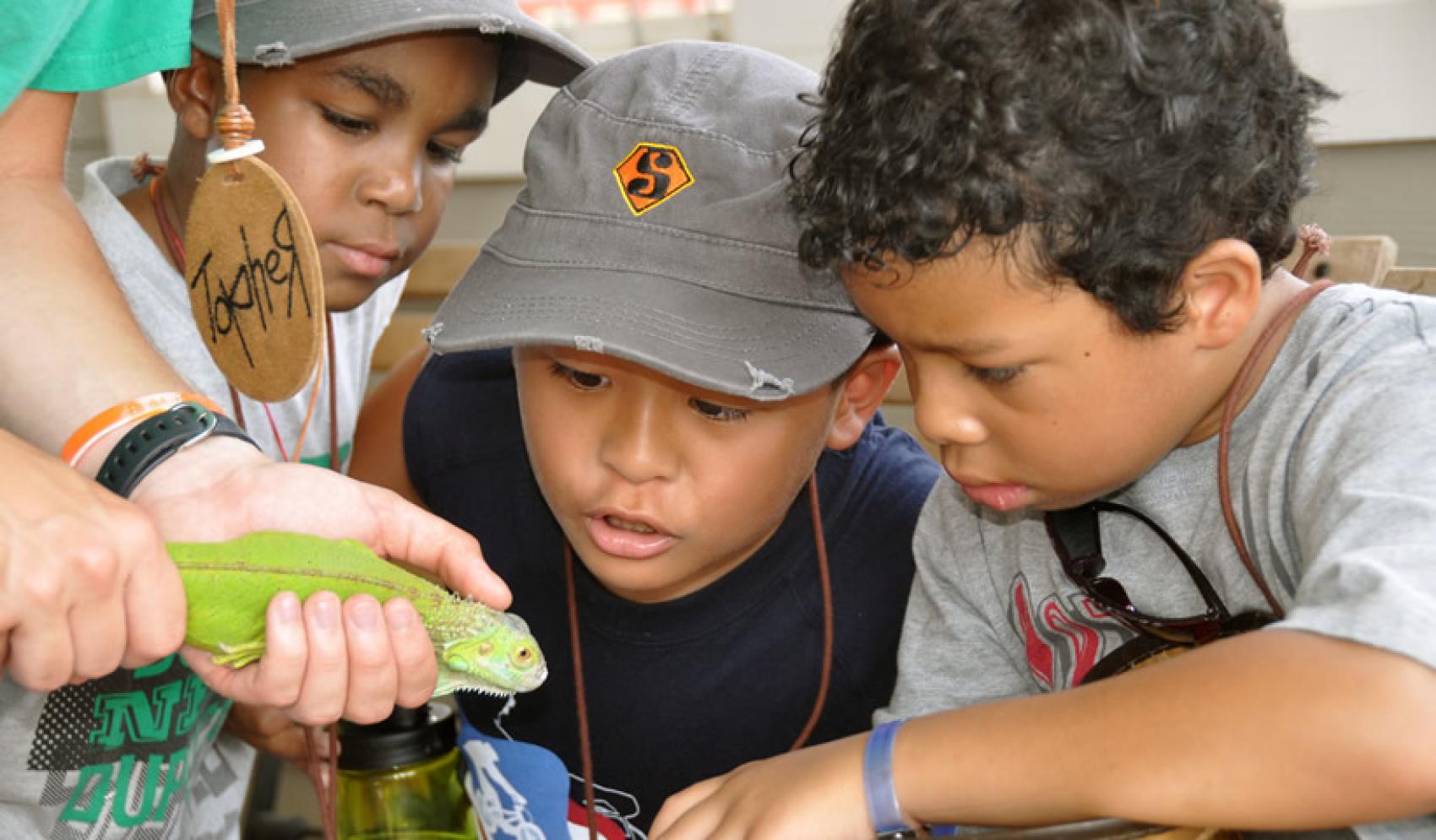
Camping awakens children’s natural curiosity. They ask questions about stars, animals, and plants. Exploring forests or lakes sparks wonder and discovery. Children want to learn more about the environment. This curiosity promotes a love for learning. It also helps them become lifelong explorers.
Credit: www.acacamps.org
Building Independence
Camping offers a special chance for children to grow more independent. Being outdoors, away from home comforts, helps kids learn to do things by themselves. It builds their ability to handle new situations without constant help. This independence is important for their growth and future challenges.
Self-reliance
Camping teaches children to rely on their own skills. They learn how to set up tents, cook simple meals, and keep themselves safe. These tasks show kids they can manage without adults every step of the way. Self-reliance grows with each small success during the trip.
Decision-making Skills
Children make many choices while camping. They decide what to pack, how to explore, and when to rest. These decisions help them think clearly and understand consequences. Camping gives a safe space to practice making good choices.
Confidence Boost
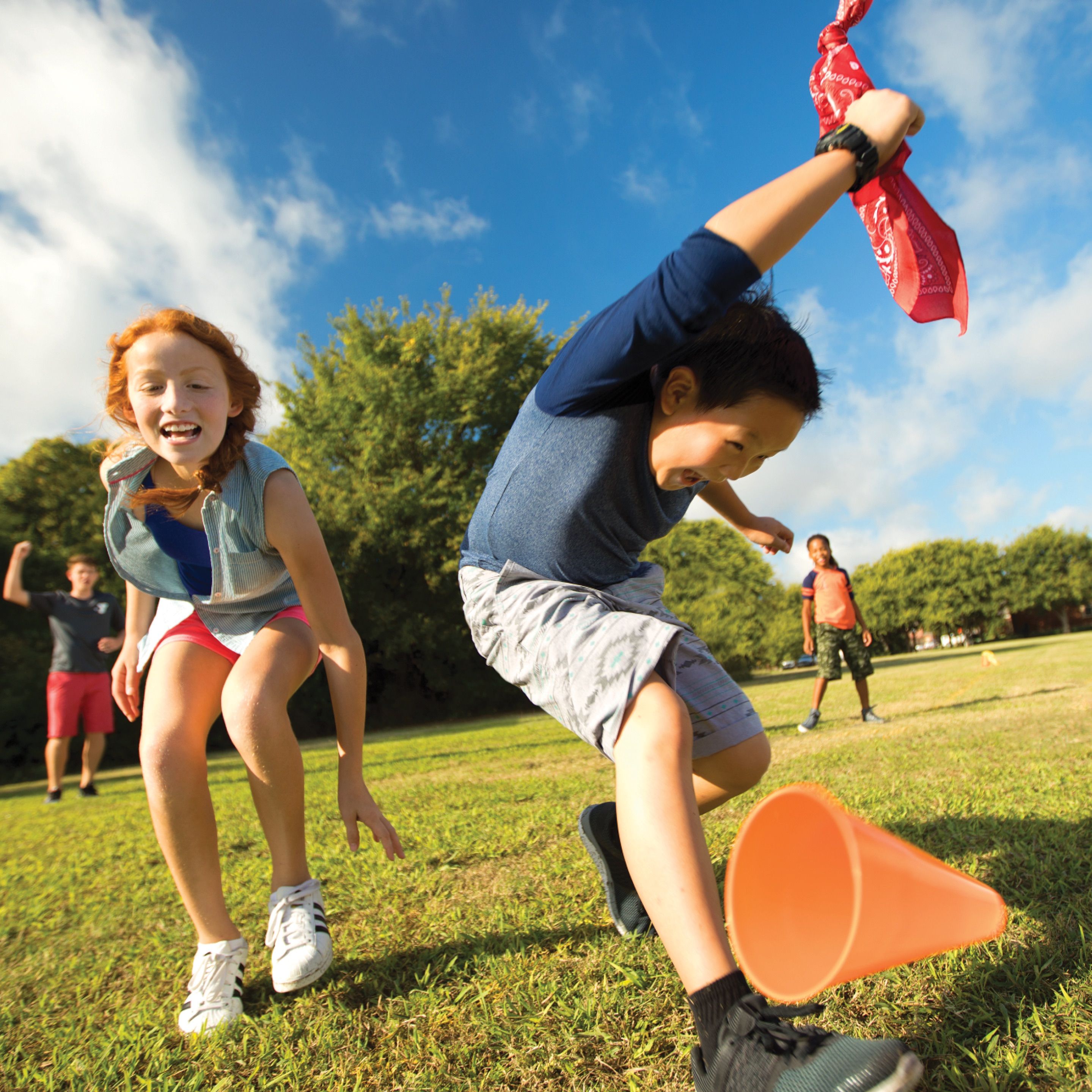
Completing camping tasks builds children’s confidence. They feel proud when they solve problems on their own. This confidence helps them try new things outside camping too. Feeling capable encourages a positive attitude toward challenges.
Credit: www.gwrymca.org
Frequently Asked Questions
What Are The Main Benefits Of Camping For Children?
Camping helps children develop independence, confidence, and social skills. It encourages physical activity and fosters a love for nature. Kids also learn problem-solving and teamwork while enjoying outdoor adventures, which supports their overall growth and well-being.
How Does Camping Improve Children’s Mental Health?
Camping reduces stress by promoting relaxation and mindfulness in nature. Exposure to fresh air and natural surroundings boosts mood and lowers anxiety. It also encourages unplugging from screens, which helps improve focus and emotional resilience in children.
Can Camping Enhance Children’s Physical Fitness?
Yes, camping involves activities like hiking, swimming, and setting up tents. These activities increase stamina, strength, and coordination. Regular outdoor play during camping promotes a healthy, active lifestyle and reduces sedentary behavior in children.
What Social Skills Do Children Gain From Camping?
Camping fosters teamwork, communication, and cooperation among children. Sharing tasks and solving challenges together build friendships and empathy. It teaches children to respect others and develop leadership skills in a natural setting.
Conclusion
Camping helps children grow in many important ways. It builds confidence and teaches new skills. Kids enjoy fresh air and nature’s beauty. They learn to work together and make friends. Time outdoors also improves their health and mood. Simple fun with family creates lasting memories.
Camping offers a break from screens and busy life. It’s a great way for children to explore and feel free. Encouraging kids to camp supports their happiness and growth. A small adventure can bring big benefits.
