
Are you looking for a way to boost your mood, improve your health, and feel more connected to nature? Hiking and trekking might be exactly what you need.
These outdoor activities do more than just get you moving—they can transform your mind and body in ways you might not expect. Whether you’re a beginner or someone who loves the outdoors, understanding the benefits of hiking and trekking can inspire you to step outside and explore.
Keep reading to discover how these adventures can change your life for the better.
Credit: bearfoottheory.com
Physical Health Benefits
Hiking and trekking offer many physical health benefits. These activities help your body stay strong and healthy. Walking on trails challenges different muscles and improves how your heart works. Spending time outdoors also supports overall fitness and well-being.
Cardiovascular Improvement
Hiking raises your heart rate, which strengthens the heart. A stronger heart pumps blood better throughout the body. This can lower the risk of heart disease and high blood pressure. Regular hiking improves lung capacity and boosts energy levels.
Muscle Strengthening
Walking on uneven paths uses many muscle groups. Your legs, hips, and core get a good workout. Climbing steep hills builds muscle power and endurance. This helps with daily movements and reduces injury risk.
Weight Management
Hiking burns calories, which helps control body weight. The longer and harder the hike, the more calories you use. This supports fat loss and builds lean muscle. Hiking is a fun way to stay active and fit.
Enhanced Balance And Coordination
Trail walking requires careful foot placement on rocks and roots. This improves balance and body control. Better coordination lowers the chance of falls. Hiking trains your mind and body to work together smoothly.
Mental Health Perks
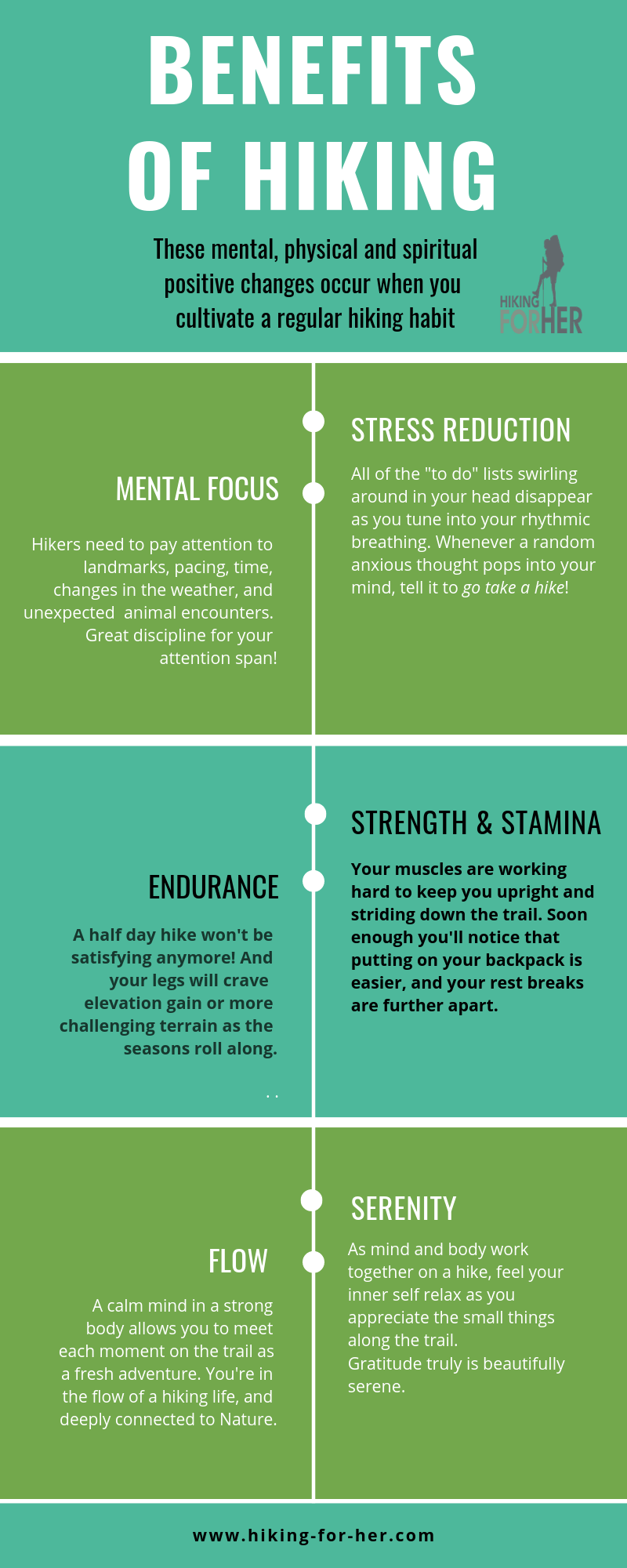
Hiking and trekking offer many mental health benefits. Spending time in nature helps your mind relax and heal. The fresh air, sounds, and sights can improve how you feel inside. Walking on trails gives you a break from daily worries. It lets your brain rest and recharge. These activities support mental well-being in simple, natural ways.
Stress Reduction
Hiking lowers stress by calming your body and mind. Being outdoors reduces tension and anxiety levels. Nature’s peacefulness slows your heart rate and breathing. Moving your body helps release stress-fighting hormones. Walking in green spaces provides a natural escape from stress. It clears your mind and soothes your nerves.
Boosted Mood And Happiness
Walking outside increases mood-boosting chemicals in the brain. Endorphins and serotonin rise during physical activity. Fresh air and sunlight help brighten your feelings. The beauty of nature brings joy and satisfaction. Spending time hiking lifts spirits and reduces sadness. Feeling happier supports overall mental health and energy.
Improved Cognitive Function
Hiking sharpens your focus and thinking skills. Physical exercise improves memory and learning ability. Nature stimulates the brain with new sights and sounds. Walking on trails encourages problem-solving and creativity. Regular outdoor activity supports brain health and alertness. It helps keep your mind active and strong.
Mindfulness And Mental Clarity
Hiking promotes mindfulness by focusing on the present moment. Paying attention to nature around you clears mental clutter. The steady rhythm of walking calms racing thoughts. This mindfulness improves concentration and emotional balance. Time in nature helps you feel more centered and clear. It brings peace and mental clarity to your day.
Adventure And Exploration
Hiking and trekking offer more than just exercise. They bring a sense of adventure and a chance to explore the unknown. Each trail leads to new experiences and surprises. These outdoor journeys connect you with nature in a deep, personal way.
Discovering New Landscapes
Walking through forests, mountains, and valleys shows you nature’s beauty. Every path offers unique views and scenes. You see rivers, cliffs, and fields that few people visit. This discovery makes hiking exciting and fresh each time.
Experiencing Wildlife
Trekking lets you meet animals in their home. Birds singing, deer crossing trails, and insects buzzing create a lively world. Watching wildlife teaches respect and care for the environment. These moments bring joy and wonder to your journey.
Building Survival Skills
Hiking improves your ability to handle outdoor challenges. You learn to read maps, use a compass, and find water. Packing the right gear becomes a skill. These lessons prepare you for any unexpected situation in nature.
Challenging Personal Limits
Each hike tests your strength and willpower. Climbing steep hills or walking long distances pushes your body. Overcoming fatigue and fear builds confidence. These challenges help you grow and feel proud of your achievements.
Social Connections
Hiking and trekking offer more than just exercise and fresh air. They help build strong social connections. Spending time outdoors with others creates memories and deepens relationships. These activities bring people closer in unique ways.
Bonding With Friends And Family
Hiking with friends or family helps create shared experiences. Walking together encourages talking and laughter. It is easier to connect away from daily distractions. These moments build trust and understanding. Families grow closer by enjoying nature side by side.
Joining Hiking Communities
Many people join local or online hiking groups. These communities provide support and advice. Meeting new people with similar interests feels good. Group hikes introduce you to new friends. The shared passion for hiking builds instant bonds.
Sharing Experiences
Telling stories about hikes brings people together. Sharing photos and tips makes conversations lively. People enjoy hearing about different trails and challenges. This exchange creates a sense of belonging. It motivates others to explore nature too.
Encouraging Teamwork
Hiking in groups teaches cooperation and teamwork. Helping each other over rough paths builds trust. Team members learn to communicate and support one another. Achieving goals together feels rewarding. These skills improve relationships beyond hiking trips.
Environmental Awareness
Hiking and trekking open eyes to the environment. They help people see how nature works and why it matters. Spending time outside makes the natural world feel real and important. This experience grows respect and care for the earth. Environmental awareness means understanding nature’s value and how to protect it.
Appreciating Nature’s Beauty
Walking through forests or mountains shows the earth’s true beauty. Watching birds, plants, and animals makes people feel calm and happy. This direct contact helps people enjoy and respect wildlife. Nature’s colors, sounds, and smells stay in memory. This appreciation encourages care for natural places.
Promoting Conservation Efforts
Hikers often share stories about the places they visit. These stories raise interest in saving wild areas. People join clean-up events or support parks after seeing nature’s value. Protecting trails and habitats becomes a shared goal. Hiking builds a community that cares for the environment.
Learning Sustainable Practices
Trekking teaches simple ways to protect nature. Staying on paths avoids hurting plants and animals. Carrying out all trash keeps trails clean. Using less plastic and water shows respect for resources. These habits help keep nature healthy for the future.
Credit: www.hiking-for-her.com
Gear And Preparation
Good gear and preparation make hiking and trekking more fun and safe. Proper equipment helps you face different weather and trail conditions. Planning ahead reduces risks and makes your trip smoother. Preparing your body and mind is also important for a great experience.
Essential Equipment
Start with sturdy hiking boots. They protect your feet and provide good grip. A comfortable backpack holds your supplies. Bring a map and compass for navigation. A first-aid kit helps with minor injuries. Dress in layers to adjust to temperature changes. Carry enough water and high-energy snacks.
Safety Tips
Tell someone your hiking plan. Check weather reports before you start. Stay on marked trails to avoid getting lost. Keep a whistle or signal device for emergencies. Know basic first aid. Take breaks to avoid exhaustion. Watch for wildlife and keep a safe distance.
Planning Your Route
Choose a route that fits your skill level. Study the trail map carefully. Note water sources and rest spots. Check trail length and difficulty. Plan your start and finish times. Consider daylight hours to avoid hiking in the dark. Share your route with a friend or family member.
Packing For Comfort
Pack light but include essentials. Use a backpack with padded straps. Wear moisture-wicking clothes to stay dry. Bring sun protection like a hat and sunscreen. Carry rain gear in case of bad weather. Take trekking poles to reduce knee strain. Include a small towel or wipes for freshness.

Credit: campingforwomen.com
Frequently Asked Questions
What Are The Physical Benefits Of Hiking And Trekking?
Hiking and trekking improve cardiovascular health, build muscle strength, and enhance endurance. They promote weight loss and boost overall fitness naturally. Regular trekking also improves balance and joint flexibility, reducing the risk of chronic diseases.
How Does Hiking Improve Mental Health?
Hiking reduces stress and anxiety by connecting you with nature. It boosts mood through physical activity and exposure to fresh air. Trekking also enhances focus and promotes better sleep patterns, supporting overall mental well-being.
Can Hiking Help With Weight Loss Effectively?
Yes, hiking burns calories and increases metabolism, aiding weight loss. It combines cardio and strength training, which helps tone muscles. Regular trekking sessions contribute to a healthy body weight and improved fitness levels.
What Social Benefits Come From Hiking And Trekking?
Hiking fosters social connections by encouraging group activities and teamwork. It provides opportunities to meet like-minded people and build friendships. Trekking trips often strengthen bonds and improve communication skills.
Conclusion
Hiking and trekking offer many great benefits for your body and mind. They help you stay healthy and feel happier. Walking in nature reduces stress and boosts energy. You can enjoy fresh air and beautiful views. These activities also improve your strength and balance.
Spending time outdoors connects you with the world around you. Everyone can try hiking or trekking, no matter the skill level. So, take a step outside and discover the simple joys of these adventures. Your body and mind will thank you.
