
Are you curious about what makes tourism in India so special? If you want to discover a place where history, culture, nature, and adventure come together, India has it all.
From ancient temples to vibrant festivals, and from majestic mountains to serene beaches, this country offers experiences that stay with you forever. You’ll explore the main features that make tourism in India unique and unforgettable. Keep reading to find out why your next trip to India could be the adventure you’ve been dreaming of.
Diverse Landscapes
India is famous for its diverse landscapes. These natural features make tourism exciting and unique. From snowy mountains to vast deserts, India has many places to explore. The variety of landscapes attracts travelers from all over the world.
Himalayan Region
The Himalayan region in India is known for its tall, snow-covered peaks. Tourists visit for trekking, mountaineering, and peaceful retreats. The cool climate and fresh air offer a break from city life. Many sacred temples and monasteries are found here. The natural beauty of the Himalayas is breathtaking and inspiring.
Deserts Of Rajasthan
Rajasthan’s deserts are vast and golden. The Thar Desert stands out with its sand dunes and unique culture. Visitors enjoy camel rides and desert safaris. The desert festivals showcase local music and dance. The warm, dry climate creates a different travel experience.
Coastal Beauty
India has a long coastline with beautiful beaches. The beaches offer sunbathing, water sports, and fresh seafood. Places like Goa and Kerala attract many beach lovers. The coastal areas have palm trees and calm waters. The sunrise and sunset views here are stunning and peaceful.
Forests And Wildlife
India’s forests are rich in plants and animals. National parks and wildlife sanctuaries protect many species. Tourists enjoy safaris to see tigers, elephants, and birds. The dense forests provide a sense of adventure and discovery. Nature lovers find these areas perfect for exploring.
Rich Cultural Heritage
India’s rich cultural heritage draws millions of tourists every year. It offers a deep look into ancient traditions and vibrant customs. This heritage shapes the country’s identity and attracts visitors worldwide.
The culture of India shows in many forms. From grand monuments to colorful festivals, art, and diverse religions, every aspect tells a unique story. This diversity creates a colorful and lively experience for travelers.
Historical Monuments
India has many ancient monuments and buildings. These sites show the country’s long history and architectural skill. Famous places like the Taj Mahal and Qutub Minar stand as symbols of India’s past.
Each monument has its own story. They reveal the lives of kings, queens, and common people. Tourists enjoy exploring these places to learn about history firsthand.
Festivals And Traditions
India celebrates many festivals throughout the year. These events highlight local customs and bring communities together. Diwali, Holi, and Eid are some of the most popular festivals.
Festivals include music, dance, food, and rituals. They offer a chance to see the country’s spirit and joy. Visitors can join the celebrations and feel the energy.
Art And Handicrafts
Indian art and handicrafts are rich and varied. Each region has its own style and technique. Traditional crafts like pottery, weaving, and painting reflect local culture.
These handmade items make great souvenirs. They show the skill and creativity of Indian artisans. Buying them helps support local communities.
Religious Diversity
India is home to many religions. Hinduism, Islam, Christianity, Sikhism, and Buddhism all thrive here. This mix creates a unique spiritual atmosphere.
Places of worship from different faiths stand side by side. Pilgrims and tourists visit temples, mosques, churches, and gurudwaras. This diversity adds to India’s cultural richness.
Top Tourist Attractions
India offers many beautiful places to visit. Each site tells a story of history, culture, or nature. Travelers enjoy diverse experiences across the country. The top tourist attractions are famous worldwide. They attract millions of visitors every year.
Taj Mahal
The Taj Mahal is a symbol of love and beauty. This white marble mausoleum stands in Agra. Built by Emperor Shah Jahan, it honors his wife. The Taj’s intricate designs and gardens impress all visitors. It is one of the New Seven Wonders of the World.
Jaipur And Rajasthan Forts
Jaipur, known as the Pink City, shines with royal history. Rajasthan’s forts, like Amber and Mehrangarh, show strong architecture. These forts hold stories of kings and battles. Bright palaces and colorful markets add to the charm. The forts offer stunning views of the desert landscape.
Kerala Backwaters
The Kerala Backwaters are a network of rivers and lakes. Houseboats float gently on the calm water. Tourists enjoy peaceful rides through lush green scenery. The backwaters showcase Kerala’s natural beauty and village life. It is a perfect place for relaxation and nature lovers.
Varanasi Ghats
Varanasi is one of the oldest cities in the world. The Ghats are steps leading to the Ganges River. People gather here for prayers and rituals every day. The sunrise over the river creates a magical scene. Varanasi Ghats offer a deep spiritual experience for visitors.
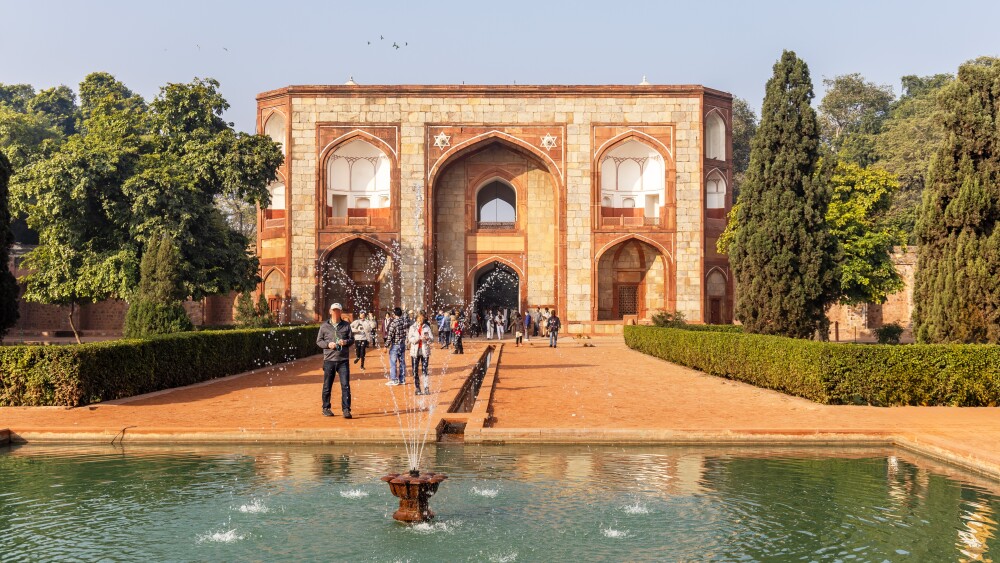
Credit: www.meforum.org
Adventure And Ecotourism
Adventure and ecotourism in India offer thrilling experiences and a chance to connect with nature. The country has many landscapes, from mountains to forests and rivers. These places provide unique adventures for travelers.
Ecotourism helps protect the environment and wildlife. It supports local communities and teaches travelers about nature. Adventure tourism brings excitement and physical challenge.
Trekking And Mountaineering
India has famous trekking routes in the Himalayas and other hills. Trails like the Markha Valley and Roopkund attract many hikers. Mountaineering is popular in regions like Uttarakhand and Sikkim. Climbers try peaks such as Stok Kangri and Nanda Devi.
Wildlife Safaris
Wildlife safaris let visitors see animals in their natural homes. National parks like Ranthambore and Kaziranga offer tiger and rhino sightings. Safaris use jeeps or boats. Guides share interesting facts about animals and plants.
Water Sports
Rivers, lakes, and coasts in India provide water sports activities. White-water rafting is common in Rishikesh and Manali. Scuba diving and snorkeling are popular in the Andaman Islands. Kayaking and parasailing attract many tourists.
Nature Reserves
Nature reserves protect forests, plants, and animals. Places like Silent Valley and Periyar offer peaceful walks and bird watching. These reserves show India’s rich biodiversity. Visitors enjoy quiet moments and fresh air.
Culinary Experiences
India offers a rich and diverse culinary experience. Its food reflects centuries of history, culture, and tradition. Every region has unique dishes that tell stories of local life and tastes. The variety is vast, from spicy curries to sweet desserts. Food lovers find India a paradise for tasting new flavors.
Regional Cuisines
Each Indian region has distinct flavors and cooking styles. North India is famous for tandoori and rich gravies. South India offers rice-based dishes and coconut flavors. East India serves subtle, sweet, and mustard-infused dishes. West India features spicy snacks and vegetarian delights. This diversity makes every meal a new adventure.
Street Food Culture
Street food in India is lively and colorful. Vendors serve quick, tasty, and affordable snacks. Popular items include chaat, samosas, and vada pav. These foods reflect local ingredients and traditions. Eating street food is a great way to explore local culture.
Traditional Sweets
Indian sweets are an important part of celebrations. They are made with milk, sugar, and nuts. Famous sweets include gulab jamun, jalebi, and rasgulla. Each region has its own sweet specialties. These treats offer a perfect end to any meal.
Food Festivals
Food festivals showcase India’s rich culinary heritage. They bring together chefs and food lovers. Visitors taste rare dishes and learn cooking methods. Festivals celebrate local produce and traditional recipes. These events highlight the joy of Indian food culture.

Credit: adamosoft.com
Modern Tourism Infrastructure
India’s tourism sector has grown fast due to modern infrastructure. It supports millions of travelers every year. Visitors enjoy comfort, ease, and safety across the country. The tourism industry uses new technology and better facilities. This helps tourists explore India with less hassle. The focus is on quality services and smooth travel experiences.
Accommodation Options
India offers many places to stay for all budgets. Tourists find luxury hotels, budget inns, and guesthouses easily. Big cities have world-class hotels with modern amenities. Small towns offer cozy homestays and lodges. Many accommodations focus on cleanliness and comfort. Online booking platforms make reservations simple and fast.
Transport Connectivity
Travel inside India is easier than ever. Airports connect major cities and tourist spots. Trains link remote areas with fast and comfortable rides. Roads are improving with new highways and expressways. Public transport like buses and metro rail help city travel. Taxi apps and car rentals provide flexible options.
Tourism Services
Tourism services in India are more traveler-friendly now. Tour guides speak many languages and offer helpful tips. Tourist information centers provide maps and local advice. Safety measures are in place at popular sites. Many tours are customizable for different interests. Payment methods include cash, cards, and digital wallets.
Digital Tourism Initiatives
India promotes tourism through digital tools and apps. Government websites offer easy access to travel information. Virtual tours showcase popular destinations online. Mobile apps help with bookings, directions, and reviews. Contactless payments and e-visas speed up processes. Technology enhances the overall travel experience.

Credit: engnovate.com
Frequently Asked Questions
What Are The Key Attractions Of Tourism In India?
India’s tourism features diverse attractions, including historical monuments, spiritual sites, vibrant festivals, and natural landscapes. Popular spots are the Taj Mahal, Jaipur’s palaces, Kerala’s backwaters, and Himalayan regions. This variety appeals to cultural, adventure, and eco-tourists alike, making India a unique travel destination.
How Does India’s Culture Impact Tourism?
India’s rich culture attracts tourists with its festivals, cuisine, art, and traditions. Visitors experience colorful celebrations like Diwali and Holi, traditional dances, and diverse culinary delights. This cultural immersion enhances the travel experience and encourages repeat visits.
What Role Do Heritage Sites Play In Indian Tourism?
Heritage sites like forts, temples, and UNESCO World Heritage locations are major tourist draws. They reflect India’s historical depth and architectural brilliance. These sites educate visitors about India’s past and preserve cultural identity, boosting tourism significantly.
Why Is Eco-tourism Important In India?
Eco-tourism promotes sustainable travel and conserves natural habitats in India. It supports local communities and protects wildlife in places like national parks and sanctuaries. This approach attracts environmentally conscious travelers seeking nature-friendly experiences.
Conclusion
India offers a rich mix of culture, history, and nature. Tourists enjoy diverse places like mountains, beaches, and cities. The country’s festivals and food add unique charm to travel. Wildlife and heritage sites attract many visitors every year. Travelers find warmth and hospitality in every region.
These features make India a special travel destination. Exploring India means discovering something new at every turn. A journey here stays long in the heart and mind.
