
Imagine you’re camping, surrounded by nature, when suddenly dark clouds gather, and lightning starts to crackle in the sky. You might wonder, what happens if lightning strikes your tent?
Could it be dangerous for you and your gear? Understanding this can keep you safe and help you make smart choices during a storm. Keep reading to find out exactly what happens, why tents are vulnerable, and how you can protect yourself when lightning is near.
This knowledge could make all the difference the next time you’re out in the wild.
Credit: www.freepik.com
Lightning And Tents
Lightning and tents create a dangerous mix during storms. Tents are common shelters for campers but offer little protection from lightning strikes. Understanding how lightning interacts with tents helps campers stay safer in bad weather.
Lightning is a powerful natural force. It seeks the easiest path to the ground. Tents and their surroundings can affect where lightning hits and how it spreads.
How Lightning Strikes
Lightning is a sudden electrical discharge from clouds to the ground. It follows the path with the least resistance. Tall objects, metal poles, and wet surfaces attract lightning. Tents are usually low and soft but can still be near conductors. Lightning does not strike the tent fabric itself, but objects in or near the tent.
When lightning strikes nearby, the electrical current can travel through the ground and into the tent. This can cause serious injury to anyone inside. Lightning can also jump through the air, hitting metal parts like tent poles or stakes.
Materials And Conductivity
Tent fabrics like nylon or polyester do not conduct electricity well. They usually do not attract lightning directly. But tent poles made from metal conduct electricity easily. Metal stakes and guy lines also carry electric current. This makes the tent a risky place during a lightning storm.
Wooden or fiberglass poles reduce the risk but do not eliminate it. Wet tent fabric can conduct electricity better. Water on the ground or inside the tent increases danger. Ground conductivity matters too. Rocky or dry soil resists electricity more than wet soil.
Credit: www.nps.gov
Risks For Campers
Lightning striking a tent creates serious risks for campers. The metal parts and wet fabric can carry electricity. This can cause injuries or worse. Understanding these dangers helps campers stay safe during storms.
Lightning is powerful and unpredictable. It can hit tents directly or cause other hazards nearby. Knowing what happens during a strike is important for every camper.
Direct Strike Dangers
A direct lightning strike hits the tent or its pole. The electric shock can harm anyone inside or near the tent. Burns, heart problems, or even death can result from the strike.
Metal tent poles attract lightning and increase risk. The electric current moves through the tent’s frame and fabric. Campers may feel a strong shock or burn from the electricity.
Secondary Hazards
Lightning can cause fires by igniting tent materials. Wet ground may conduct electricity, shocking campers outside the tent. Nearby trees or rocks can also carry dangerous electric currents.
Shockwaves from lightning create loud thunder and strong winds. These can injure campers or damage tents. Falling branches or debris add to the danger during storms.
Tent Damage
Lightning striking a tent causes serious damage. The force and heat from the strike harm the fabric and structure. Understanding the types of damage helps campers stay safe and prepare better. The main issues are fire, melting, and structural damage. Each problem affects the tent differently but can make it unusable.
Fire And Melting
Lightning carries extreme heat. This heat can ignite the tent fabric. Many tents use synthetic materials that burn quickly. The strike can also melt parts of the tent, like poles or zippers. Melted fabric loses strength and protection. Fire can spread fast, causing complete tent loss.
Structural Impact
The strike’s force can break tent poles. Broken poles mean the tent cannot stand. The shock may tear the fabric or damage seams. Damage weakens the tent’s ability to protect from wind and rain. Repairing structural damage is difficult and costly.
Safety Measures
Lightning striking a tent can cause serious danger. Knowing safety measures helps protect you and others during storms. Simple steps can reduce risks and keep you safe outdoors.
Choosing A Safe Campsite
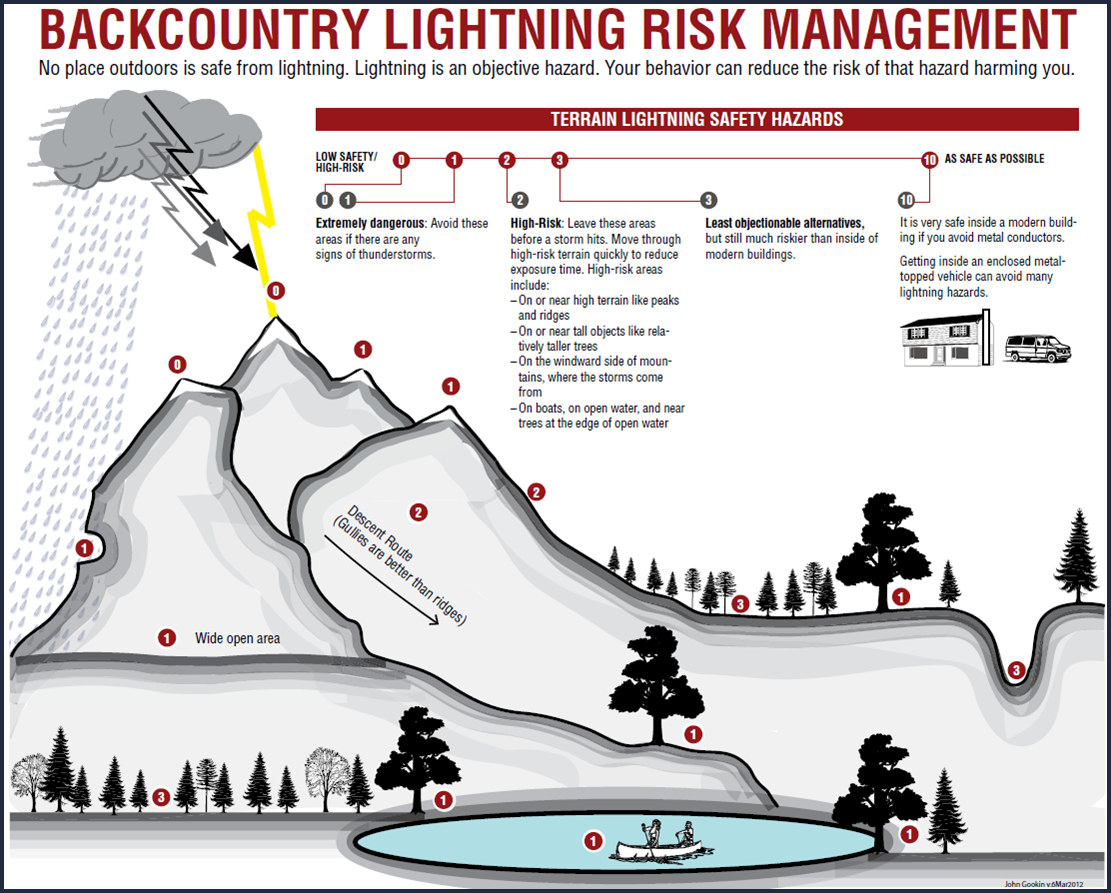
Pick a campsite away from tall trees and open fields. Lightning often hits tall objects first. Avoid camping on hilltops or near metal fences. Look for low areas that do not flood. Stay clear of isolated trees or poles. Set your tent on flat ground with good drainage. These choices lower the chance of a lightning strike nearby.
Emergency Actions During Storms
When a storm starts, leave your tent immediately. Find a safe shelter like a car or sturdy building. If none are near, crouch low with feet together. Avoid touching metal objects and stay away from water. Do not lie flat on the ground. Keep your body as small as possible. Wait for the storm to pass before returning to your tent.
Aftermath And Recovery
Lightning striking a tent can cause serious damage and danger. The moments after the strike are critical for safety and recovery. Knowing what to do helps protect everyone involved. Stay calm and focused on quick actions.
Assessing Damage
Check the tent and surrounding area first. Look for holes, burns, or melted fabric. Inspect nearby trees and poles for broken branches. Avoid touching metal parts; they might still carry electricity. Make sure no fire has started. Move away if the area feels unsafe.
First Aid Tips
Call emergency services immediately if someone is hurt. Check if the person is breathing and conscious. Start CPR if they are not breathing. Treat burns with cool, clean water, not ice. Cover burns with a clean cloth. Keep the injured person warm and calm. Do not move them unless necessary for safety.
Credit: www.outsideonline.com
Frequently Asked Questions
What Happens If Lightning Strikes A Tent Directly?
A direct lightning strike can cause severe damage to the tent and harm its occupants. The electric current can ignite the fabric and injure people inside. Always avoid using metal poles or standing near tall objects during thunderstorms to reduce risks.
Can A Tent Protect You From Lightning?
A tent offers minimal protection against lightning. Most tents lack proper grounding and conductive materials to divert lightning safely. It’s best to seek shelter in a vehicle or building during storms for maximum safety.
How To Stay Safe From Lightning While Camping?
Avoid open fields, tall trees, and metal objects during storms. Stay low and crouch down if lightning is nearby. Use a lightning safety plan and monitor weather forecasts to anticipate storms while camping.
Does The Tent Material Affect Lightning Risk?
Tent materials generally don’t prevent lightning strikes. Most fabrics are non-conductive but don’t protect against high-voltage strikes. Grounding and avoiding exposure to lightning-prone areas are more critical for safety.
Conclusion
Lightning striking a tent can cause serious harm and damage. It can start fires and injure people inside. Always avoid camping in open areas during storms. Seek shelter in a car or sturdy building instead. Stay low and away from tall objects.
Knowing the risks helps keep you safe outdoors. Stay alert, respect nature’s power, and plan carefully. Safety matters most when lightning is near.
