
Have you ever wondered what happens when camp levels are high? Whether you’re a camper, a parent, or a camp organizer, understanding this can make a big difference in your experience.
High camp levels can change the atmosphere, the activities, and even how you feel during your time there. Knowing what to expect helps you prepare better and enjoy every moment. Keep reading to discover the surprising effects of high camp levels and how they might impact you directly.
Causes Of High Camp Levels
High levels of cAMP in the body can signal various health issues. Understanding the causes helps in identifying the right treatment. Several factors can raise cAMP levels, often pointing to underlying problems.
Infections And Inflammation
Infections trigger the immune system to fight germs. This fight can increase cAMP levels in cells. Inflammation caused by infections also raises cAMP. The body uses cAMP to control the immune response.
Certain Cancers
Some cancers cause abnormal cAMP production. Tumors may release substances that boost cAMP. High cAMP can help cancer cells grow and spread. Doctors monitor cAMP to understand cancer activity.
Other Medical Conditions
Other illnesses like hormonal imbalances affect cAMP levels. Diseases such as hyperthyroidism or heart failure may increase cAMP. Certain genetic disorders also change how cAMP works. Testing cAMP helps in diagnosing these conditions.
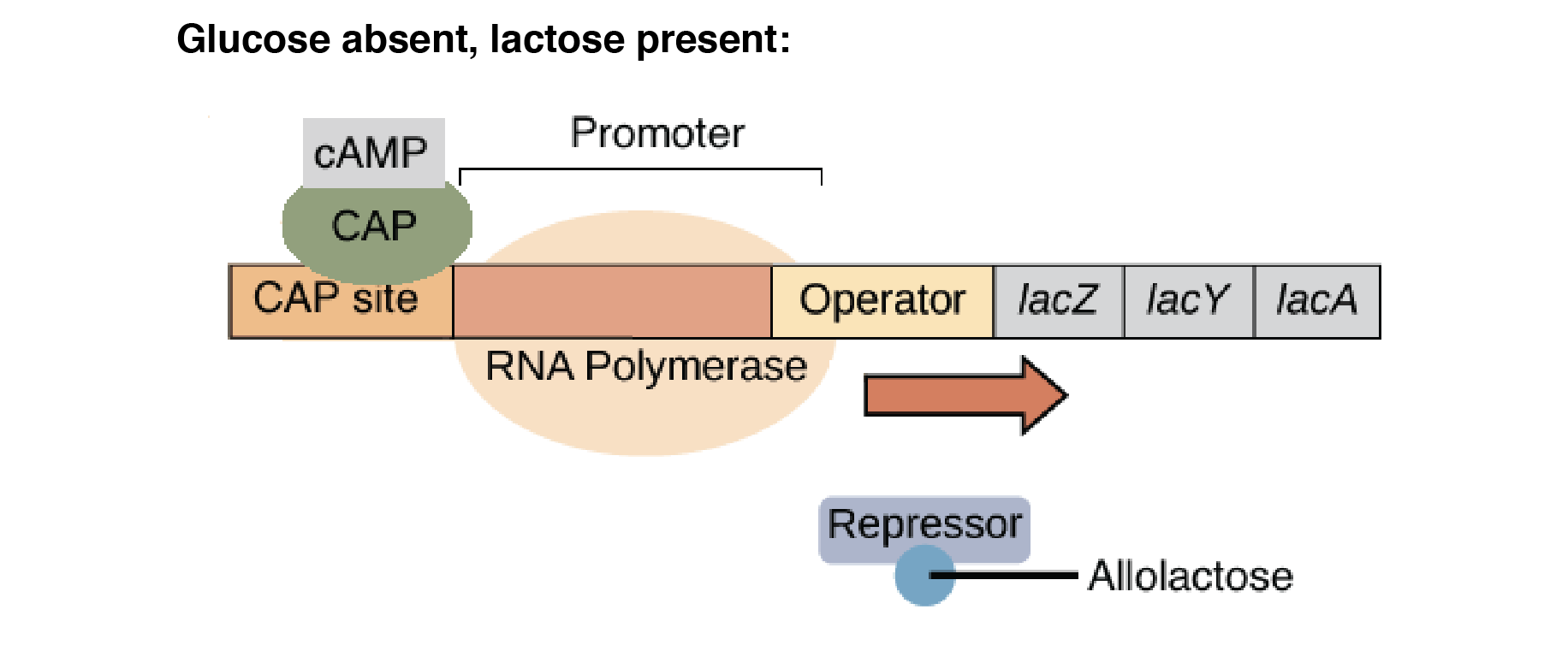
Credit: www.khanacademy.org
Symptoms Linked To Elevated Camp
High levels of cyclic AMP (cAMP) can cause various symptoms in the body. These symptoms occur because cAMP affects many cells and tissues. Understanding these signs helps identify problems linked to elevated cAMP.
Common Physical Signs
People with high cAMP often feel weak or tired. Muscle cramps and spasms may happen. Some notice rapid heartbeats or palpitations. Headaches and dizziness can occur. Digestive issues like nausea or upset stomach are common. Skin changes, such as rashes or dryness, may appear. These signs point to how cAMP affects different body parts.
Systemic Effects
Elevated cAMP impacts the whole body, not just one area. It can cause hormone imbalances, leading to mood swings or anxiety. Blood pressure may rise or fall unexpectedly. Immune system changes may increase infection risk. Some experience trouble sleeping or feel restless. These effects show that high cAMP alters many systems at once.
Diagnostic Importance Of Camp
cAMP is a small molecule inside cells. It helps send signals and control many body functions. Doctors measure cAMP levels to understand health better. High cAMP levels can point to certain diseases or conditions. This makes cAMP important for diagnosis.
Testing cAMP helps find problems early. It guides doctors to choose the right treatment. Watching cAMP levels also shows if treatments work well. This makes it a useful tool in medicine.
Role In Disease Detection
High cAMP levels may signal diseases like cancer or hormonal disorders. Some tumors cause cells to produce too much cAMP. Measuring cAMP helps find these issues fast. This test adds value to other medical checks.
Doctors use cAMP tests to understand how severe a disease is. It can show if the body’s cells are out of balance. This helps in making clear and quick decisions for care.
Monitoring Treatment Progress
cAMP levels change as treatment works or fails. Tracking these changes helps doctors see if medicine is effective. If cAMP stays high, treatment may need adjustment. If it drops, it shows healing or control.
Regular cAMP tests guide ongoing care. They give clear signs about patient improvement. This avoids guesswork and improves treatment plans.
Physiological Impact Of High Camp
High cyclic AMP (cAMP) levels cause many changes inside the body. This molecule acts like a messenger inside cells. It tells cells to start or stop different actions. The changes affect how the body works every day.
When cAMP is high, it changes how cells behave. It also affects the balance of hormones. These effects can be seen in many body systems. The impact is both quick and long-lasting.
Cellular Processes Affected
High cAMP changes how cells use energy. It turns on enzymes that break down stored fat. This process helps release energy fast. Cells also change how they make proteins. These changes affect cell growth and repair.
cAMP controls ion channels in the cell membrane. This affects how cells send signals to each other. It also changes how cells respond to stress. All these actions help the body adapt to new conditions.
Hormonal Interactions
cAMP works closely with many hormones. It helps hormones like adrenaline send their messages. This boosts the body’s fight or flight response. It raises heart rate and blood sugar for quick energy.
High cAMP can change hormone levels too. It affects hormones that control metabolism and growth. This shifts how the body uses nutrients and builds tissues. These effects help the body manage energy better.
Treatment Approaches
High levels of camp can cause serious health problems. Treating these levels requires careful steps. Doctors use different methods to bring camp back to safe levels. Treatment depends on why camp levels are high and the patient’s condition.
Addressing Underlying Causes
The first step is finding the root cause. Causes might include dehydration, kidney problems, or certain medicines. Fixing the main problem helps lower camp safely. For example, treating kidney issues can restore balance. Drinking enough water is key if dehydration is the cause.
Medications And Therapies
Doctors may use medicines to control high camp levels. Some drugs help remove extra camp from the blood. In severe cases, dialysis might be necessary. This process filters the blood outside the body. It quickly lowers dangerous camp levels and prevents damage.

Credit: lssulakers.com
Potential Complications
High levels of cAMP in the body can cause serious problems. These issues arise when the balance of this important molecule is disturbed. The body uses cAMP to control many functions. Too much cAMP can disrupt these functions and lead to health risks.
Risks Of Untreated High Camp
Untreated high cAMP can harm organs and tissues. It may cause abnormal cell growth. This growth can lead to tumors or cysts. Some infections and diseases raise cAMP levels. Without treatment, symptoms often get worse. Pain, swelling, and fatigue may increase. The immune system might weaken. This makes the body less able to fight illness.
Long-term Health Effects
Long-term high cAMP can damage the heart and lungs. It may cause chronic inflammation. This inflammation can lead to tissue scarring. Scarring reduces organ function over time. High cAMP also affects the nervous system. Memory and concentration might decline. Bone health can suffer, raising fracture risk. Managing cAMP levels helps protect overall health.
Lifestyle Adjustments
High camp levels affect many parts of daily life. Simple habits may need change to keep health in balance. Small shifts in routine help the body manage these changes better.
Diet And Nutrition
Eating right supports healthy camp levels. Choose foods rich in vitamins and minerals. Fresh fruits and vegetables are good choices. Avoid processed foods that add stress to the body. Drinking plenty of water helps flush out toxins. Balanced meals keep energy steady throughout the day. Limit caffeine and sugar to reduce spikes in camp levels.
Exercise And Stress Management
Regular exercise helps control camp levels naturally. Walking, yoga, or swimming can calm the body. Exercise lowers stress hormones that raise camp levels. Deep breathing and meditation reduce tension quickly. Getting enough sleep supports stress management. Taking breaks during work helps avoid overload. Staying active keeps both mind and body strong.

Credit: www.researchgate.net
Frequently Asked Questions
What Causes Camp Levels To Become High?
High camp levels occur due to excessive cellular stress or disease. It signals increased cellular activity and can indicate infection or inflammation.
How Do High Camp Levels Affect The Body?
Elevated camp levels trigger stronger cellular responses. This can lead to increased inflammation and altered metabolism, affecting overall health.
Can High Camp Levels Indicate Specific Diseases?
Yes, high camp levels often indicate infections, asthma, or certain cancers. They help in diagnosing and monitoring these conditions.
Are High Camp Levels Dangerous To Health?
High camp levels themselves aren’t dangerous but indicate underlying issues. Addressing the root cause is essential for health management.
Conclusion
High camp levels affect gameplay and player strategy a lot. They bring stronger enemies and tougher challenges. Players must prepare better to survive and win. Resources may run low, so plan carefully. Teamwork becomes more important than ever before. High levels also reward patience and skill.
Enjoy the challenge and learn from each fight. This makes the game exciting and fresh. Keep practicing, and you will improve steadily. Every player can grow with time and effort.
