
Are you planning a trip outdoors but unsure whether to choose camping or backpacking? Both offer exciting ways to connect with nature, yet they come with very different experiences.
Knowing the key differences can help you pick the right adventure for your style and needs. Keep reading to discover what sets camping and backpacking apart—and find out which one fits you best.
Camping Basics
Camping is a popular outdoor activity enjoyed by many. It means spending time outside, usually overnight, in a natural place. People camp to relax, explore, and connect with nature. Understanding camping basics helps you plan better and enjoy your trip.
Camping can be simple or more planned, depending on your style. Knowing the types of camping, gear needed, and where to camp helps you prepare well. These basics make camping safe and fun for everyone.
Types Of Camping
There are many types of camping. Tent camping is the most common. You set up a tent at a campsite or in the wild. RV camping uses a camper or trailer for a more comfortable stay. Car camping means you drive to a spot and camp near your car. Some people like hammock camping, where they sleep in a hammock hung between trees. Each type fits different needs and comfort levels.
Common Camping Gear
Basic camping gear includes a tent, sleeping bag, and a mat. You also need a flashlight or headlamp for night light. Cooking gear like a stove and pots helps prepare food. Clothes should be warm and waterproof. A first aid kit is important for safety. Good shoes protect your feet on rough ground. Packing the right gear makes camping easier and safer.
Typical Camping Locations
People camp in many places. National parks offer beautiful views and marked trails. Forests provide shade and fresh air. Beaches allow camping near water with a nice breeze. Some campgrounds have facilities like bathrooms and fire pits. Others are more remote and wild. Choosing a good location depends on your camping type and comfort level.
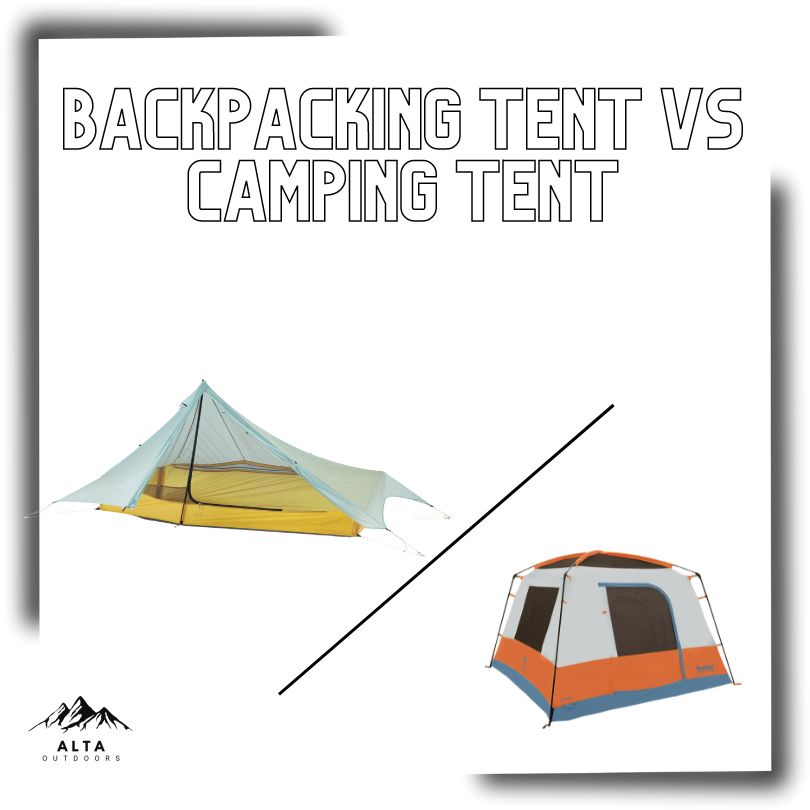
Credit: altaoutdoors.com
Backpacking Essentials
Backpacking requires careful planning and the right equipment. You carry all your gear on your back. Every item must be light and useful. Packing too much makes the hike hard and slow. Knowing what essentials to bring helps you stay safe and comfortable outdoors.
Lightweight Gear
Backpacking gear must be light and compact. Heavy items tire you quickly and slow your pace. Choose a small tent or a sleeping bag that packs small. Use a lightweight stove and minimal cooking tools. Clothes should dry fast and weigh little. Every ounce counts on long trails.
Backpacking Trails
Backpacking trails vary in length and difficulty. Some last one night, others several days or weeks. Trails often go through remote areas without easy access. You need to carry food, water, and shelter. Planning the route and knowing water points is important. Trails can be rough, with hills and rocks.
Physical Demands
Backpacking requires strong legs and good stamina. Carrying a heavy pack challenges your balance and strength. Walking long distances with weight needs practice. Rest breaks keep your energy steady. Hydration and nutrition affect how well you perform. Physical fitness helps prevent injuries on the trail.
Gear Comparison
Camping and backpacking both need gear, but the gear differs a lot. Each activity has unique needs. This affects what you carry and how you prepare. Understanding gear differences helps you pack smart. It makes your trip safer and more fun.
Let’s explore the gear side by side. See how shelter, cooking, and packing differ in camping and backpacking.
Shelter Options
Camping gear usually includes big tents. These tents are heavy but roomy. They offer space and comfort. You carry them in a car or close by.
Backpacking shelters must be light and small. Backpackers use lightweight tents, tarps, or hammocks. These protect from weather but weigh less. They fit into a backpack easily.
Cooking Equipment
Campers can carry larger stoves and cook sets. Bigger pots and pans are common. This allows cooking many meals with ease.
Backpackers need small, light stoves. Cooking gear is minimal. They use compact pots and simple tools. Cooking fast meals saves energy and time.
Packing Strategies
Camping gear is bulky but less strict. Space and weight are less important. Campers can bring extra clothes and supplies.
Backpackers pack very light. Every item must serve a purpose. Weight and size control movement and comfort. Packing smart prevents fatigue and injury.

Credit: coloradomountainschool.com
Planning And Preparation
Planning and preparation are key to both camping and backpacking trips. Careful planning helps ensure safety and enjoyment. It also makes packing easier and saves time during the trip. Each activity requires a different approach depending on the gear and goals.
Trip Duration
Camping trips often last several days or more. Campers usually stay at one spot or move between established campsites. Backpacking trips can be shorter or longer but focus on moving from place to place on foot. Backpackers carry all their gear, so trip length depends on how much weight they can manage.
Route Planning
Camping needs less route planning. Campers choose a campsite and plan activities around it. Backpacking demands detailed route planning. Backpackers must know trails, water sources, and rest points. Maps, GPS, and trail guides are essential for backpackers to avoid getting lost.
Safety Considerations
Campers usually have easy access to help or roads. They should prepare for weather and wildlife but can carry more supplies. Backpackers face more risks due to remote locations. They need extra safety gear and knowledge of first aid. Both must tell someone their plans before leaving.
Experience And Lifestyle
The experience and lifestyle of camping and backpacking differ a lot. Both offer time outdoors but feel very different. Understanding these differences helps choose the best fit for your adventure.
Camping usually means staying in one spot with more gear. Backpacking involves carrying light gear and moving often. Each way offers a unique way to enjoy nature and life outside.
Pace And Mobility
Camping sets a slower pace. You arrive, set up camp, and stay for days. It allows more rest and comfort. Backpacking moves faster. You walk several miles each day. You carry all your gear on your back. This adds challenge and freedom to explore far places.
Connection With Nature
Camping lets you enjoy nature with more ease. You can bring chairs, cooking tools, and larger tents. It feels cozy and safe. Backpacking creates a deeper bond with nature. You must rely on what you carry. You feel the weather and terrain more closely. This makes every moment outdoors more intense and real.
Community And Social Aspects
Camping often happens in groups or family settings. It encourages social time around the fire or shared meals. Backpacking can be solo or with a small group. It focuses on independence and quiet moments. Both ways offer chances to meet people but in different ways.
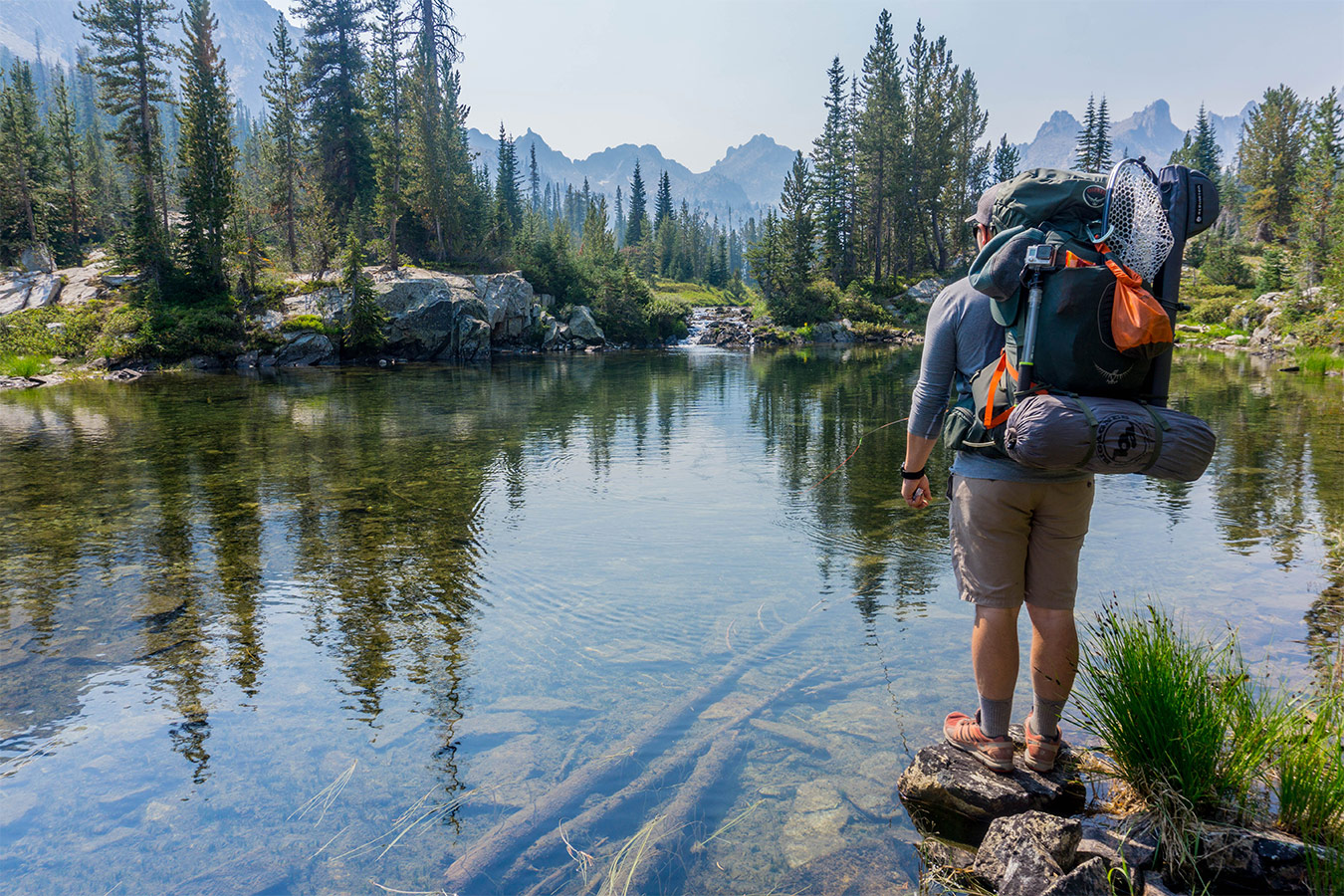
Credit: www.zazzle.com
Frequently Asked Questions
What Is The Main Difference Between Camping And Backpacking?
Camping usually involves staying at a fixed site with more gear. Backpacking requires carrying all essentials in a pack and moving frequently. Camping is less physically demanding than backpacking. Backpacking focuses on mobility and lightweight equipment.
Which Gear Is Essential For Camping Versus Backpacking?
Camping gear includes larger tents, coolers, and chairs. Backpacking gear is lightweight, compact, and multi-functional. Backpackers prioritize items that save weight and space. Campers can afford heavier, bulkier equipment due to vehicle access.
How Does The Experience Differ Between Camping And Backpacking?
Camping offers comfort and convenience with established sites. Backpacking provides adventure, exploration, and physical challenge. Camping is ideal for relaxation and group activities. Backpacking suits those seeking solitude and nature immersion.
Is Backpacking More Physically Demanding Than Camping?
Yes, backpacking involves carrying heavy loads over long distances. Camping requires minimal physical effort once at the site. Backpacking demands good fitness and endurance. Camping is accessible for people of all fitness levels.
Conclusion
Camping and backpacking both offer great ways to enjoy nature. Camping lets you bring more gear and stay comfortable. Backpacking means carrying everything on your back and moving more. Each has its own fun and challenges. Your choice depends on how you like to explore outdoors.
Try both to see what fits your style best. Nature is waiting. Adventure calls.
