
Choosing the right shoes can make or break your outdoor adventure. But when it comes to hiking and trekking, are you sure you know the difference between hiking shoes and trekking shoes?
Picking the wrong pair might leave your feet tired, sore, or even injured. You want comfort, support, and durability every step of the way. Keep reading, because understanding these differences will help you find the perfect shoes for your next trip—and keep you moving with ease and confidence.
Key Features Of Hiking Shoes
Hiking shoes have special features that help hikers stay safe and comfortable. They protect feet from rough paths and changing weather. These shoes also give good support for long walks on uneven ground. Understanding their key features helps choose the right pair for your hiking needs.
Design And Construction
Hiking shoes have a low to mid-cut design. This supports the ankle without limiting movement. The sole is stiff to protect feet from sharp rocks. The toe box is wider to allow natural toe movement. Strong stitching keeps the shoe together during tough hikes.
Material And Durability
Hiking shoes use tough materials like leather or synthetic fabrics. These resist tears and water. Many shoes have waterproof layers to keep feet dry. The materials also breathe to reduce sweat. Durable materials make shoes last longer on rough trails.
Weight And Flexibility
Hiking shoes are lighter than boots but still strong. They balance protection and ease of movement. Flexibility in the sole helps with walking on different surfaces. Light shoes reduce foot fatigue on long hikes. They allow quick and natural steps.
Traction And Grip
The outsole of hiking shoes has deep lugs for grip. These lugs prevent slipping on mud, rocks, and loose soil. Rubber compounds improve traction on wet surfaces. Good grip helps maintain balance and avoid falls. Traction is key for safe hiking on all trails.
Key Features Of Trekking Shoes
Trekking shoes have unique features designed for long, tough journeys. They provide comfort and safety on rough trails. Understanding these features helps choose the right shoe for trekking. Each feature plays a key role in performance and protection.
Robust Build And Support
Trekking shoes have a strong and solid build. They protect feet from rocks and sharp objects. High ankle support reduces injury risk on uneven ground. Sturdy materials keep the shoe shape during long walks.
Waterproofing And Insulation
Most trekking shoes come with waterproof layers. They keep feet dry in wet conditions. Insulation helps maintain warmth in cold weather. These features ensure comfort across different climates.
Weight And Protection
Trekking shoes balance weight and durability. They are heavier than hiking shoes for extra protection. Tough soles guard against rough surfaces and debris. This balance prevents fatigue and injuries.
Traction For Rough Terrains
Deep, aggressive treads provide excellent grip. They prevent slipping on mud, rocks, and loose dirt. Good traction boosts confidence on steep or slippery paths. This feature is vital for safe trekking.
Terrain Suitability
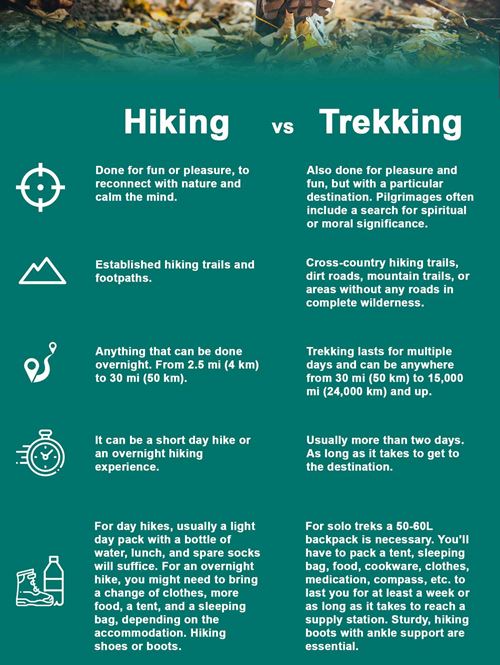
Terrain plays a big role in choosing the right shoes for outdoor activities. Hiking shoes and trekking shoes are designed for different types of ground. Knowing where you will walk helps pick the best footwear. The terrain affects comfort, safety, and shoe durability. Shoes made for flat, easy paths differ from those built for steep, rough trails.
Hiking Shoes For Light Trails
Hiking shoes suit smooth, well-marked paths. These shoes are lighter and more flexible. They work well on dirt roads and gentle hills. The soles have moderate grip for stable walking. These shoes keep feet cool and dry on short trips. They do not have extra ankle support. Perfect for casual hikes and day trips.
Trekking Shoes For Challenging Paths
Trekking shoes fit tough, uneven terrain. They are stronger and heavier than hiking shoes. Thick soles protect feet from sharp rocks and roots. High ankle collars guard against twists and sprains. These shoes handle mud, water, and steep climbs. Designed for long journeys and rough ground. They offer more support and durability for hard trails.
Credit: adventures.com
Comfort And Fit Considerations
Comfort and fit are key when choosing hiking or trekking shoes. Proper fit helps prevent blisters and foot pain. Shoes that feel good make long walks easier and more enjoyable. Different activities need different shoe features. Hiking shoes focus on lighter comfort for day trips. Trekking shoes offer more support for long, tough trails. Understanding these differences helps pick the right shoe.
Cushioning And Breathability
Hiking shoes usually have softer cushioning. This reduces shock on flat or mildly rough paths. They also use breathable materials to keep feet cool. Breathability stops sweat build-up and reduces odor. Trekking shoes have firmer cushioning for rugged terrain. This protects feet from sharp rocks and uneven ground. They may use less breathable materials for water resistance.
Ankle Support And Stability
Hiking shoes often have low to mid ankle support. This gives freedom to move on easy trails. Trekking shoes have higher ankle collars. They help prevent twists on steep or rocky routes. Stronger soles add stability for heavy loads in trekking shoes. Hiking shoes focus on lighter, flexible soles. The choice depends on trail difficulty and weight carried.
Durability And Maintenance
Durability and maintenance are key factors when choosing hiking or trekking shoes. Both types of shoes face tough conditions. They must last long and stay comfortable. Proper care helps shoes perform better and extends their life. Understanding the differences in durability and maintenance helps pick the right shoe.
Longevity Of Hiking Shoes
Hiking shoes are made for short to medium trails. They use lighter materials for comfort and speed. These shoes last well on dry and mild terrains. The soles resist wear but need regular checks. Frequent use on rough paths can wear them faster. Cleaning mud and dirt after hikes keeps them fresh. Avoid soaking hiking shoes in water. Store them in a dry place to stop damage.
Care Tips For Trekking Shoes
Trekking shoes face longer and tougher journeys. They use stronger materials like leather or thick fabric. These shoes resist water and rough surfaces better. Cleaning trekking shoes after each trip is important. Use a soft brush to remove dirt. Dry them slowly at room temperature. Apply waterproof spray for extra protection. Check laces and soles for damage often. Proper care keeps trekking shoes safe and durable.
Price And Value Comparison
Price and value play a big role in choosing between hiking and trekking shoes. Both types have different costs based on their design and purpose. Understanding these differences helps you spend wisely. You want shoes that last and suit your adventures.
Cost Differences
Hiking shoes usually cost less than trekking shoes. They are made for shorter, easier trails. Materials are lighter and simpler. Trekking shoes use stronger materials for tough, long trips. This makes them more expensive. Expect to pay more for extra support and durability in trekking shoes.
Investment Based On Usage
Think about how often and where you hike or trek. Hiking shoes suit casual or weekend walks. They offer good value for light use. Trekking shoes are better for serious, long hikes. Spending more makes sense if you trek often. They protect your feet and last longer on rough paths.
Choosing The Right Shoe For Your Adventure
Choosing the right shoe for your adventure is key to comfort and safety. Different shoes suit different activities and terrains. The right fit helps prevent injuries and makes your journey enjoyable. Focus on your activity, terrain, and personal needs to pick the best shoe.
Assessing Your Activity Level
Think about how often you hike or trek. Short day hikes need lighter shoes with good breathability. Long treks require sturdy shoes with strong support. Match your shoe to how long and hard your adventure will be. Your activity level guides your choice.
Matching Shoes To Terrain
Soft trails need flexible shoes with good grip. Rocky or steep paths call for tough, durable shoes with extra ankle support. Wet or muddy areas need waterproof shoes. Know the terrain before you buy. The right sole and material improve your safety and comfort.
Personal Preferences And Needs
Consider your foot shape and size. Some need wider shoes or extra padding. Think about weight too—light shoes reduce fatigue. Choose shoes that feel good from the first try. Your comfort matters most on every step you take.

Credit: wildcraft.com

Credit: www.reddit.com
Frequently Asked Questions
What Are Key Differences Between Hiking And Trekking Shoes?
Hiking shoes are lighter, designed for shorter trails and moderate terrain. Trekking shoes are heavier, offering more support for long, rough, and mountainous routes.
Which Shoes Offer Better Ankle Support, Hiking Or Trekking?
Trekking shoes provide superior ankle support to protect against uneven surfaces and long-distance strain. Hiking shoes usually have lower ankle coverage for flexibility.
Can I Use Hiking Shoes For Trekking?
Using hiking shoes for trekking is possible but not ideal. They lack the durability and support needed for extended, challenging treks.
What Features Make Trekking Shoes Durable?
Trekking shoes have reinforced soles, waterproof materials, and sturdy construction. These features protect feet and endure tough, multi-day hiking conditions.
Conclusion
Choosing the right shoe matters for your outdoor trip. Hiking shoes suit short, easy trails with good support. Trekking shoes fit longer, tougher journeys with extra protection. Each shoe type helps your feet stay safe and comfortable. Think about where you will walk and how long.
This helps you pick the best shoe for your adventure. Good shoes make your trip more fun and less tiring. Take care of your feet, and enjoy every step outdoors.
