
Camping in the rain can feel like a challenge, but it doesn’t have to ruin your trip. When the skies open up, knowing exactly what to do can keep you dry, safe, and even enjoying the adventure.
You might think rain means discomfort and frustration, but with the right tips, it can become part of your memorable experience. Ready to turn soggy moments into fun stories? Keep reading to discover simple steps that will help you stay comfortable and make the most of your rainy camping trip.
Preparing For Rainy Camping
Camping in the rain can be fun with the right preparation. Rainy weather means extra care and smart choices. Staying dry and comfortable is the main goal. Being ready helps you enjoy nature without trouble.
Choosing Waterproof Gear
Pick gear that keeps water out. A waterproof tent stops rain from soaking your sleeping area. Use rain covers for backpacks to protect your clothes and food. Wear waterproof jackets and boots to stay dry while walking. Good gear makes rainy camping easier and safer.
Packing Essential Rain Supplies
Bring items that help you handle wet conditions. Pack a sturdy rain poncho for quick cover. Carry extra dry clothes in sealed bags. A waterproof tarp can create a dry sitting area. Don’t forget quick-dry towels and waterproof bags. These supplies keep you clean and dry.
Selecting A Rain-friendly Campsite
Pick a spot that handles rain well. Avoid low areas where water pools after rain. Look for higher ground with good drainage. Set your tent under tree cover for extra protection. Clear the area of sticks and rocks to stay comfortable. A smart site keeps water away and improves your stay.
Setting Up Camp In Wet Conditions
Setting up camp in wet conditions can be challenging but manageable. Wet weather needs extra care to stay dry and comfortable. Choosing the right spot and preparing your gear well helps prevent problems. This section explains how to protect your tent and keep water out.
Pitching A Tent For Rain Protection
Pick a flat spot that is not low-lying. Avoid places where water can pool or run through. Use a footprint or groundsheet under your tent to block moisture from below. Tighten all tent poles and stakes to keep the structure firm. Make sure the tent door faces away from the wind and rain. Close all zippers and vents to stop water from seeping in.
Creating Drainage Around Your Tent
Dig small trenches around your tent to guide water away. These channels should slope gently downhill. Clear leaves and debris from the area to avoid blockages. Use rocks or sticks to support the edges of the trench. Check that water flows freely and does not collect near your tent. Proper drainage reduces flooding and keeps your sleeping area dry.
Using Tarps And Rain Flies Effectively
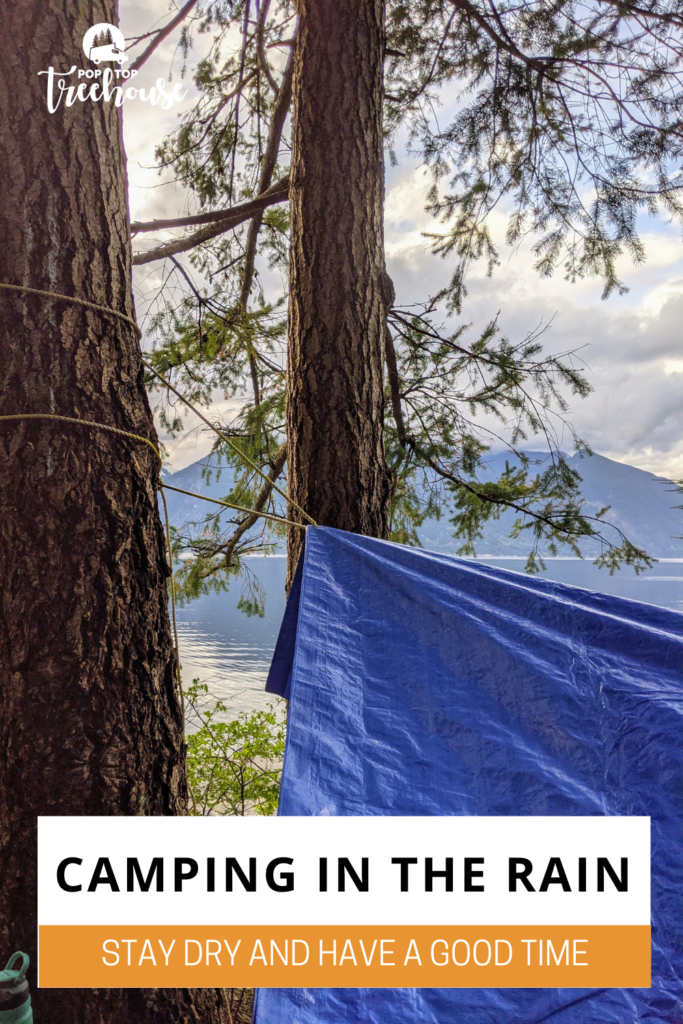
Spread a tarp over your tent for extra rain protection. Make sure it extends beyond the tent edges. Secure the tarp tightly with ropes or bungee cords. Use a rain fly that fits your tent well and covers all mesh areas. Adjust the rain fly to create airflow and prevent condensation. Together, tarps and rain flies shield you from heavy rain and wind.
Staying Dry And Comfortable
Camping in the rain can be tough. Staying dry and comfortable helps you enjoy the trip more. Wet clothes and gear make you cold and tired. Planning ahead keeps you warm and happy. Small steps make a big difference in rainy weather.
Wearing Proper Rain Clothing
Wear a waterproof jacket with a hood. Choose clothes that dry quickly. Avoid cotton because it stays wet. Use layers to keep warm and dry. Waterproof pants protect your legs from rain. Good rain boots keep your feet dry. Change wet clothes as soon as possible.
Keeping Sleeping Gear Dry
Use a waterproof bag for your sleeping bag. Keep your sleeping area off the ground. A tarp under the tent stops water from seeping in. Close tent zippers tightly to keep rain out. Bring a small towel to dry inside the tent. Open the tent during breaks to air it out.
Managing Wet Clothes And Footwear
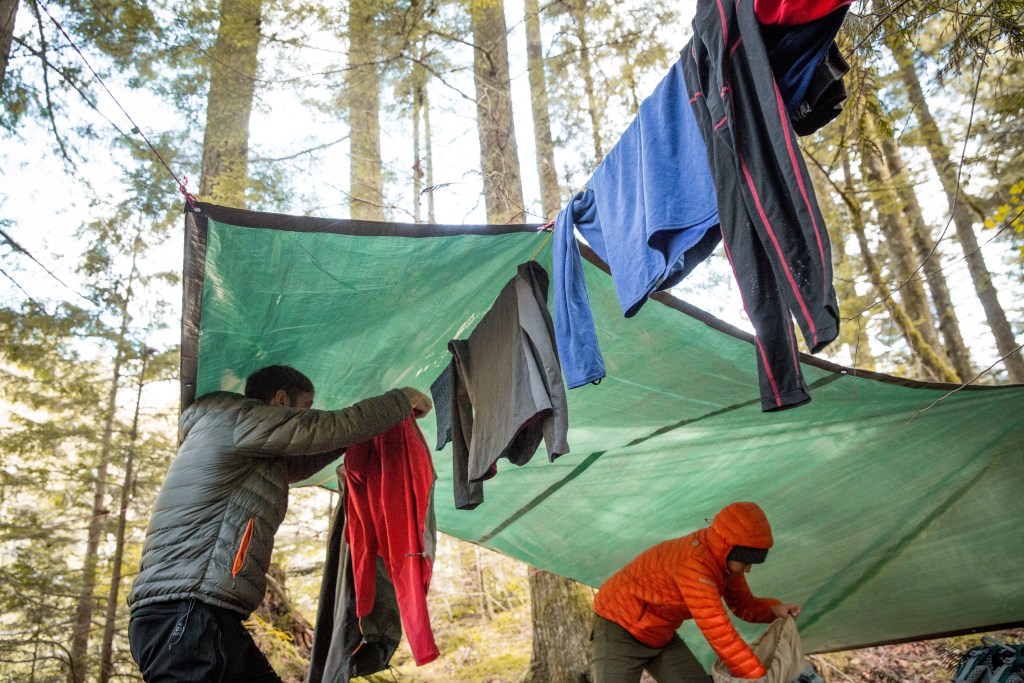
Hang wet clothes on a line or tree branch. Avoid leaving wet shoes inside the tent. Stuff shoes with dry cloth or newspaper to absorb water. Rotate shoes to dry faster. Use a waterproof bag for wet items. Keep dry clothes in a sealed bag to stay clean.

Credit: www.anker.com
Cooking And Food Safety In Rain
Cooking and keeping food safe during rain needs special care. Wet conditions can spoil food or make cooking hard. Planning a dry space for cooking helps a lot. Protecting your food stops dirt and water from ruining it. Using the right tools keeps cooking smooth, even in rain.
Setting Up A Rain-safe Cooking Area
Find a spot with natural cover, like under trees or rocks. Use a tarp or rainfly to create a dry roof. Make sure the tarp is tight and sloped to shed water. Keep your cooking gear off the wet ground on a table or platform. Avoid places where water can pool and flood your cooking space.
Protecting Food From Moisture
Store food in sealed plastic containers or waterproof bags. Keep raw and cooked foods separate to avoid contamination. Use coolers with ice packs to keep food fresh. Cover food with lids or cloth to stop rain drops. Check food often for signs of spoilage or dampness.
Using Portable Stoves In Wet Weather
Choose a stove with a windscreen to protect the flame. Place the stove on a stable, dry surface to avoid tipping. Shield the stove from direct rain using a small tent or tarp. Light the stove carefully; damp conditions can make ignition hard. Keep fuel canisters dry and away from water for safety.
Activities And Safety During Rain
Camping in the rain can be fun and safe with the right activities and precautions. Staying active helps keep spirits high. Safety must always come first. Knowing what to do during wet weather keeps everyone comfortable and secure.
Enjoy simple outdoor tasks and indoor games under a tarp or tent. Prepare for changing conditions and stay alert to weather updates. Here are key tips for hiking, warmth, and storms during rainy camping.
Safe Hiking Tips In Wet Terrain
Choose trails with good drainage and avoid steep slopes. Wear waterproof boots with strong grip. Walk slowly to prevent slipping on wet rocks or mud. Use trekking poles for balance. Stay on marked paths to avoid hidden dangers. Watch for loose branches or slippery leaves. Keep your backpack dry with a rain cover. Take breaks under shelter if rain gets heavy.
Preventing Hypothermia And Staying Warm
Wear layers of clothes that dry quickly. Avoid cotton; choose wool or synthetic fabrics. Change out of wet clothes as soon as possible. Use a waterproof jacket and pants. Keep your head and hands covered with a hat and gloves. Eat high-energy snacks to keep your body warm. Drink warm fluids but avoid alcohol. Stay active to generate body heat but avoid sweating.
Handling Lightning And Storms
Find shelter away from tall trees and open fields. Avoid metal objects like poles and fences. Stay inside your tent or car if possible. Do not lie flat on the ground; crouch low with feet together. Wait at least 30 minutes after the last thunder before leaving shelter. Keep a weather radio or app handy for updates. Stay calm and keep your group together until the storm passes.
Credit: poptoptreehouse.com
Drying And Packing Up After Rain
After a rainy camping day, drying and packing up gear is very important. Wet gear can cause discomfort and damage if not handled properly. Taking time to dry everything helps keep your equipment safe and ready for the next trip.
Drying Gear Before Packing
Start by shaking off excess water from tents and clothes. Hang items on branches or a clothesline to air dry. Spread gear out to let air flow around it. Avoid packing wet gear inside your bag or tent. Sunlight helps dry gear faster but avoid direct heat on delicate items.
Preventing Mold And Mildew
Mold grows quickly on damp gear. Keep tents and sleeping bags dry before packing. Use clean towels to wipe moisture off surfaces. Leave zippers and openings open to let air circulate. Store gear in a dry place as soon as possible. A little care stops mold from ruining your gear.
Storing Wet Equipment
Sometimes gear stays wet despite your efforts. Store wet items separately from dry ones. Use waterproof bags or containers to avoid leaks. Lay wet gear flat to keep its shape. Dry wet equipment at home soon after your trip. Proper storage keeps your gear fresh and ready for use.
Credit: www.rei.com
Frequently Asked Questions
How To Keep Gear Dry While Camping In The Rain?
Use waterproof bags and covers to protect your gear. Store items off the ground. Pack essentials in dry sacks and seal them tightly. Set up tarps for extra shelter and avoid water pooling around your campsite.
What Clothing Is Best For Rainy Camping Trips?
Wear moisture-wicking base layers and waterproof outerwear. Choose quick-drying fabrics and avoid cotton. Pack rain jackets, hats, and waterproof boots. Layering helps regulate temperature and keeps you dry and comfortable during wet weather.
How To Stay Warm When Camping In The Rain?
Use insulated sleeping bags and moisture-wicking clothes. Keep dry by changing wet clothes promptly. Set up a rainproof shelter and use a sleeping pad to insulate from cold ground. Warm drinks also help maintain body heat.
How To Protect Your Tent From Rain Damage?
Choose a tent with a full rainfly and waterproof seams. Set it up on high, dry ground. Use a footprint or tarp underneath to prevent ground moisture. Secure guy lines tightly to withstand wind and rain.
Conclusion
Camping in the rain can feel tough but stay calm and prepared. Keep your gear dry and choose a safe spot to set up. Enjoy nature’s sounds and fresh air even if it’s wet. Small steps like wearing waterproof clothes make a big difference.
Rain won’t ruin your trip if you stay flexible and positive. Remember, every camping trip teaches something new. Embrace the adventure, rain or shine.
