
Imagine you’re hiking through the woods, enjoying the fresh air, when suddenly you spot a massive moose blocking your path. Your heart races, and you wonder: What should you do next?
Encountering a moose can be both awe-inspiring and intimidating. Knowing how to react can keep you safe and help you avoid startling the animal. You’ll learn simple, effective steps to handle a moose encounter calmly and confidently. Keep reading—your safety could depend on it.
Recognize Moose Behavior
Recognizing moose behavior is key for a safe hiking experience. Moose can look calm but may act aggressive suddenly. Knowing their signs helps you stay alert and keep distance. Watch their body language closely to understand their mood.
Signs Of Aggression
A moose shows aggression by raising its hair on the neck. It may stomp its feet loudly on the ground. The moose might lower its head and point its antlers at you. Ears pinned back and loud grunts also warn danger. These signs mean the moose feels threatened or angry. Back away slowly to avoid a charge.
When Moose Are Calm
Calm moose stand quietly and eat plants or grass. Their ears move gently, and they show no signs of tension. They do not stare directly or make loud noises. Calm moose may lie down or walk slowly away. Respect their space to avoid causing stress.

Credit: www.youtube.com
Keep Your Distance
Keeping your distance from a moose is very important for safety. Moose are large and strong animals. They can feel threatened if you get too close. Staying far away helps you avoid stress for the moose. It also protects you from possible harm. Respecting their space is key during any encounter.
Safe Viewing Distance
Stay at least 50 yards away from a moose. That is about half a football field. This distance lets you see the moose clearly. It also keeps you safe from sudden moves. Use binoculars for a closer look. Never try to touch or feed the moose.
Avoiding Sudden Movements
Move slowly and quietly near a moose. Quick actions can scare or anger it. Keep your hands visible and calm. Avoid loud noises or sudden gestures. If the moose looks upset, back away slowly. Do not turn your back or run.
Stay Calm And Quiet
Seeing a moose while hiking can be surprising and scary. Staying calm and quiet helps keep you safe. Loud noise or sudden moves may upset the moose. Calm actions show you are not a threat.
Quietness helps the moose stay calm too. It reduces chances of the animal feeling cornered or scared. Moving slowly and breathing steadily can make a big difference. Your calm presence can prevent a dangerous encounter.
Controlling Your Breath
Take slow, deep breaths to stay calm. Quick, heavy breathing can signal stress to the moose. Breathe in through your nose and out through your mouth. This helps lower your heart rate and quiets your body. Controlled breathing keeps your movements smooth and steady.
Minimizing Noise
Stop talking and avoid sudden sounds. Silence helps the moose relax and watch you safely. Move slowly to avoid snapping twigs or rustling leaves. If you need to move, do it gently. Soft steps reduce the chance of startling the animal.
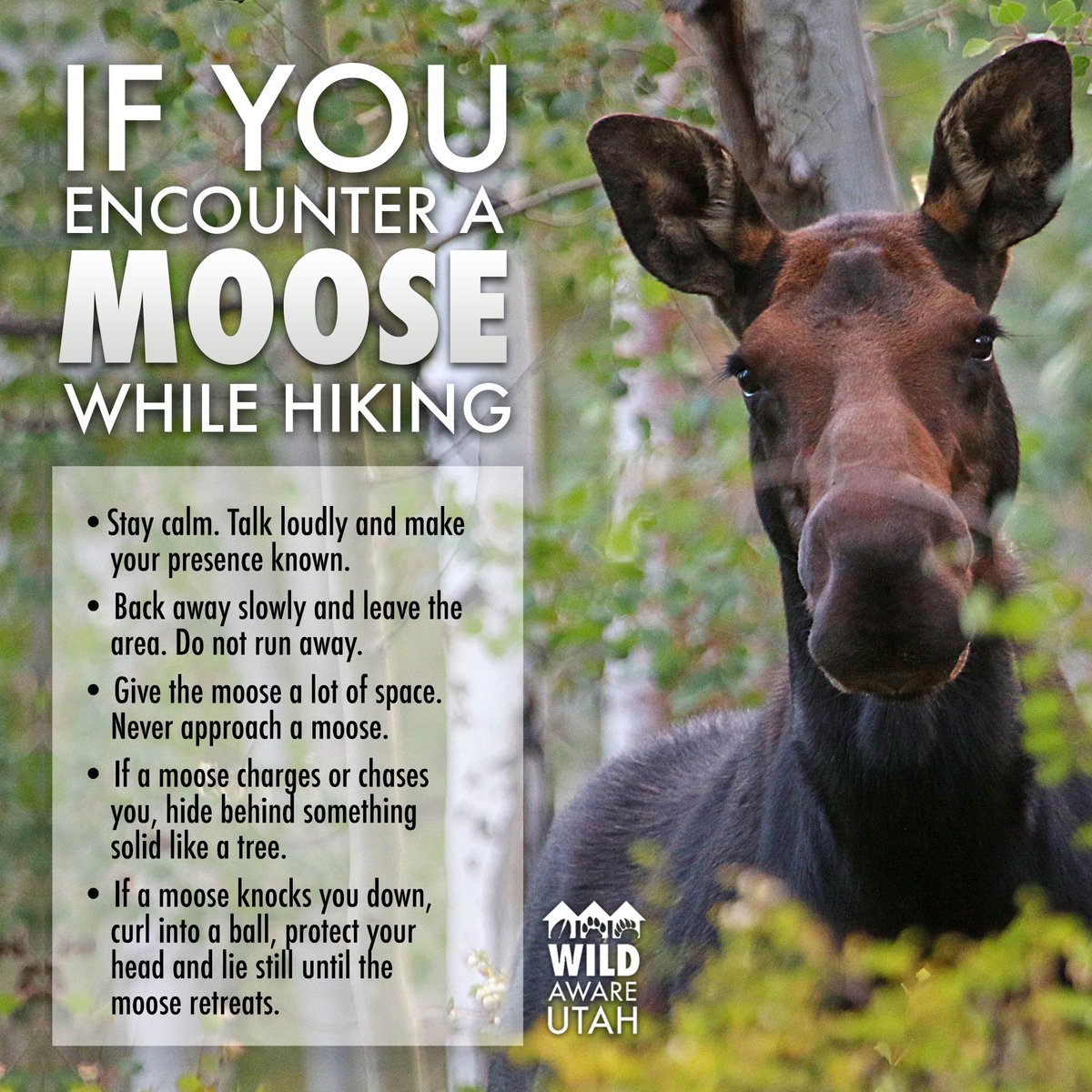
Credit: x.com
Know When To Back Away
Knowing when to back away from a moose is very important for your safety. Moose can be calm one moment and aggressive the next. Signs like raised hair, stomping feet, or a lowered head mean the moose feels threatened. Backing away helps avoid a dangerous encounter without startling the animal. Stay calm and move carefully to keep both you and the moose safe.
Slow Retreat Techniques
Step back slowly without turning your back on the moose. Sudden moves can scare the animal. Keep your body facing the moose while moving away. Use small, quiet steps to avoid drawing attention. Stop if the moose watches you closely. Wait until it relaxes before continuing your retreat. Moving slowly shows you are not a threat.
Avoiding Eye Contact
Do not stare directly at the moose’s eyes. Direct eye contact can seem like a challenge. Look at the moose’s body or feet instead. Keep your head slightly lowered and eyes soft. This helps the moose feel less threatened. Avoid sudden head movements or quick glances. Calm, gentle looks help keep the situation peaceful.
What To Do If Charged
Moose can be very dangerous when they charge. Knowing what to do can save your life. Stay calm and act fast. Do not run straight away. Moose run fast and can catch you easily. Use the environment around you to protect yourself.
Using Obstacles
Find trees, rocks, or large bushes between you and the moose. These obstacles can slow or stop the animal. Run around them to keep distance. Climbing a tree may help if it is low and easy to climb. Moose avoid thick bushes, so use them to hide. Move quickly but carefully to avoid falling.
Protecting Yourself
Cover your head and neck with your arms. These areas are most vulnerable. Curl into a ball if you fall down. Stay as still and quiet as possible. Avoid eye contact with the moose; this can make it angrier. Use any object like a backpack to shield yourself. Remember, moose attack to defend, not to hunt.
Preventing Encounters
Preventing encounters with moose while hiking helps keep you safe. Moose are large and can be unpredictable if surprised. Taking simple steps lowers the chance of an unexpected meeting. Stay aware of your surroundings and respect wildlife spaces. These habits protect both you and the moose during your hike.
Making Noise While Hiking
Make noise to alert moose of your presence. Talk, sing, or clap your hands regularly. Moose usually avoid humans if they hear them coming. Quiet hikers risk surprising a moose at close range. Noise helps moose move away before you get too close.
Avoiding Moose Habitats
Learn where moose live before you hike. They like wetlands, forests, and areas with lots of plants. Avoid these spots, especially during dawn and dusk. Moose are more active at these times. Stick to open trails and stay on marked paths. This lowers the chance of running into a moose.
Emergency Steps After An Encounter
Encountering a moose while hiking can be frightening. Knowing what to do after this event can keep you safe. Quick and calm actions help prevent further harm. Follow these steps carefully after a moose encounter.
Seeking Medical Help
Check yourself for injuries immediately. Even small wounds need attention. Clean cuts and scrapes with water if possible. Stop any bleeding by pressing firmly. Call emergency services if injuries are serious. Do not try to move if you feel very hurt. Wait for help in a safe spot. Tell rescuers about the moose encounter. This information helps them prepare better.
Reporting The Incident
Report the encounter to park rangers or local authorities. Give clear details about where and when it happened. Describe the moose’s behavior during the encounter. Reporting helps protect other hikers. Authorities may increase warnings or patrols. It also aids wildlife experts in tracking animal patterns. Stay calm and speak clearly when reporting. Your report can prevent future accidents.
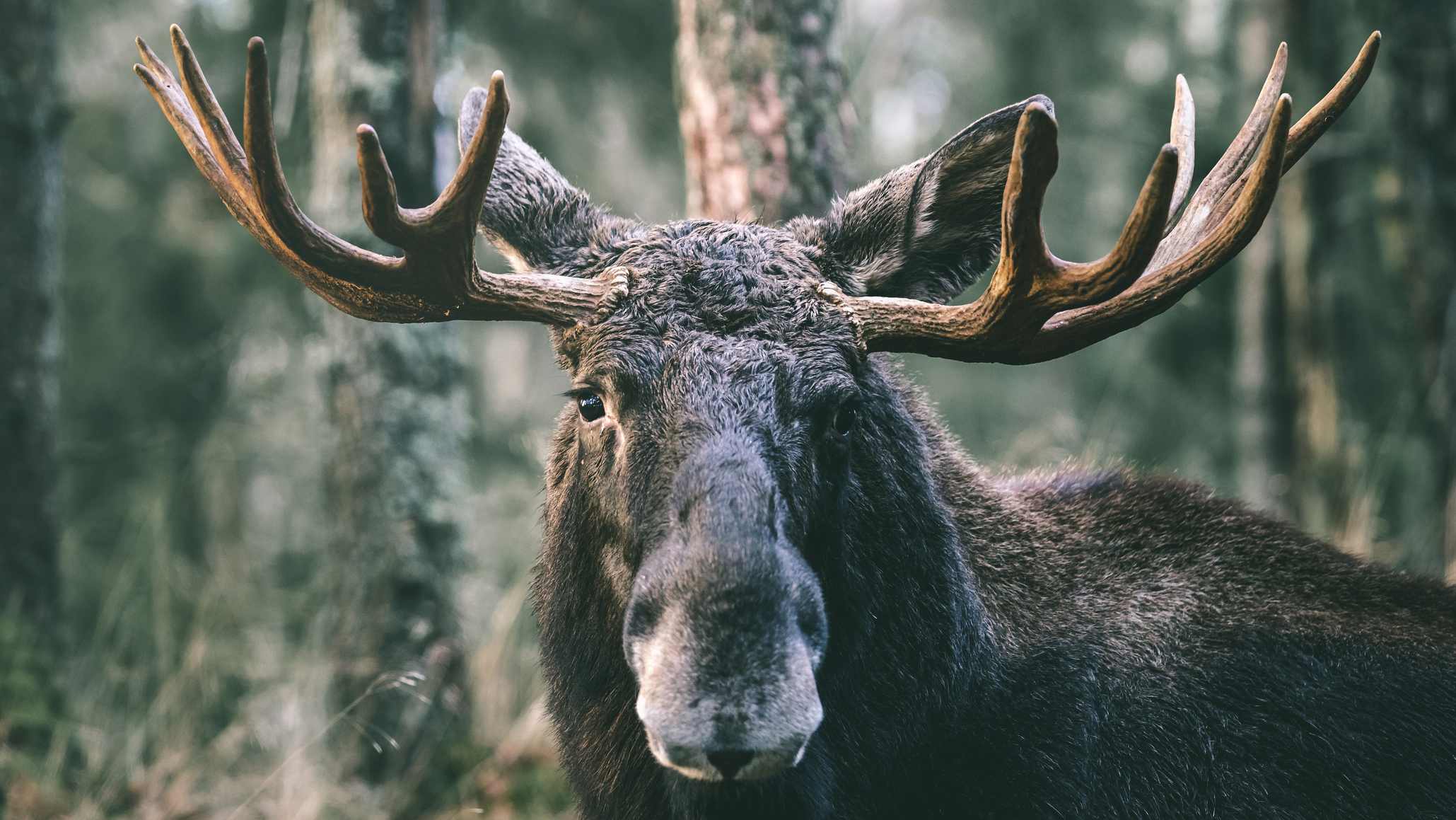
Credit: www.advnture.com
Frequently Asked Questions
What Should I Do If A Moose Approaches While Hiking?
Stay calm and avoid sudden movements. Slowly back away without turning your back. Keep your distance and do not provoke the moose.
How Can I Identify An Aggressive Moose?
Look for signs like raised hair, stomping feet, or lowered head. These indicate the moose feels threatened and may charge.
Is It Safe To Take Photos Of Moose While Hiking?
Keep a safe distance and use zoom lenses. Never get too close or disturb the moose to get a better shot.
What Areas Are Moose Most Commonly Found While Hiking?
Moose prefer forests, wetlands, and near water sources. They are common in northern regions and mountainous hiking trails.
Conclusion
Seeing a moose while hiking can feel scary and exciting. Stay calm and keep your distance. Never try to feed or touch the animal. Watch its body language to know if it feels threatened. Slowly move away if the moose shows signs of anger.
Always respect wildlife and their space. Being careful helps you stay safe and enjoy nature. Remember, moose are wild and unpredictable. Respect makes the hike better for you and the animal. Stay alert and enjoy your outdoor adventure.
