
Imagine you’re hiking through a quiet trail, enjoying the fresh air, when suddenly you spot a snake right in your path. Your heart races, and you freeze, unsure of what to do next.
Encountering a snake can be scary, but knowing how to react calmly and safely can make all the difference. You’ll discover simple, effective steps to protect yourself and keep your hike safe. Keep reading to learn exactly what to do if you encounter a snake while hiking—your safety depends on it.

Credit: hilltoppacks.com
Stay Calm And Still
Encountering a snake on a hiking trail can be scary. Staying calm and still is the best way to stay safe. Sudden moves can startle the snake and increase danger. Keeping your body steady helps the snake see you as no threat. This calm approach often encourages the snake to move away on its own.
Avoid Sudden Movements
Move slowly if you need to. Quick actions may provoke the snake. Try not to wave your arms or jump back fast. Stay quiet and breathe evenly. Sudden movements make snakes feel threatened. They may strike to defend themselves.
Assess The Snake’s Behavior
Look at the snake’s position and actions. Is it coiled or relaxed? A coiled snake may be ready to strike. A snake moving away is less dangerous. Watch for rattling or hissing sounds. These warn that the snake feels scared or angry. Stay still until the snake leaves or calms down.
Identify The Snake
Identifying the snake is the first step after spotting one on your hike. It helps you decide how to react. Some snakes are harmless, while others can be dangerous. Noticing key features can keep you safe. Stay calm and observe the snake carefully without moving closer.
Knowing the snake’s appearance aids quick recognition. This knowledge can prevent panic and reduce risk. Focus on simple traits like color and body shape. These clues provide useful information fast.
Look For Distinctive Colors And Patterns
Colors and patterns help tell snakes apart. Many snakes have unique stripes, bands, or spots. Bright colors might signal danger. Some venomous snakes show red, yellow, and black bands. Non-venomous snakes usually have duller colors. Notice if the snake has a single color or mixes. Patterns on the head and body matter too. Take mental notes of these features without touching the snake.
Determine Venomous Vs Non-venomous
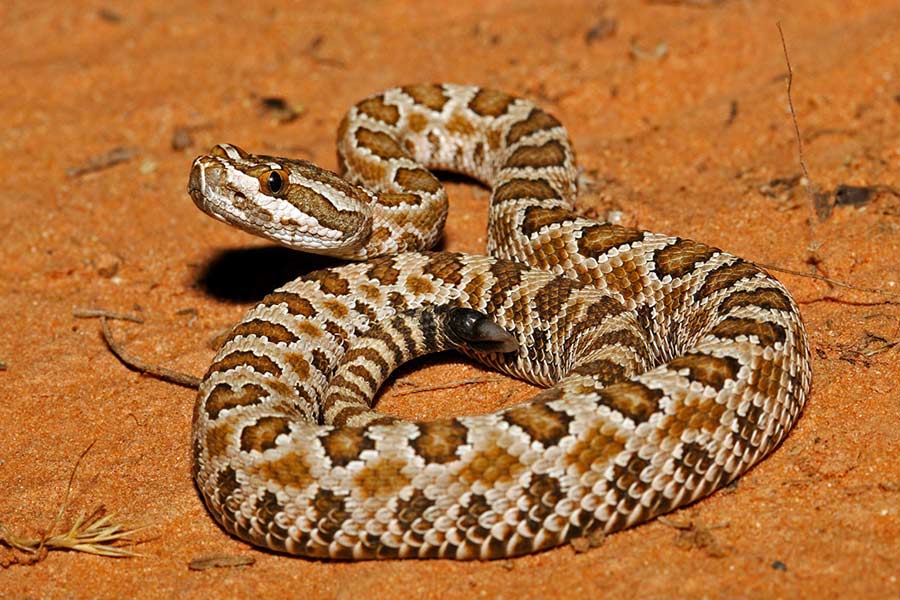
Venomous snakes often have triangular heads. Their pupils may be vertical slits, like cat eyes. Non-venomous snakes typically have round pupils and narrow heads. Watch for rattles on the tail—rattlesnakes use them as warning. Venomous snakes usually stay still and warn before striking. Non-venomous snakes might flee quickly. Avoid close contact until you know the snake’s type. Use this info to stay safe and calm.
Create Distance Safely
Creating distance from a snake is the safest way to avoid danger. Staying calm helps you make smart moves. Quick actions can cause the snake to feel threatened. Move slowly and carefully to keep the snake calm. Keep your eyes on the snake as you move away.
Step Back Slowly
Take small steps backward. Do not turn your back on the snake. Avoid sudden movements that might startle it. Keep your body facing the snake. This shows you are not a threat. Slow steps give the snake time to relax. Stop if the snake moves toward you. Wait for it to calm down before stepping back again.
Choose A Clear Retreat Path
Look around for a safe path to move away. Avoid bushes, tall grass, or rocks where snakes hide. Pick a spot with good visibility. Clear paths help you see other dangers. Move steadily and quietly along this path. Do not rush or run. Running might cause the snake to chase. Stay alert to any sounds or movements nearby.
Avoid Provoking The Snake
Encountering a snake while hiking can be scary. Staying calm and avoiding actions that upset the snake is key. Snakes usually want to stay away from people. Provoking a snake can make it feel threatened and ready to defend itself.
Keeping a safe distance and acting carefully reduces the chance of a bite. Learn how to avoid provoking the snake to stay safe on the trail.
Do Not Attempt To Touch Or Capture
Never try to touch or catch the snake. Snakes bite when they feel trapped or scared. Your hands are close to its defense area. Avoid any sudden moves near the snake. Let the snake move away on its own. Trying to hold or grab it increases danger.
Stay Quiet And Minimize Vibrations
Make no noise and move very slowly. Loud sounds or quick steps can startle the snake. Snakes sense vibrations through the ground. Heavy footsteps may make the snake feel threatened. Stand still and breathe gently. Wait until the snake leaves the area.
Prepare For Emergency
Prepare for emergency situations before hiking in snake-prone areas. Being ready can save lives and reduce panic. Knowing what to carry and who to contact helps you stay calm and act fast.
Carry A First Aid Kit
A first aid kit is essential on every hike. It should have items for snake bites like bandages, antiseptic wipes, and a compression bandage. Keep the kit in an easy-to-reach spot. Check it regularly to ensure supplies are fresh and complete.
Know Emergency Contacts
Write down local emergency numbers and save them on your phone. Include park rangers, nearby hospitals, and rescue teams. Share this information with your hiking group. Quick access to help can make a big difference.
Credit: wildlife.utah.gov
Responding To A Bite
Snake bites can cause serious problems fast. Knowing how to respond right away can save a life. Act quickly and carefully to reduce harm and get help.
Stay Calm And Immobilize The Area
Keep calm to slow the spread of venom. Panic raises heart rate and moves venom faster. Sit down and rest to avoid using the bitten limb.
Keep the bitten area lower than the heart. This slows venom flow toward vital organs. Use a splint or cloth to keep the limb still. Avoid tight bands or tourniquets; they can cause damage.
Remove jewelry or tight clothes near the bite. Swelling may occur and make them painful.
Seek Medical Help Immediately
Call emergency services or get to a hospital fast. Antivenom is the only effective treatment for venomous bites. Do not try to suck out venom or cut the wound.
Provide clear information about the snake if possible. Describe its color, size, and shape to aid treatment. Follow medical advice carefully and avoid home remedies.
Prevent Future Encounters
Preventing future snake encounters is important for safe hiking. You can reduce the chance of meeting a snake by taking simple steps. These steps also help you stay calm and avoid accidents on the trail.
Wearing the right clothing and choosing the right path can make a big difference. These habits keep you safer and more comfortable during your hike.
Wear Protective Clothing
Wear long pants made of thick material. This helps protect your legs from snake bites. Boots that cover your ankles add extra safety. Avoid sandals or open shoes on the trail. Bright colors help you stay visible to others. Tuck your pants into your boots to block snakes from crawling inside.
Stick To Clear Trails
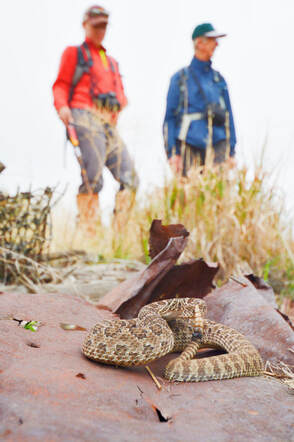
Stay on well-marked paths to avoid hidden snakes. Snakes like tall grass and piles of leaves. Walking in clear areas reduces surprise encounters. Avoid stepping over logs or rocks without looking first. Use a walking stick to move plants aside. This warns snakes of your presence and gives them time to move away.
Credit: www.adaptationenvironmental.com
Frequently Asked Questions
What Should I Do If I See A Snake While Hiking?
Stay calm and do not approach the snake. Slowly back away and give it space to move away. Avoid sudden movements to prevent startling the snake.
How Can I Identify Venomous Snakes On Trails?
Look for triangular heads, elliptical pupils, and bright colors. Research local snake species before hiking to recognize dangerous ones. When unsure, keep a safe distance from any snake.
Is It Safe To Walk Past A Snake On The Trail?
Yes, if the snake is not aggressive and you maintain distance. Give the snake room to escape and avoid provoking it. Move slowly and quietly to minimize risk.
What Should I Do If Bitten By A Snake While Hiking?
Seek immediate medical attention and call emergency services. Keep the bitten area immobilized and avoid applying ice or tourniquets. Do not try to suck out venom or cut the wound.
Conclusion
Encountering a snake while hiking can be scary but stay calm. Step back slowly and give the snake space to move away. Do not try to touch or catch it. Keep your eyes on the snake until it leaves. Remember, most snakes want to avoid people too.
Knowing these steps helps keep you safe outdoors. Stay aware and respect wildlife during every hike. Safety comes first—always.
