
Imagine you’re hiking through your favorite trail when dark clouds suddenly roll in. The sky rumbles, and flashes of lightning streak across the horizon.
What do you do next? Lightning storms can turn a peaceful hike into a dangerous situation fast. Knowing how to stay safe when lightning strikes nearby isn’t just helpful—it could save your life. You’ll learn clear, simple steps to protect yourself and your group if you ever find yourself caught in a lightning storm while hiking.
Keep reading to stay safe and confident on your next adventure.
Recognize Lightning Storm Signs
Recognizing signs of a lightning storm early can save your life while hiking. Storms can come fast and without clear warning. Knowing what to watch for helps you act quickly. Spotting these signs lets you find safety before the storm hits.
Early Weather Indicators
The sky may darken suddenly, even if it was clear before. Winds can pick up and feel cooler. You might see small, fast-moving clouds gathering. These changes often happen 10 to 30 minutes before a storm. Pay attention to sudden drops in temperature.
Cloud And Sky Changes
Look for tall, dark clouds called cumulonimbus. They often have flat tops and look heavy. Sometimes you see bright flashes inside clouds. The sky can turn greenish or yellowish. These color changes often signal hail or lightning soon.
Sounds And Smells To Notice
Thunder is the most obvious sound to hear. It may start as a low rumble and get louder. Listen closely for crackling or popping noises from the sky. You might smell ozone, a sharp, fresh scent in the air. These sounds and smells mean lightning is near.
Immediate Actions During A Storm
Lightning storms can start fast and without warning. Taking quick action is key to staying safe. Knowing what to do immediately can protect you from serious harm. Stay calm and follow these steps carefully.
Finding Safe Shelter
Look for a sturdy building or a hard-topped vehicle. Avoid small shelters like tents or open sheds. Trees are dangerous because lightning often strikes tall objects. If no shelter is nearby, find a low spot away from hills.
Avoiding High-risk Areas
Stay away from open fields, ridges, and hilltops. These places attract lightning strikes. Do not stand near tall isolated trees or metal objects. Keep clear of water bodies like lakes or streams. Lightning can travel far through water.
Minimizing Contact With Ground
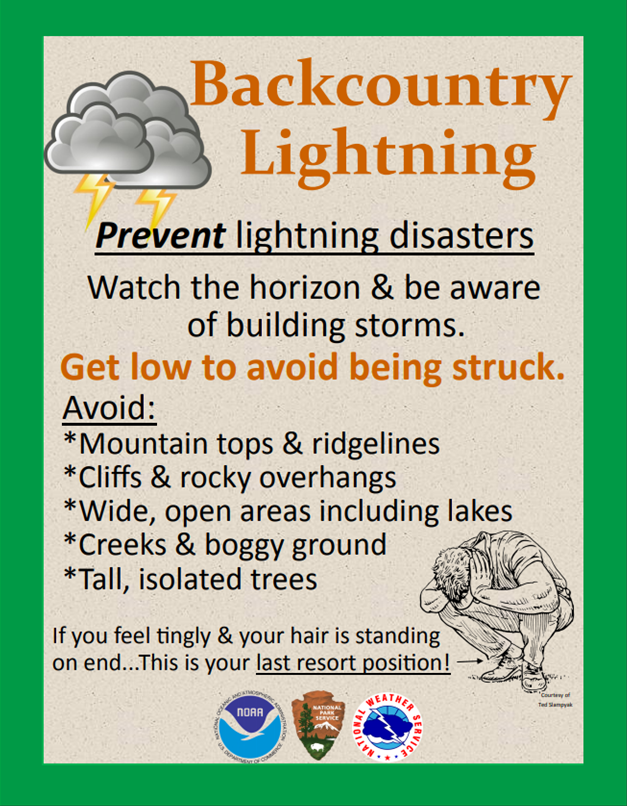
If caught outside with no shelter, crouch down low. Keep your feet together and place your hands on your knees. Do not lie flat on the ground. This position reduces the chance of a lightning strike passing through your body.
Safe Positions To Take
Knowing the safest positions during a lightning storm can save your life. Lightning strikes can be deadly, especially in open or risky areas. Taking the right position reduces the chance of injury. Stay calm and follow these simple steps to protect yourself.
Crouching Techniques
Crouch down with your feet close together. Keep your hands on your knees for balance. Do not lie flat on the ground. This position lowers your height and limits contact with the earth. Stay still and avoid touching metal objects. It helps reduce the risk of a lightning strike.
Avoiding Tall Objects
Do not stand near tall trees or poles. Lightning targets the tallest points in an area. Stay away from isolated tall objects. Find a low spot but avoid valleys or ditches that can collect water. Being near tall objects increases your chance of getting struck.
Distance From Water
Move away from lakes, rivers, and streams. Water conducts electricity and increases danger. Avoid wet rocks and mud. Stay on dry, higher ground. Keeping distance from water reduces the risk of shock from lightning strikes nearby.
Credit: www.nps.gov
Gear And Clothing Tips
Hiking during a lightning storm is dangerous. Proper gear and clothing can protect you. Choosing the right items makes a big difference in your safety and comfort.
Focus on carrying safety tools, wearing the right clothes, and using your equipment carefully. These steps help reduce risks and keep you prepared.
What To Carry For Safety
Always carry a first aid kit with lightning-specific items. A whistle can signal for help if needed. A lightweight emergency blanket protects against cold after a storm. Bring a fully charged phone or GPS device for navigation and emergency calls. Avoid metal tools that attract lightning, but keep a flashlight handy for low visibility.
Clothing Choices For Storms
Wear moisture-wicking clothes to stay dry. Avoid cotton, which holds water and chills you. Use synthetic or wool layers to keep warm and dry. Choose a waterproof, breathable jacket to block rain and wind. Avoid metal buttons or zippers that attract lightning. Wear sturdy, non-metal boots for good grip and protection.
Using Equipment Wisely
Keep trekking poles and metal gear inside your pack during storms. Use non-metal hiking sticks if possible. Avoid holding or raising metal objects. Secure your backpack tightly to prevent shifting. Stay low and away from tall objects while using gear. Turn off electronic devices to reduce electric shock risk.
After The Lightning Passes
After the lightning passes, staying calm is key. The storm may seem over, but risks remain. Knowing what to do next helps keep everyone safe. Take time to check your surroundings and group. Focus on clear steps to move forward safely.
Assessing Injuries
Check yourself and others for injuries immediately. Look for burns, cuts, or signs of shock. Lightning strikes can cause hidden problems like confusion or numbness. Help anyone who needs medical attention right away. Call for emergency help if possible. Keep injured people still and warm while waiting.
Navigating Back To Safety
Find the safest path back to shelter or your car. Avoid open fields and tall isolated trees. Stick to lower ground if you can. Use a map or GPS to guide you. Walk carefully to avoid slipping on wet rocks or mud. Stay together as a group to avoid getting lost.
When To Resume Hiking
Wait until the storm is fully gone before hiking again. Look for clear skies and no thunder for 30 minutes. Check weather updates if you have a device. If the storm returns, stop and find shelter immediately. Only continue if you feel safe and alert. Protect yourself by moving slowly and watching your steps.

Credit: junglebosstours.com
Preventive Measures For Future Hikes
Preventive measures help keep you safe during future hikes in lightning storms. Preparation reduces risks and makes your trip more enjoyable. Simple steps can make a big difference in your safety. Planning ahead is key to avoiding danger.
Planning Routes With Weather In Mind
Choose hiking routes that avoid open fields and high peaks. Stick to trails near lower ground or forested areas. Avoid ridges and exposed areas during storm season. Know where safe shelters are along your route. This helps you reach safety quickly if needed.
Checking Forecasts Regularly
Check weather reports before and during your hike. Use reliable apps or websites for updates. Watch for signs of approaching storms like dark clouds or wind changes. Stop hiking if the forecast shows thunderstorms. Being aware helps you avoid dangerous situations early.
Emergency Preparedness Kits
Carry a small kit with essentials for emergencies. Include items like a flashlight, whistle, first aid supplies, and a space blanket. Add a fully charged phone or portable charger. A map and compass are useful if technology fails. Preparedness can save your life during a storm.
Credit: americanhiking.org
Frequently Asked Questions
What Is The Safest Action During A Lightning Storm While Hiking?
The safest action is to stop hiking immediately and seek low ground. Avoid tall trees and open fields. Crouch down with feet together to minimize contact with the ground. Stay away from water and metal objects until the storm passes.
How Can I Identify A Lightning Storm Approaching?
Look for dark, towering clouds and flashes of lightning. Listen for thunder, which usually follows lightning by seconds. If you hear thunder within 30 seconds, the storm is close. Prepare to find shelter immediately as lightning can strike from miles away.
Where Should I Find Shelter During A Lightning Storm Hiking?
Seek a fully enclosed building or a metal-topped vehicle for safety. Avoid isolated trees, rock outcrops, and open spaces. If no shelter is available, find a low area away from water and tall objects to reduce lightning risk.
Can I Continue Hiking If Thunder Is Distant?
No, it’s unsafe to continue hiking if thunder is heard. Lightning can strike far from the storm’s center. Always wait at least 30 minutes after the last thunderclap before resuming hiking. Prioritize safety over progress.
Conclusion
Lightning storms can be very dangerous while hiking. Always watch the sky and listen for thunder. Find low ground away from tall trees or metal objects. Stay calm and keep your body low. Avoid open fields or ridges where you feel exposed.
Carry a whistle or phone to call for help if needed. Planning and quick action can keep you safe. Respect nature and never take risks during storms. Your safety is the most important thing on any hike. Stay alert and prepared to protect yourself.
