
Few places on earth feel as dramatic as Death Valley. Its name alone suggests heat and danger, but this national park is also full of beauty, adventure, and surprises. If you plan to camp in Death Valley, picking the right time is more than a detail—it’s the difference between a magical experience and a tough struggle. Let’s explore the best times to camp, what you should expect, and insider tips to help you plan wisely.
Why Timing Matters For Death Valley Camping
Camping in Death Valley is not like camping in most parks. The valley is famous for extreme heat, with summer temperatures often reaching over 120°F (49°C). This isn’t just uncomfortable—it can be unsafe. But Death Valley is also stunning, with colorful rocks, sand dunes, and star-filled skies. Understanding the climate is key to enjoying your trip.
Temperature And Climate
Death Valley has a unique climate. It’s the hottest, driest, and lowest national park in the United States. Here’s a quick look at average temperatures throughout the year:
| Month | Average High (°F) | Average Low (°F) |
|---|---|---|
| January | 67 | 40 |
| April | 90 | 62 |
| July | 116 | 88 |
| October | 93 | 64 |
As you can see, summer is incredibly hot. Even at night, temperatures can stay above 85°F (29°C). Winter and spring are much cooler, making them better for camping.
Rainfall And Wind
Rain is rare in Death Valley, with less than 2 inches per year. But when it does rain, it can cause flash floods. Wind is common, especially in spring, and can create dust storms. These conditions can affect camping and hiking plans.
Best Months To Camp In Death Valley
The right season makes all the difference. Here’s a closer look at each part of the year:
Winter (december To February)
Winter is the top choice for most campers. Temperatures are mild, daytime highs are between 65–72°F (18–22°C), and nights are chilly but not freezing. The air feels fresh, and the sun is gentle. Campsites are more crowded because this is peak season, but it’s worth it.
Benefits of winter camping:
- Safe temperatures for hiking and sleeping
- Beautiful, clear skies for stargazing
- Less risk of heat-related illness
Things to note: Nights can drop to 40°F (4°C), so bring warm sleeping gear. Some facilities may close during holidays.
Spring (march To Early May)
Spring brings warmer days and a chance to see wildflowers after rare rains. Highs reach 80–100°F (27–38°C), but nights stay comfortable. Many campers love this season because it balances warmth and beauty.
Spring highlights:
- Possible wildflower blooms (especially after wet winters)
- Longer daylight for exploring
- Good conditions for photography
Insider tip: Wildflowers are not guaranteed every year. Check park updates before your trip.
Fall (late October To November)
Fall is quieter but still pleasant. Temperatures drop from the summer peak, with highs from 80–95°F (27–35°C). Nights are cool. The air is dry, and the crowds are smaller.
Fall perks:
- Less competition for campsites
- Easier to find solitude
- Good for hiking and sightseeing
Common mistake: Some visitors think September is fall, but it’s still very hot. Wait until late October.
Summer (june To September)
Most experts strongly advise against summer camping in Death Valley. The heat is dangerous. Even experienced campers can struggle. Park rangers often warn visitors.
Summer risks:
- Daytime highs over 115°F (46°C)
- Heatstroke risk is high
- Limited shade and water
If you must visit in summer, stay in air-conditioned lodges and avoid midday outdoor activities. Camping is not recommended.
Comparing Death Valley To Other National Parks
Death Valley’s climate is unique. Many campers are surprised by how different it feels compared to parks like Yosemite or Grand Canyon. Here’s a quick comparison:
| Park | Summer High (°F) | Winter Low (°F) | Rainfall (in/year) |
|---|---|---|---|
| Death Valley | 120+ | 40 | 2 |
| Yosemite | 85 | 25 | 37 |
| Grand Canyon | 90 | 20 | 16 |
Notice how Death Valley’s heat and dryness are unmatched. Planning for this climate is critical.
Popular Campgrounds And Their Seasonal Differences
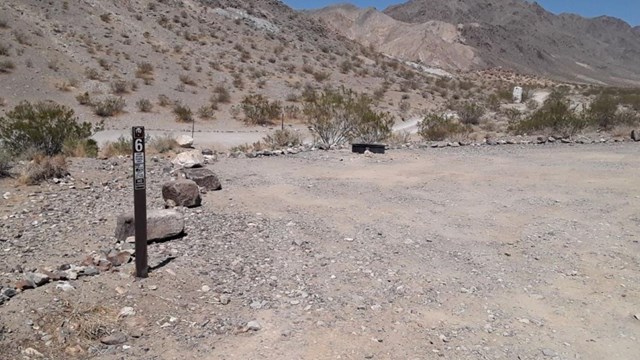
Death Valley has a mix of campgrounds. Not all are open year-round, and some are better for certain seasons.
Furnace Creek
Furnace Creek is the most popular campground. It has water, shade, and is open all year. In winter and spring, sites fill quickly. In summer, it’s nearly empty due to heat.
Texas Springs
Texas Springs is open from fall to spring. It’s higher up, so nights are cooler. No hookups, but good facilities.
Mesquite Spring
Mesquite Spring is quieter and open all year. Good for those seeking peace. Best in winter or early spring.
Emigrant
Emigrant is free and has fewer amenities. It’s best for experienced campers, especially in cooler months.
| Campground | Best Season | Facilities | Notes |
|---|---|---|---|
| Furnace Creek | Winter/Spring | Water, shade, hookups | Most popular |
| Texas Springs | Fall/Spring | Flush toilets, no hookups | Cooler nights |
| Mesquite Spring | Winter | Water, quiet | Remote |
| Emigrant | Winter | Vault toilets | Free, basic |
What To Expect Each Season
It’s not just the weather that changes—your camping experience varies a lot between seasons.
Winter
Expect mild days and chilly nights. Trails are open, wildlife is active, and skies are clear. Crowds are larger, so book early.
Spring
Warmer days, possible wildflowers, and longer daylight. Wind can be strong, so secure your tent well.
Fall
Quiet, with comfortable temperatures. Some trails may close after summer heat, so check conditions.
Summer
Extreme heat limits activities. Only a few campgrounds may be open. Wildlife hides, and hiking is unsafe.
Essential Tips For Camping In Death Valley
Even in the best season, Death Valley needs special preparation. Here are practical tips:
- Hydrate constantly: Bring at least 1 gallon of water per person per day.
- Sun protection: Use hats, sunscreen, and sunglasses.
- Layer clothing: Temperatures change quickly, especially at night.
- Check weather updates: Sudden changes, like wind or flash floods, can happen.
- Reserve campsites early: Peak seasons fill up fast.
- Bring extra shade: Trees are rare, so portable shade helps.
- Avoid hiking midday: Best times are early morning or late afternoon.
- Know your limits: Don’t push yourself in unfamiliar conditions.
- Watch for wildlife: Coyotes and snakes are active, especially at dawn and dusk.
Two Non-obvious Insights For Death Valley Camping
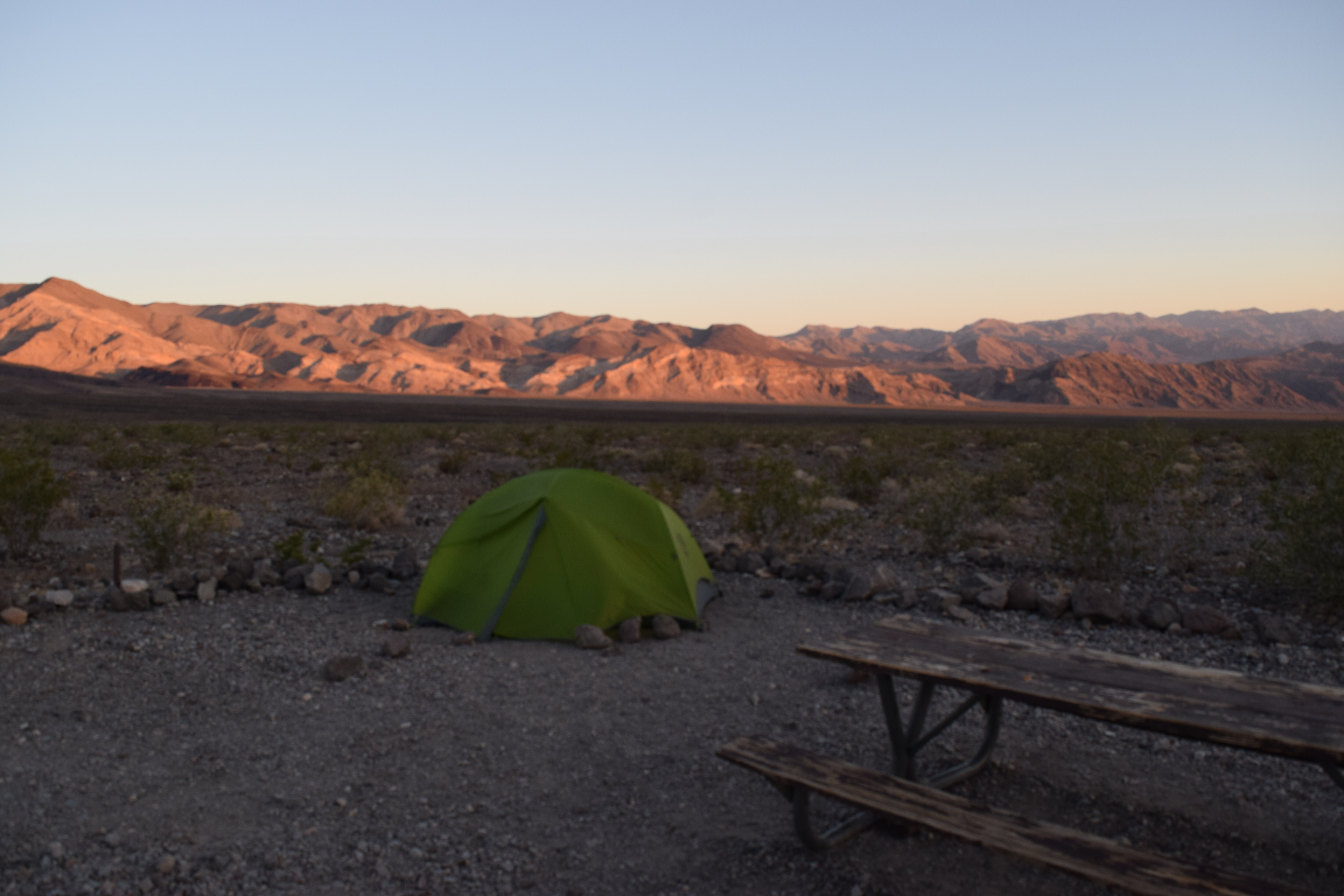
- Elevation matters: Higher elevation campsites are cooler, especially at night. Many beginners overlook this and pick the lowest sites, which stay warmer and less comfortable.
- Moon phase affects stargazing: Death Valley is famous for its dark skies. If you want the best stars, avoid camping during a full moon. Check moon calendars before you book your trip.
Best Time For Special Activities
Camping isn’t just sleeping outdoors. Some activities are better in certain seasons.
Stargazing
Winter and spring offer clear skies. The Milky Way is visible from February to May. Avoid full moon nights.
Photography
Sunrise and sunset are stunning year-round, but winter and spring have softer light and less haze.
Hiking
Cooler months are safest. Avoid long hikes in late spring or early fall afternoons.
Wildflower Viewing
Wildflowers bloom after rare winter rains. March and April are best, but check park updates for bloom predictions.
Mistakes To Avoid When Planning Your Trip
- Underestimating the heat: Many visitors think they can handle it, but Death Valley’s heat is serious.
- Ignoring weather alerts: Flash floods and wind can ruin plans.
- Not reserving early: Popular campgrounds fill fast in peak season.
- Bringing too little water: Dehydration is a common problem.
How To Stay Safe
Safety is always first in Death Valley. Here’s what you need to remember:
- Always tell someone your plans.
- Carry a map—cell service is unreliable.
- Watch for signs of heat illness: Headache, nausea, confusion.
- Seek shade during the hottest hours.
- Respect wildlife and keep a distance.
For more official safety tips and park updates, check the National Park Service website.
Frequently Asked Questions
What Is The Safest Month To Camp In Death Valley?
January and February are safest. Temperatures are mild and crowds are manageable. Nights are cool, but not freezing.
Can I Camp In Death Valley During The Summer?
Camping in summer is not recommended. The extreme heat can cause serious health risks, even for experienced campers.
Do I Need A Camping Permit?
Most campgrounds do not require permits, but some backcountry sites do. Always check the official park website for the latest rules.
Are Pets Allowed In Death Valley Campgrounds?
Pets are allowed in campgrounds but must be kept on a leash. They cannot go on most trails due to safety concerns.
Is It Possible To See Wildflowers Every Spring?
Wildflowers bloom only after wet winters, and some years see none at all. Check the park’s bloom reports before planning your trip.
Camping in Death Valley is an experience you won’t forget, but only if you pick the right time. Winter and early spring are the best choices for safety, comfort, and adventure. Plan ahead, watch the weather, and prepare for the unique challenges of this amazing landscape.
With smart timing, Death Valley can become one of your favorite camping memories.
