
Florida offers camping experiences unlike any other state. Picture waking up to birds singing, palm trees swaying, and the gentle warmth of the sun. But the reality is, Florida’s climate can change fast. Rain, heat, bugs, and storms can turn a dream camping trip into a challenge. Choosing the best time to camp in Florida is not just about comfort—it’s about safety, enjoyment, and making the most of the state’s wild beauty. Let’s explore how Florida’s seasons affect camping, which months bring the most pleasant weather, and what to expect at different times of year.
Florida’s Climate: What Campers Need To Know
Florida is known for its humid subtropical climate in the north and central regions, and tropical climate in the south. Summers are hot, muggy, and wet. Winters are mild and dry. But these broad labels hide important details.
- Summer (June–September): Highs often reach 90–95°F (32–35°C), humidity stays above 70%, and thunderstorms are common. Mosquitoes thrive, especially in marshy areas.
- Winter (December–February): Daytime highs average 65–75°F (18–24°C), nights can dip to 40–55°F (4–13°C) in the north. Rainfall is low, skies are clear, and bugs are fewer.
- Shoulder Seasons (March–May, October–November): Temperatures are moderate, humidity lowers, and crowds are smaller. These months often offer the best mix of comfort and activity.
Florida’s climate is not uniform. The panhandle sees cooler winters and more spring storms. The Keys enjoy warmer winters and less rain. Inland areas may get hotter than coastal spots.
Comparing Florida’s Camping Seasons
Let’s look at the main camping seasons side-by-side to help you decide:
| Season | Avg High Temp (°F) | Rainfall (inches/month) | Bug Activity | Crowds |
|---|---|---|---|---|
| Summer | 90–95 | 6–7 | High | High |
| Winter | 65–75 | 2–3 | Low | Medium |
| Spring | 75–85 | 2–4 | Medium | Low |
| Fall | 70–85 | 3–5 | Medium | Low |
Notice how summer brings high temperatures, rain, and bugs, while winter is cooler and drier. Spring and fall offer a balance, but spring can see sudden storms and fall is hurricane season.
Best Months For Camping In Florida
If you’re looking for the best overall camping experience, focus on late fall, winter, and early spring—from November to April. Here’s why:
- Weather Comfort: Days are warm but not hot, nights are cool but rarely cold. Humidity drops, and you can enjoy hiking, fishing, and wildlife watching without sweating all day.
- Fewer Bugs: Mosquitoes and biting insects are less active in cool months. This makes tent camping and campfires much more enjoyable.
- Lower Rainfall: Dry season means you’re less likely to be caught in sudden storms.
- Wildlife Activity: Birds migrate, manatees gather in springs, and alligators sun themselves—great for nature lovers.
Monthly Breakdown
- November: Warm days, cool nights, low rain. Good for northern and central Florida.
- December–February: Mild temperatures, dry air, fewer bugs. Best for most regions, especially the Everglades and coastal areas.
- March–April: Still comfortable, with spring blooms and active wildlife. Some areas may see more tourists during spring break.
Camping In Florida’s Summer: Pros And Cons
While many avoid Florida’s summer, some campers enjoy it for unique reasons:
- Longer Days: More daylight for fishing, boating, and swimming.
- Warm Water: Perfect for beach camping and snorkeling.
- Lush Landscapes: Vegetation is at its peak, and wildflowers bloom.
But you must be prepared for:
- Heat and Humidity: Risk of heat exhaustion. Seek shade and drink plenty of water.
- Heavy Rain and Lightning: Afternoon storms are frequent. Set up tents early and avoid open areas during storms.
- Mosquitoes and No-See-Ums: Wear protective clothing and use repellents.
Summer camping suits those who love water activities and don’t mind crowds. Avoid inland parks during peak heat, and focus on coastal sites where sea breezes help.
Florida Camping By Region
Florida’s regions offer different camping experiences. Here’s a comparison:
| Region | Best Months | Special Considerations |
|---|---|---|
| Panhandle | March–May, October–November | Cooler winters, spring storms |
| Central Florida | November–April | Wildlife viewing, mild winters |
| South Florida | December–March | Warmest winters, high summer humidity |
| Florida Keys | December–April | Minimal rain, best beach camping |
Panhandle campsites can be chilly in winter, while the Keys rarely fall below 60°F. Inland areas see higher summer temperatures, so choose wisely based on your comfort level.
Popular Florida Camping Destinations
Florida has hundreds of campgrounds, from state parks to national forests. Here are a few favorites for each season:
- Winter:
- Everglades National Park (dry, wildlife-rich, fewer bugs)
- Florida Keys (warm, ocean breezes)
- Ocala National Forest (cool air, spring-fed lakes)
- Spring/Fall:
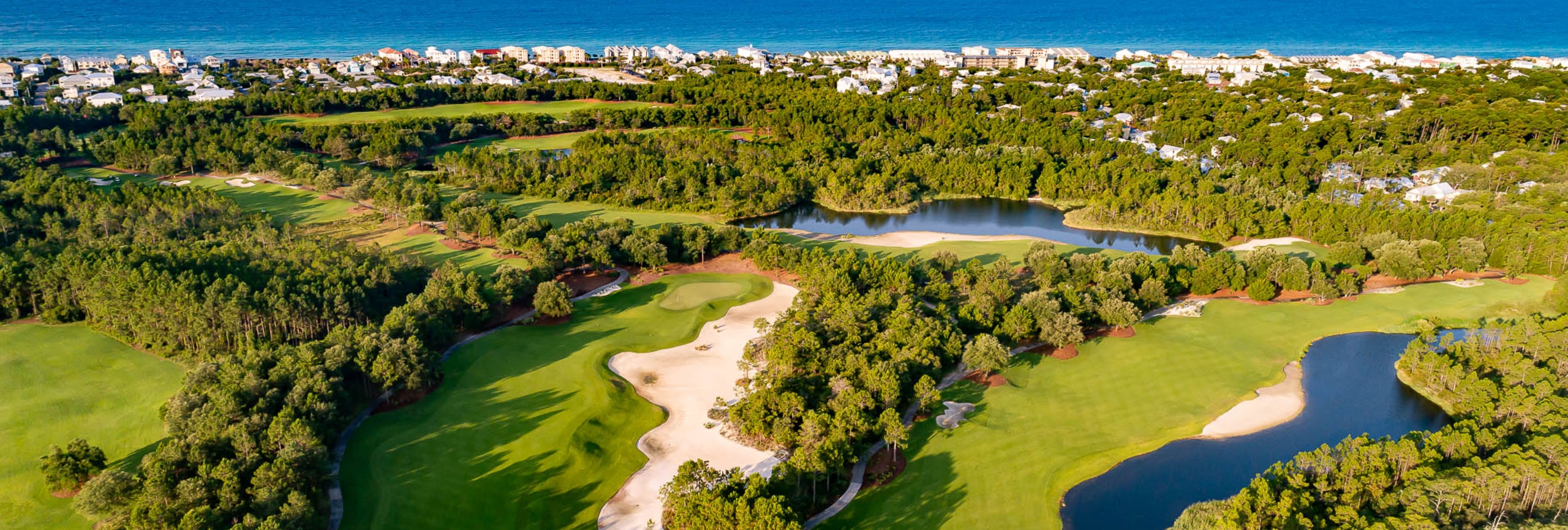
- Grayton Beach State Park (panhandle, white sand beaches)
- Paynes Prairie Preserve (wildlife, wildflowers)
- Myakka River State Park (bird watching, hiking trails)
- Summer:
- Jonathan Dickinson State Park (water activities, coastal breezes)
- Bahia Honda State Park (snorkeling, swimming)
- Anastasia State Park (beach camping, sea breeze)
Booking early is smart, especially in winter when snowbirds and tourists fill sites. Many parks require reservations months ahead.
What About Hurricane Season?
Hurricane season runs from June 1 to November 30. Peak activity is August–October. Camping during hurricane season requires extra caution:
- Check weather forecasts daily.
- Have an evacuation plan.
- Avoid coastal and low-lying campgrounds.
Most state parks will close if a hurricane threatens. If you choose to camp during this time, select inland sites and keep gear ready for quick packing.
Camping Activities And Seasonal Highlights
Florida’s seasons affect more than just the weather—they change the activities and sights you can enjoy.
- Winter: See manatees at springs, watch migratory birds, hike in cool air.
- Spring: Enjoy wildflowers, spot nesting birds, fish for bass and crappie.
- Summer: Swim, snorkel, kayak, and enjoy lush foliage.
- Fall: Experience fewer crowds, mild temperatures, and early bird migrations.
If you want to see specific wildlife or join seasonal festivals, plan your trip around these highlights.
Tips For Choosing The Best Time
Here are practical tips to help you decide when to camp in Florida:
- Think About Your Priorities: Prefer cool nights, fewer bugs, and dry air? Aim for winter. Love water sports? Summer is best.
- Watch the Calendar: Avoid major holidays and spring break for quieter campgrounds.
- Check Local Events: Some parks host festivals, ranger talks, or wildlife tours at specific times.
- Research Campsite Conditions: Some areas flood in heavy rain, others close during fire risk. Always check park alerts.
- Book Early: Popular months fill up fast, especially in the Keys and Everglades.
Common Mistakes Beginners Make
Many new campers get caught by Florida’s surprises. Here are two mistakes you should avoid:
- Underestimating the Bugs: Even in winter, some areas have mosquitoes and sand flies. Pack strong repellent and netting.
- Ignoring the Rain: Florida’s weather changes quickly. Bring waterproof gear and set up tents on high ground.
Another mistake is assuming all Florida campsites are the same. Each region has unique weather, wildlife, and facilities. Research before you go.
Packing For Different Seasons
What you pack can change depending on when you camp.
- Winter: Bring layers, a warm sleeping bag, and gloves for chilly nights.
- Spring/Fall: Pack rain gear, bug spray, and light clothing.
- Summer: Choose moisture-wicking clothes, sun protection, and cooling towels.
Always bring a first aid kit, plenty of water, and a backup power source for emergencies.
Data: Florida’s Camping Demand By Season
To see how popular camping is in Florida each season, look at this data from state park reservations:
| Month | Average Campsite Booking (%) | Peak Demand |
|---|---|---|
| January | 85% | Winter travelers |
| April | 70% | Spring break |
| July | 90% | Summer vacation |
| October | 60% | Fall festivals |
Notice July’s high demand, despite the heat. Many families camp during school breaks. Winter is busy with retirees and tourists.
Florida Camping: Unique Insights
Here are two insights that many beginners miss:
- Wildlife Patterns: Some animals, like manatees and certain birds, are only visible in winter or spring. If wildlife viewing is your goal, plan around these times.
- Nighttime Temperatures: Even in Florida, winter nights can drop to 40°F in the panhandle. Always check local forecasts and pack accordingly.
Recommended Resources
For real-time weather and park updates, visit the Florida State Parks official site. For more details on hurricane safety and seasonal planning, check the National Weather Service.
Frequently Asked Questions
What Is The Best Month To Camp In Florida?
The best month is usually February. It offers mild temperatures, low humidity, fewer bugs, and minimal rain. Campgrounds are busy, so book early.
Are There Bugs In Florida Campsites All Year?
Yes, but their numbers drop in winter. In summer, mosquitoes and sand flies are common, especially near water. Always bring bug spray.
Is Camping Safe During Hurricane Season?
Camping can be risky during hurricane season, especially August–October. Check forecasts, avoid coastal sites, and have a backup plan.
Which Florida Region Is Best For Winter Camping?
The Florida Keys and South Florida offer the warmest winter camping. Nights stay mild, and rain is rare.
Do Florida Campgrounds Stay Open Year-round?
Most campgrounds are open all year, but some may close during storms or for maintenance. Always check park alerts before your trip.
Florida’s camping seasons each offer something special. With smart planning, you’ll find a time that fits your style, avoids crowds, and lets you enjoy Florida’s wild beauty at its best.
