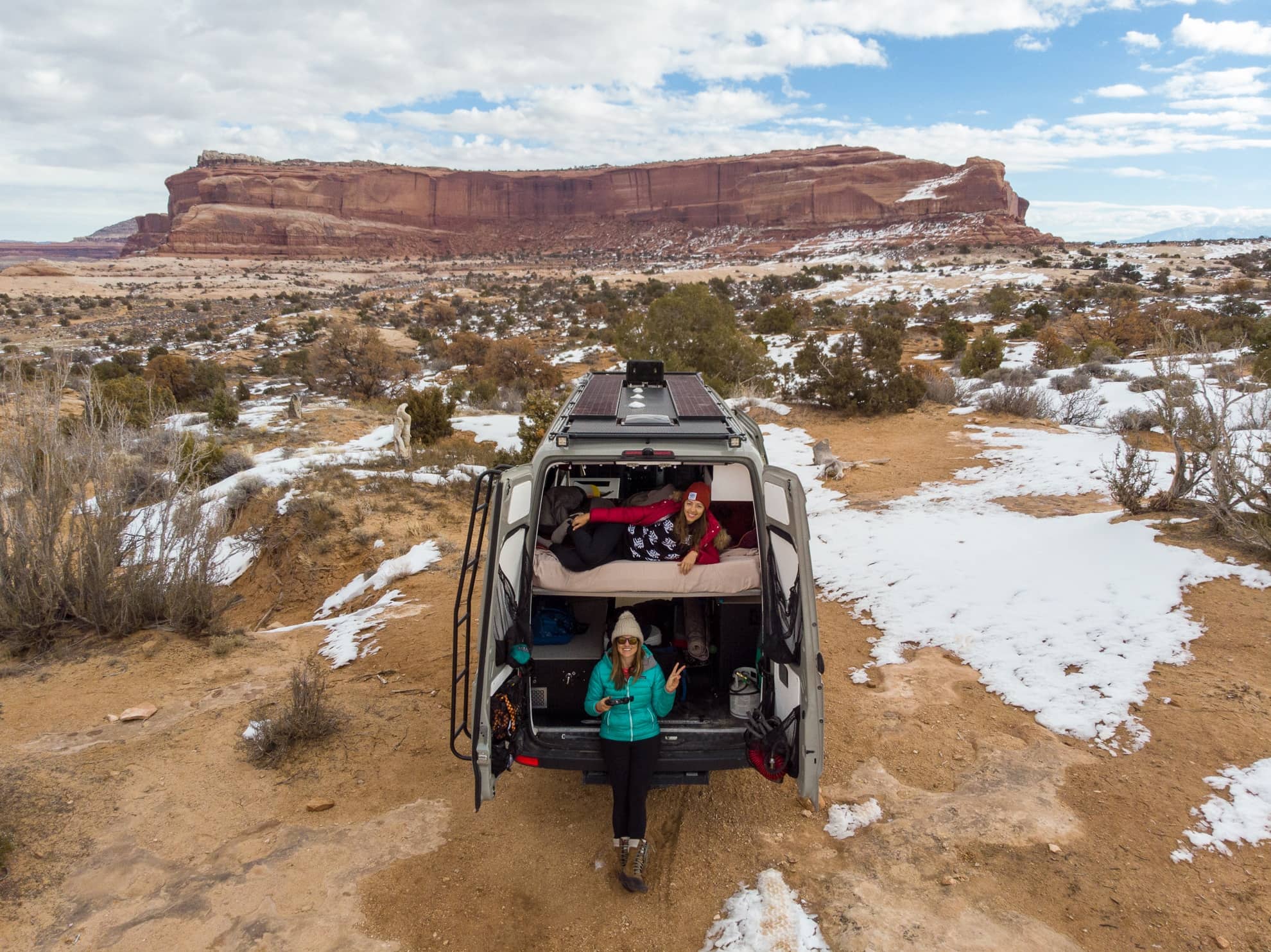
Utah is a dream for campers. With its bright red rocks, tall mountains, and wide, open deserts, the state offers a huge variety of places to explore. But if you want the best camping experience, timing is everything. The weather in Utah can change fast, and conditions can be very different from one part of the state to another.
Let’s dive into when is the best time to camp in Utah, what you should expect in each season, and how to make your trip as comfortable as possible.
Why Timing Matters For Camping In Utah
Utah’s geography is special. You can find high mountain lakes, thick forests, and dry deserts all within a few hours’ drive. This variety means that camping seasons aren’t the same everywhere. For example, while the south might be hot and dry, the north could still have snow in spring.
Choosing the right time matters because:
- Safety: Some areas are dangerous during certain seasons (think flash floods or extreme heat).
- Comfort: Nights can be cold—even in summer—at high elevations.
- Crowds: Peak season means more people, which can change the feeling of your trip.
- Wildlife and scenery: Flowers, fall colors, and animal activity all depend on the time of year.
Missing these details can turn a dream camping trip into a rough experience. That’s why smart planning is key.
Utah’s Main Camping Regions: Weather And Conditions
To make things simple, let’s break Utah into three main regions for camping:
- Northern Utah (Wasatch Mountains, Great Salt Lake area)
- Central Utah (Manti-La Sal Mountains, Fishlake National Forest)
- Southern Utah (Arches, Zion, Bryce Canyon, Canyonlands, Capitol Reef)
These regions have very different climates. Here’s a quick comparison:
| Region | Main Features | Typical Elevation | Best Camping Months |
|---|---|---|---|
| Northern Utah | Mountains, lakes, forests | 4,000–11,000 ft | Late June–Early September |
| Central Utah | High mountains, aspens, remote campsites | 6,000–11,500 ft | Late June–Mid September |
| Southern Utah | Red rock canyons, deserts, national parks | 2,000–8,000 ft | March–May, September–October |
This table shows why there’s no single “best month” for the whole state. You need to match your trip to the region you plan to visit.
Camping In Utah By Season
Spring (march–may)
Spring is a favorite for many campers, especially in the southern part of Utah. The weather is mild, wildflowers bloom, and the crowds are smaller than in summer. However, northern Utah and higher elevations can still be cold and snowy until late May.
Pros:
- Perfect temps in southern Utah (highs 60–80°F)
- Waterfalls and rivers are at their fullest from snowmelt
- Wildflowers in bloom, especially in desert parks
Cons:
- High-elevation campgrounds may be closed
- Sudden rainstorms can cause flash floods, especially in canyons
Non-obvious insight: Many first-timers don’t realize that late March and April can be windy—especially in the desert—which makes tent camping tricky. Always stake your tent well and bring extra guy lines.
Summer (june–august)
Summer means warm weather and long days. This is the peak season for camping in the mountains. However, southern Utah can be dangerously hot, with temperatures often above 100°F.
Pros:
- All mountain roads open
- Cool nights at high elevation
- Accessible lakes and rivers for swimming and fishing
Cons:
- Extreme heat in the southern deserts
- Crowds in national parks and popular campgrounds
- Afternoon thunderstorms (especially in July and August in the mountains)
Practical tip: Always check fire restrictions. Utah often has campfire bans by mid-summer due to wildfire risk.
Fall (september–november)
Fall is one of the best seasons for camping in Utah. Crowds thin out, bugs disappear, and the weather is usually stable. Early fall is best for southern Utah, while late September to mid-October is perfect for the mountains—think golden aspens and crisp air.
Pros:
- Stunning fall colors in the mountains (late Sept–early Oct)
- Mild temps in the south (highs 70–85°F)
- Fewer people
Cons:
- Shorter days
- Some campgrounds close in mid-October as snow begins
Beginner mistake: Many campers forget how cold mountain nights can get in fall—bring a warmer sleeping bag than you think you’ll need.
Winter (december–february)
Winter camping in Utah is possible but only for the well-prepared. High mountains are buried in snow, but southern Utah can offer unique experiences—like quiet red rock landscapes dusted with snow.
Pros:
- Solitude: You’ll have many places to yourself
- Unique scenery: Snow in the desert is magical
Cons:
- Most campgrounds closed
- Cold nights (often below freezing)
- Some roads and trails become impassable
Non-obvious insight: Some southern Utah parks (like Zion) have lower-elevation campgrounds that stay open year-round, but they fill quickly during holidays.
Best Months For Popular Utah Camping Destinations
Let’s look at when to camp in some of Utah’s favorite spots:
| Destination | Best Months | Why |
|---|---|---|
| Zion National Park | March–May, Sept–Oct | Mild temps, fewer crowds |
| Arches & Canyonlands | March–May, Sept–Oct | Comfortable days, cool nights |
| Bryce Canyon | June–Sept | High elevation, avoids snow |
| Uinta Mountains | July–Sept | Full access, wildflowers |
| Lake Powell | April–May, Sept–Oct | Warm water, less heat |
| Capitol Reef | April–June, Sept–Oct | Fruit harvest, great hiking weather |
How To Choose The Best Time For Your Trip
Picking the best time depends on what you want most from your camping trip. Here’s how to decide:
1. Think About Activities
Some activities are only possible (or enjoyable) at certain times.
- Hiking in the desert: March–May, September–October are best
- Mountain biking: Spring and fall in the south, summer in the north
- Fishing & boating: Late May–September for most lakes
- Star-gazing: Summer and fall have the clearest skies
2. Consider The Crowds
National parks like Zion, Arches, and Bryce get very busy in summer. If you want quiet, try:
- Visiting on weekdays
- Choosing less-known state parks or national forests
- Camping in shoulder seasons (spring or fall)
3. Check The Weather
Weather can change fast. Always check the local forecast before you go, and be ready for sudden storms or temperature drops. In Utah, “four seasons in a day” isn’t just a saying!
4. Know The Bugs
Mosquitoes and biting flies are common near lakes and rivers, especially from late June to August. Bring insect repellent and consider a bug net for your tent.
5. Watch For Special Events
Utah hosts many festivals and holidays that can fill campgrounds fast (like Pioneer Day in July or the Moab Jeep Safari in spring). Book early if you plan to camp during these times.
Essential Tips For Camping In Utah
- Reserve early: Popular campgrounds can book out 6 months in advance, especially in national parks.
- Prepare for temperature swings: Utah days can be hot, but nights—even in summer—can be cold, especially above 7,000 feet.
- Pack layers: Bring clothes for both hot days and cold nights.
- Stay hydrated: Utah’s dry air means you lose water fast. Carry more water than you think you’ll need.
- Leave no trace: Utah’s desert soils are very fragile. Always use established campsites and pack out all trash.
Non-obvious tip: In the desert, ants can be a bigger problem than you expect. Keep all food tightly sealed and never eat in your tent.
Common Mistakes To Avoid
- Ignoring elevation: Some campgrounds are over 10,000 feet. This means cold nights and possible altitude sickness.
- Relying only on campfires for warmth: Fire bans are common, and wood is often scarce. Bring a good sleeping bag and insulated pad.
- Forgetting permits: Some areas require camping permits, especially for backcountry sites in national parks.
- Underestimating the sun: Utah’s sun is strong, even on cool days. Wear sunscreen and a hat.
- Not checking road conditions: Dirt roads can wash out after storms or be closed in spring.
How Utah Camping Compares To Neighboring States
If you’ve camped in places like Colorado, Arizona, or Nevada, Utah stands out for its mix of red rock and high mountains. But it’s also unique because many of the best spots are remote, with few services.
Here’s a quick comparison:
| State | Best Camping Season | Unique Challenges |
|---|---|---|
| Utah | Spring, Fall (desert); Summer (mountains) | Extreme temps, fragile soil, sudden storms |
| Colorado | Summer | High elevation, snow into July |
| Arizona | Spring, Fall | Heat, monsoon storms |
| Nevada | Spring, Fall | Remote, limited water |
When Should You Book Your Campsite?
For the most popular parks—like Zion, Arches, and Bryce—book as early as you can. Some campgrounds are first-come, first-served, but even those can fill by mid-morning in peak season. National forest and BLM land often allow dispersed camping, but rules vary.
For more info on booking and regulations, check the official National Park Service Utah page.
Frequently Asked Questions
When Do Most Utah Campgrounds Open And Close?
Most mountain campgrounds open in mid-to-late June and close by late September or early October, depending on snow. Lower-elevation and desert campgrounds may be open year-round.
Is It Safe To Camp In Utah During Summer?
Yes, but summer can bring extreme heat in the south and afternoon thunderstorms in the mountains. Avoid hiking or camping in exposed areas during the hottest part of the day and stay alert for changing weather.
Can You Camp For Free In Utah?
Yes, there’s a lot of free dispersed camping on BLM and national forest lands. Always check local rules, and remember that these sites have no facilities—bring everything you need, including water.
What’s The Best Month For Camping In Utah’s National Parks?
March–May and September–October are usually best for most parks, with mild temperatures and fewer crowds. Bryce Canyon is better in summer due to its higher elevation.
How Cold Does It Get At Night In Utah?
Nights can be chilly, especially in the mountains—even in July, it can drop below 40°F. Desert nights are usually cool but can dip near freezing in spring and fall.
Camping in Utah offers incredible rewards for those who plan well. By choosing the right season for your destination and packing smart, you’ll enjoy stunning scenery, amazing starry nights, and memories that last a lifetime. Don’t rush your planning—Utah’s wild places are worth the extra effort.