
Are you planning a trip to Yellowstone and wondering when the best time to camp is? Choosing the right season can make all the difference in your experience.
You want to avoid crowds, enjoy great weather, and see the park’s amazing wildlife at its best. You’ll discover the perfect time to set up your tent, so your camping trip is comfortable, exciting, and unforgettable. Keep reading to find out how to make the most of your Yellowstone adventure!
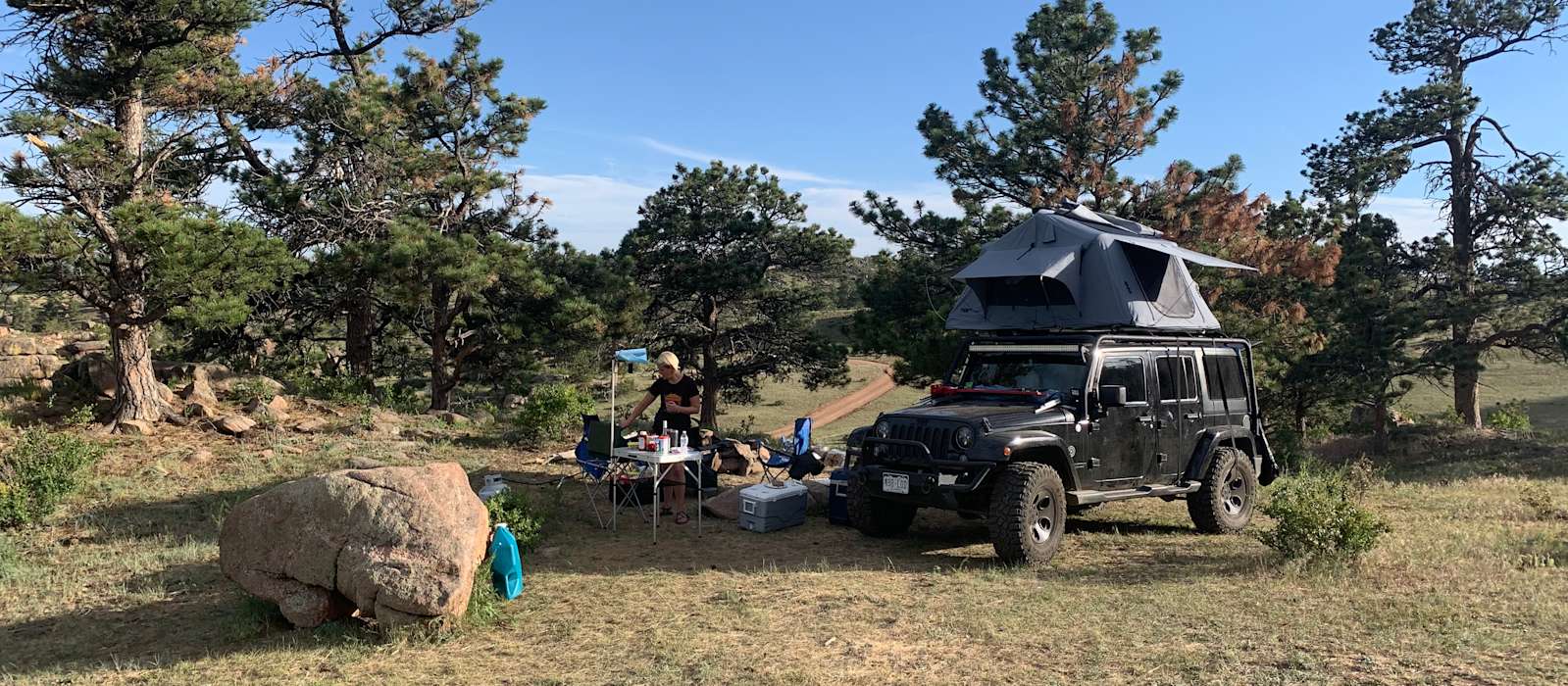
Credit: www.hipcamp.com
Yellowstone Seasons
Yellowstone National Park changes a lot through the year. Each season brings different weather and views. Knowing what to expect helps you plan the best camping trip. The park’s beauty is unique in every season. Wildlife, crowds, and activities vary too. Here is a simple guide to Yellowstone seasons.
Spring
Spring in Yellowstone starts with melting snow and blooming flowers. Days get warmer but nights stay cold. Animals come out after winter, so you might see baby bison or elk. Some roads and campgrounds stay closed until late spring. It is a quiet time with fewer visitors. Great for peaceful camping and wildlife watching.
Summer
Summer is the busiest season in Yellowstone. Warm days and cool nights attract many campers. All park roads and facilities open by June. You can hike, fish, and explore easily. Be ready for crowds and book campgrounds early. Summer offers long daylight hours and many ranger programs. Perfect for active campers who enjoy social settings.
Fall
Fall is colorful with changing leaves and cooler air. Wildlife is very active, preparing for winter. Crowds start to thin out after September. Some campgrounds close mid-fall, so check availability. It is a peaceful time to camp and see the park’s beauty. Ideal for photographers and those who want less busy trails.
Winter
Winter covers Yellowstone with snow and ice. Most roads close, but some areas remain open. Camping is limited and requires special gear. The park is very quiet and calm. Wildlife like wolves and bison stand out against the snow. Great for adventurous campers who enjoy solitude and winter sports.
Weather Patterns
Yellowstone’s weather changes often. It affects camping plans a lot. Knowing the weather helps pick the best time to camp. Weather patterns in Yellowstone are unique. They vary by season and location. Understanding these patterns makes camping safer and more fun.
Temperature Variations
Temperatures in Yellowstone change fast. Summer days can reach 80°F, but nights get cold. Nighttime temperatures often drop below 40°F, even in July. Spring and fall are cooler, with daytime highs in the 50s. Winter is very cold, often below 0°F. Dress in layers to stay warm. Bring warm sleeping bags for cold nights. Temperature swings need careful planning for camping gear.
Precipitation Trends
Rain and snow happen often in Yellowstone. Summer has some rain, mostly afternoon showers. Spring and fall see more rain and early snow. Winter brings heavy snowfall, closing many campgrounds. Wet weather makes trails slippery and camping tricky. Waterproof gear is important for rainy days. Check weather forecasts before camping to avoid storms. Dry days are best for enjoying the park.
Crowd Levels
Crowd levels in Yellowstone vary throughout the year. Knowing when crowds peak helps plan a better camping trip. Crowds affect the availability of campsites and the overall experience. Many visitors prefer quiet times to enjoy nature peacefully.
Peak Tourist Periods
Summer months bring the largest crowds to Yellowstone. July and August are the busiest times. Campgrounds fill up quickly, often weeks in advance. Popular spots like Madison and Grant Village see many visitors. Expect long lines and crowded trails during these months. Wildlife viewing can be harder with many people around. Parking near attractions is also limited in peak periods.
Quiet Times
Spring and fall offer fewer visitors and calmer campgrounds. April, May, September, and October are quieter months. Wildlife is still active, and the weather is cooler. Some facilities may close, but most campgrounds stay open. Early mornings and late evenings are peaceful for hiking. Winter brings the least crowd but limited camping options. Quiet times give a chance to connect deeply with nature.
Wildlife Activity
Wildlife activity in Yellowstone varies a lot throughout the year. The park is home to many animals like bison, elk, bears, and wolves. Each season brings different chances to see these creatures. Knowing when animals are most active can help you plan your camping trip. It also helps keep you safe while enjoying nature.
Animal Sightings By Season
Spring is a busy time for wildlife. Many animals have babies and are easier to spot. You might see elk calves or bison calves near the river. Bears come out of hibernation and start searching for food. Wolves are also more active as they hunt with their packs.
Summer has warm days and lots of animals. You can see bison grazing in open fields. Birds are everywhere, nesting and singing. Moose are often found near lakes and streams. Early morning or late evening are best times to watch animals.
Fall brings cooler weather and animal changes. Elk gather in herds for the rut, or mating season. You may hear bugling sounds across the valleys. Bears eat more to prepare for winter hibernation. Many animals get ready to survive the cold months.
Winter is quiet but special for wildlife watchers. Snow covers the ground and tracks show animal paths. Some animals like wolves and elk stay active. Others, like bears, sleep through winter. It is harder but still possible to see wildlife.
Safety Tips
Keep a safe distance from all animals. Use binoculars or a zoom lens to watch closely. Never feed or approach wildlife. Animals can be dangerous if they feel scared or threatened. Stay on marked trails and campgrounds.
Store food properly to avoid attracting animals. Use bear-proof containers or lockers. Make noise while hiking to avoid surprising animals. Carry bear spray and know how to use it. Always follow park rules and ranger advice.
Camping Facilities
Yellowstone offers many camping facilities for visitors. Each site has unique features and rules. Knowing about them helps plan your trip well. Camping in Yellowstone can be a great experience with the right spot.
Open Campgrounds
Most campgrounds in Yellowstone open from late spring to early fall. Popular sites fill quickly during summer months. Some campgrounds stay open year-round but with limited services. Check the weather and road conditions before camping. Many campgrounds offer basic amenities like toilets and fire pits. Some have water and picnic tables. Backcountry camping requires a permit and careful planning.
Reservation Requirements
Reservations are needed for most popular campgrounds. They open months in advance and fill fast. Walk-in sites are rare and come early in the day. Booking online is the easiest way to secure a spot. Some campgrounds accept first-come, first-served visitors only. Check each campground’s rules before your trip. Reserving early gives peace of mind and better options.
Outdoor Activities
Yellowstone offers many outdoor activities that excite campers. The park’s natural beauty invites visitors to explore and enjoy nature. Choosing the best time to camp depends on the activities you want to do. Outdoor fun changes with the seasons, making timing important.
Hiking Opportunities
Summer is the prime season for hiking in Yellowstone. Trails open fully as snow melts, revealing stunning views. Popular paths like the Fairy Falls and Mount Washburn trails are accessible. Spring and fall have fewer hikers but some trails may close. Always check trail conditions before planning your hike.
Fishing Seasons
Fishing is best in late spring through early fall. Rivers and lakes teem with trout during these months. Yellowstone’s streams are perfect for fly fishing enthusiasts. Fishing rules vary by season, so follow park regulations closely. Cooler months limit fishing spots due to ice and snow.
Other Recreation
Wildlife watching peaks in spring and early summer. Bird watching, photography, and guided tours add to the experience. Winter opens doors for snowshoeing and cross-country skiing. Each season offers a unique way to enjoy Yellowstone’s great outdoors.
Packing Essentials
Packing right makes your Yellowstone camping trip safe and fun. The weather can change fast. Daytime heat, cold nights, and rain are all possible. Prepare for all. Bring clothes, gear, and food that suit the park’s wild nature. This list helps you pack smart and light.
Clothing
Dress in layers to handle changing temperatures. Start with a moisture-wicking base layer. Add a warm middle layer like a fleece. Top with a waterproof jacket for rain and wind. Bring a hat and gloves for chilly mornings. Comfortable hiking boots are a must. Extra socks keep feet dry and warm.
Gear
Carry a durable backpack to hold your gear. A reliable tent and sleeping bag keep you cozy at night. Pack a headlamp or flashlight for dark trails. A map and compass help with navigation. Bring a first-aid kit for minor injuries. Bear spray is important for safety in Yellowstone.
Food Supplies
Choose lightweight, non-perishable foods for easy packing. Trail mix, energy bars, and dried fruits provide quick energy. Bring a portable stove or grill for cooking. Store food in bear-proof containers to avoid wildlife encounters. Don’t forget plenty of water and water purification tablets.

Credit: www.harvesthosts.com
Tips For A Successful Trip
Camping in Yellowstone is a wonderful experience. To enjoy it fully, some simple tips help a lot. These tips make your trip smooth, safe, and fun. Prepare well to avoid common problems. Respect the park to protect its beauty for others.
Planning Ahead
Reserve your campsite early. Popular spots fill fast. Check park rules before you go. Pack only what you need. Bring a good map of Yellowstone. Know your camping dates and weather forecast. Share your plans with someone outside the trip.
Dealing With Weather
Yellowstone weather changes quickly. Pack layers for warm days and cold nights. Rain gear is a must. Wear sturdy shoes for rocky trails. Keep extra dry clothes. Stay dry to avoid sickness. Watch the sky and act fast if storms come.
Respecting Nature
Stay on marked trails and roads. Do not feed or approach animals. Use designated fire pits only. Carry out all trash and waste. Keep noise low to avoid disturbing wildlife. Protect plants by not picking flowers or breaking branches. Preserve the park for future campers.

Credit: www.yellowstonenationalparklodges.com
Frequently Asked Questions
When Is The Best Season To Camp In Yellowstone?
The best season to camp in Yellowstone is summer, from June to September. Weather is mild, trails are accessible, and wildlife is active. This period offers the most reliable conditions for camping and outdoor activities.
Are Yellowstone Campgrounds Open Year-round?
Most Yellowstone campgrounds operate seasonally, typically from late spring to early fall. Some sites close in winter due to snow and harsh weather. Check specific campground dates before planning a trip.
How Crowded Is Yellowstone Camping In Peak Season?
Yellowstone campsites are very crowded during peak summer months. Reservations are essential to secure spots. Arrive early and plan ahead to avoid limited availability and long waits.
Can You Camp Near Yellowstone In Shoulder Seasons?
Yes, camping in shoulder seasons like late spring and early fall is possible. Fewer crowds and cooler temperatures make it appealing. Some campgrounds may have limited services or access during these times.
Conclusion
Yellowstone camping offers unique experiences in every season. Summer brings warm weather and busy campgrounds. Spring and fall show beautiful colors and fewer crowds. Winter is cold but peaceful and quiet. Plan your trip based on what you want to see and do.
Always check weather and park rules before you go. Choose the time that fits your comfort and adventure style. Camping in Yellowstone creates memories that last a lifetime. Ready for your next outdoor journey?
