
Are you worried about termites damaging your home? Knowing the best time to tent your house for termites can save you a lot of stress and money.
If you act at the right moment, you can protect your home effectively and avoid costly repairs. You’ll discover exactly when and why tenting works best. Keep reading to learn how to time this important step perfectly and keep your home safe from these hidden invaders.
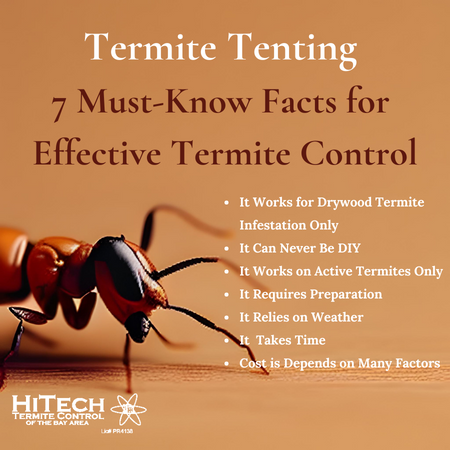
Credit: www.hitechtermite.com
Signs Of Termite Infestation
Termites can cause serious damage to your home. Spotting signs early helps protect your property. Knowing what to look for can save you money and stress. Here are common signs of termite infestation to watch out for.
Visible Damage
Termites eat wood from the inside out. Walls or wooden beams may look hollow or weak. You might see blistered or cracked paint on surfaces. Wood may sound hollow when tapped. Damaged areas often look uneven or rough.
Mud Tubes
Termites build mud tubes to travel safely. These thin, dirt-colored tubes run along walls or foundations. You may find them near the ground or on wooden parts. Mud tubes protect termites from air and predators. Breaking one may reveal live termites inside.
Discarded Wings
Termites shed their wings after swarming. Piles of tiny, translucent wings may appear near windows or doors. Winged termites usually emerge in spring or fall. Finding wings means a nearby termite colony. It’s a strong sign of active infestation.
Ideal Conditions For Termite Activity
Termites thrive under specific conditions. Knowing these helps pick the best time to tent a house. Termites become more active when conditions favor their growth and movement. Understanding these ideal conditions can prevent future damage and make treatment more effective.
Seasonal Patterns
Termites are most active during warm months. Spring and summer bring higher termite activity. They swarm to find new homes in these seasons. Tent your house before or after peak swarm times. This timing stops termites from spreading inside your home.
Climate Factors
Warm climates support termite growth year-round. Tropical and subtropical areas see more termite problems. Cooler regions experience termite activity only in warmer months. Watch the local temperature trends to plan treatment. Treating when termites are active ensures better results.
Humidity Levels
Termites need moisture to survive and thrive. High humidity creates the perfect environment for them. Damp soil and wood attract termite colonies. Dry conditions slow their activity and movement. Check humidity levels before tenting your house for termites.
Timing Tent Treatments
Timing tent treatments for termites is very important. It affects how well the treatment works and how safe it is for everyone. The right timing helps kill termites faster and stops new ones from coming. Choosing the best time to tent your house ensures the process is smooth and effective.
Optimal Months
Spring and early summer are the best months to tent a house. Termites are most active during these times. They come out to look for food and water. Treating your home then can catch termites before they spread. Avoid winter because termites are less active and harder to kill.
Daytime Vs. Nighttime
Tenting usually happens during the day. Sunlight helps spread the chemicals evenly inside the tent. Workers also find it safer to work in daylight. Nighttime tenting is rare and can be risky. It is harder to see and may delay the treatment process.
Weather Considerations
Dry and calm weather is best for tenting. Rain can wash away chemicals or make the tent unsafe. Strong winds may cause the tent to tear or move. Avoid very hot days as chemicals can react faster and become unsafe. Mild weather helps keep the tent secure and treatment effective.
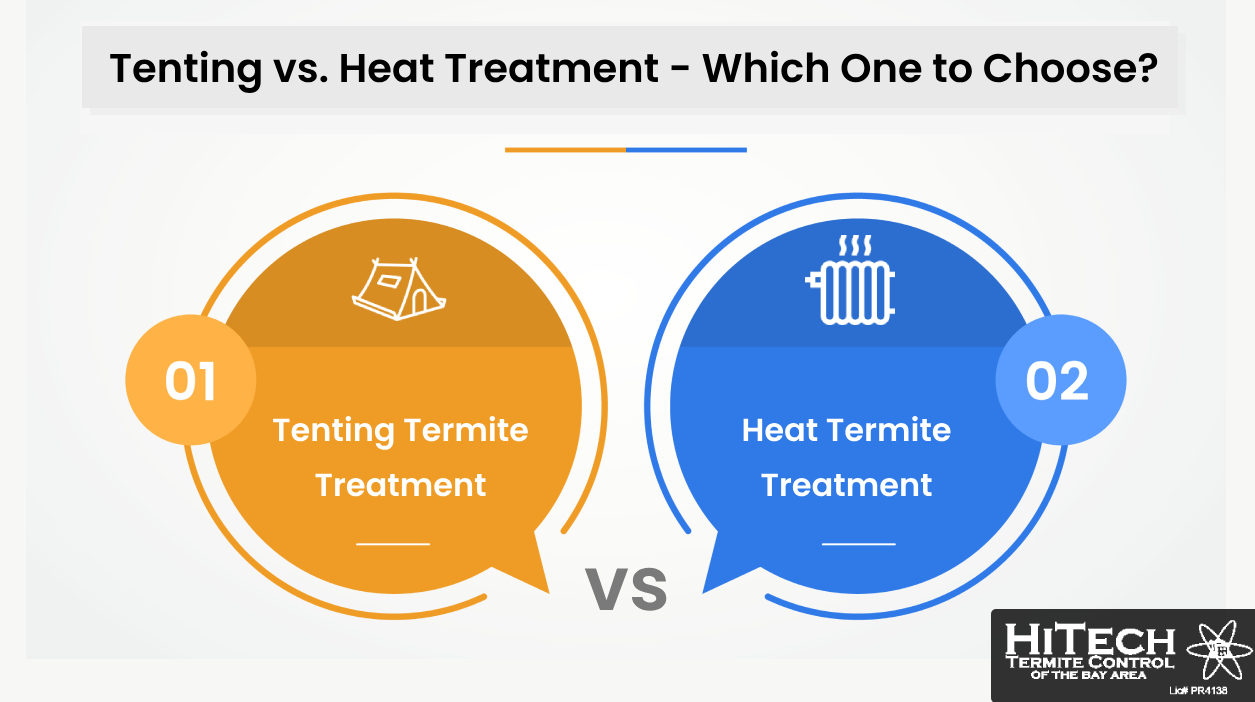
Credit: www.hitechtermite.com
Preparing For Tent Fumigation
Preparing for tent fumigation is a key step to ensure the process works well. This preparation helps protect your home and family during termite treatment. It also makes the fumigation faster and safer.
Knowing what to do before the tent goes up can save stress and trouble later. Follow these simple steps to get ready for the termite tenting.
Clearing The Area
Remove all plants, furniture, and toys near your house. Move pets and their cages to a safe place. Take out all food, medicine, and anything that can absorb gas. Cover or seal items that cannot be removed. Clear garages and storage rooms to give workers easy access.
Safety Precautions
Tell all family members about the fumigation schedule. Plan to stay away from the house for the required time. Keep windows and doors closed until fumigation ends. Use protective gloves and masks if you must handle any items. Follow instructions from the pest control team closely.
Post-treatment Steps
Wait for the professionals to remove the tent safely. Open windows and doors to air out the house. Clean all surfaces before using them again. Check for any damage caused during fumigation. Schedule a follow-up inspection to ensure termites are gone.
Alternative Termite Control Methods
Termite tenting can be stressful and disruptive. Alternative termite control methods provide less invasive options. These methods help protect your home without full fumigation. They work in different ways to stop termite damage early.
Chemical Treatments
Chemical treatments use liquids or foams to kill termites. Pest control experts apply these chemicals to soil or wood. Chemicals create a barrier that termites cannot cross. This method targets termites directly and stops their growth. It often requires less time than tenting.
Bait Systems
Bait systems attract termites to special stations. Termites eat the bait and carry poison back to the colony. This slowly reduces termite numbers over weeks or months. Baiting is less harmful to the environment. It works well for ongoing termite control and monitoring.
Physical Barriers
Physical barriers stop termites from entering your home. These barriers include metal mesh or sand layers around foundations. They block termite access without using chemicals. Physical barriers are common during new construction. They offer long-term protection against termite invasion.
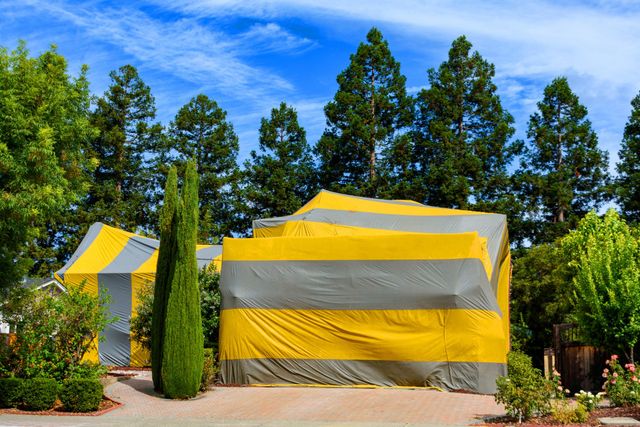
Credit: www.emorybrantleyandsons.com
Frequently Asked Questions
When Is The Best Season To Tent A House For Termites?
The best season to tent a house is during warm, dry months. Spring and summer are ideal because termites are most active then. Tent fumigation works best in these conditions, ensuring effective termite eradication.
How Long Does Termite Tenting Treatment Take?
Termite tenting typically takes 2 to 4 days. The house is sealed and fumigated for 24 to 72 hours. Afterward, ventilation ensures all toxic gases are removed before re-entry.
Can I Stay Inside My House During Termite Tenting?
No, you must vacate your home during termite tenting. The fumigants are toxic and unsafe to breathe. Plan to stay elsewhere until the treatment and ventilation are complete.
How Should I Prepare My House For Termite Tenting?
Remove all pets, plants, and food items from your home. Seal or remove medicines and open containers. Follow your pest control company’s specific preparation checklist for the best results.
Conclusion
Termite tenting works best during warm months when termites are active. Choose a time with mild weather to avoid problems. Early spring or late summer often suits well for treatment. Plan tenting before termite damage gets worse. Prepare your home by removing food and pets.
Follow all safety steps during and after tenting. Regular checks help keep termites away longer. Acting at the right time saves money and stress. Keep your home safe and termite-free by tenting smartly.
