
Have you ever felt the need to escape the daily rush and reconnect with yourself? Camping offers you a perfect chance to do just that.
It’s more than just sleeping outside—it’s about refreshing your mind, body, and soul. When you spend time in nature, you give yourself a break from screens, stress, and noise. Imagine waking up to fresh air, hearing birds sing, and feeling truly free.
You’ll discover why camping is one of the best outdoor activities you can choose for your health, happiness, and overall well-being. Keep reading to find out how camping can change the way you feel and think every day.
Benefits For Mental Health
Camping offers many benefits for mental health. It helps the mind rest and heal. Being outdoors brings calm and peace. Nature’s quiet can clear busy thoughts.
Spending time camping allows people to disconnect from stress. It creates space for the brain to relax. The fresh air and natural light help improve mood. Camping also sparks new ideas and creativity. Each of these benefits supports better mental well-being.
Stress Reduction
Camping reduces stress by removing daily pressures. Nature’s sounds and sights soothe the nervous system. Breathing fresh air lowers cortisol, the stress hormone. Walking in nature calms the mind and body. This helps people feel less anxious and tense.
Improved Mood
Time outside raises serotonin levels, the happiness chemical. Sunlight boosts vitamin D, which fights depression. Camping lets people enjoy simple pleasures like stars and campfires. This creates feelings of joy and contentment. Being away from screens also lifts the spirit.
Enhanced Creativity
Nature inspires new ways of thinking. Camping breaks routine and encourages curiosity. Quiet moments allow the mind to wander freely. This can lead to fresh ideas and solutions. Many find creativity flows better outdoors than indoors.

Credit: calleva.org
Physical Health Advantages
Camping offers many physical health benefits. It gets your body moving and helps you feel better. Spending time outdoors also improves your sleep and boosts your vitamin D levels. These advantages support overall wellness and keep you active.
Increased Physical Activity
Camping involves hiking, setting up tents, and exploring nature. These activities increase your heart rate and strengthen muscles. Walking on trails improves balance and coordination. Being active outdoors burns calories and improves fitness.
Better Sleep Patterns
Natural light helps reset your body’s internal clock. Camping encourages early bedtimes and waking with the sun. Fresh air and physical tiredness lead to deeper, more restful sleep. Better sleep improves mood, energy, and focus.
Vitamin D Exposure
Sunlight is a natural source of vitamin D. This vitamin supports strong bones and a healthy immune system. Spending time outside during camping increases vitamin D in the body. It helps prevent deficiencies common in indoor lifestyles.
Connection With Nature
Camping brings people close to nature in a simple way. It offers a break from city noise and screens. Spending time outdoors helps refresh the mind and body. It creates a chance to enjoy the quiet and beauty of the natural world.
Appreciating Natural Beauty
Camping shows the true beauty of nature. Sunrises, trees, rivers, and stars look clearer outside cities. These views often go unnoticed in daily life. Being outdoors helps people see and value these sights.
Simple moments like feeling fresh air or hearing birds sing become special. Nature’s colors and shapes inspire calm and joy. This appreciation grows stronger with every camping trip.
Environmental Awareness
Camping teaches respect for the environment. People learn how to keep nature clean and safe. They see how litter or noise can harm plants and animals. This helps build a caring attitude toward the earth.
Understanding nature’s balance leads to smarter choices. Campers often become more careful about water, fire, and waste. This awareness supports efforts to protect natural spaces.
Wildlife Observation
Camping allows close encounters with animals in their homes. Watching birds, insects, and mammals feels exciting and new. Campers learn about animal habits and their role in nature.
Seeing wildlife teaches patience and respect. It connects people to living things beyond humans. These moments create lasting memories and a deeper love for the wild.
Social Bonding Opportunities
Camping offers a unique chance to connect with others away from daily distractions. It brings people together in nature, creating strong social bonds. Sharing outdoor experiences helps build trust and understanding. These moments create lasting memories and deepen relationships.
Quality Time With Family
Camping gives families a break from screens and busy schedules. It allows parents and children to talk and play together. Cooking meals and setting up tents become shared tasks. These activities help family members enjoy each other’s company. Kids learn from parents, and parents see their children’s growth.
Building Friendships
Camping trips often create new friendships or strengthen old ones. Friends share stories around the campfire and explore trails side by side. Being outdoors encourages honest talks and laughter. These simple moments bring people closer. Nature helps friends feel relaxed and open.
Teamwork And Cooperation
Camping requires working together to solve problems and complete tasks. Pitching a tent or gathering firewood needs everyone’s effort. Teamwork teaches patience and listening skills. It shows how cooperation leads to success. These lessons improve how people work with others later.
Skill Development
Camping is more than just fun outdoors. It helps develop many useful skills. These skills prepare people for real-life situations. Learning through camping builds confidence and independence. The experience is practical and hands-on, making skill growth natural and effective.
Survival Skills
Camping teaches basic survival skills. Knowing how to build a fire or find clean water is crucial. Skills like setting up a tent protect from weather. Learning to identify edible plants keeps you safe. These skills can be lifesaving in emergencies.
Navigation And Orientation
Camping improves navigation skills using maps and compasses. Understanding directions helps avoid getting lost outdoors. It trains the brain to recognize landmarks and natural signs. These skills increase confidence in unfamiliar places. Good orientation skills make outdoor trips safer and more enjoyable.
Problem Solving
Camping challenges people to solve problems quickly. Issues like bad weather or lost gear require smart thinking. Campers learn to adapt and find solutions under pressure. This skill is useful in daily life too. Problem solving during camping builds resilience and creativity.

Credit: www.amazon.com
Digital Detox Benefits
Camping offers a powerful way to unplug from digital devices. It helps people escape constant notifications and screens. This break improves mental health and sharpens focus. Spending time outdoors creates space for fresh thoughts and calm feelings. The digital detox benefits of camping are clear and important for everyone.
Reducing Screen Time
Camping forces a pause on phones, tablets, and computers. Without screens, eyes and brain get a much-needed rest. This lessens stress and reduces headaches from too much screen use. Time spent outside replaces hours spent scrolling or gaming. The natural world becomes the main focus, not pixels.
Mindfulness And Presence
Being in nature encourages noticing small details. The sound of birds, rustling leaves, and fresh air draw attention. This helps practice mindfulness, which calms the mind. Campers learn to live in the moment, not worry about the past or future. This presence improves mood and reduces anxiety.
Reconnecting With Self
Without digital distractions, campers find time to think quietly. This helps discover true feelings and desires. Nature’s simplicity allows for honest self-reflection and peace. People often feel more balanced and clear after camping trips. It builds inner strength and a sense of well-being.
Accessibility And Affordability
Camping is a popular outdoor activity for many reasons. One big reason is its accessibility and affordability. People from all walks of life can enjoy camping without spending a lot of money. It offers a chance to enjoy nature without the high costs of other vacations.
Camping does not need fancy equipment or expensive bookings. It can fit many budgets and lifestyles. This makes it a great choice for families, friends, and solo travelers who want to relax outdoors.
Low Cost Compared To Other Vacations
Camping usually costs less than trips to hotels or resorts. Campsites often charge low fees or none at all. You save money by cooking your own meals and avoiding pricey restaurants. Travel expenses are smaller because many campsites are near home. This makes camping a budget-friendly way to enjoy a break.
Variety Of Camping Styles
Camping offers many styles to suit different needs. You can sleep in a tent, a camper van, or even a cabin. Some places allow car camping, while others require hiking in. This variety means anyone can find a way to camp that fits their comfort level and budget.
Suitable For All Ages
Camping welcomes people of all ages. Kids, adults, and seniors can take part easily. It encourages family bonding and outdoor learning. Many campsites have safe, easy trails and activities for all. This makes camping a perfect outdoor choice for everyone.
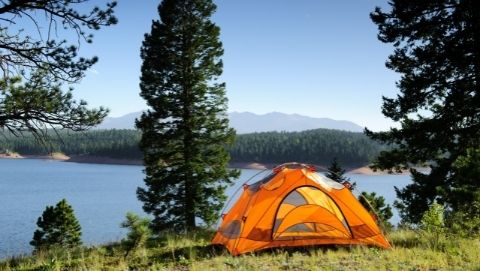
Credit: extension.usu.edu
Frequently Asked Questions
Why Is Camping Important For Mental Health?
Camping reduces stress by connecting you with nature. It improves mood, boosts relaxation, and enhances mental clarity. Being outdoors also lowers anxiety and promotes better sleep, contributing to overall mental wellness.
How Does Camping Benefit Physical Health?
Camping encourages physical activities like hiking and swimming. These exercises improve cardiovascular health, strengthen muscles, and increase stamina. Fresh air and natural surroundings also support respiratory health and immune system function.
Can Camping Improve Social Skills?
Yes, camping fosters teamwork and communication. Sharing tasks and experiences builds stronger relationships. It encourages cooperation, problem-solving, and bonding among family and friends, enhancing social connections.
What Skills Can You Learn From Camping?
Camping teaches survival skills like fire-building, navigation, and first aid. It also enhances self-reliance, planning, and adaptability. These practical skills boost confidence and prepare you for outdoor challenges.
Conclusion
Camping helps people enjoy nature and feel relaxed. It teaches important skills like teamwork and problem-solving. Spending time outside improves health and mood. Camping creates great memories with family and friends. It offers a break from daily stress and screens.
Exploring new places brings a sense of adventure. Everyone can find joy in simple outdoor living. Try camping to connect with yourself and others. It’s a fun way to grow and refresh your mind. Camping truly is a valuable outdoor activity for all.
