
Are you planning a day by the shore and wondering if your trusty camping chair will hold up on the beach? You might be picturing sinking legs or an uncomfortable seat on the sand.
But what if your camping chair could give you the perfect spot to relax, no matter where you set it down? You’ll discover exactly how camping chairs perform on sandy beaches, what to look for, and simple tips to make sure your beach day is as comfy as possible.
Keep reading to find out if your camping chair is beach-ready or if you need to rethink your seating plan!

Credit: www.amazon.com
Types Of Camping Chairs
Camping chairs come in different types to suit various needs. Each type offers unique features and comfort levels. Choosing the right chair can make your beach day more enjoyable. Here are some common types of camping chairs to consider.
Standard Folding Chairs
Standard folding chairs are the most common camping chairs. They have a metal frame and fabric seat. These chairs fold flat for easy carrying and storage. They offer good back support and are usually lightweight. On the beach, sand can sometimes get stuck in the folding parts. Still, they are convenient and simple to use.
Low-profile Chairs
Low-profile chairs sit closer to the ground. They provide a relaxed, loungy feel perfect for the beach. These chairs are stable and less likely to tip over on uneven sand. Their low height helps you stay cool by catching sea breezes. They can be bulkier but give a comfy seating option near the shore.
Backpack Chairs
Backpack chairs combine a chair and a bag in one. You wear them like a backpack for easy transport. These chairs are lightweight and ideal for long walks on the beach. They usually have adjustable straps and pockets for small items. Backpack chairs offer a quick way to rest without carrying extra gear.
Challenges Of Using Chairs On Sand
Using camping chairs on the beach can be tricky. Sand is soft and uneven. It causes problems for many types of chairs. Understanding these challenges helps you choose the right chair for beach use.
Sinking And Stability Issues
Sand makes chair legs sink easily. Thin legs dig into the soft ground. This causes the chair to tilt or fall. Chairs with wide, flat feet work better. Stability is important for comfort and safety.
Corrosion And Wear From Salt
Salt from seawater can damage chair materials. Metal parts can rust quickly. Fabric and plastic may weaken or fade. Chairs made with rust-resistant materials last longer. Cleaning chairs after beach use helps prevent damage.
Handling Uneven Surfaces
Beach sand is not flat. Small hills and holes make balance hard. Chairs must adapt to uneven ground. Flexible or adjustable legs improve comfort. Sitting steady on the sand is easier this way.
Features For Beach-friendly Chairs
Beach-friendly camping chairs have special features for comfort and stability on sand. Regular chairs often sink or tip on soft, uneven surfaces. Chairs designed for the beach solve these problems. They offer better support and last longer in salty, wet conditions.
These features make your beach time more relaxing. You can sit safely without worrying about your chair sinking or breaking.
Wide Legs And Sand Anchors
Wide legs spread your weight over a larger area. This stops the chair from sinking into the sand. Some chairs have special sand anchors. These dig into the sand and keep the chair steady. Both features help you stay balanced on shifting surfaces.
Rust-resistant Materials
Saltwater and sand cause rust and damage. Beach chairs use rust-resistant metals like aluminum or coated steel. Fabric is often quick-dry and resistant to mildew. These materials last longer, even after many beach trips. Your chair stays strong and looks good.
Lightweight And Portable Designs
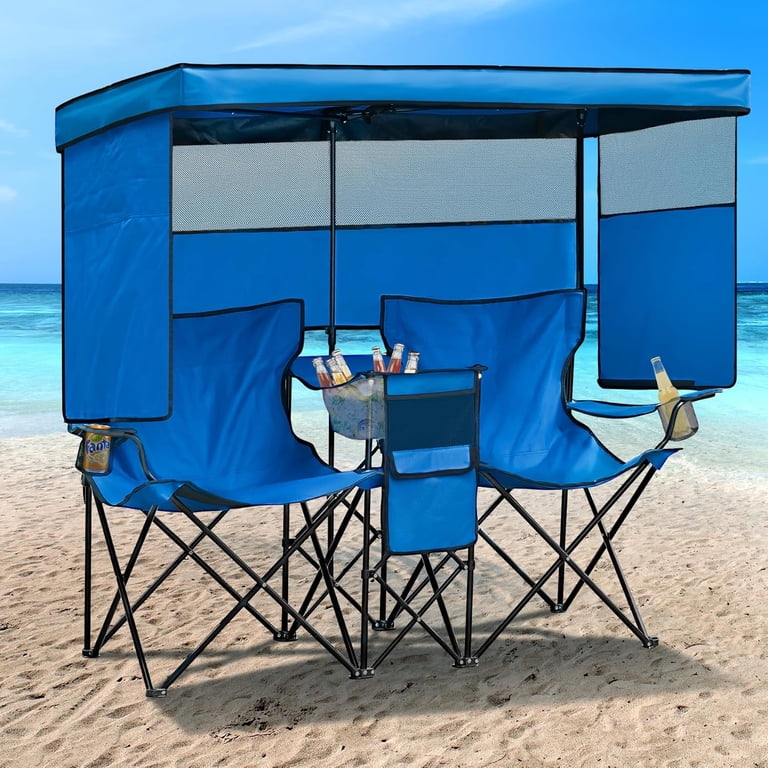
Carrying gear to the beach can be hard. Beach chairs are made to be light and easy to carry. Many fold into small sizes. Some come with carry bags or straps. You can bring your chair anywhere without extra effort.
Credit: www.walmart.com
Comparing Camping Chairs To Beach Chairs
Camping chairs and beach chairs serve similar purposes but differ in key ways. Choosing the right chair can make your beach day much better. Understanding the differences helps you pick the chair that suits your needs.
Both chairs offer portable seating, but their design, comfort, and durability vary. This guide compares camping chairs to beach chairs to help you decide.
Design Differences
Camping chairs usually have a taller back and armrests. They fold up compactly for easy transport. Many have cup holders and pockets for storage.
Beach chairs sit lower to the ground. They often feature wider seats and reclining backs. Sand-friendly legs prevent sinking into soft sand. Materials resist salt and moisture better than camping chairs.
Comfort Levels
Camping chairs offer good support for long sitting times. Padded seats add extra comfort. Armrests help relax your arms after a hike or walk.
Beach chairs focus on lounging comfort. Reclining options let you lie back and soak up the sun. Breathable fabrics keep you cool on hot days.
Durability In Beach Conditions
Camping chairs are strong but may rust or fade in salty air. Frames made of steel can corrode faster near the ocean. Fabrics may wear out from sun and salt exposure.
Beach chairs use rust-resistant materials like aluminum. Their fabrics resist fading and drying from sun and salt. Designed to endure sand, wind, and water better than camping chairs.
Tips For Using Camping Chairs At The Beach
Camping chairs are great for beach trips. They give you a comfy place to sit and relax. But the beach sand can make using them tricky. Knowing some simple tips helps you enjoy your chair more. Here are easy ways to use camping chairs at the beach.
Improving Stability
Beach sand is soft and loose. Camping chairs can sink or tip over. Use wide, flat legs or extra support to stop this. Place a flat board or a beach mat under the legs. It spreads the weight and keeps the chair steady. Push the legs deep into the sand for better hold.
Protecting Your Chair
Sand and salt can harm your chair’s fabric and frame. Shake off sand after use. Wipe the chair with a damp cloth to remove salt. Let it dry fully before packing. Store your chair in a bag to stop dirt and damage. Avoid leaving it in the sun too long to keep colors bright.
Choosing The Right Spot
Pick a place with firm sand near the water’s edge. Avoid very soft or wet areas that make chairs sink. Look for natural shade like a tree or use a beach umbrella. This keeps you cool and protects the chair from sun damage. A good spot makes sitting more pleasant and safe.

Credit: gcioutdoor.com
Alternative Seating Options For The Beach
Finding the right seat for the beach can change your whole day. Camping chairs may not always work well on soft sand. Alternative seating options offer comfort and ease. They fit better with the beach’s unique surface. Here are some great choices to consider for your next trip.
Beach Mats And Blankets
Beach mats and blankets lay flat on the sand. They provide a large space to sit or lie down. Many come with waterproof bottoms to keep you dry. They fold up small for easy carrying. Perfect for families or groups who want to sit close together.
Inflatable Loungers
Inflatable loungers are light and easy to carry. You just blow air into them to inflate. They keep you off the hot or wet sand. Many have backrests for extra comfort. Great for relaxing and catching the sun without sinking into the sand.
Portable Hammocks
Portable hammocks attach between two sturdy points. Trees or posts work well at the beach. They keep you off the ground and let the breeze cool you. Easy to pack and set up in minutes. A fun and cozy way to enjoy your beach time.
Frequently Asked Questions
Will Camping Chairs Sink In The Sand At The Beach?
Camping chairs with narrow legs often sink into soft sand. Wider or specialized beach chair legs help distribute weight evenly. Choose chairs designed for sandy terrain to avoid sinking and ensure comfort while sitting on the beach.
Are All Camping Chairs Suitable For Beach Use?
Not all camping chairs work well on beaches. Chairs with wide, flat legs or sand-specific designs perform best. Standard camping chairs may sink or tip on uneven sand, making them less stable and comfortable.
How To Prevent Camping Chairs From Sinking On The Beach?
Use chairs with wide or paddle-shaped feet to spread weight. Place boards or mats under legs for extra support. This prevents sinking and improves stability on soft sand surfaces.
Can I Use A Regular Camping Chair For Beach Trips?
You can, but regular camping chairs may sink or feel unstable. For better comfort, choose beach-specific chairs with wider bases or sand-friendly features designed to handle soft sand.
Conclusion
Camping chairs can work on the beach with the right design. Choose chairs with wide legs to avoid sinking in sand. Look for lightweight and foldable models for easy carrying. Some chairs offer extra features like cup holders and sun shades.
Always clean your chair after beach use to keep it in good shape. Enjoy comfort and relaxation while sitting by the water. A good camping chair makes beach time more fun and cozy.
