
Are you thinking about tinting your car windows but aren’t sure if it’s better to do it on the inside or the outside? This question might seem simple, but the answer can make a big difference in how your tint looks, lasts, and protects you.
You want the best results without wasting time or money. Keep reading, and you’ll discover the key facts that will help you make the right choice for your vehicle. Don’t make a costly mistake—find out what experts recommend before you start!
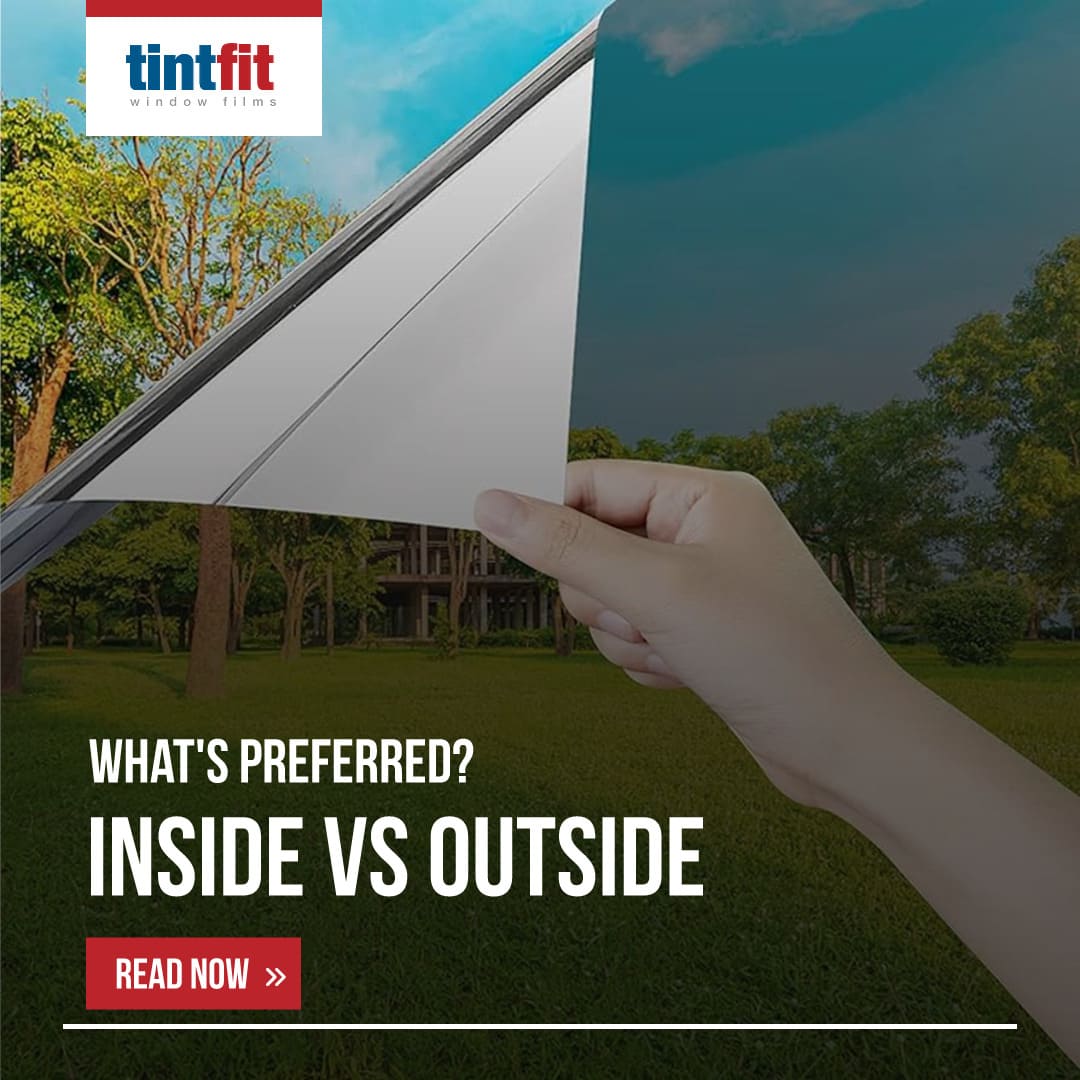
Credit: www.tintfit.com
Tinting Basics
Understanding the basics of window tinting helps you make the right choice. Tinting affects how your car or home looks and feels. It also protects from sunlight and heat. Knowing what tinting is and the types of films available is key before deciding where to apply it.
Let’s explore the foundation of window tinting. This will clear up common questions and guide your next steps.
What Is Window Tinting
Window tinting means adding a thin film to glass surfaces. This film reduces sunlight and heat coming through. It also cuts glare and protects privacy. Tinting can improve comfort inside vehicles and buildings. It can also protect interiors from fading due to sun exposure.
Types Of Tint Films
Several types of tint films serve different purposes. Dyed films block light and add color but fade over time. Metalized films contain tiny metal particles that reflect heat well. Ceramic films use ceramic particles to block heat without affecting signals. Hybrid films combine dyed and metalized layers for balance. Each type offers different levels of heat control and durability.
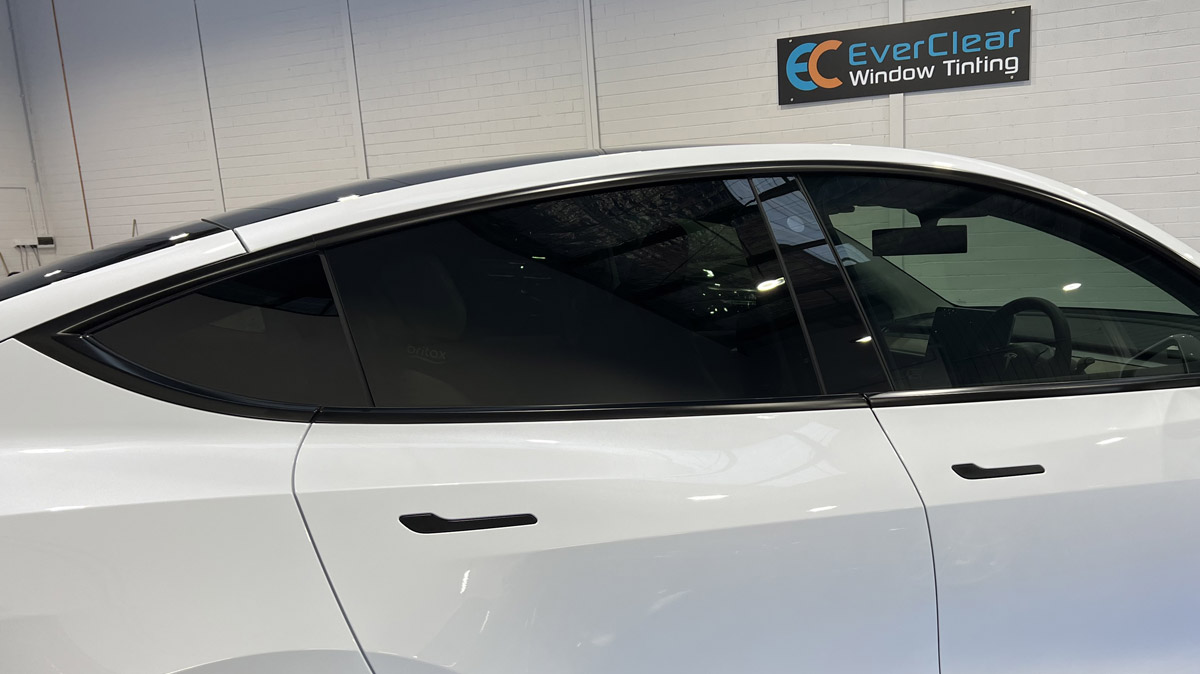
Credit: www.evercleartinting.com.au
Inside Tinting
Inside tinting means applying the tint film to the inner side of the glass. This method protects the tint from outside elements like rain and dirt. It also keeps the tint smooth and clean for a longer time.
How Inside Tinting Works
The tint film sticks to the inside surface of the window glass. It blocks sunlight and heat from entering the room or vehicle. The film absorbs or reflects some light rays. This makes the space cooler and reduces glare.
Benefits Of Inside Tinting
Inside tinting lasts longer than outside tinting. The film does not get scratched by weather or cleaning. It helps save energy by lowering cooling costs. It also protects furniture and skin from harmful UV rays. The view from inside stays clear and sharp.
Common Applications
Inside tinting is common in homes and offices to reduce heat. Many car owners choose inside tinting to protect the film. It is also used in shops and restaurants for privacy and comfort. This method works well on flat or curved glass surfaces.
Outside Tinting
Outside tinting means applying the tint film on the outside surface of windows. This method is less common but still useful in certain situations. It protects the glass from outside damage and offers unique benefits.
How Outside Tinting Works
The tint film sticks to the outside of the glass. It blocks sunlight and reduces glare. The film acts as a shield against dirt, rain, and scratches. This keeps the glass cleaner and clearer for longer.
Advantages Of Outside Tinting
Outside tinting protects the glass surface from weather damage. It prevents fading caused by strong sunlight. The tint also stops small scratches and marks. It can improve the window’s look by hiding imperfections.
When Outside Tinting Is Used
Outside tinting suits windows with tough glass. It works well for buildings exposed to harsh weather. It helps protect older windows that need extra care. Outside tinting fits places where inside access is hard.

Credit: www.youtube.com
Comparing Inside And Outside Tinting
Tinting car windows can be done on the inside or outside surface. Each method has pros and cons. Understanding these differences helps you choose the best option for your needs.
Inside tinting is the most common method. It protects the film from weather and damage. Outside tinting is less usual but sometimes needed for specific glass types.
Durability Differences
Inside tinting lasts longer because it stays shielded from rain, dirt, and scratches. The film stays smooth and clear for years. Outside tinting faces direct weather, causing it to fade or peel faster. It requires stronger materials to hold up but still wears out sooner than inside tint.
Maintenance And Care
Cleaning inside-tinted windows is easier. Use soft cloths and gentle cleaners to avoid scratches. Outside tint needs careful cleaning too but is more vulnerable to damage. Avoid harsh brushes or strong chemicals on outside tint. Both types need regular cleaning for clear views.
Cost Considerations
Inside tinting usually costs less because it’s simpler to install. The materials used are common and affordable. Outside tinting can be pricier due to tougher films and complex work. Some cars need outside tint, making the cost higher but necessary.
Choosing The Right Side For Tinting
Choosing the right side for tinting affects your vehicle’s look and function. Deciding whether to tint inside or outside depends on several key factors. Understanding these can help protect your car and improve your driving experience.
Think about your vehicle, climate, and local laws before starting tint work. This ensures the best result and avoids problems later.
Vehicle Type And Usage
Different vehicles need different tinting approaches. For daily drivers, inside tinting may last longer because it avoids weather damage. For off-road vehicles, outside tint might be easier to apply and replace after scratches. Commercial vehicles sometimes require specific tint types for visibility and safety. Consider how often you use the vehicle and where you drive most.
Climate And Environmental Factors
Hot and sunny climates need tints that block UV rays well. Inside tint can protect the glass from heat and sun damage. In rainy or snowy areas, outside tint might peel or bubble faster. Dusty or sandy environments can scratch outside tint more easily. Choose tint based on the weather to keep it looking good longer.
Legal Restrictions
Many places have laws about window tint darkness and placement. Some require tint only on the inside to meet safety rules. Others ban certain types of tint or limit how reflective outside tint can be. Check your local laws before tinting. Following rules avoids fines and helps keep everyone safe on the road.
Installation Tips
Installing window tint can be tricky without the right approach. Proper steps help avoid bubbles and peeling. Follow these simple tips to get a smooth, long-lasting tint.
Preparing The Surface
Clean the window thoroughly before tinting. Use a glass cleaner and a lint-free cloth. Remove all dirt, dust, and grease. Dry the surface completely to avoid spots. A clean surface helps the tint stick well.
Tools Needed
Gather all tools before starting the job. You need a spray bottle with soapy water, a squeegee, a sharp knife, and a microfiber cloth. These tools make the process easier and neater. Keep everything close to avoid interruptions.
Avoiding Common Mistakes
Do not rush the installation. Spray enough water to help position the tint. Use the squeegee gently to push out air bubbles. Cut the tint carefully to fit the window edges. Avoid touching the sticky side of the film. These steps prevent wrinkles and peeling.
Frequently Asked Questions
Should Car Window Tint Be Applied Inside Or Outside?
Car window tint is applied on the inside surface of windows. Inside application protects the film from weather and damage. It also ensures better adhesion and durability. Applying tint outside can lead to peeling, fading, and reduced effectiveness over time.
What Are The Benefits Of Tinting Car Windows Inside?
Tinting inside protects the film from scratches and environmental damage. It improves longevity and maintains clarity. Inside tinting also provides better heat rejection and UV protection. This method ensures a cleaner, more professional look without affecting window operation.
Can Outside Tinting Damage Car Windows?
Yes, outside tinting can cause damage. It exposes film to sun, rain, and dirt, leading to peeling and bubbling. This reduces the tint’s lifespan and effectiveness. Outside tinting is not recommended for standard automotive use due to durability issues.
How Does Inside Tinting Improve Window Durability?
Inside tinting shields the film from external elements like rain, dust, and debris. This protection prevents scratches and fading. It allows the adhesive to bond better with the glass. As a result, the tint lasts longer and performs consistently.
Conclusion
Tinting the inside or outside depends on your needs and window type. Inside tinting lasts longer and protects the film better. Outside tinting can be easier to clean but may wear out fast. Think about your climate and how you use the windows.
Choose the option that fits your lifestyle and budget. Proper installation matters a lot for good results. Take time to decide and ask a professional if unsure. Enjoy better comfort and privacy with the right tint choice.
