
Imagine you’re deep in the woods, cozy inside your tent, when suddenly you hear heavy footsteps nearby. Your heart races—what if a bear is coming your way?
Knowing what to do in this terrifying moment can make all the difference between danger and safety. You’ll discover clear, simple steps to protect yourself and your campsite. Keep reading—your next camping trip might depend on it.

Credit: www.picnictime.com
Bear Behavior Near Campsites
Bears near campsites behave in ways that focus on food and safety. They use their strong sense of smell to find anything edible. The presence of food or garbage can draw them close. Understanding bear behavior helps campers stay safe and avoid dangerous encounters.
Why Bears Approach Tents
Bears approach tents mainly to find food. The smell of cooking or stored food attracts them. They are curious animals and may explore new scents. Sometimes, tents have strong odors that catch a bear’s attention. Bears want easy meals and may check tents for snacks. Noise or sudden movements might scare them away, but quiet bears may stay nearby.
Signs Of Bear Presence
Look for tracks or paw prints near your campsite. Bear droppings often contain seeds or berries. Scratches on trees or broken branches can show a bear was close. You may hear rustling or heavy footsteps at night. Scattered food wrappers or torn bags suggest bears have visited. Spotting these signs early helps keep you alert and ready.

Credit: www.nps.gov
Preventing Bear Encounters
Preventing bear encounters is key to staying safe while camping. Bears are curious animals drawn by food smells. Keeping bears away helps protect both you and the bear. Simple steps reduce the chance of a bear visiting your tent. Careful planning and smart habits create a safer campsite for everyone.
Food Storage Techniques
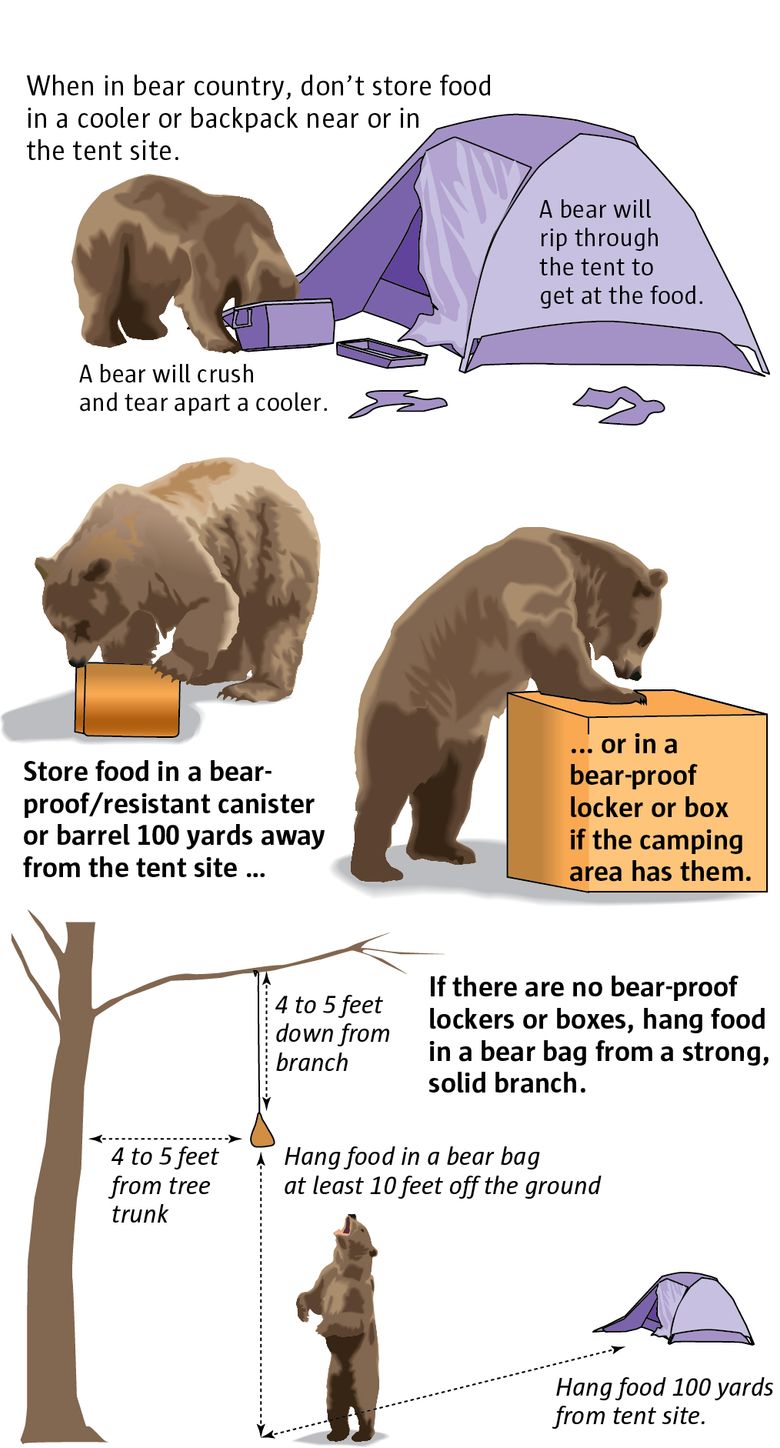
Store all food in airtight containers to block smells. Use bear-proof containers if available. Hang food bags from a tree, at least 10 feet high. Keep food at least 100 feet away from your tent. Never leave food or trash inside your tent. Clean dishes and cooking gear right after use. Avoid cooking strong-smelling foods near your sleeping area. Dispose of garbage in bear-proof bins or pack it out.
Camp Setup Tips
Choose a campsite away from animal trails and berry patches. Set up your tent in an open area with good visibility. Keep your sleeping area free of food and scented items. Store toiletries and cosmetics with your food, away from your tent. Make noise while moving around to alert bears of your presence. Avoid camping near bear feeding or resting spots. Follow park rules and advice about bear safety at all times.
Immediate Actions During An Encounter
Encountering a bear near your tent can be scary and dangerous. Knowing what to do right away can protect you. Immediate actions help keep you safe and may stop the bear from attacking. Staying calm and acting carefully is very important.
Staying Calm And Quiet
Try to keep calm and avoid loud noises. Speak softly or stay silent. Loud sounds might scare the bear or make it angry. Calmness helps you think clearly and avoid mistakes. The bear will watch you closely. Quiet behavior can stop the bear from feeling threatened.
Avoiding Sudden Movements
Move slowly and do not make quick moves. Sudden actions can surprise the bear. Do not run or turn your back on the bear. Running can trigger the bear’s chase instinct. Keep your hands visible and move carefully. Slow movements show you are not a threat.
Using Bear Spray
Bear spray is a strong tool to keep bears away. Hold it ready but do not use it too soon. Use bear spray only if the bear comes very close. Aim for the bear’s face when spraying. The spray causes the bear to stop and leave. Know how to use the spray before your trip.
If A Bear Enters Your Tent
Having a bear enter your tent is a scary situation. It can happen if the bear smells food or is curious. Staying calm is very important. Quick, clear actions can keep you safe. Knowing what to do helps you protect yourself and your gear.
Do’s And Don’ts
Do stay calm and avoid sudden moves. Do speak softly in a low voice. Do keep your hands visible to the bear. Do back away slowly if the bear is not aggressive. Do use bear spray if the bear attacks.
Don’t run or scream. Don’t make direct eye contact with the bear. Don’t try to feed or touch the bear. Don’t turn your back on the bear. Don’t grab any food or items quickly.
Safe Retreat Strategies
Move slowly toward the tent’s exit. Keep facing the bear without staring. Keep your movements smooth and steady. If the bear blocks your way, wait until it moves. Use bear spray only if the bear approaches aggressively.
Once outside, leave the area calmly. Find a safe spot away from the tent. Make noise to show you are not prey. Call for help when it is safe. Always check your surroundings before moving further.
After The Encounter
After a bear visits your tent, staying calm is key. Your safety and the safety of others come first. Understanding what to do next helps prevent danger and protects wildlife.
Reporting To Authorities
Contact park rangers or local wildlife officials immediately. They need to know about the bear’s behavior. Provide clear details about the time and place of the encounter. Mention any damage or food the bear took. This helps officials track bears and keep campers safe. Reporting also alerts others in the area to stay cautious.
Preventing Future Incidents
Store food and trash in bear-proof containers. Avoid keeping food inside your tent. Clean your campsite thoroughly after meals. Do not leave scented items like toothpaste or lotion nearby. Use designated cooking and eating areas. Make noise while moving around at night to avoid surprising bears. These steps reduce the chance of bears returning to your site.
Credit: www.seattletimes.com
Frequently Asked Questions
What Should You Do If A Bear Approaches Your Tent?
Stay calm and avoid sudden movements. Speak softly and back away slowly. Do not run or scream, as it may provoke the bear. Make yourself look bigger by raising your arms. Carry bear spray and use it if the bear gets too close.
How Can You Prevent Bear Encounters At Your Campsite?
Store food in bear-proof containers away from your tent. Avoid cooking or eating inside your tent. Dispose of trash properly and keep the campsite clean. Make noise while hiking to alert bears of your presence. Camp in designated areas with bear safety measures.
Is It Safe To Play Dead If A Bear Attacks Your Tent?
Playing dead is only recommended for grizzly bear attacks, not black bears. Lie flat on your stomach, cover your neck, and stay still. For black bears, try to escape or fight back using any available objects. Always identify the bear species if possible.
When Should You Use Bear Spray During A Tent Encounter?
Use bear spray when a bear is within 20-30 feet and acting aggressively. Aim for the bear’s face and eyes to deter it. Spray in short bursts while backing away slowly. Bear spray is a highly effective non-lethal deterrent during close encounters.
Conclusion
A bear near your tent can feel very scary. Stay calm and avoid sudden moves. Speak softly and slowly back away. Do not run or make loud noises. Keep your food stored away from your tent. Bears usually want to avoid people.
Being prepared helps keep you safe. Respect nature and its wild animals. Always follow safety tips on your trips. Staying alert makes your camping trip better. Safety is the best way to enjoy the outdoors.
