
Are you wondering if you should tent your turkey when roasting? You’re not alone.
Many home cooks ask this question because they want a juicy, golden-brown bird without drying it out. Tenting might sound simple, but it can make a big difference in your turkey’s flavor and texture. Keep reading to find out when and why you should tent your turkey—and how this small step can help you serve a perfect roast every time.
Benefits Of Tenting Turkey
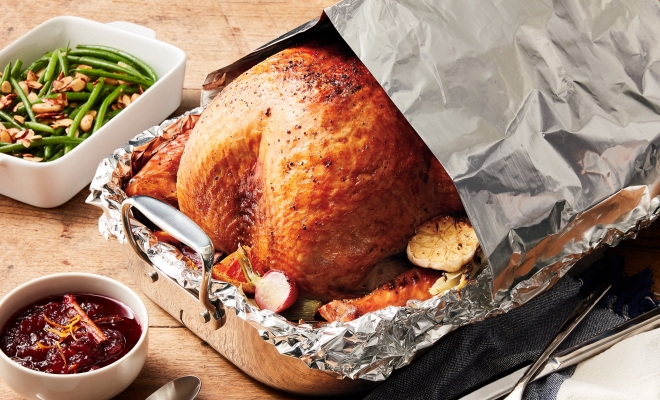
Tenting a turkey means covering it loosely with foil during roasting. This simple step offers several benefits for your turkey. It helps keep the bird juicy, cooks it evenly, and stops the skin from burning. Many home cooks find tenting an easy way to improve their roast. It takes just a minute to do but makes a big difference in the final taste and texture.
Moisture Retention
Tenting traps steam around the turkey. This steam keeps the meat moist and tender. Without a tent, the heat can dry out the surface. The foil acts like a shield, holding in juices. This means every bite stays juicy and soft. Moist turkey means a better eating experience for all.
Even Cooking
The foil tent helps the turkey cook evenly. It slows down the browning on the outside. This gives heat time to reach the center. As a result, the whole bird cooks at a steady pace. Even cooking means no dry edges or undercooked parts. It makes carving easier and safer too.
Preventing Over-browning
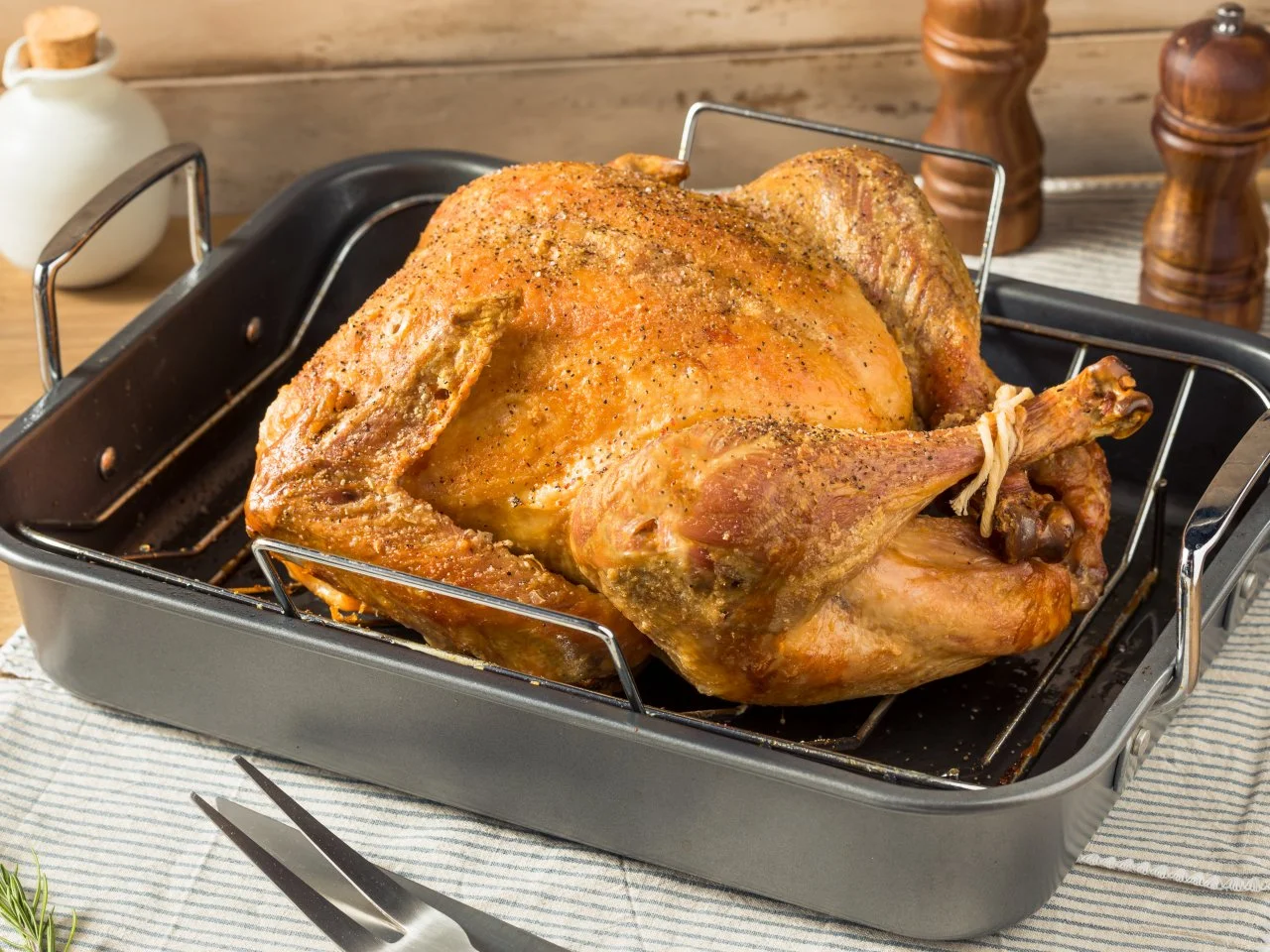
Turkey skin can brown too fast in the oven. This causes burnt spots and uneven color. Tenting stops the skin from burning too early. The foil reflects some heat away from the skin. This keeps the turkey looking golden and appetizing. A nicely browned turkey is always more inviting on the table.
Credit: www.foodnetwork.com
Drawbacks Of Tenting Turkey
Tenting a turkey means covering it with foil while roasting. This method helps keep moisture inside. But it has some drawbacks that can affect the final result. Understanding these can help decide if tenting is right for your turkey.
Extended Cooking Time
Tenting traps heat and steam around the turkey. This slows down the cooking process. The turkey can take longer to reach the safe internal temperature. Longer cooking means less control over the exact doneness. It can also disrupt your meal timing.
Soggy Skin Risk
Foil traps steam from the cooking turkey. This steam settles on the skin and makes it wet. Wet skin does not dry out properly. The result is a soggy, less appealing turkey surface. Crispy skin is often the favorite part for many.
Reduced Crispiness
Without direct heat, the turkey skin cannot crisp well. Tenting blocks the dry heat that makes skin crunchy. Instead, skin stays soft and pale. Crisp skin needs exposure to hot, dry air. This is difficult with foil covering the bird.
When To Use Foil Tent
Knowing when to use a foil tent on your turkey can improve your roasting results. A foil tent helps control heat and moisture during cooking. It protects the skin from burning and keeps the meat juicy. Timing is key to get the best texture and color.
Using foil at the right moment makes a big difference in your turkey’s taste and look.
During High-heat Roasting
High heat cooks the turkey fast but can burn the skin. Cover the bird with foil tent in the first part of roasting. This stops the skin from getting too dark too soon. The foil traps heat and moisture, helping the meat cook evenly.
After Skin Browning
Once the skin turns golden brown, remove or loosely place a foil tent. It protects the turkey from overcooking and drying out. The foil keeps the heat steady and locks in juices. This step ensures crispy skin with moist meat inside.
For Large Turkeys
Big turkeys take longer to cook. A foil tent shields the bird during long roasting times. It stops the edges from burning while the inside cooks fully. Using foil helps large turkeys stay moist and tender throughout the process.
Credit: www.reynoldsbrands.com
Alternatives To Tenting
Tenting a turkey is common to keep it moist while roasting. Still, some cooks prefer other ways to protect the bird. These alternatives help keep the turkey juicy and flavorful without using foil. Each method has its own benefits and can fit different cooking styles.
Using A Roasting Bag
A roasting bag traps steam around the turkey. This keeps the meat moist and tender. It also helps cook the turkey faster and more evenly. The bag is easy to use and cleans up quickly. Just place the turkey inside, seal the bag, and roast.
Basting Techniques
Basting means spooning juices over the turkey during cooking. This adds moisture and flavor to the skin. Use a brush or spoon every 20-30 minutes. Basting helps create a golden, crispy skin without foil. It takes a little attention but improves the taste.
Adjusting Oven Temperature
Lower oven heat slows cooking and keeps the turkey moist. Start roasting at a high temperature for a short time. Then reduce heat for the rest of the cooking. This method avoids dry meat and burnt skin. It requires a good oven thermometer for best results.
Tips For Perfect Roasted Turkey
Roasting a turkey can be simple with the right tips. These tips help keep the meat juicy and full of flavor. Small steps make a big difference in your turkey’s taste and texture.
Follow these easy tips for a perfect roasted turkey that everyone will enjoy.
Resting Time Importance
Resting lets the juices settle inside the turkey. Cut it too soon, and the juices spill out. Cover the turkey loosely with foil. Let it rest for at least 20 minutes. This step makes the meat tender and moist.
Internal Temperature Checking
Use a meat thermometer to check doneness. Insert it into the thickest part of the turkey. The safe temperature is 165°F (74°C). This ensures the turkey is cooked well and safe to eat. Avoid guessing; temperature checking is key.
Seasoning And Preparation
Season the turkey inside and out for full flavor. Use salt, pepper, and your favorite herbs. Rub the seasoning under the skin for extra taste. Let the turkey sit with seasoning before cooking. This helps the flavors soak in deeply.
Credit: www.reynoldsbrands.com
Frequently Asked Questions
Should You Tent A Turkey When Roasting?
Tenting a turkey with foil helps prevent over-browning while keeping the meat moist. It traps steam, which aids in even cooking and juiciness. Remove the tent in the last 30 minutes for crisp skin.
How Does Tenting Affect Turkey Cooking Time?
Tenting slightly slows the cooking process by trapping heat and moisture. It may add 10 to 15 minutes to total roasting time. Always use a meat thermometer to check doneness rather than relying on time alone.
Can Tenting Turkey Make The Skin Soggy?
If left on too long, tenting can soften the skin. To keep skin crispy, remove the foil tent during the last 30 minutes of roasting. This allows the skin to brown and crisp properly.
When Is The Best Time To Tent A Turkey?
Start tenting the turkey after the first 1 to 1. 5 hours of roasting. This prevents excessive browning early on. Remove the tent about 30 minutes before finishing to crisp the skin.
Conclusion
Tenting a turkey helps keep it moist and tender while roasting. It slows down browning but prevents the meat from drying out. You can remove the tent near the end for a crispy skin. Every turkey and oven is different, so try both ways to see what you like.
Keep an eye on the turkey’s color and temperature. Tenting gives you control over the cooking process. It can be a simple trick to improve your roast turkey.
