
You planned your camping trip, packed your gear, and set out ready for adventure. Then the rain starts pouring.
It can feel like your perfect outdoor escape is about to turn into a soggy mess. But don’t worry—rain doesn’t have to ruin your tent camping experience. In fact, with the right tips and mindset, you can stay dry, comfortable, and even enjoy the unique magic that rainy weather brings to the wilderness.
Keep reading to discover simple, smart ways to make the most of your rainy camping trip and turn those gray skies into an unforgettable adventure.
Credit: spectrumlocalnews.com
Preparing For Rainy Camping
Camping in the rain can be fun and safe with the right preparation. Rain changes how you set up and enjoy your trip. Planning ahead helps keep you dry and comfortable. It also protects your gear and makes the experience better.
Choosing The Right Tent
Pick a tent made for wet weather. Look for waterproof fabrics and sealed seams. A rainfly that covers the tent fully is important. Make sure the tent has a good ventilation system. This stops moisture inside and keeps air fresh.
Packing Essential Rain Gear
Bring rain jackets and pants that keep water out. Pack waterproof boots to keep your feet dry. Carry a tarp to use as extra ground cover or shelter. Don’t forget dry bags to protect your clothes and electronics. Quick-dry towels help you stay comfortable after rain.
Selecting A Campsite
Choose a spot on high ground to avoid water pooling. Avoid low areas or spots near streams that can flood. Look for natural windbreaks like trees or bushes. Clear away sticks and rocks before pitching your tent. Set up your tent on flat, firm soil for stability.
Setting Up In Wet Conditions
Setting up camp in wet conditions needs extra care and planning. Rain can make the ground slippery and soft. It can also soak your gear quickly. Preparing your tent and space right helps keep you dry and safe. Follow easy steps to protect yourself from the rain and wet ground.
Pitching Your Tent Properly
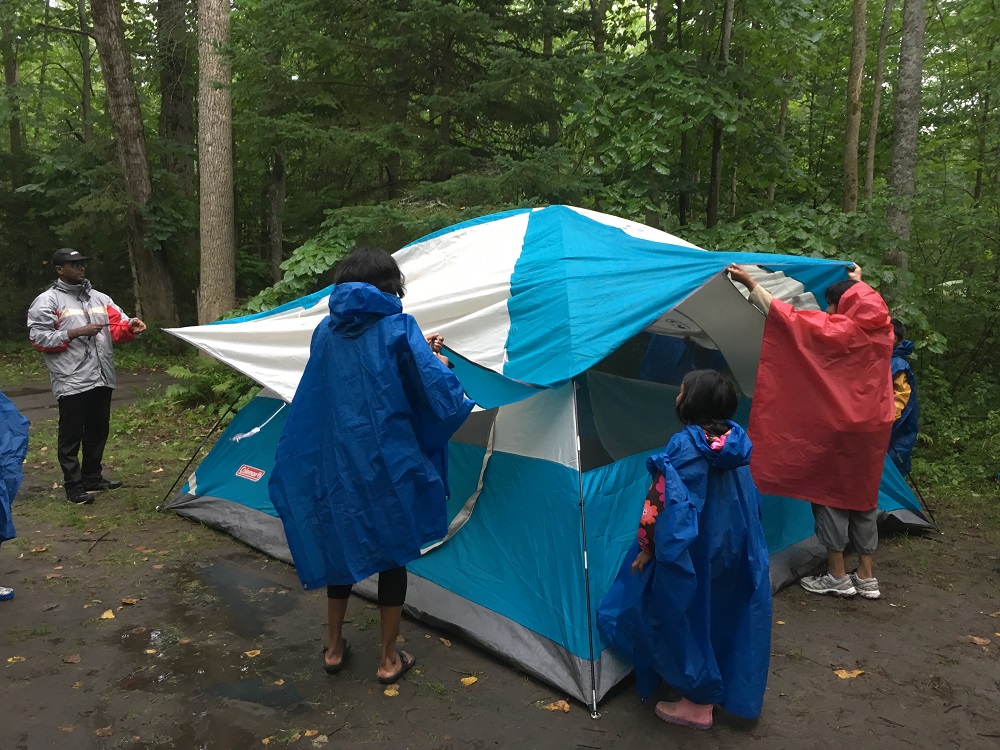
Choose a high spot to pitch your tent. Avoid low areas where water collects. Stretch the tent fabric tight to stop water from pooling. Use all stakes and guylines to keep the tent stable. Make sure the rainfly covers the tent fully. Check that zippers and seams close well to block rain.
Creating A Rain Shelter
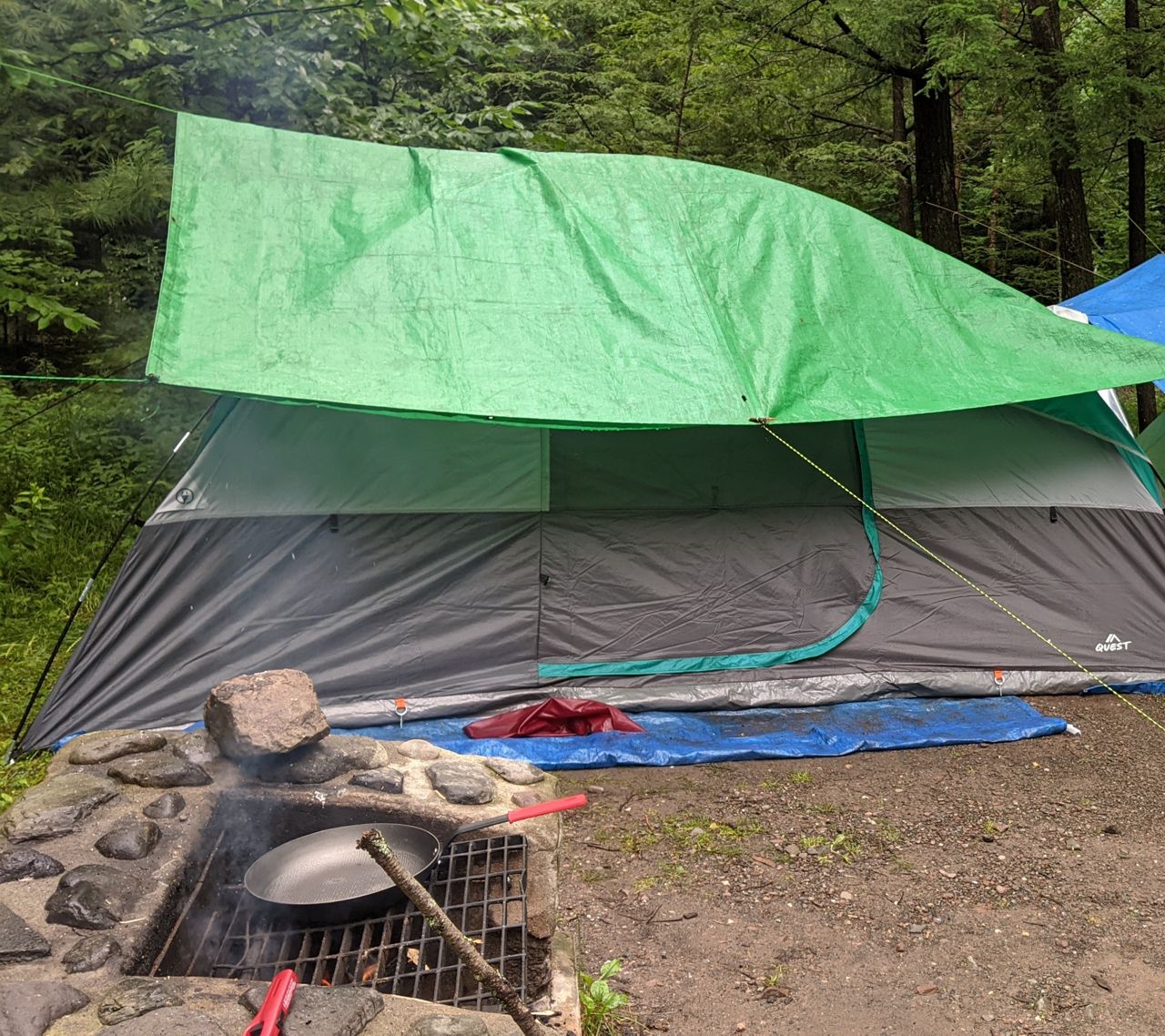
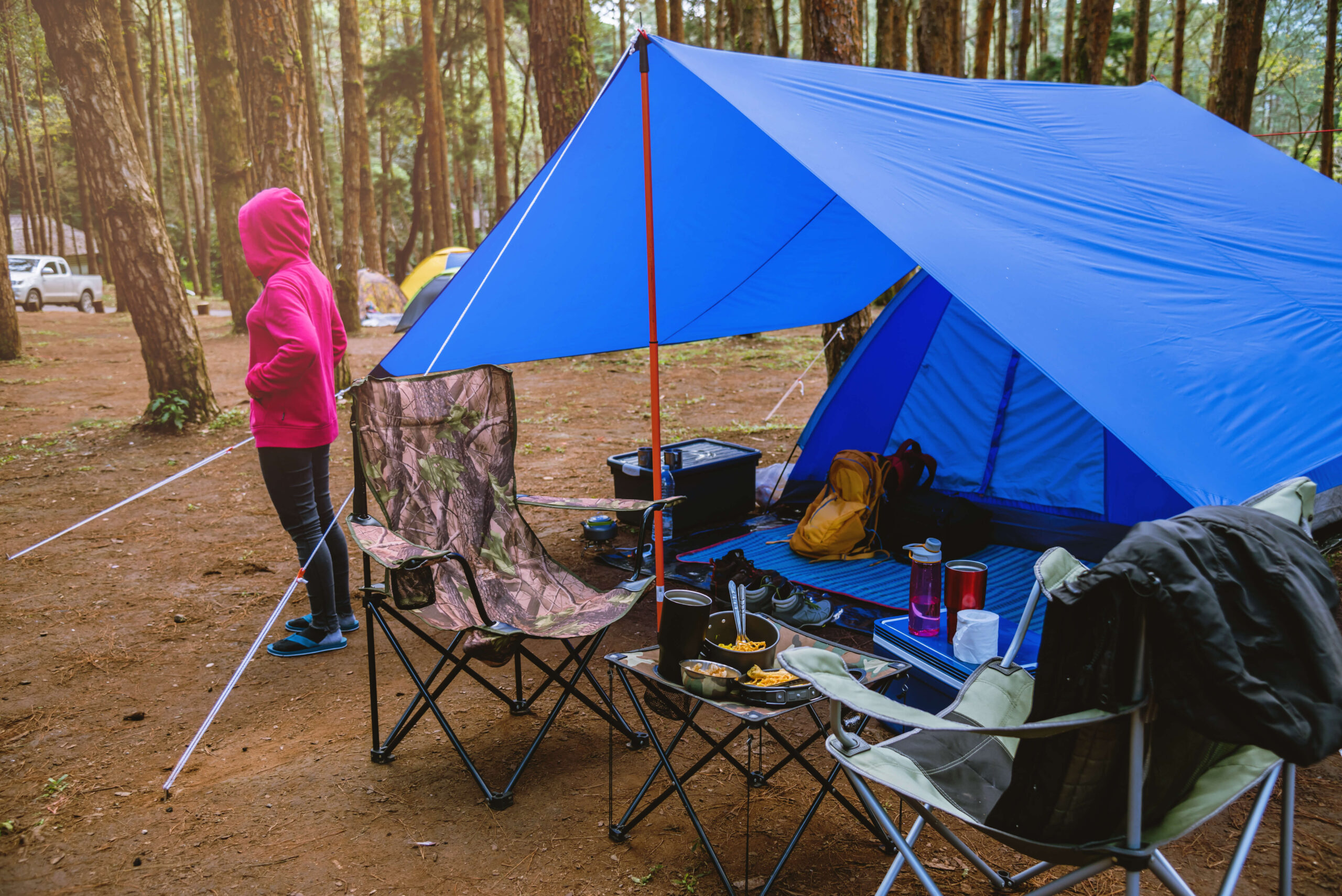
Set up a tarp or extra cover near your tent. Secure it above your cooking or sitting area. Keep the shelter at an angle to let rain slide off. Use sturdy poles or nearby trees to hold the tarp. This shelter gives you a dry place to rest and work outside the tent.
Managing Groundwater
Dig small trenches around your tent to guide water away. Use rocks or sticks to build a barrier if needed. Place a groundsheet under your tent for extra protection. Avoid placing your tent near streams or puddles. Check the ground often to stop water from seeping in.
Staying Dry And Comfortable
Rainy weather can make tent camping hard. Staying dry and comfortable is key. Wet clothes and cold nights spoil fun fast. Simple steps help keep water out and warmth in. This guide shares easy tips for rain camping comfort.
Waterproof Clothing Tips
Wear a waterproof jacket with a hood. Choose breathable fabrics to avoid sweating inside. Rain pants protect legs from getting wet. Change out of wet clothes quickly. Pack extra socks and a warm hat. Avoid cotton—it stays wet and cold.
Keeping Gear Dry
Use waterproof bags or dry sacks for clothes and food. Keep gear off wet ground with a tarp or plastic sheet. Store electronics inside sealed plastic bags. Cover backpacks with rain covers. Set up your tent under tree cover if possible. Keep a small towel handy for wiping off gear.
Maintaining Warmth
Wear layers to trap heat. Use a warm sleeping bag rated for cool weather. Bring an insulated sleeping pad to block cold from the ground. Drink warm fluids before bed. Avoid tight clothing that cuts circulation. Keep a dry change of clothes inside the tent. Warmth keeps spirits high despite the rain.
Cooking And Eating In The Rain
Cooking and eating during rainy tent camping can be a challenge. Rain makes it hard to keep food dry and cook safely. Planning helps you enjoy meals even in wet weather. Use simple tools and smart habits to stay safe and clean.
Safe Cooking Practices
Cook in a sheltered spot to avoid rain on flames. Use a camping stove with a windscreen or a small tent. Keep fuel and matches dry in sealed bags. Never cook inside your tent to avoid fire risks. Always have water nearby to put out flames quickly.
Protecting Food And Supplies
Store food in waterproof containers or plastic bags. Keep supplies inside your tent or a dry bag. Avoid placing food on wet ground to stop dirt and bugs. Use a tarp or rainfly to cover your cooking area. Check your food often for dampness or damage.
Meal Ideas For Wet Weather
Choose easy-to-cook meals that need little water or heat. Instant noodles, canned soup, and pre-cooked rice work well. Pack snacks like nuts, granola bars, and dried fruit. Warm drinks like tea or hot chocolate comfort on cold, rainy days. Prepare meals that can cook quickly under shelter.
Entertainment And Activities
Rain can change your tent camping plans. It does not mean boredom. There are many fun things to do inside and outside your tent. Staying active keeps spirits high and makes the trip memorable. Here are some ideas for entertainment and activities during rainy camping.
Indoor Games And Hobbies
Playing card games is easy and fun in a tent. Bring a deck of cards or small board games. Drawing or writing in a journal passes time nicely. Reading a good book or telling stories keeps minds busy. Craft projects with simple supplies add fun and creativity.
Exploring Nature Safely
Rain brings out new wildlife and smells. Put on waterproof boots and a raincoat. Walk on clear paths to avoid mud and slips. Watch how plants look fresh and bright in the rain. Take photos of raindrops and wet leaves to remember the moment.
Rain-friendly Campfire Tips
Keep your campfire safe and warm despite the rain. Use dry wood stored in a waterproof bag. Build the fire under a shelter or tarp if possible. Light kindling with fire starters for quick flames. Always watch the fire and keep water nearby to put it out.
Credit: blog.ontarioparks.ca
Dealing With Safety Concerns
Rain can make tent camping tricky and risky. Staying safe is very important during wet weather. Rain can cause cold, flooding, and other dangers. Knowing how to handle these risks helps you enjoy your trip and stay secure. Here are some key safety tips for camping in the rain.
Avoiding Hypothermia
Hypothermia happens when your body gets too cold. Wet clothes and cold wind make it worse. Dress in layers and wear waterproof clothing. Change out of wet clothes quickly. Keep moving to stay warm. Use a dry sleeping bag and keep it off the ground. Stay dry inside your tent at all times.
Handling Flash Floods
Flash floods can come fast and without warning. Set up your tent on higher ground, away from rivers or low areas. Check the weather before and during your trip. Know where the water will flow if it rains hard. Have a quick exit plan ready. Move to safe, high ground immediately if flooding starts.
Emergency Preparedness
Always carry a first aid kit and extra food. Bring a flashlight and extra batteries. Keep your phone charged and in a waterproof bag. Tell someone your camping location and plans. Know the nearest help center or ranger station. Stay calm and think clearly in emergencies.
Packing Up After Rain
Packing up after rain can be tricky during tent camping. Wet gear and damp tents need care before storing. Taking time to dry and clean your equipment helps avoid damage. It also keeps your camping gear ready for the next trip. Follow these steps to handle your gear properly after a rainy night.
Drying Your Tent
Start by shaking off excess water from the tent. Set it up in a sunny or breezy spot if possible. Let air reach all parts of the fabric. Open windows and doors to help moisture escape. Avoid packing the tent while still wet. This stops mold and bad smells from forming.
Cleaning And Storing Gear
Check all your camping gear for mud and dirt. Use a soft brush or cloth to clean items gently. Dry cooking tools, sleeping bags, and backpacks well. Store gear in a dry place, away from direct sunlight. Keep everything organized to find it easily next time.
Preventing Mold And Mildew
Mold grows fast on damp fabric and gear. Use a dry towel to wipe surfaces before packing. Leave zippers and vents open to let air flow. Consider using moisture absorbers in your storage bags. Store your tent and gear in a cool, dry area. These steps stop mold and mildew from damaging your gear.
Credit: thimbleandtwig.com
Frequently Asked Questions
How Can I Keep My Tent Dry During Rain Camping?
Use a waterproof rainfly and seal all seams with tape. Set up your tent on high ground to avoid water pooling. Use a ground tarp under the tent, but keep it smaller than the tent floor to prevent water runoff.
Ventilate to reduce condensation inside.
What Clothes Should I Wear Tent Camping In Rain?
Wear quick-drying, moisture-wicking clothes in layers to stay warm. Use a waterproof jacket and pants to stay dry. Avoid cotton as it retains water and chills the body. Bring extra socks and change them if they get wet to prevent blisters.
How Do I Manage Campfire When It Rains?
Use a fire pit with good drainage or build a raised platform. Collect dry wood stored under tarps or inside your tent. Use fire starters like waterproof matches or commercial fire sticks. Keep a tarp overhead to shield the fire from rain.
What Gear Is Essential For Rainy Tent Camping?
Pack a reliable waterproof tent and rainfly. Bring a durable ground tarp and extra stakes. Waterproof bags or dry sacks protect your gear and clothes. Carry quick-dry towels, a headlamp, and a portable camping stove for easy cooking.
Conclusion
Rainy tent camping can still be fun and safe. Keep your tent dry by setting it up on high ground. Use a rainfly and tarp to protect from water. Keep gear inside the tent or in waterproof bags. Stay warm and dry with proper clothing and sleeping bags.
Enjoy nature’s sounds and fresh air, even in the rain. Stay calm and prepared, and your trip will be great. Camping in the rain teaches patience and brings new experiences. Remember, wet weather does not ruin camping—it changes it.
