
Are you wondering if you should tent your turkey when roasting? It’s a simple question, but the answer can make a big difference to your holiday meal.
Tenting your turkey with foil might keep it juicy, but could also affect the crispy skin you’re aiming for. You’ll discover the pros and cons of tenting, plus expert tips to help you decide what’s best for your perfect roast.
Keep reading to make sure your turkey turns out just the way you want it!
Credit: www.reynoldsbrands.com
Why Tent A Turkey
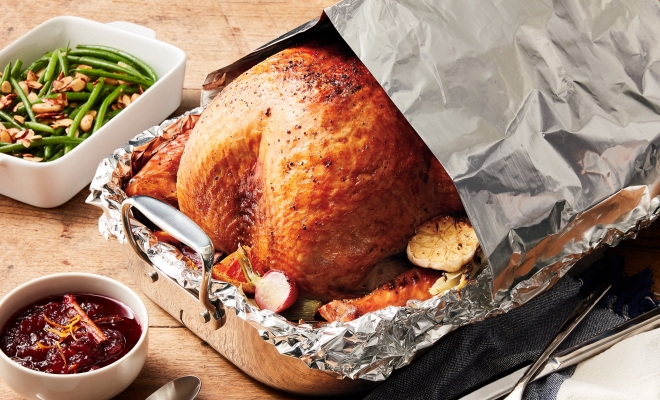
Tenting a turkey means covering it loosely with foil during roasting. This simple step helps control how the turkey cooks. It protects the bird and keeps it juicy. Many cooks use tenting to get better results. Here is why tenting matters for your turkey.
Preventing Over-browning
The turkey skin can brown too fast in the oven. Tenting slows down the browning process. The foil acts like a shield from direct heat. This stops the skin from burning or getting too dark. The turkey stays golden and looks appetizing.
Retaining Moisture
Tenting traps steam around the turkey. This steam keeps the meat moist as it cooks. Without tenting, the turkey can dry out. The foil helps the turkey stay juicy and tender. Moist meat tastes better and is easier to carve.
When To Tent Your Turkey
Tenting a turkey means covering it loosely with foil during roasting. This helps control how the skin and meat cook. Knowing the right time to tent your bird can make a big difference. It keeps the meat juicy and the skin looking good. The timing depends on the stage of roasting and the turkey’s appearance.
Early Roasting Stage
At the start, avoid tenting the turkey. The skin needs direct heat to crisp up. Leaving it uncovered helps the outside brown nicely. The heat makes the skin dry and crispy. Tenting too soon can cause soggy skin and slow cooking. Let the turkey roast freely for the first hour.
After Skin Sets
Once the skin looks golden and firm, cover the turkey with foil. This keeps the meat moist and prevents over-browning. Tenting now helps the turkey cook evenly inside. It stops the skin from burning while the inside finishes cooking. Use foil loosely to allow some air flow around the bird.
Materials For Tenting
Tenting a turkey helps keep it moist and prevents the skin from burning. Choosing the right material for tenting is important. The material must cover the bird well but also allow steam to escape. This way, the turkey stays juicy without getting soggy.
Aluminum Foil Tips
Aluminum foil is the most common material for tenting a turkey. It is easy to shape and holds heat well. Use shiny side out to reflect heat back to the bird. Avoid wrapping foil too tightly. Leave some space for air to circulate.
Make a loose tent that covers the turkey completely. This protects the skin from over-browning. Remove the foil in the last 30 minutes to crisp the skin. Use heavy-duty foil for better strength and heat resistance.
Alternatives To Foil
But foil is not the only option for tenting. Parchment paper works well to cover the turkey. It helps keep moisture without trapping too much steam. You can also use a clean kitchen towel, dampened slightly. This keeps the bird moist and prevents drying.
Oven-safe silicone lids or baking mats can act as covers too. They let heat pass through while protecting the turkey’s surface. Each material has its own benefits. Choose what fits your kitchen and cooking style best.
Credit: www.reynoldsbrands.com
Effects On Cooking Time
Tenting a turkey with foil can change how long it takes to cook. The foil affects heat around the bird. This can speed up or slow down cooking. Understanding these effects helps you get a juicy, well-cooked turkey.
Heat Distribution
Foil tent helps keep heat close to the turkey. It traps steam and warmth around the meat. This can make the turkey cook more evenly. The skin may stay moist but not crispy. Without foil, heat escapes more quickly.
Adjusting Roasting Duration
Tenting usually shortens cooking time slightly. The foil keeps the turkey warmer. Check the turkey earlier than usual to avoid overcooking. Remove the foil near the end for crispy skin. Use a meat thermometer for perfect results.
Common Mistakes To Avoid
Tenting a turkey is a simple step that helps keep it juicy. Many cooks make small mistakes that change the results. Avoid these errors to get the best roast.
Tenting Too Tightly
Wrapping foil too close to the turkey blocks steam from escaping. The skin stays soft, not crispy. Leave space for air to move around. A loose tent lets heat circulate and crisps the skin well.
Removing Tent Too Early
Taking off the foil too soon dries the meat. The turkey needs time to finish cooking under the tent. Remove the foil in the last 15 to 20 minutes. This helps the skin brown without losing moisture.
Expert Opinions
Experts have different views on tenting a turkey during roasting. Some believe it helps keep the bird moist. Others say it stops the skin from getting crispy. Understanding these opinions can help you decide what works best for your turkey.
Chefs Who Recommend Tenting
Many chefs suggest tenting the turkey with foil. They say it traps heat and moisture inside. This prevents the turkey from drying out. Tenting also helps cook the bird evenly. Some chefs tent for most of the cooking time. They remove the foil near the end to brown the skin. This method balances moisture and color well.
Chefs Against Tenting
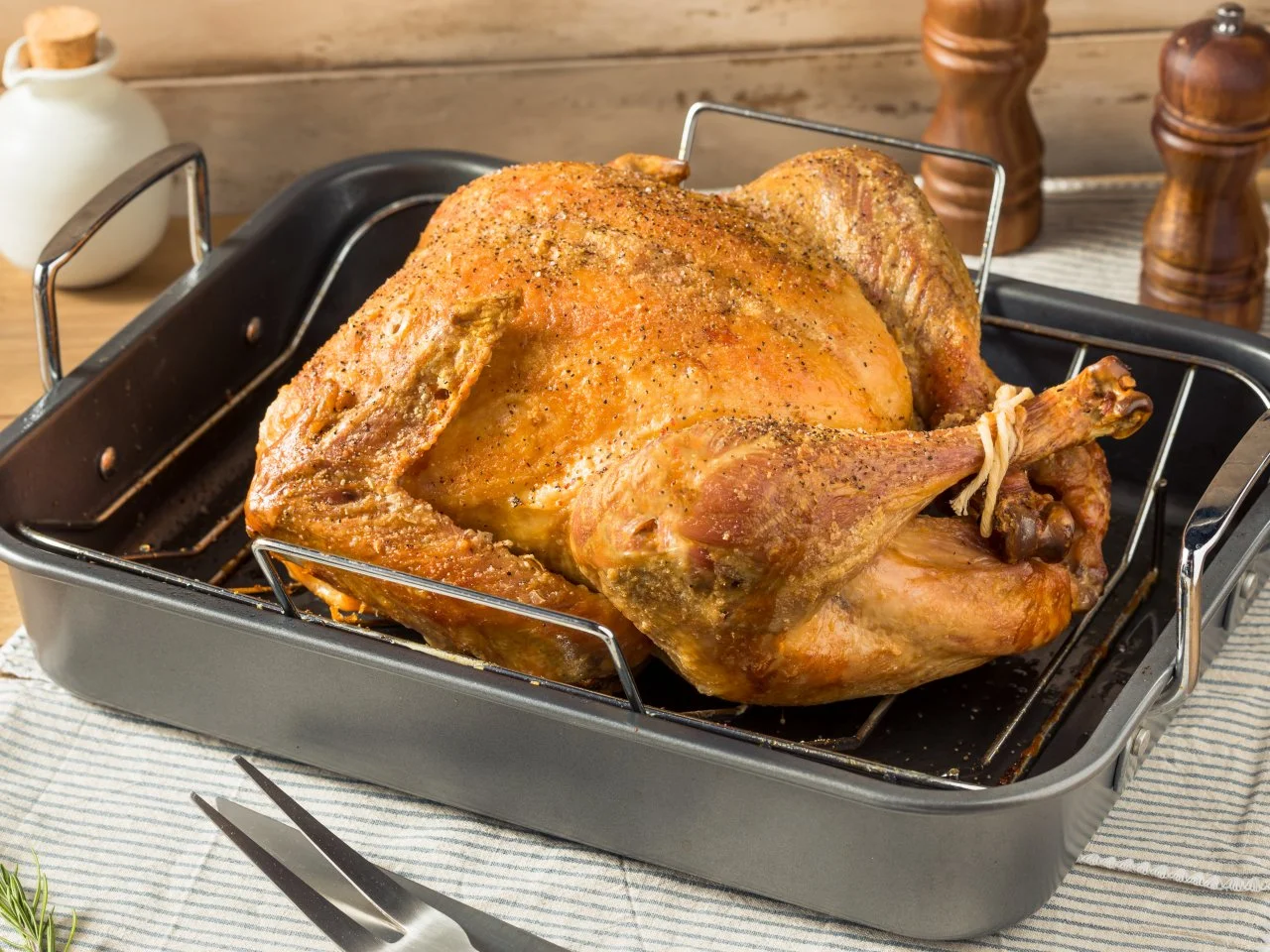
Some chefs advise against tenting the turkey. They want the skin to get golden and crispy. Foil can stop the skin from browning properly. These chefs prefer roasting the bird uncovered. They watch the turkey closely to avoid drying it out. Basting often helps keep the meat juicy without foil. Crisp skin lovers usually avoid tenting for the best texture.
Alternatives To Tenting
Tenting a turkey is popular to keep it moist. Still, there are other ways to do this. These alternatives help keep the turkey juicy and tasty. They also make cooking easier. Here are some simple methods to try instead of tenting.
Basting Techniques
Basting means spooning juices over the turkey. It adds moisture and flavor while roasting. Use a turkey baster or a spoon for this. Baste the bird every 20 to 30 minutes. This keeps the skin from drying out. It also gives the turkey a nice golden color.
Using A Roasting Bag
A roasting bag traps steam inside. This helps the turkey cook evenly and stay moist. Place the turkey in the bag and seal it. Cut small holes for steam to escape. The bag keeps heat around the bird. It reduces cooking time and mess in the oven.
Credit: www.foodnetwork.com
Frequently Asked Questions
Should I Tent A Turkey To Keep It Moist?
Tenting a turkey with foil helps retain moisture by trapping steam. It prevents the skin from drying out during roasting. Remove the tent near the end to brown the skin evenly.
Does Tenting Affect Turkey Cooking Time?
Tenting slightly slows cooking by insulating the bird. It may increase roasting time by 10 to 15 minutes. Always use a meat thermometer to ensure the turkey reaches 165°F internally.
When Is The Best Time To Tent A Turkey?
Tent the turkey after the first 1 to 1. 5 hours of roasting. This locks in juices while allowing initial browning. Remove the tent in the last 30 minutes for crisp skin.
Can I Tent Turkey Skin For Crispiness?
Tenting initially keeps skin soft and moist. To get crispy skin, remove the foil tent during the last roasting phase. This exposes the skin to dry heat, enhancing crispness.
Conclusion
Tenting a turkey helps keep it moist during roasting. It slows down browning but stops the skin from getting too dark. You can remove the tent near the end to crisp the skin. This method works well for larger birds or long cooking times.
Try it once and see how your turkey turns out. A simple step like this can make your roast juicier and tastier. Cooking is about what you like best. So, choose the way that fits your taste and kitchen style.
