
Are you wondering if your 3 season tent can handle the cold and snow of winter camping? You might have a reliable tent already, but is it strong enough to keep you safe and warm when the temperature drops?
Using the wrong tent in winter can lead to discomfort or even danger. You’ll discover the truth about 3 season tents in winter conditions and learn what you need to do to stay protected. Keep reading to find out if your tent can really survive the cold or if it’s time to upgrade for your next winter adventure.

Credit: www.youtube.com
3 Season Tent Basics
Understanding 3 season tent basics helps decide if you can use one in winter. These tents suit spring, summer, and fall conditions. They balance ventilation, weight, and protection well. Let’s explore what makes them unique.
Design Features
3 season tents have mesh panels for airflow. This design reduces condensation inside. They often have a single-layer or double-layer setup. Poles are lightweight but strong enough for moderate wind. The shape allows rain to run off easily. Snow load is not a main focus here.
Materials Used
Fabric is usually nylon or polyester with waterproof coating. The rainfly covers most of the tent. Zippers and seams are sealed to block water. Poles are made from aluminum or fiberglass. These materials keep the tent light and easy to carry.
Intended Weather Conditions
These tents work well in mild to moderate weather. They handle rain, wind, and bugs comfortably. Heavy snow or strong winter storms can be risky. The mesh design lets cold air in. Not made to keep extreme cold or heavy snow out.
Credit: winterbackpacking.com
Winter Camping Challenges
Winter camping is exciting but tough. It demands more than just a tent. Challenges like cold, snow, and wind make a big difference. Knowing these issues helps you prepare better. Let’s explore the main winter camping challenges.
Cold Temperatures
Cold air can drop far below freezing. It can make your body lose heat fast. Staying warm is hard without proper gear. A tent must keep out cold air and trap heat. Sleep bags and clothes must be made for cold. Frostbite and hypothermia are real risks. Being ready is key to staying safe.
Snow And Ice
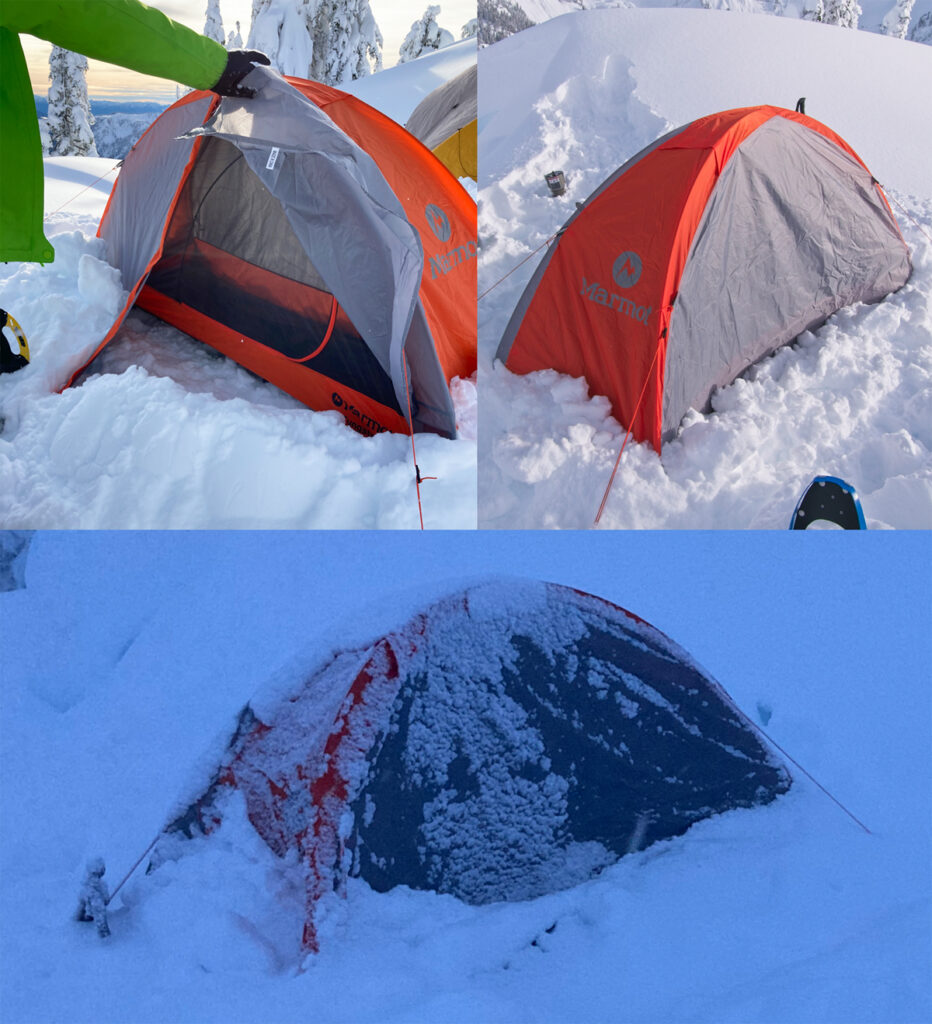
Snow can pile up around your tent. It adds weight and can cause damage. Ice can make the ground slippery and hard. Setting up a tent on ice needs care. Snow can block tent vents and cause moisture inside. Water inside the tent can freeze and chill you. Clearing snow and choosing a good spot helps a lot.
Wind Exposure
Winter winds can be very strong and cold. They can shake or even tear weak tents. Wind can blow away heat and make you colder. A good tent must stand firm against strong gusts. Setting up your tent behind natural windbreaks is smart. Securing your tent well keeps it safe all night.
Performance Of 3 Season Tents In Winter
3 season tents are popular for spring, summer, and fall camping. Their performance in winter is different. Cold weather, snow, and wind create challenges these tents may not handle well. Understanding their strengths and limits helps decide if they fit winter use.
Insulation And Warmth
3 season tents have thin fabric and mesh panels. This design lets air flow but reduces warmth. They do not keep heat inside like 4 season tents. Cold air can enter easily, making the tent colder. Using extra sleeping bags or liners can help. Still, these tents are not made to keep campers very warm in winter.
Structural Stability
These tents use lightweight poles and fabrics. They can bend or break under heavy snow or strong wind. Snow can build up on the roof and cause collapse. The tent shape often does not shed snow well. Strong gusts can make the tent unstable. Winter conditions require sturdier tents with stronger frames and less mesh.
Ventilation And Condensation
Ventilation is good in 3 season tents due to mesh panels. This helps reduce condensation inside the tent. Condensation can freeze on cold nights and cause dampness. Closing vents reduces airflow but increases moisture. Proper ventilation balance is hard to maintain in winter. The tent may feel damp and cold because of moisture build-up.
Risks Of Using 3 Season Tents In Winter
Using a 3 season tent in winter carries several risks. These tents are not built for harsh winter conditions. They may fail to protect you or your gear properly. Understanding these risks helps you stay safe and avoid damage.
Potential Damage To Tent
3 season tents are made with lighter materials. Heavy snow can weigh down and tear the fabric. Strong winter winds may break thin poles. Cold temperatures can make materials brittle and crack. Using these tents in winter can shorten their life.
Safety Concerns
These tents do not block cold wind well. Snow can build up on the tent and cause collapse. Lack of strong ventilation can lead to moisture build-up inside. This moisture may freeze and create ice. The tent may fail to keep you warm and dry.
Comfort Limitations
3 season tents offer less insulation than winter tents. Cold air passes through the fabric easily. Snow and wind can make the inside very cold. Staying warm and comfortable becomes difficult. These tents are best for mild weather, not harsh winter.
Tips For Using 3 Season Tents In Cold Weather
Using a 3 season tent in cold weather requires some smart steps. These tents are not built for heavy snow or strong winds. Still, with care, they can work for winter trips. Follow these tips to stay safe and warm.
Site Selection
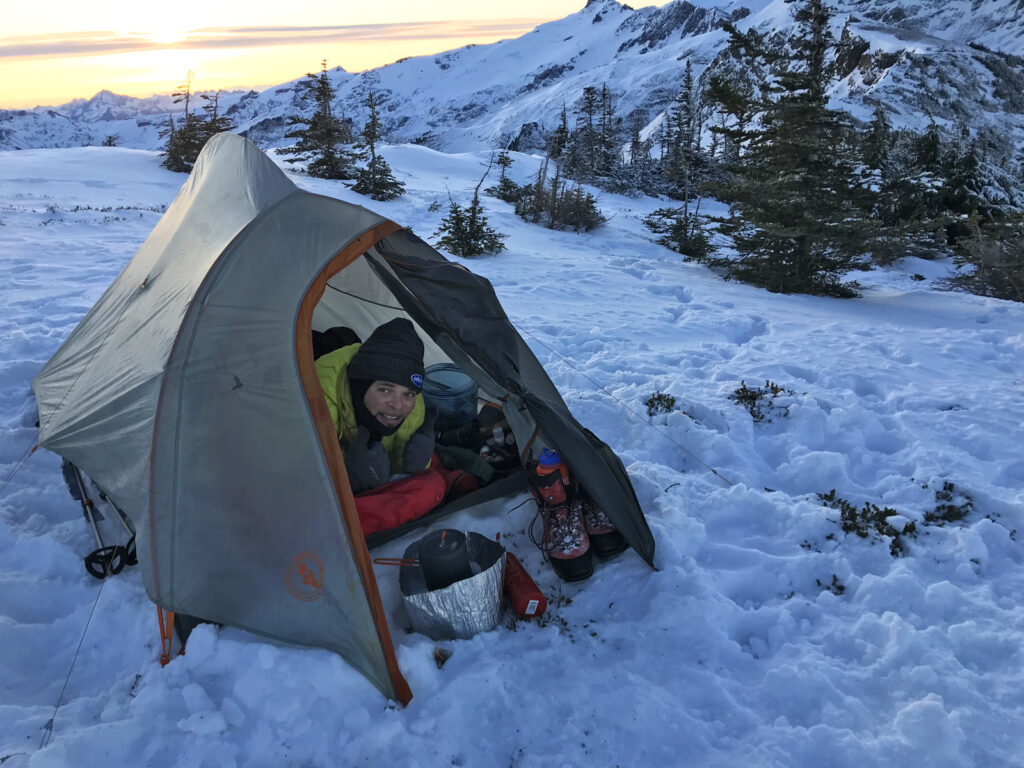
Pick a spot protected from wind. Look for natural barriers like trees or rocks. Avoid low places where cold air gathers. Check the ground is flat and dry. Clear away snow or ice before setting up. Good site choice makes a big difference.
Additional Insulation
Use extra layers under your tent floor. Foam pads or blankets add warmth. Inside, hang a tarp or space blanket on the walls. It helps keep heat inside. Wear warm clothes and use a cold-weather sleeping bag. Small steps add up to big comfort.
Snow Management
Clear snow around the tent regularly. Heavy snow can damage the tent roof. Build a small snow wall to block wind. Avoid packing snow tightly near the tent poles. Loose snow helps prevent pressure on the tent. Keep your tent safe and strong all night.
Alternatives To 3 Season Tents
Using a 3 season tent in winter is not always safe or comfortable. These tents are made for spring, summer, and fall. Winter weather is tougher. Snow, strong wind, and cold need stronger shelters. Choosing the right tent keeps you warm and protected. Here are some alternatives to 3 season tents for winter camping.
4 Season Tents
4 season tents are built for winter conditions. They have stronger poles and thicker fabric. These tents hold up well against snow and wind. Their shape helps snow slide off easily. They also keep heat inside better than 3 season tents. Using a 4 season tent means better safety and warmth in cold weather.
Winter Shelters
Winter shelters are simple shelters made for snowy places. They include snow caves, igloos, and lean-tos. Snow caves use packed snow walls for insulation. Igloos trap heat inside with ice blocks. Lean-tos protect from wind and keep you dry. Winter shelters need skill but work well in deep snow.
Hybrid Options
Hybrid tents combine features from 3 and 4 season tents. They offer more strength than 3 season tents. These tents may have extra poles or stronger fabric. Some have removable parts for better ventilation. Hybrids are lighter than full 4 season tents. They fit campers who want some winter protection without extra weight.
Credit: winterbackpacking.com
Frequently Asked Questions
Can A 3 Season Tent Handle Heavy Snow?
A 3 season tent is not designed for heavy snow loads. It may collapse under heavy snowfall. For winter camping, a 4 season tent is safer and more reliable in snowy conditions.
Is A 3 Season Tent Warm Enough For Winter?
3 season tents offer moderate insulation but lack features for extreme cold. They can retain some heat but are not ideal for freezing temperatures. Use extra insulation or a sleeping bag rated for cold weather in winter.
Can You Modify A 3 Season Tent For Winter Use?
Yes, you can add a tarp or snow skirts to improve wind protection. Using a thermal liner or insulated sleeping pad also helps. However, these modifications won’t fully compensate for the tent’s lighter structure.
What Are The Risks Of Using 3 Season Tents In Winter?
Risks include tent collapse from snow, poor insulation, and inadequate wind resistance. Exposure to cold and moisture increases with 3 season tents. These factors can lead to discomfort or safety hazards during winter camping.
Conclusion
A 3 season tent can work in mild winter conditions. It may not protect well in heavy snow or strong wind. Make sure to add extra insulation and sturdy stakes. Keep warm with proper sleeping gear and clothing. Always check the weather before camping.
Stay safe and enjoy your winter adventure. Choosing the right tent matters for comfort and safety. Winter camping can be fun with the right preparation.
