
Are you wondering if your 3 season tent can handle the cold grip of winter? You might think it’s designed only for spring, summer, and fall, but what happens when winter calls?
Before you pack up and buy a new tent, it’s important to know the limits of what your 3 season tent can do. Understanding how it performs in snow, wind, and freezing temperatures can save you from a chilly night or worse.
Keep reading to discover whether your tent can brave the winter or if it’s time to upgrade for your cold-weather adventures.
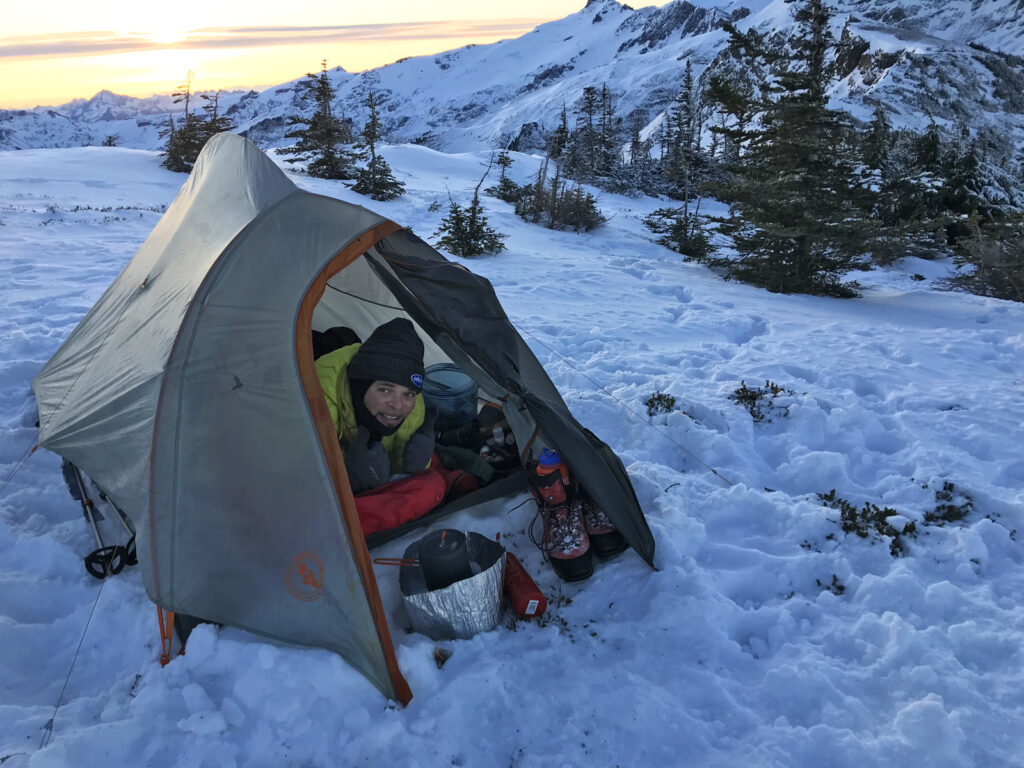
Credit: winterbackpacking.com
3 Season Tent Basics
A 3 season tent is a popular choice for many campers. It works well in spring, summer, and fall. These tents balance weight, ventilation, and weather protection. Understanding their basics helps decide if they suit winter use.
These tents offer comfort in mild to moderate weather. But their design limits extreme cold or heavy snow conditions. Knowing their features helps set the right expectations.
Design Features
3 season tents have a lightweight frame for easy carrying. They include mesh panels for good airflow. This reduces condensation inside the tent. The shape usually resists rain and light wind. The tent floor is waterproof but not built for deep snow.
Materials Used
Most 3 season tents use nylon or polyester fabrics. These materials are water-resistant but not fully waterproof. The poles are often aluminum or fiberglass. They provide strength without adding much weight. The mesh fabric allows air to pass through but blocks insects.
Intended Weather Conditions
These tents are designed for mild weather. They handle rain, light wind, and moderate temperatures well. Heavy snow or strong winds can damage the tent. Cold winter nights might make it hard to stay warm. They do not offer the insulation needed for harsh winter camping.
Winter Camping Challenges
Winter camping brings many challenges that test your gear and skills. Cold weather, heavy snow, and strong winds can make camping tough. Understanding these challenges helps you prepare better. It also shows why certain tents may or may not work well in winter.
Cold Temperatures
Winter nights can drop well below freezing. Cold air saps body heat quickly. A tent must keep warmth inside to protect campers. Three-season tents often lack insulation for deep cold. The fabric and vents may let cold air seep in. Staying warm requires extra gear and careful setup.
Snow Load
Snow can pile up on your tent during winter storms. Heavy snow puts pressure on the tent roof. Three-season tents are usually not built to hold this weight. The poles may bend or break under heavy snow. Snow buildup can cause the tent to collapse. Clearing snow often is necessary to avoid damage.
Wind Exposure
Winter winds can be fierce and relentless. Three-season tents have lighter frames and less sturdy materials. Strong gusts can shake or tear them apart. Proper anchoring helps but may not be enough. A four-season tent usually offers better wind resistance. Wind can lower the tent’s temperature inside too.
Limitations Of 3 Season Tents In Winter
3 season tents are popular for spring, summer, and fall camping. They are light and easy to carry. But winter camping is different. The cold, snow, and wind bring challenges that 3 season tents may not handle well.
Understanding these limits helps you stay safe and warm. Here are the main issues with using 3 season tents in winter.
Insulation Issues
3 season tents have thin fabric and mesh panels. These allow air to flow for ventilation. But in winter, this means cold air gets inside easily. The tent does not hold heat well. Your body warmth escapes quickly. You may feel very cold at night.
Structural Weakness
These tents are not built for heavy snow or strong winds. Their poles and fabric are lighter and less sturdy. Snow can pile on the roof and cause it to collapse. Strong winter winds may bend or break poles. This makes the tent unsafe during storms.
Ventilation Concerns
Good airflow is important to reduce moisture inside the tent. 3 season tents have many vents and mesh windows. In winter, you might close them to keep warm. This can trap moisture from breathing and sweating. Condensation builds up and makes the tent damp. Wet gear and clothes can freeze and make you colder.
When 3 Season Tents Can Work In Winter
Using a 3 season tent in winter is possible under certain conditions. These tents are designed for spring, summer, and fall, but can work in mild winter settings. Understanding the right situations helps keep you safe and comfortable.
Knowing when a 3 season tent can handle cold weather helps plan better trips. Focus on temperature, trip length, and where you set up your tent.
Mild Winter Conditions
3 season tents work well in mild winter climates. When snow is light or absent, and temperatures stay above freezing, these tents perform adequately. They provide enough protection against wind and rain in these settings. Avoid heavy snow or strong winds, as these tents are not built for harsh winter weather.
Short Duration Trips
Short trips reduce exposure to cold and weather changes. A 3 season tent can be enough for a night or two in winter. Quick trips limit the need for heavy winter gear. Make sure to have a warm sleeping bag and clothes to stay cozy inside the tent.
Proper Site Selection
Choosing the right spot is key for winter camping with a 3 season tent. Find sheltered areas away from wind and open spaces. Avoid low spots where cold air collects. Set up on firm, dry ground to avoid moisture problems. Placing the tent near natural barriers helps block wind and snow.
Tips To Improve Winter Performance
Using a 3 season tent in winter can be challenging. These tents are not built for heavy snow or strong winds. Still, you can improve their performance with some smart steps. Simple changes make your tent safer and warmer in cold weather. Here are some tips to help you get the best winter use from your 3 season tent.
Reinforcing Tent Structure
Strong winds and snow can stress your tent poles. Use extra guy lines to secure the tent firmly. Tie them to nearby trees or stakes driven deep into the ground. Add snow anchors if the soil is soft or covered with snow. Check all connections before nightfall. This stops the tent from collapsing under pressure. Avoid sharp bends in poles to prevent breaks.
Adding Insulation Layers
Cold air seeps through the tent floor and walls. Lay a thick ground tarp or foam pad under your sleeping bag. Use an insulated sleeping mat for extra warmth. Cover the tent floor with blankets or rugs for more insulation. Hang a thermal blanket inside the tent roof to hold heat. These layers help keep cold out and warmth in.
Managing Ventilation
Good airflow cuts down inside moisture. Moisture causes frost and makes you feel colder. Keep tent vents open a little, even in cold weather. Use mesh windows to allow air but block snow. Avoid sealing the tent completely airtight. This balance stops condensation and keeps the tent dry. Dry tents stay warmer and more comfortable.
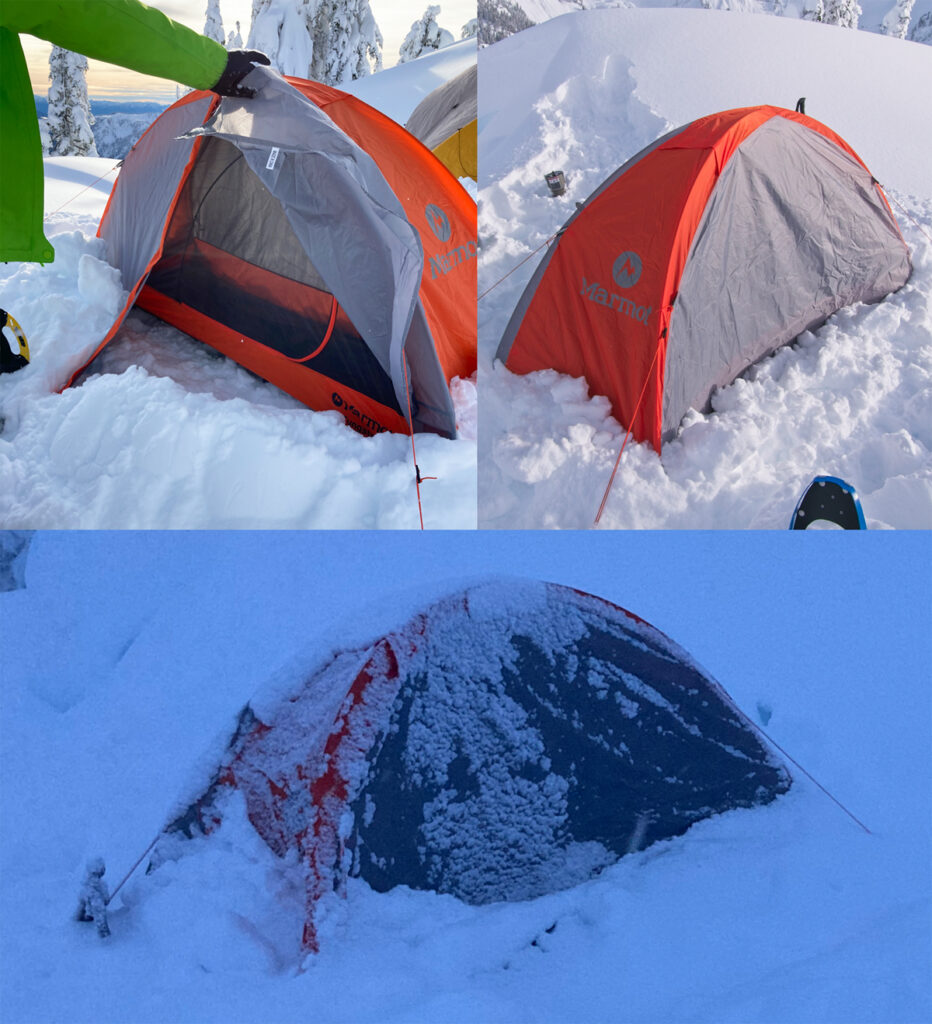
Credit: winterbackpacking.com
Alternative Tent Options
Choosing the right tent for winter camping is very important. A 3 season tent may not handle snow and strong wind well. There are better options designed for cold and tough weather.
These tents keep you warm and safe during winter trips. They also protect against heavy snow and freezing temperatures. Here are some common types of tents for winter use.
4 Season Tents
4 season tents are built to handle harsh winter conditions. They have stronger poles and thicker fabric. This design stops snow from piling on the roof.
These tents keep wind and cold air outside. They also provide better insulation than 3 season tents. Great choice for camping in snow or cold weather.
Mountaineering Tents
Mountaineering tents are made for extreme mountain weather. They are very durable and stable in strong wind and snow. These tents use heavy-duty materials to resist damage.
They often have low profiles to reduce wind exposure. Perfect for serious winter climbers and high-altitude trips. These tents offer excellent protection in tough conditions.
Hybrid Designs
Hybrid tents mix features from 3 and 4 season tents. They provide more warmth than 3 season tents. Also, they are lighter and more breathable than 4 season tents.
These tents work well for mild winter camping. Good for areas with less snow or cold. A flexible option for campers who face changing weather.

Credit: www.youtube.com
Frequently Asked Questions
Can A 3 Season Tent Handle Heavy Snow?
A 3 season tent is not designed for heavy snow loads. Its frame and fabric may collapse under weight. For heavy snow, use a 4 season tent built to endure harsh winter conditions and strong winds.
Is A 3 Season Tent Warm Enough For Winter?
3 season tents offer limited insulation and wind protection. They are not ideal for very cold temperatures. Use additional insulation like sleeping pads and warm sleeping bags for winter use, but a 4 season tent is safer for extreme cold.
Can You Add Accessories To Winterize A 3 Season Tent?
Yes, you can add vestibules, snow skirts, and extra tarps to improve warmth. However, these add-ons don’t replace the structural strength of a winter-specific tent. Winterizing helps but doesn’t fully prepare a 3 season tent for severe winter weather.
What Are The Risks Of Using A 3 Season Tent In Winter?
Risks include tent collapse from snow weight, poor insulation, and exposure to wind chills. This can lead to hypothermia or unsafe shelter conditions. Always assess weather severity before relying on a 3 season tent in winter.
Conclusion
A 3 season tent can work in winter, but with limits. It does not block strong wind or heavy snow well. Extra care is needed to stay warm and dry. Use good sleeping gear and find a safe spot. Check the weather before you go.
For harsh winter trips, a 4 season tent is safer. Still, a 3 season tent can suit mild cold and dry snow. Choose your gear based on your trip’s needs and conditions. Stay safe and enjoy your outdoor adventure.
