
Choosing the right size for your hiking boots can make or break your outdoor experience. You might wonder, “Should I size up in hiking boots to avoid discomfort?”
Getting this wrong could lead to sore feet, blisters, or even injuries on the trail. But sizing up isn’t always the answer. You’ll discover exactly when and why you might need a bigger size—and when sticking to your true size is better.
Keep reading to find the key tips that will keep your feet happy and ready for every adventure.
Why Boot Size Matters
Choosing the right size for hiking boots is very important. Boots that fit well keep your feet safe and comfortable. Poorly sized boots cause pain and blisters. They also affect how well you walk on rough trails. Your hiking experience depends a lot on boot size.
Impact On Comfort And Performance
Boots that are too tight squeeze your feet. This leads to soreness and numbness. Tight boots also reduce blood flow, making your feet cold.
Boots that are too loose cause your feet to slide. This creates blisters and makes walking harder. Loose boots also reduce your balance and control on rocks and slopes.
Properly fitted boots support your feet well. They give you comfort even on long hikes. Good fit helps you walk with less effort and better speed.
Common Sizing Challenges
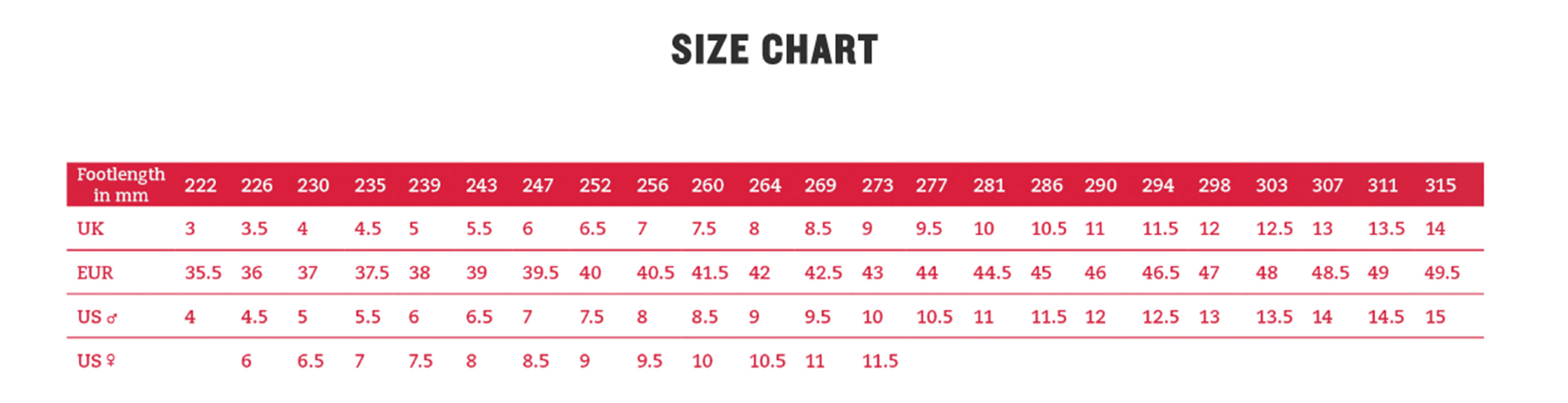
Different brands may size boots differently. One brand’s size 9 might feel like a size 8 in another.
Feet swell during hikes, so boots need some extra space. But too much space leads to slipping.
Thick hiking socks change the fit. Boots should fit well with the socks you plan to wear.
Trying boots at the end of the day is best. Feet swell after walking, so you get a true fit.
When To Size Up
Choosing the right size for hiking boots matters a lot. Boots that fit well keep your feet safe and comfortable. Sometimes, sizing up helps in certain situations. It gives extra room for comfort and better performance on the trail.
Accommodating Thick Socks
Thick socks add warmth and cushion. They take up more space inside the boot. Sizing up helps to fit these socks without squeezing your feet. It stops pressure points and blisters during long hikes.
Allowing Space For Swelling
Feet swell after walking for hours. Heat and activity cause this swelling. Boots with a little extra space stop your feet from feeling tight. This space reduces pain and avoids damage to your toes.
Extra Room For Insoles
Some hikers use special insoles for support. These insoles add thickness inside the boot. Sizing up creates room for insoles without making boots too tight. It improves comfort and foot stability on rough paths.
Risks Of Oversizing
Choosing the right size for hiking boots is important. Oversizing boots might seem comfortable at first. Yet, wearing boots that are too big can cause problems on the trail. These issues can affect your hiking experience and safety. Understanding the risks helps you pick the best fit.
Blisters And Hot Spots
Boots that are too large cause your feet to slide inside. This friction creates blisters and hot spots. Painful blisters can spoil your hike quickly. Hot spots warn you before blisters form. Tight boots reduce this problem by holding your feet firmly.
Reduced Stability
Oversized boots offer less control over your steps. Your feet move too much inside the boot. This reduces balance, especially on rough trails. Stability is key for safe hiking. Boots that fit well keep your feet steady and secure.
Tripping Hazards
Loose boots increase the chance of tripping. Extra space can make your foot catch the boot edge. Trips and falls can cause injuries. Properly fitting boots help prevent accidents. They support your feet and improve walking confidence.

Credit: www.walmart.com
Expert Fitting Tips
Finding the right size for hiking boots is key for comfort and safety. Expert tips help you avoid common fitting mistakes. These tips focus on how to try and test boots properly. You will learn how to check fit with real conditions in mind.
Trying Boots At The End Of The Day
Feet swell during the day. Trying boots late in the day matches this natural change. Boots that feel tight in the morning may fit better after hours of activity. This method prevents buying boots that feel good only when your feet are fresh.
Testing With Hiking Socks
Wear the socks you plan to hike in. Hiking socks add thickness and cushioning. They change how boots fit your feet. Testing boots with these socks gives a true sense of comfort. Thin or no socks can lead to wrong size choices.
Checking Heel And Toe Fit
Heel slip causes blisters and discomfort. Make sure your heel stays snug without pinching. Your toes need space to move but not slide. About a thumb’s width between toes and boot front works well. This balance prevents pain and foot injuries on trails.
Adjusting Fit Without Sizing Up
Finding the right fit in hiking boots matters a lot. Not everyone needs to buy a bigger size. Small adjustments can make boots fit better without sizing up. This saves money and keeps your feet comfortable.
Try simple ways to improve fit. Use insoles or inserts to fill space inside. Change your lacing style for more support. Break in your boots slowly to soften materials. These steps help your boots feel just right.
Using Insoles And Inserts
Insoles add cushion and support inside boots. They fill extra space to stop your feet from sliding. Inserts can also lift your foot for better fit. Choose insoles that match your foot shape. They make boots more comfortable without buying larger sizes.
Lacing Techniques For Support
Lacing boots tightly around your foot gives better hold. Use special lacing patterns for ankle support. Try “heel lock” lacing to stop heel slip. Adjust laces as you walk to keep comfort. Good lacing keeps boots snug and secure without extra size.
Breaking In Your Boots
New boots feel stiff at first. Wear them short times around home or yard. Walk on soft surfaces to soften material gently. This makes boots mold to your feet better. Breaking in boots reduces pressure points and pain. No need to buy a bigger size after breaking in.
Credit: www.walmart.com
Special Considerations
Choosing the right hiking boot size is not always simple. Some factors need special attention. These affect how the boots fit and feel on your feet. Understanding these helps you pick the best size for your adventure.
Boot Types And Sizing Differences
Hiking boots come in many styles. Light trail shoes fit differently than heavy mountaineering boots. Trail runners often feel snug to give more control. Stiffer boots need extra space for thick socks and foot swelling.
Boot materials also change the fit. Leather boots stretch over time. Synthetic boots keep their shape longer. This means you might size up for leather but not for synthetics. Trying boots on with hiking socks helps find the right size.
Gender And Foot Shape Variations
Men’s and women’s boots have different shapes. Women’s boots usually have narrower heels and smaller volumes. This helps avoid slipping and blisters. Men’s boots often offer more width and room in the toe box.
Foot shape matters a lot. Wide feet need boots with a wider last. High arches need more support inside the boot. Flat feet may require more cushioning. Knowing your foot shape guides you to the best fit and comfort.
Credit: stories.hanwag.com
Frequently Asked Questions
Should I Size Up When Buying Hiking Boots?
Sizing up is often recommended for hiking boots. Extra space prevents toe injuries during downhill hikes and with thick socks. However, boots should fit snugly to avoid blisters. Always try boots with hiking socks before buying to ensure comfort and proper fit.
How Much Bigger Should Hiking Boots Be?
Hiking boots should be about half a size to one size larger than your regular shoes. This extra space allows for foot swelling and thicker socks. Avoid too much extra room, which can cause slipping and blisters on trails.
Can Tight Hiking Boots Cause Foot Problems?
Yes, tight hiking boots can cause blisters, black toenails, and foot pain. They restrict blood flow and increase pressure on toes. Proper fit with enough room for toes prevents these issues and improves hiking comfort.
Is It Better To Size Up Or Down In Hiking Boots?
It’s better to size up slightly in hiking boots. This accounts for foot swelling and thick socks. Sizing down can cause discomfort and foot injuries. Always prioritize a comfortable fit over style or brand sizing.
Conclusion
Choosing the right size for hiking boots matters a lot. Boots that are too small cause pain and blisters. Boots too big can lead to slipping and poor support. It helps to try boots with hiking socks on. Walk around to feel the fit before buying.
Remember, your feet swell during long hikes. A little extra space at the toes is good. Comfort and safety come first on every trail. Take time to find boots that fit well. Your feet will thank you on every adventure.
