
Imagine you’re hiking through a quiet trail, enjoying nature’s beauty, when suddenly you hear a sharp rattling sound nearby. Your heart races as you realize you might have just come face-to-face with a rattlesnake.
What do you do next? Knowing how to react quickly and calmly can keep you safe in this unexpected moment. You’ll discover simple, lifesaving steps to take if you encounter a rattlesnake while hiking. Keep reading—you’ll want to be prepared before your next outdoor adventure.

Credit: www.denverpost.com
Spotting Rattlesnakes On Trails
Spotting rattlesnakes on trails helps hikers stay safe and calm. Recognizing where rattlesnakes live and their habits lowers the chance of surprise encounters. Watching for signs of rattlesnakes nearby gives time to change path or wait safely. Knowing how rattlesnakes act can help hikers avoid sudden moves that might scare the snake.
Common Rattlesnake Habitats
Rattlesnakes like dry, rocky areas with good hiding spots. They often live near bushes, tall grass, or wood piles. Look near logs, large rocks, or under leaves where snakes can rest. Warm, sunny places attract rattlesnakes since they need heat to stay active. Trails near water or streams sometimes have rattlesnakes too.
Signs Of Nearby Rattlesnakes
Hearing a rattling sound is the most clear sign of rattlesnakes. They shake their tails to warn danger. Look for shed snake skins on the ground. Watch for unusual trail marks or disturbed leaves and dirt. Small holes or burrows may hide snakes. Smelling a strong, musky odor can also mean a snake is close.
Rattlesnake Behavior Patterns
Rattlesnakes usually stay still to avoid danger. They only move quickly if they feel threatened or want to escape. Most are active during warm parts of the day or at dusk. They can freeze or coil up when disturbed. Rattlesnakes rarely attack unless stepped on or cornered. Watching their body language helps predict their next move.
Immediate Actions When Encountering A Rattlesnake
Encountering a rattlesnake while hiking can be scary. Knowing what to do right away helps keep you safe. Immediate actions can stop the snake from feeling threatened. These steps lower the chance of a bite.
Stay Calm And Still
Stop moving and breathe slowly. Sudden actions can scare the snake. Staying calm shows you are not a threat. The snake may stay still too. This reduces the chance of an attack.
Back Away Slowly
Move away from the snake very slowly. Take small steps backward. Do not turn your back on it. Keep your eyes on the snake’s movements. Give the snake plenty of space to feel safe.
Avoid Sudden Movements
Do not wave your arms or run. Quick moves can make the snake strike. Keep your body relaxed and quiet. Sudden noise or motion may make it defensive. Slow, smooth actions help avoid bites.
Preventing Rattlesnake Bites
Preventing rattlesnake bites is important for every hiker. Knowing how to stay safe helps avoid dangerous encounters. Simple steps reduce risks and keep the hike enjoyable. Awareness and good habits protect you in snake country.
Proper Hiking Gear
Wear long pants and thick boots. They protect your legs and feet from snake bites. Avoid sandals or shorts on trails. Bright colors help spot snakes easier. Carry a small first aid kit for emergencies.
Safe Trail Practices
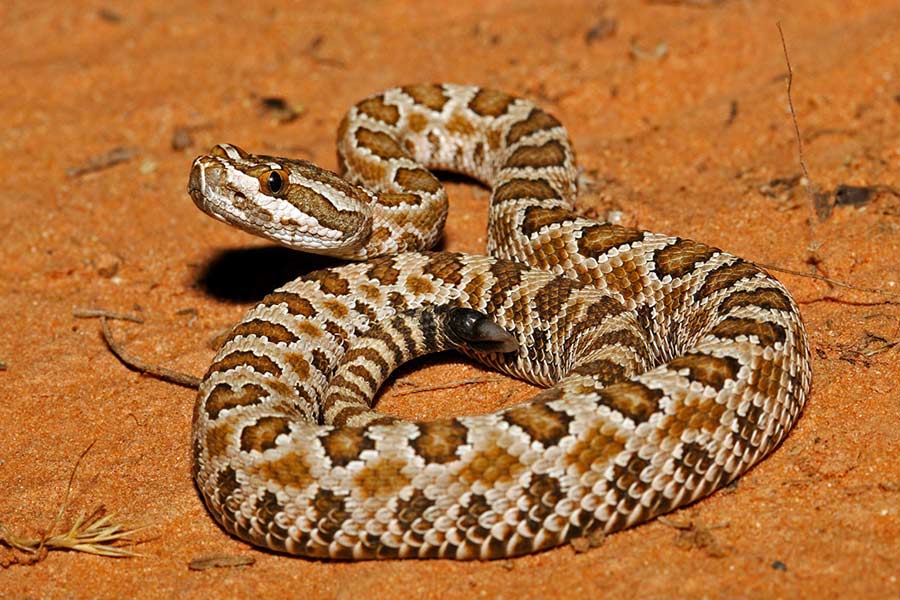
Stay on marked trails to avoid snake habitats. Watch where you step and place your hands. Avoid tall grass and rocks where snakes hide. Make noise to warn snakes of your approach. Do not touch or disturb any snake you see.
Using A Walking Stick
Carry a walking stick to tap the ground ahead. This alerts snakes and gives them a chance to move. The stick helps keep balance on rough terrain. Use it to check bushes or rocks before stepping near them.
Credit: wildlife.utah.gov
Handling A Rattlesnake Bite
Handling a rattlesnake bite requires calm and quick action. Knowing what to do can save lives and reduce harm. Immediate care helps slow the venom spread and eases pain. Follow clear steps to help yourself or others safely after a bite.
First Aid Steps
Move away from the snake to avoid more bites. Keep the bitten area still and below heart level. Remove tight clothing or jewelry near the bite. Clean the wound gently with soap and water. Cover the bite with a clean, dry dressing. Stay calm and keep the person as still as possible. Note the time of the bite for medical staff. Call emergency services right away.
What Not To Do
Do not cut the wound or try to suck out venom. Avoid applying ice or a tourniquet to the bite. Do not give alcohol or caffeine to the bitten person. Avoid running or heavy movement that raises heart rate. Never waste time on home remedies or unproven treatments.
When To Seek Emergency Help
Seek emergency help immediately after a rattlesnake bite. Watch for swelling, severe pain, or difficulty breathing. Call for medical help if the person feels weak or dizzy. Antivenom and professional care are essential to treat the bite. Quick medical attention lowers the risk of serious damage.
Preparing For Rattlesnake Encounters
Preparing for rattlesnake encounters is essential for safe hiking. Knowing what to carry and who to inform helps reduce risks. Simple steps can improve your safety during outdoor adventures.
Carrying A Snake Bite Kit
A snake bite kit can help in emergencies. It contains tools to slow venom spread. Learn how to use the kit before hiking. Keep it easy to reach in your backpack.
Informing Someone Of Your Plans
Tell a friend or family member your hiking route. Share your expected return time as well. This helps rescuers find you faster in trouble. Always update them if your plans change.
Knowing Local Emergency Numbers
Save emergency phone numbers on your phone. Include local park services and medical help. Cell service may be weak, so write numbers down too. Quick access to help can save lives.
Myths And Facts About Rattlesnake Safety
Rattlesnakes often cause fear and confusion among hikers. Many people believe wrong ideas about how to stay safe around them. Knowing the truth helps you avoid danger and remain calm. This section clears up myths and shares facts about rattlesnake safety.
Common Misconceptions
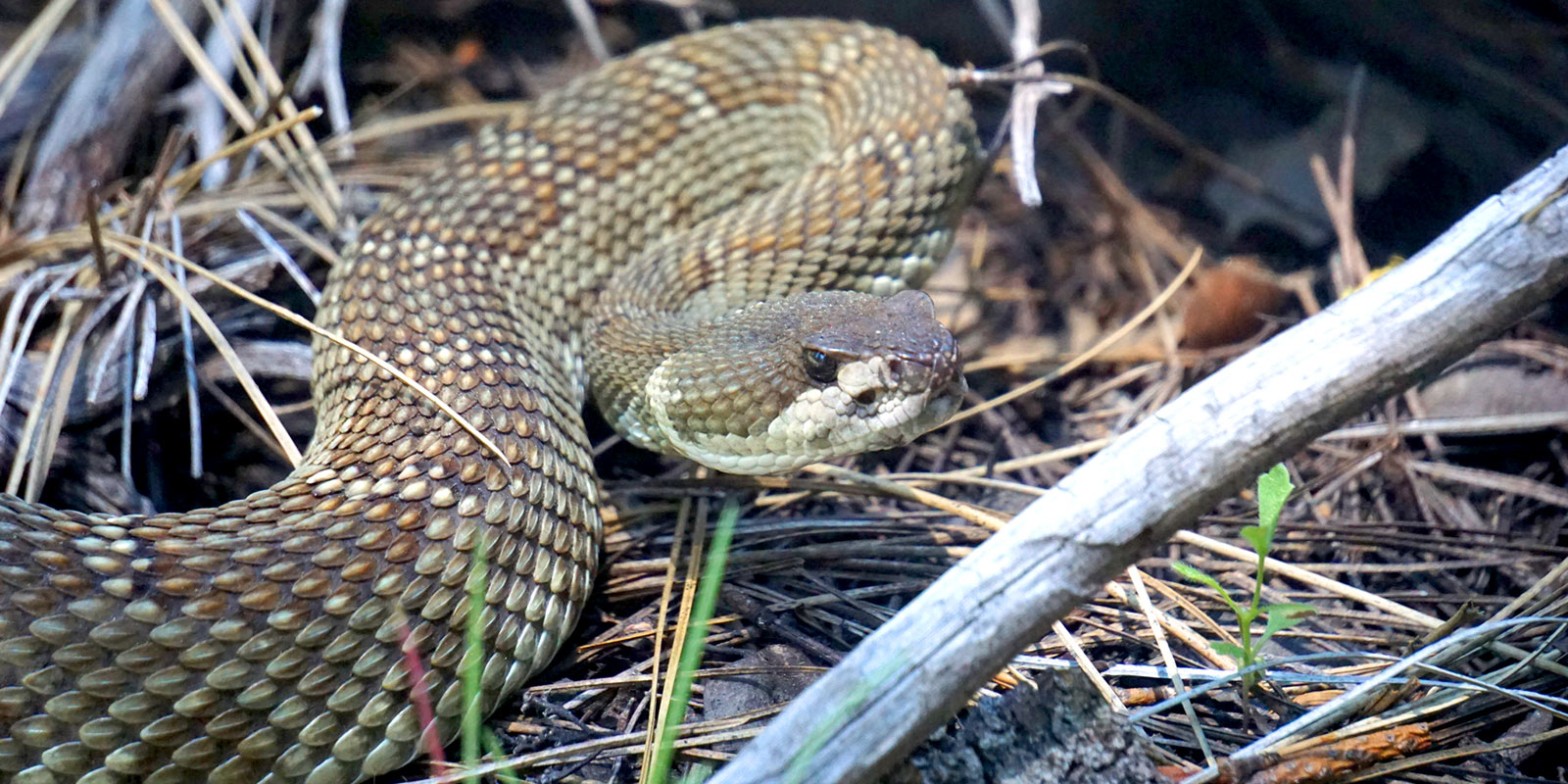
Some think rattlesnakes always warn with a loud rattle. Not true. They may stay silent and strike if surprised. Another myth says all rattlesnake bites are deadly. Most bites can be treated if help arrives fast. People also believe snakes chase humans. Rattlesnakes usually avoid people and only defend themselves.
Effective Safety Tips
Stay on marked trails and watch your step. Avoid tall grass and rocky areas where snakes hide. Keep a safe distance if you see a rattlesnake. Do not try to touch or move it. Wear boots and long pants to protect your legs. Move away slowly and calmly to avoid startling the snake.
How To Stay Informed
Learn about rattlesnakes in the area before hiking. Check local park websites or visitor centers for updates. Carry a map and know where help is located. Take a basic first aid course for snake bites. Share safety tips with friends and family. Staying informed lowers risk and boosts confidence.
Credit: parks.sonomacounty.ca.gov
Frequently Asked Questions
What Should I Do Immediately After Seeing A Rattlesnake?
Stay calm and slowly back away from the rattlesnake. Avoid sudden movements or loud noises that may provoke it. Keep a safe distance of at least 6 feet and do not try to touch or capture the snake. Alert others nearby about the snake’s presence.
How Can I Prevent Rattlesnake Bites While Hiking?
Wear long pants and sturdy boots to protect your legs. Stay on well-used trails and avoid tall grass or rocky areas. Watch carefully where you step or place your hands. Use a hiking stick to probe ahead in dense vegetation.
Is It Safe To Hike Alone In Rattlesnake Habitats?
Hiking with a companion is safer because help is available in emergencies. If you hike alone, carry a phone and a first aid kit. Inform someone about your route and expected return time. Stay alert and avoid risky areas.
What Are The Signs Of A Rattlesnake Bite?
Look for two puncture wounds at the bite site, swelling, redness, and severe pain. Other symptoms may include dizziness, nausea, and difficulty breathing. Seek immediate medical attention if bitten. Do not apply ice or tourniquets.
Conclusion
Encountering a rattlesnake while hiking can feel scary. Stay calm and move away slowly. Give the snake plenty of space to leave. Avoid sudden movements that might startle it. Always watch where you step or place your hands. Remember, rattlesnakes usually want to avoid people.
Respect their home and stay safe on the trail. Being careful helps you enjoy nature without danger. Keep these tips in mind for your next hike. Safety first, always.
