
Are you wondering whether you should wear hiking shoes or sneakers for your next outdoor adventure? Choosing the right footwear can make a huge difference in your comfort and safety.
While sneakers might feel familiar and casual, hiking shoes are built for rough trails and long walks. You’ll discover the key differences between hiking shoes and sneakers, so you can make the best choice for your feet and enjoy every step of your journey.
Keep reading to find out which option suits your needs perfectly!
:max_bytes(150000):strip_icc()/VWFit-hiking-shoes-versus-walking-shoes-7548411-152aaaad90024603b172fdf65bb0c157.jpg)
Credit: www.verywellfit.com
Purpose And Design
The purpose and design of hiking shoes and sneakers differ greatly. Each is made for a specific activity and environment. Understanding these differences helps you choose the right footwear.
Intended Use
Hiking shoes are built for rough and uneven trails. They support your feet on rocks, mud, and steep paths. Sneakers are made mainly for smooth surfaces like roads and gym floors. They focus on comfort and style for everyday wear.
Construction Differences
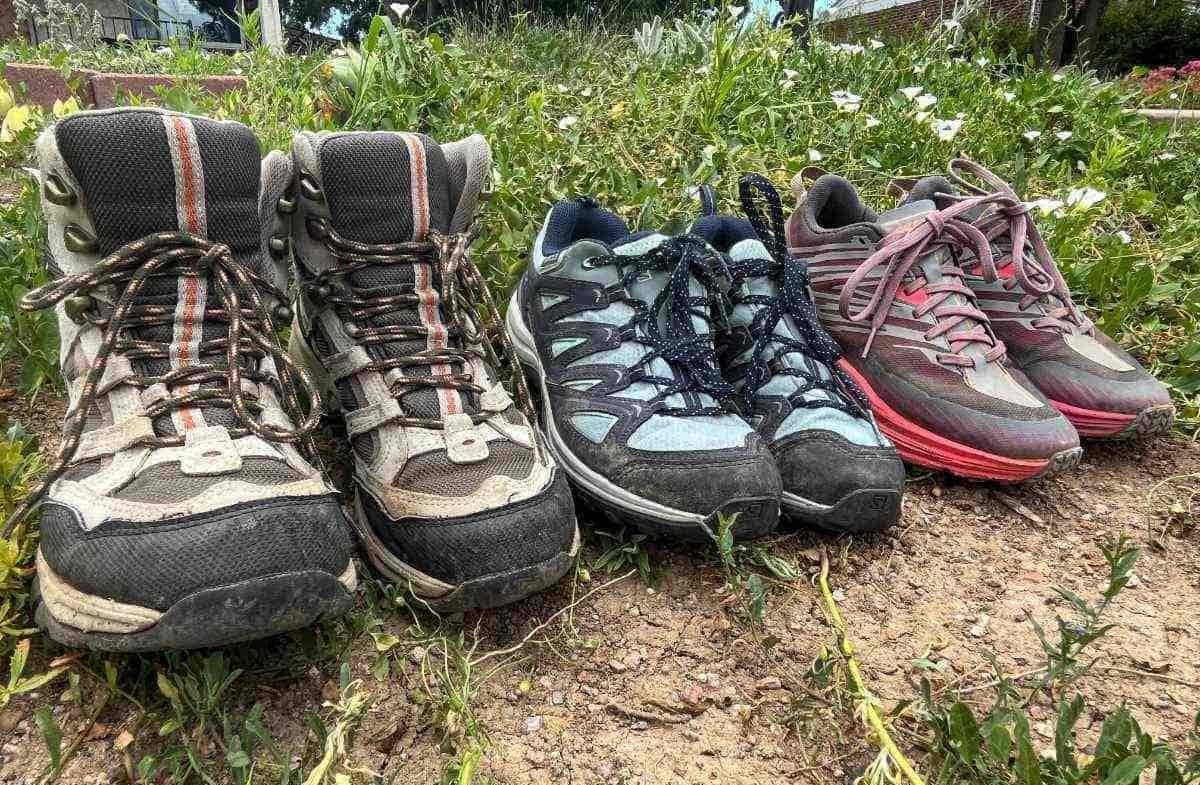
Hiking shoes have strong soles with deep treads to prevent slipping. They use tough materials to protect your feet from sharp objects. Sneakers have softer soles for flexibility and lightness. They use breathable fabrics for comfort during casual activities.
Credit: www.treelinereview.com
Material And Durability
Material and durability play a key role in hiking shoes and sneakers. These factors affect comfort, protection, and how long the shoes last. Hiking shoes use strong materials made for rough paths. Sneakers use lighter materials made for daily use and smooth surfaces.
Upper Materials
Hiking shoes have uppers made of tough leather or thick synthetic fabrics. These materials protect feet from rocks and dirt. They also stop water from entering the shoe. Sneakers use soft mesh or fabric for breathability. This makes sneakers light but less strong and less water-resistant than hiking shoes.
Sole Composition
The sole of hiking shoes is thick and made from hard rubber. It offers good grip on mud, rocks, and uneven ground. The sole is also stiff to support ankles on rough trails. Sneakers have thinner, flexible soles made from soft rubber or foam. This design suits flat surfaces and helps with quick movements but wears out faster on rough land.
Support And Comfort
Support and comfort are key factors in choosing shoes for any activity. Hiking shoes and sneakers differ greatly in these areas. Each type offers a unique design to protect your feet during movement. Understanding these differences helps you pick the right shoe for your needs.
Arch And Ankle Support
Hiking shoes provide strong arch and ankle support. This helps keep your feet stable on uneven ground. The higher cut around the ankle prevents twists and sprains. Sneakers usually have low ankle support. They focus more on flexibility and lightness. This makes sneakers less protective on rough trails but comfortable for daily use.
Cushioning And Fit
Hiking shoes have firmer cushioning to absorb shocks on rocks and dirt. Their fit is snug to prevent foot movement inside the shoe. This reduces blisters during long walks. Sneakers offer softer cushioning for smoother surfaces. They fit more loosely to allow quick movements and breathability. This makes sneakers good for short walks or casual wear.
Traction And Grip
Traction and grip play a big role in hiking shoes and sneakers. These features keep your feet steady and safe. They help prevent slips on wet or uneven ground. Understanding their differences helps you pick the right shoe for your activity.
Outsole Patterns
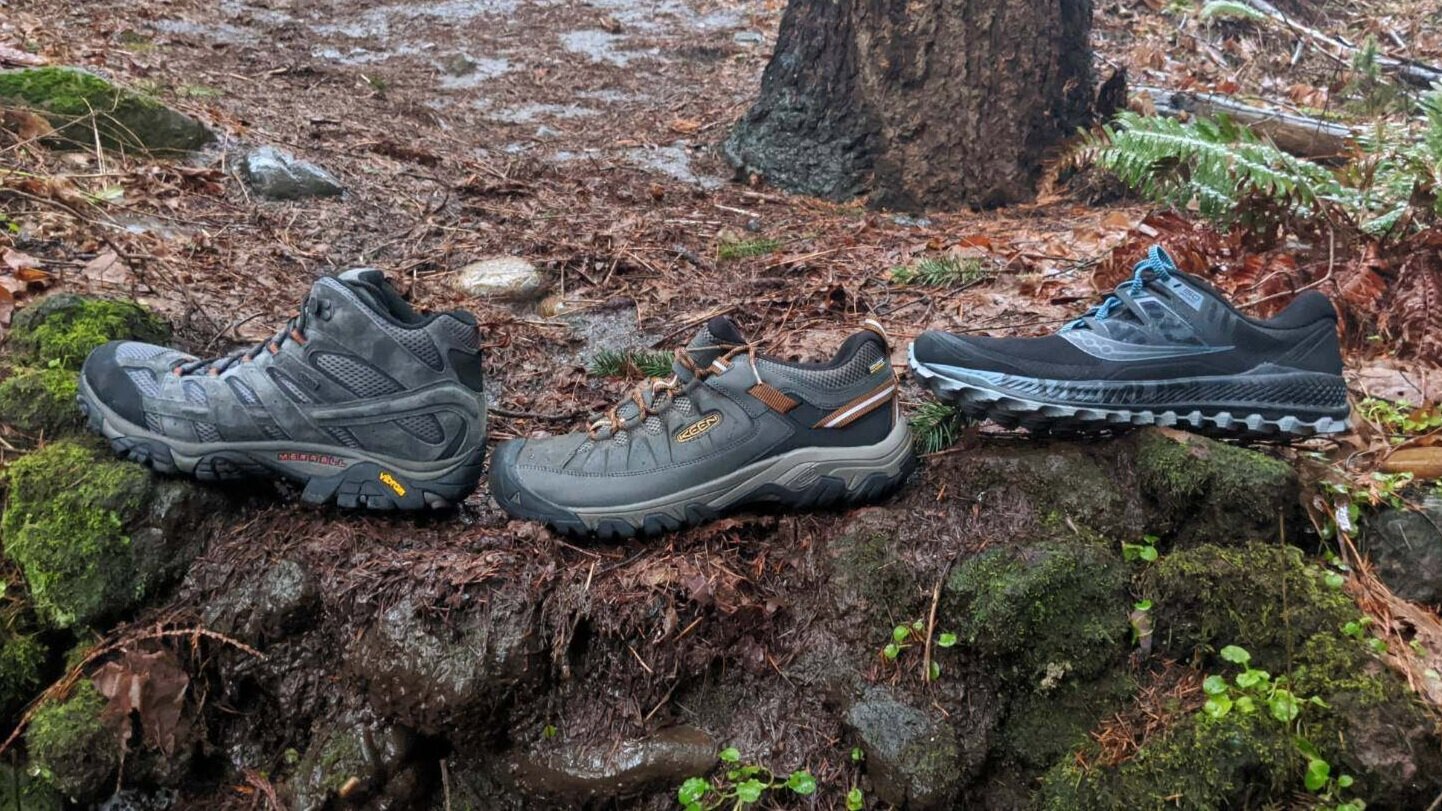
Hiking shoes have deep, aggressive outsole patterns. These patterns dig into dirt, rocks, and mud. They offer strong grip on rough surfaces. Sneakers usually have flat or shallow patterns. These work well on smooth floors and pavements. The outsole design directly affects how well shoes hold on trails.
Performance On Various Terrains
Hiking shoes perform better on steep, slippery, and rocky trails. Their soles provide traction and stop feet from sliding. Sneakers work best on flat, dry, and even surfaces. They lack the grip needed for tough outdoor paths. Traction affects your balance and confidence during any walk.
Water Resistance And Breathability
Water resistance and breathability are key factors in choosing between hiking shoes and sneakers. These features affect comfort and foot protection during outdoor activities. Hiking shoes often need to keep feet dry and cool, even in wet or rough conditions. Sneakers focus more on comfort and airflow for casual use.
Waterproof Features
Hiking shoes usually have waterproof materials like Gore-Tex. This stops water from entering but lets sweat escape. Waterproof shoes protect feet on wet trails or rainy days. Sneakers rarely have waterproof layers. They soak up water quickly, which makes feet wet and cold. Hiking shoes offer better protection in wet environments.
Ventilation Options
Sneakers use mesh fabric to allow air flow. This keeps feet cool and dry during daily wear. Hiking shoes also include breathable materials but balance this with water resistance. Some have vents or breathable membranes to reduce sweat build-up. Proper ventilation helps prevent blisters and discomfort. Sneakers prioritize breathability more than hiking shoes.
Weight And Flexibility
Weight and flexibility are key factors that set hiking shoes and sneakers apart. These features affect how you move and how your feet feel on different surfaces. Choosing the right shoe depends on balancing these two elements.
Impact On Mobility
Hiking shoes tend to be heavier than sneakers. This weight adds support but can slow you down. Sneakers are lighter and more flexible. They allow your feet to move more freely. On easy trails, sneakers may feel more comfortable. On rough terrain, hiking shoes protect your feet and help steady your steps.
Trade-offs Between Weight And Protection
Hiking shoes offer more protection with firm soles and sturdy materials. This makes them less flexible but safer on rocks and uneven ground. Sneakers sacrifice some protection for lightness and ease of movement. They work well for short walks or smooth paths. Choosing between them means deciding if you want more comfort or more foot safety.
Price And Longevity
Price and longevity are key factors when choosing hiking shoes or sneakers. Both affect your budget and how long your footwear lasts. Understanding these differences helps you make a smarter choice. This section breaks down costs and lifespan clearly.
Cost Comparison
Hiking shoes usually cost more than sneakers. They have stronger materials and better features. Prices often range from $80 to $200. Sneakers tend to be cheaper, often between $40 and $100. Their design focuses on casual use, not tough trails. Paying more for hiking shoes means better protection and support.
Lifespan Expectations
Hiking shoes last longer under rough conditions. They are built to handle rocks, mud, and water. You can expect 500 to 1,000 miles of use. Sneakers wear out faster on trails. Their soles and fabric break down quickly. Sneakers usually last 200 to 400 miles outdoors. Using sneakers for hiking reduces their lifespan even more.
Choosing The Right Footwear
Choosing the right footwear is important for comfort and safety. Hiking shoes and sneakers look similar but serve different purposes. Picking the right shoe helps your feet stay protected and comfortable during activities. It also prevents injuries and improves your overall experience.
Matching Footwear To Activity
Hiking shoes are made for rough, uneven paths. They provide good grip and ankle support. Sneakers work best on flat, smooth surfaces. They are lighter and more flexible. Using hiking shoes on trails helps avoid slips and falls. Sneakers suit short walks or casual wear better.
Personal Preferences And Needs
Some people like the feel of soft sneakers. Others need the strong support of hiking shoes. Think about your foot shape and any pain or problems. Breathability, weight, and waterproof features matter too. Choose shoes that fit well and feel good for long use.
Credit: www.cleverhiker.com
Frequently Asked Questions
What Are The Main Differences Between Hiking Shoes And Sneakers?
Hiking shoes offer better traction, support, and durability. Sneakers are lighter, flexible, and designed for casual wear. Hiking shoes protect feet on rough terrain, while sneakers suit everyday activities and smooth surfaces.
Are Hiking Shoes Better For Outdoor Trails Than Sneakers?
Yes, hiking shoes provide superior grip and ankle support on uneven trails. Sneakers lack the rugged construction needed for rough outdoor conditions, making hiking shoes safer and more reliable for trail use.
Can I Use Sneakers Instead Of Hiking Shoes?
Sneakers can work for short, easy walks but lack protection and support for tough hikes. For challenging terrain, hiking shoes are recommended to prevent injuries and enhance comfort.
Do Hiking Shoes Offer More Foot Protection Than Sneakers?
Absolutely. Hiking shoes have reinforced toes, sturdy soles, and water-resistant materials. Sneakers are less protective, focusing on comfort and breathability rather than durability and safety.
Conclusion
Choosing between hiking shoes and sneakers depends on your activity. Hiking shoes offer more support and grip on rough trails. Sneakers feel lighter and work well for casual walks or city use. Both have their place in your shoe collection.
Think about where you will go and what feels best on your feet. Your comfort and safety matter most during any walk. Pick shoes that match your needs and enjoy every step outdoors.
