
Are you thinking about tinting your windows but unsure whether it’s better to apply the tint on the inside or the outside? This choice might seem simple, but it can make a big difference in how well the tint works and how long it lasts.
You want your windows to look great, block out heat, and protect your privacy without causing damage or peeling. Keep reading, and you’ll discover the best spot to apply your window tint for maximum benefits. By the end, you’ll feel confident about making the right decision for your car or home.
Tinting Basics
Tinting windows can improve privacy, reduce glare, and block heat. Choosing the right type and method matters. Knowing the basics helps make the right decision. Let’s explore the types of tint films and common tinting methods.
Types Of Tint Films
There are several types of tint films. Dyed film is the most common and affordable. It uses dye to absorb light and reduce glare. Metalized film has tiny metal particles. It blocks heat and UV rays well. Ceramic film is high quality and blocks heat without blocking signals. It is more expensive but lasts longer. Carbon film offers good heat rejection and a matte finish. It does not fade easily. Each type has different benefits for your needs.
Common Tinting Methods
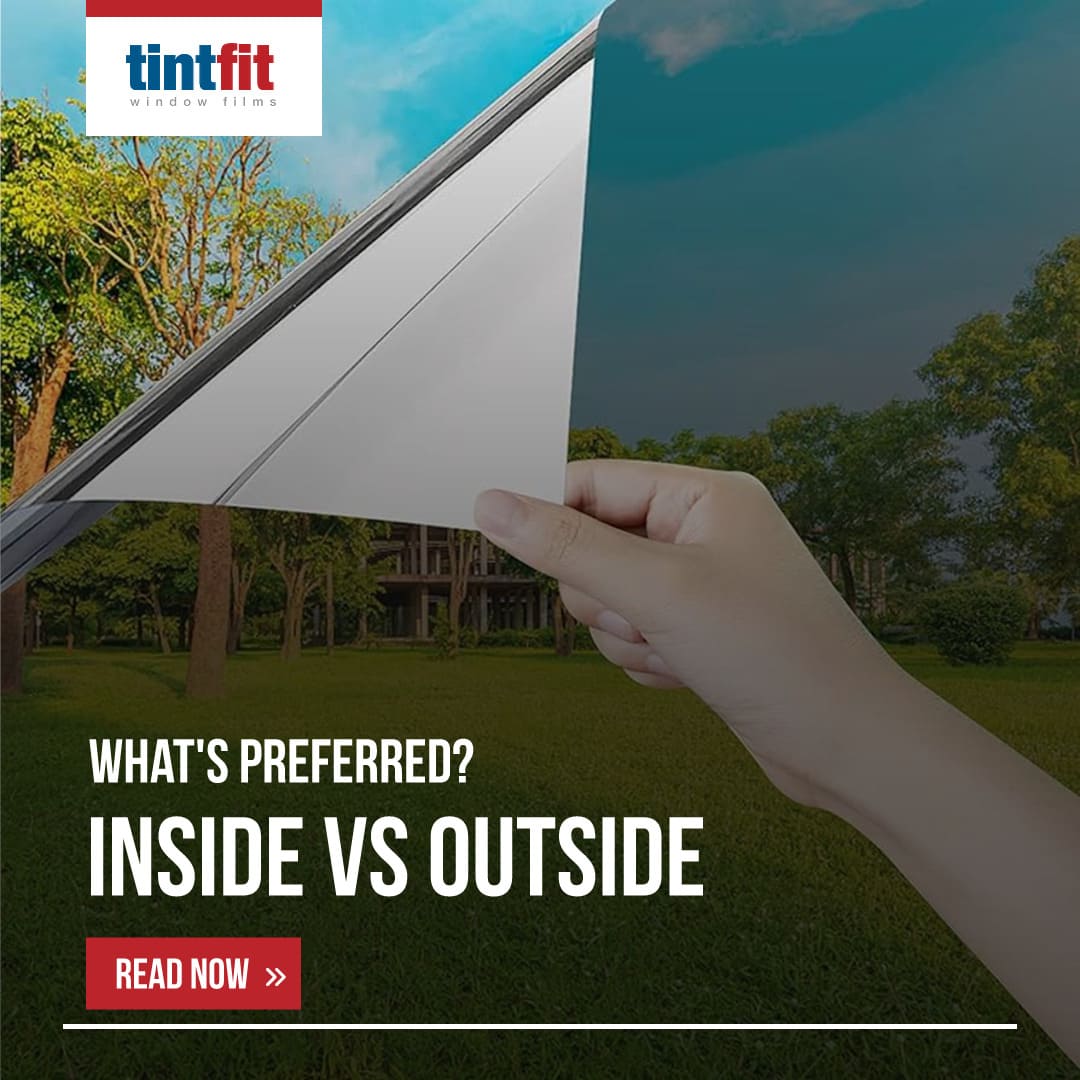
Tinting can be done on the inside or outside of windows. Most professionals tint the inside because it lasts longer. Inside tint is protected from weather and scratches. Outside tinting is less common and may peel faster. Some films are designed for outside use only. Installation involves cleaning the glass and cutting the film to size. The film is then applied with special tools to avoid bubbles. Proper installation ensures better performance and durability.
Credit: www.tintfit.com
Inside Tinting
Tinting the inside of car windows is a popular choice for many drivers. This method involves applying the tint film on the inner side of the glass. It offers specific benefits and some challenges. Understanding these can help you decide if inside tinting suits your needs.
Benefits Of Interior Application
Inside tinting protects the film from outside damage. It stays safe from dirt, dust, and weather effects. The tint lasts longer and looks cleaner over time. Installation is often easier since the film goes inside the car. It also reduces glare for the driver and passengers. This method helps keep the car cooler by blocking sunlight.
Challenges And Limitations
Inside tinting can be tricky on curved windows. The film may not stick well on complex shapes. Dirt or dust inside the car can cause bubbles during application. Cleaning the inside glass before tinting is very important. Repairs or removal can damage the film more easily. Some types of tint films may not be suited for interior use.
Outside Tinting
Tinting the outside of your car windows is a popular choice for many drivers. This method means applying the tint film on the outer glass surface. It is often chosen for its ease and specific benefits. Many people wonder about the pros and cons of outside tinting. This section explains what you need to know about tinting your windows from the outside.
Advantages Of Exterior Application
Applying tint on the outside protects the glass from scratches. It also helps reduce glare from the sun. Outside tinting can cool your car by blocking some heat. The process is usually faster and less costly. It can be easier to clean the outside tint. This method keeps the inside glass clear and smooth.
Potential Drawbacks
Outside tinting can wear out faster due to weather. Rain, snow, and dirt may damage the film. The tint may peel or bubble over time. Outside tint is more exposed to car washes and stones. It may need frequent replacement or repairs. Some places have laws against outside tinting. Checking local rules is important before applying it.
Factors Influencing Tint Placement
Choosing whether to tint the inside or outside of your vehicle’s windows depends on several key factors. These factors guide the best placement for tinting to ensure durability, appearance, and compliance. Understanding these elements helps you make a smart choice for your car.
Vehicle Type And Window Design
Different vehicles have different window styles. Some cars have curved glass that makes outside tinting hard. Flat windows often work well with outside tint. Inside tinting suits most vehicles better because it lasts longer. The design affects how well the tint sticks and looks.
Climate And Weather Conditions
Hot and sunny places can damage outside tint fast. Heat and rain wear down the film on the outside. Inside tint is safer in these climates. Cold or dry areas might not cause quick damage. The weather decides which side will keep the tint longer.
Legal Regulations
Each place has rules about window tinting. Some laws say where tint can go. Outside tint might not be allowed everywhere. Inside tint usually meets legal standards easier. Knowing local laws helps avoid fines and problems.
Installation Tips
Installing window tint requires care and the right method. Proper installation helps the tint last longer and look smooth. Follow clear steps and use the right tools. Avoid common errors to get the best result.
Tools And Materials Needed
- Window tint film
- Spray bottle with soapy water
- Plastic squeegee
- Sharp utility knife
- Lint-free cloth
- Heat gun or hairdryer
- Measuring tape
- Gloves (optional)
Step-by-step Process
Clean the window thoroughly to remove dust and dirt. Spray the window with soapy water. Peel the tint film backing carefully. Place the tint on the wet window surface. Use the squeegee to press out air bubbles. Trim the edges with a utility knife. Use a heat gun to smooth the film. Let the tint dry for at least 24 hours.
Common Mistakes To Avoid
- Not cleaning the window properly before applying tint
- Using too much or too little water during application
- Rushing the trimming process and cutting unevenly
- Ignoring air bubbles and wrinkles during smoothing
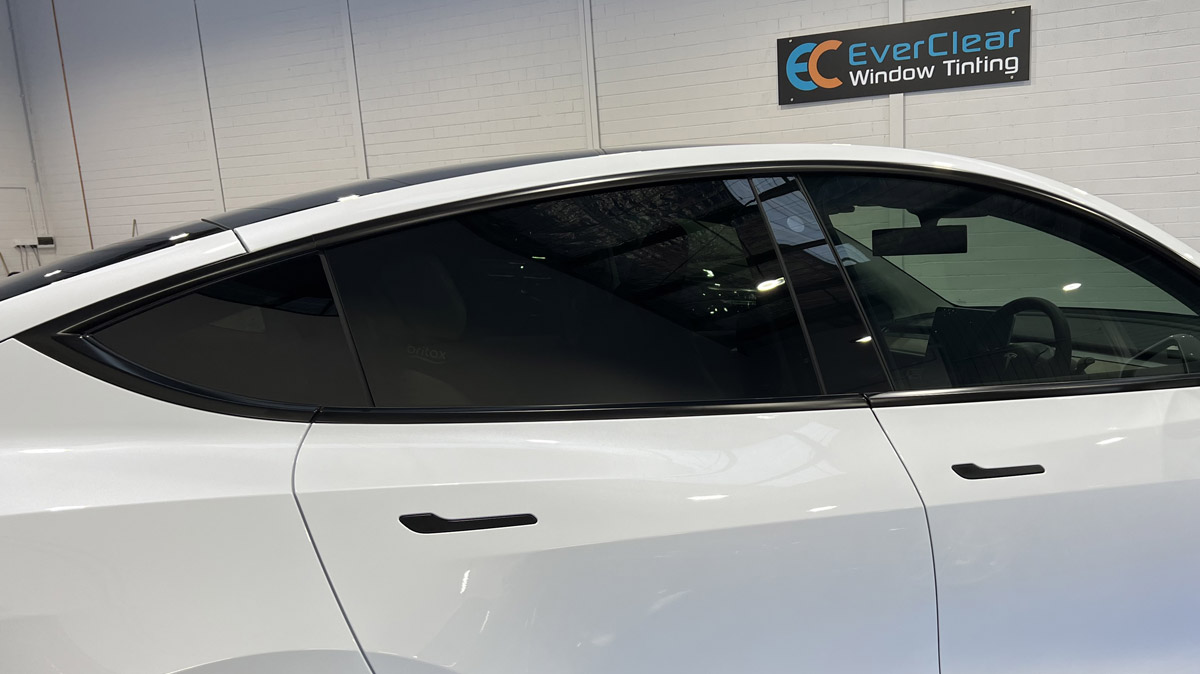
- Applying tint on the outside instead of inside
- Not allowing enough drying time before using the window
Credit: www.evercleartinting.com.au
Maintenance And Durability
Maintaining window tint affects its look and lifespan. Proper care keeps tint clear and strong. Dirt and scratches can ruin the film fast. Knowing how to clean and protect tint is key. Different tint placements need different care methods. Understanding maintenance helps keep tint lasting longer.
Cleaning Techniques
Use a soft cloth or sponge for cleaning. Avoid rough materials that can scratch the tint. Use mild soap and water, not harsh chemicals. Spray the cleaner on the cloth, not directly on tint. Wipe gently in circular motions. Dry with a clean, soft cloth to avoid streaks. Clean inside tint carefully to avoid peeling edges. Outside tint may need more frequent cleaning due to weather. Avoid ammonia-based cleaners that damage tint film.
Longevity Of Inside Vs Outside Tint
Inside tint lasts longer than outside tint. It avoids direct exposure to rain and sun. Outside tint faces harsh weather and dirt. This causes faster fading and peeling. Inside tint may stay clear for five years or more. Outside tint might need replacing after two to three years. Proper cleaning and care extend tint life. Choose inside tint for better durability and less maintenance.
Cost Comparison
Choosing to tint the inside or outside of your windows affects the total cost. Understanding the price difference helps you pick the best option for your budget. This section compares costs and value between inside and outside tinting.
Price Differences
Outside tinting often costs more than inside tinting. The reason is outside tinting needs special, weather-resistant films. These films protect against sun, rain, and dirt. Inside tinting uses simpler films that last longer inside the window.
Labor costs for outside tinting can be higher. Workers take extra care to avoid damage from weather. Inside tinting is easier and faster to install, lowering labor fees. Prices also vary by window size and type of tint film.
Value For Money
Inside tinting gives good value for most home and car windows. It protects glass and blocks heat without high costs. Inside tint is easier to replace or repair if damaged.
Outside tinting offers better protection against weather and scratches. It may last longer but costs more upfront. This option suits harsh climates or high-use windows. Decide based on your budget and needs for durability and protection.

Credit: www.youtube.com
Frequently Asked Questions
Should Car Window Tint Be Applied Inside Or Outside?
Car window tint is typically applied to the inside of the glass. This protects the film from weather and physical damage. Inside application also provides better durability and a cleaner look. Exterior tinting is rare and not recommended for most vehicles.
Why Is Inside Tinting Preferred Over Outside Tinting?
Inside tinting adheres better and lasts longer than outside tinting. It is shielded from rain, dirt, and scratches. Inside application also allows for easier cleaning and maintenance. This method ensures optimal tint performance and durability over time.
Can Outside Window Tint Damage The Film?
Yes, outside tint can degrade faster due to exposure. Sunlight, rain, and debris can cause peeling and bubbling. Outside tinting is more vulnerable to scratches and fading. This leads to a shorter lifespan and reduced effectiveness.
Is Inside Tinting Easier To Install Than Outside?
Inside tinting is easier and safer to install. The film sticks directly to the glass interior, ensuring smooth application. Outside tinting requires special adhesives and weatherproofing. Professional installers usually recommend inside tinting for best results.
Conclusion
Tinting the inside or outside depends on your needs and climate. Inside tinting lasts longer and protects film from weather damage. Outside tinting can be easier to clean but may wear out faster. Choose the option that fits your car and lifestyle best.
Remember to follow local laws about window tinting. Proper care keeps your tint clear and looking good. Think about durability, maintenance, and legal rules before deciding. This way, your tint stays effective and safe for years.
