
Have you ever wondered when a simple walk turns into a hike? You might think it’s just about distance or how steep the path is, but there’s more to it than that.
Understanding the difference can change how you prepare, what gear you bring, and how you enjoy the outdoors. You’ll discover the key signs that separate a walk from a hike—so you’ll know exactly what to expect next time you step outside.
Keep reading, and you’ll never be caught off guard by a trail again.
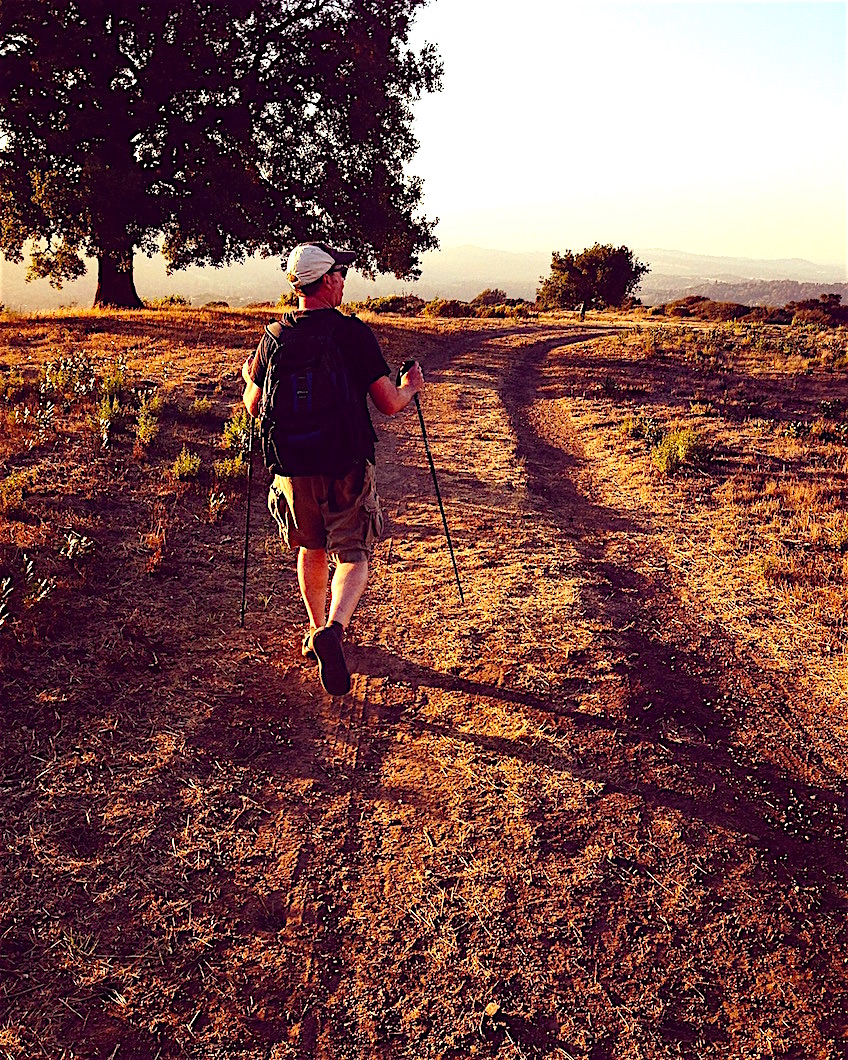
Credit: bodywipecompany.com
Defining Walks And Hikes
Walks and hikes both involve moving on foot outdoors. The difference between them is not always clear. Understanding what makes a walk a hike helps you choose the right activity for your day.
People often use these words based on distance, difficulty, and terrain. These factors affect how much effort the activity requires. The line between a walk and a hike can be thin but important.
Walks usually cover short distances. They often last less than an hour. Hikes tend to be longer. They can take several hours or even a full day. Distance alone does not always define the activity.
Terrain And Path
Walks often happen on flat, paved, or well-maintained paths. Hikes usually take place on rough, uneven, or natural trails. Hiking paths can include rocks, roots, and steep sections. The type of terrain changes the challenge level.
Physical Effort
Walks are generally easy and require little energy. Hikes demand more strength and stamina. They can involve climbing hills or carrying a backpack. The harder the activity, the more likely it is a hike.
Purpose And Experience
Walks are often casual and relaxing. They are good for fresh air and light exercise. Hikes are more about adventure and exploration. They often connect people with nature and wildlife. The goal influences how people label their activity.
Distance And Duration
Distance and duration play key roles in defining a walk versus a hike. Both refer to moving on foot, but the length and time spent change the experience. Understanding these factors helps decide what counts as a hike.
A short stroll around the block is a walk. A long trek through nature usually becomes a hike. The line between them is not always clear but distance and duration give clues.
Distance Thresholds For Walks And Hikes
Walks often cover less than two miles. They stay close to home or in urban parks. Hikes usually start around three miles or more. Trails with varied terrain often count as hikes.
Distance alone is not enough. The type of path matters. A flat, paved path feels different from a steep, rocky trail.
How Long Should A Walk Or Hike Take?
A walk might last 30 minutes to an hour. It is easy and relaxed. Hikes typically take longer. They can last several hours or even a full day.
Longer time on foot demands more energy. It changes the pace and planning. Duration helps separate a casual walk from a serious hike.
Terrain And Difficulty
Terrain and difficulty play a big role in deciding if a walk becomes a hike. The ground under your feet can change the whole experience. Easy paths feel different from rough, steep trails. Understanding these differences helps you know what to expect and how to prepare.
Rough terrain means uneven surfaces like rocks, roots, and mud. These make walking harder and slower. Steeper slopes demand more effort and balance. Trails with loose stones or slippery sections need careful steps. Such conditions push a walk into the hiking zone.
Trail Surface And Obstacles
Flat, smooth paths usually mean a walk. Dirt or paved trails with few obstacles feel easy. On the other hand, rocky or root-filled trails raise the difficulty. Crossing streams or climbing over fallen trees adds to the challenge. These obstacles require more focus and energy.
Elevation And Steepness
Walking on flat ground is simple and less tiring. Hiking often includes hills or mountains. Climbing steep slopes demands more strength and stamina. The higher the elevation gain, the harder the activity. Small hills might still feel like a walk, but steep climbs are hiking.
Trail Length And Endurance
Short, easy paths can be walks even if slightly rough. Long trails that last hours or days need more stamina. Hiking involves endurance and planning. The longer and harder the trail, the more it becomes a hike. Walking usually means shorter, simpler trips.
Purpose And Intensity
Purpose and intensity are the key factors that separate a walk from a hike. Both involve moving on foot, but their goals and effort levels differ. Understanding these differences helps decide what activity suits you best.
A walk usually means moving for relaxation or light exercise. It is often done on flat or gentle paths. The pace is steady and easy, with little strain on the body. The main goal is to enjoy fresh air and clear the mind.
A hike has a stronger purpose and demands more effort. Hikers often seek to explore nature, reach viewpoints, or challenge themselves physically. Trails are steeper, longer, or rougher. The body works harder, increasing heart rate and muscle use.
Purpose Of A Walk
Walks focus on leisure and comfort. People walk to relax, chat, or see nearby sights. It suits all ages and fitness levels. The route is usually short and simple.
Purpose Of A Hike
Hikes aim for adventure or exercise. Hikers want to explore wild places or test endurance. The path often goes uphill or over uneven ground. It takes more time and planning.
Intensity Of A Walk
Walking intensity is low to moderate. It raises the heart rate slightly but stays comfortable. You can talk easily while walking. The pace is slow and steady.
Intensity Of A Hike
Hiking intensity is moderate to high. It pushes the body, raising heart rate and breathing. Talking becomes harder during steep climbs. The pace varies with trail difficulty.
Equipment And Preparation
Equipment and preparation play a big role in deciding if a walk is a hike. Simple walks need less gear and planning. Hikes require more tools and careful thought. Knowing what to bring helps keep you safe and comfortable.
Essential Gear For Hiking
Hiking gear is more than just shoes. Sturdy boots protect your feet on rough paths. A backpack carries water, snacks, and maps. Clothes should fit the weather. Layers work best for changing temperatures.
Planning Your Route
Planning is key for a hike. Choose a trail that matches your skill. Know the distance and how long it takes. Check the weather forecast before leaving. Let someone know your plan and return time.
Safety Items To Carry
Safety comes first on a hike. A first aid kit handles small injuries. A whistle can call for help if needed. A flashlight helps in dark places. Carry a phone or GPS for emergencies.
Environmental Impact
Walking and hiking both affect nature, but in different ways. The distance, trail type, and group size can change the impact. Understanding this helps protect the environment.
Small changes in how people travel outdoors can make a big difference. Respecting nature keeps trails safe and beautiful for everyone.
Soil Erosion And Trail Wear
Hiking often means longer, rougher trails. These trails can wear down soil faster. Walking on soft or wet ground can cause soil to wash away.
Soil erosion harms plants and animals living in the area. It also makes trails harder to use over time. Staying on marked paths helps reduce this damage.
Wildlife Disturbance
Hiking may take people deeper into wild areas. This can scare animals and change their behavior. Loud noises and sudden movements add to the stress.
Walking in less sensitive areas causes less disturbance. Watching animals quietly and from a distance is best. Protecting wildlife keeps nature balanced.
Litter And Pollution
Long hikes sometimes lead to more trash left behind. Even small litter harms plants and animals. Plastic and food waste can pollute soil and water.
Carrying out all trash keeps the environment clean. Simple habits like packing a bag for waste help a lot.
Vegetation Damage
Hiking off trails can crush plants and flowers. Some plants take years to grow back. Walking sticks and gear can also break branches.
Sticking to trails avoids harming plants. Protecting vegetation keeps trails beautiful and healthy.
Health Benefits Comparison
Walking and hiking are both great ways to stay active. They help improve your health in many ways. Knowing their differences helps you choose the best exercise for your needs.
Both activities boost heart health, but hiking often gives extra benefits. The effort and terrain in hiking challenge your body more. This can lead to better fitness results over time.
Cardiovascular Benefits
Walking helps keep your heart strong with steady movement. It lowers blood pressure and reduces heart disease risk. Hiking raises your heart rate higher due to rough paths and hills. This strengthens your heart even more.
Muscle Strength And Endurance
Walking uses leg muscles gently and builds endurance slowly. Hiking works more muscles, including core and upper body. Climbing and balancing on trails improve strength faster. This builds better muscle tone and stamina.
Mental Health Effects
Both walking and hiking reduce stress and boost mood. Being outdoors in nature helps clear the mind. Hiking’s challenge can improve focus and confidence more deeply. It often feels like a small adventure, adding joy.
Calorie Burn And Weight Control
Walking burns calories at a steady rate. Hiking burns more calories due to uneven ground and elevation. This helps with weight loss and maintaining a healthy weight. Longer hikes can increase calorie burn significantly.
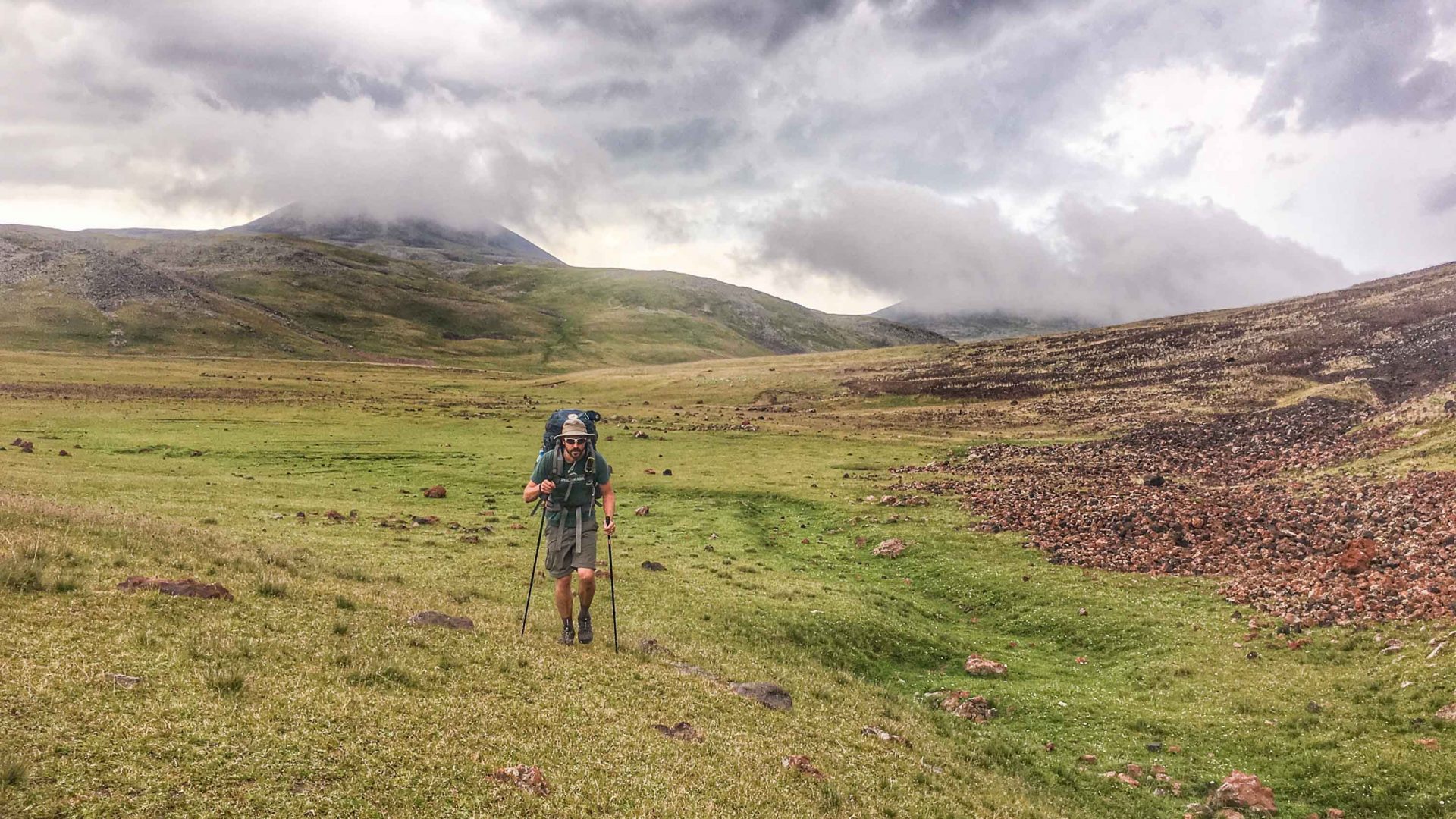
Credit: adventure.com
Popular Walks And Hikes Examples
Knowing the difference between a walk and a hike can be tricky. It often depends on the trail’s length, difficulty, and location.
Here are some well-known walks and hikes that show the difference clearly. These examples help you understand what makes a trail a walk or a hike.
Stanley Park Seawall, Vancouver
This trail is a classic walk. It is flat and easy to follow. The path circles the park’s edge along the water. People of all ages enjoy it. No special gear is needed. The focus is on enjoying nature and city views.
Appalachian Trail, Usa
This trail is a famous hike. It stretches over 2,000 miles through mountains and forests. The terrain is rough and steep in many areas. Hikers carry backpacks and prepare for several days. The trail tests endurance and skill.
Camino De Santiago, Spain
This route blends walking and hiking. Some parts are smooth and easy. Others climb hills and cross rocky paths. Pilgrims walk this trail for spiritual and physical reasons. It shows how a walk can become a hike.
Lake District Trails, England
The Lake District offers both walks and hikes. Short paths around lakes are gentle walks. Mountain trails with steep climbs count as hikes. Visitors choose based on their fitness and time.
Tongariro Alpine Crossing, New Zealand
This trail is a challenging hike. It crosses volcanic landscapes and steep slopes. The weather can change fast. Hikers need good shoes and water. It is an adventure for many.

Credit: www.walmart.com
Frequently Asked Questions
What Defines The Difference Between A Walk And A Hike?
A hike usually involves rough terrain, elevation gain, and longer distances. A walk is on flat, smooth paths with minimal effort. Hikes require more physical exertion and preparation compared to casual walks. The environment and trail difficulty mainly separate the two activities.
How Long Should A Trail Be To Qualify As A Hike?
Generally, trails over 3 miles with varied terrain qualify as hikes. Shorter, easy trails are often considered walks. Trail length combined with elevation gain and difficulty level helps define a hike. Duration and challenge are key factors distinguishing hikes from walks.
Does Terrain Affect Whether It’s A Walk Or Hike?
Yes, terrain plays a crucial role. Uneven, rocky, or steep paths indicate a hike. Flat, paved, or smooth paths are typically walks. Terrain difficulty directly impacts the physical demand and classification of the activity.
Can Elevation Gain Turn A Walk Into A Hike?
Elevation gain significantly impacts the classification. Trails with noticeable uphill sections are hikes. Flat trails, even if long, are usually considered walks. Elevation adds challenge, making the activity more strenuous and hiking-specific.
Conclusion
A walk becomes a hike when the path gets steeper and longer. Trails often grow rougher, with more nature to explore. You use more energy and need better shoes. Hiking usually takes more time than walking. It also feels like an adventure, not just exercise.
Both walking and hiking are great ways to enjoy outdoors. Choose the one that fits your mood and fitness. Step outside. Feel the fresh air. Enjoy every step.
