
You love spending time outdoors, but bugs can quickly turn your camping trip into a nightmare. Imagine sitting by your tent, enjoying the evening light, without swatting away mosquitoes or attracting swarms of pesky insects.
Sounds like a dream, right? The right camping light can make this possible. You’ll discover how to choose a camping light that doesn’t attract bugs, so you can enjoy your nights outside in peace and comfort. Keep reading to find out the simple tips and best products that will change the way you camp forever.
Why Bugs Are Drawn To Lights
Bugs often gather around lights during night hours. This behavior can make camping uncomfortable and annoying. Understanding why bugs are drawn to lights helps in choosing the right camping light. It reduces bug attraction and keeps your outdoor experience pleasant. Light plays a big role in bug behavior and their movement patterns.
Insect Attraction To Light Spectrums
Bugs see light differently than humans. They are more sensitive to certain colors and brightness. Ultraviolet (UV) light attracts many insects the most. Blue and violet light also pull bugs closer. Warm colors like red and yellow attract fewer bugs. Choosing lights with less UV and cool colors helps reduce bugs.
Common Light Sources That Lure Bugs
Traditional bulbs emit UV and bright white light. These lights attract many flying insects at night. Fluorescent and LED bulbs often produce light that bugs love. Campfires and lanterns with bright flames also draw bugs. Using lights designed to limit UV and blue light limits bug attraction effectively.

Credit: www.ebay.com
Features Of Bug-resistant Camping Lights
Bug-resistant camping lights make outdoor trips more comfortable. They reduce the number of bugs around your campsite. Knowing the features helps you choose the best light. These lights use special designs to keep bugs away.
Light Color And Wavelength
Bugs are drawn to certain light colors. Blue and ultraviolet lights attract many insects. Bug-resistant lights use yellow or amber colors. These colors have a longer wavelength. They do not attract most bugs. Warm light colors keep bugs at a distance.
Brightness And Intensity
Brightness affects bug attraction. Very bright lights can draw more insects. Lower brightness is better for bug control. Adjustable brightness helps you find the right level. Soft, dim light is less likely to attract bugs. It also saves battery power during camping.
Design And Shielding
Good bug-resistant lights have special shapes. They often include shields or covers. These block light from shining in all directions. Focused light reduces the area bugs can see. Enclosed designs stop bugs from getting inside. This keeps the light clean and bug-free.
Types Of Camping Lights That Minimize Bugs
Choosing the right camping light helps keep bugs away. Bugs are drawn to certain colors and brightness. Using special lights reduces their attraction. This makes camping more comfortable and fun. Here are some types of camping lights that minimize bugs.
Led Lights With Warm Tones
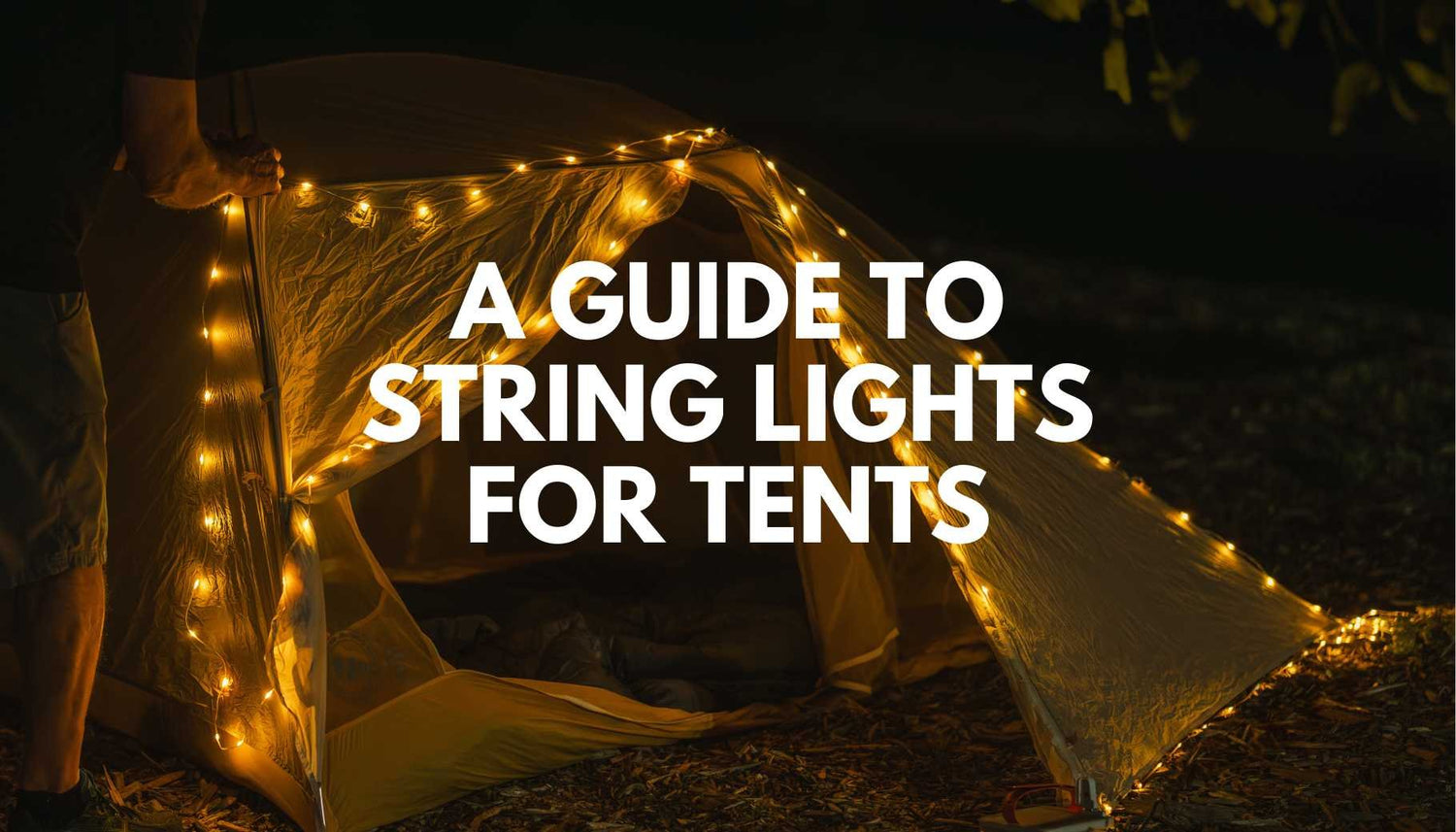
LED lights are energy-efficient and bright. Warm tones like yellow or soft white attract fewer bugs. These lights create a cozy, inviting atmosphere. They use less power, so batteries last longer. Warm LED lights work well for tents and campfires.
Amber And Red Lights
Amber and red lights are less visible to insects. Bugs do not see these colors well. These lights provide enough glow for safety. They help you see without drawing bugs close. Use amber or red lights around your campsite to stay bug-free.
Solar-powered Bug-resistant Options
Solar-powered lights charge during the day. They often use warm or amber LEDs. These lights save battery and energy costs. Solar lights are eco-friendly and easy to use. Perfect for long camping trips without power sources.
Additional Tips To Reduce Bugs Around Campsites
Reducing bugs around your campsite makes your trip more enjoyable. Bugs can ruin peaceful nights and outdoor meals. Using camping lights that do not attract bugs helps a lot. Besides choosing the right light, try these tips to keep bugs away.
Placement Of Lights
Place lights away from your sitting and sleeping areas. Bugs are drawn to light sources. Keeping lights at a distance reduces bugs near you. Use dim or yellow lights to lower attraction. Avoid bright white or blue lights near tents.
Use Of Bug Repellents And Screens
Apply bug repellent on skin and clothes before dusk. Use natural repellents like citronella or eucalyptus. Set up mesh screens around your tent or dining area. Screens block bugs without blocking airflow. This keeps bugs out while letting fresh air in.
Maintaining Clean Campsites
Keep your campsite clean to avoid attracting bugs. Store food in sealed containers or coolers. Dispose of trash properly and away from your tent. Clean cooking areas after meals to remove crumbs. Clear standing water near your site; it breeds mosquitoes.
Top Camping Lights That Don’t Attract Bugs
Camping lights that do not attract bugs make outdoor nights much better. These lights use special bulbs or colors that insects avoid. They help keep bugs away while giving enough light for your activities. Choosing the right light is important for a calm and bug-free camping experience.
Popular Brands And Models
Many brands offer camping lights designed to repel bugs. BioLite produces lights with amber LEDs that attract fewer insects. LE LED Lanterns use warm white light to reduce bug attraction. Coleman has models with yellow bulbs that keep bugs at bay. Each brand focuses on clear, soft light to avoid drawing bugs.
User Reviews And Ratings
Users often praise lights that do not attract bugs. Many say amber or yellow lights reduce bug problems. Some reviewers note longer battery life and good brightness. Negative reviews usually mention light being too dim. Ratings help choose lights that balance brightness and bug resistance.
Price And Availability
Bug-repellent camping lights come in various price ranges. Basic models start around $15 and work well for short trips. Mid-range options cost $30 to $60 with better features. High-end lights offer extra brightness and durability but cost more. Many models are available online and in stores.
Credit: luminaid.com
Credit: decktok.com
Frequently Asked Questions
What Type Of Camping Light Doesn’t Attract Bugs?
Bug-repellent camping lights use yellow or amber LED bulbs. These colors emit less UV light, which bugs avoid. Such lights reduce insect attraction, making outdoor experiences more comfortable and pest-free.
Are Led Camping Lights Better For Bug Control?
Yes, LED lights with warm colors attract fewer bugs. They emit less UV and blue light, which insects find appealing. Choosing amber or yellow LEDs helps minimize bug presence near your campsite.
Can Bug-repellent Camping Lights Affect Visibility?
Bug-repellent lights provide adequate visibility without drawing insects. They balance brightness and color to ensure safety. These lights help campers see clearly while keeping bugs away efficiently.
Do Bug Lights Work Indoors And Outdoors?
Bug lights are effective both indoors and outdoors. They reduce insect attraction in tents, patios, and campsites. Their specific light spectrum deters bugs in various environments, enhancing comfort.
Conclusion
Choosing a camping light that does not attract bugs makes your trip more pleasant. It helps keep insects away without losing brightness. You can enjoy evenings outdoors without constant buzzing or bites. Many affordable options suit different needs and styles.
Bright, bug-free light means better sleep and safer surroundings. Remember to pick lights with warm or yellow tones. These colors are less likely to draw bugs near. A good light improves your camping experience quietly and simply. Enjoy nature without unwanted guests interrupting your peace.
