
Tucked away in southeastern Arizona, Chiricahua National Monument is a place full of natural wonders and stories. Many travelers have never heard of it, but those who visit call it one of the most beautiful places in the Southwest. Here, you can walk among tall rock spires, see wild animals, and learn about Native American history. If you love nature or want a quieter spot away from crowds, Chiricahua is a perfect choice.
What Makes Chiricahua Unique
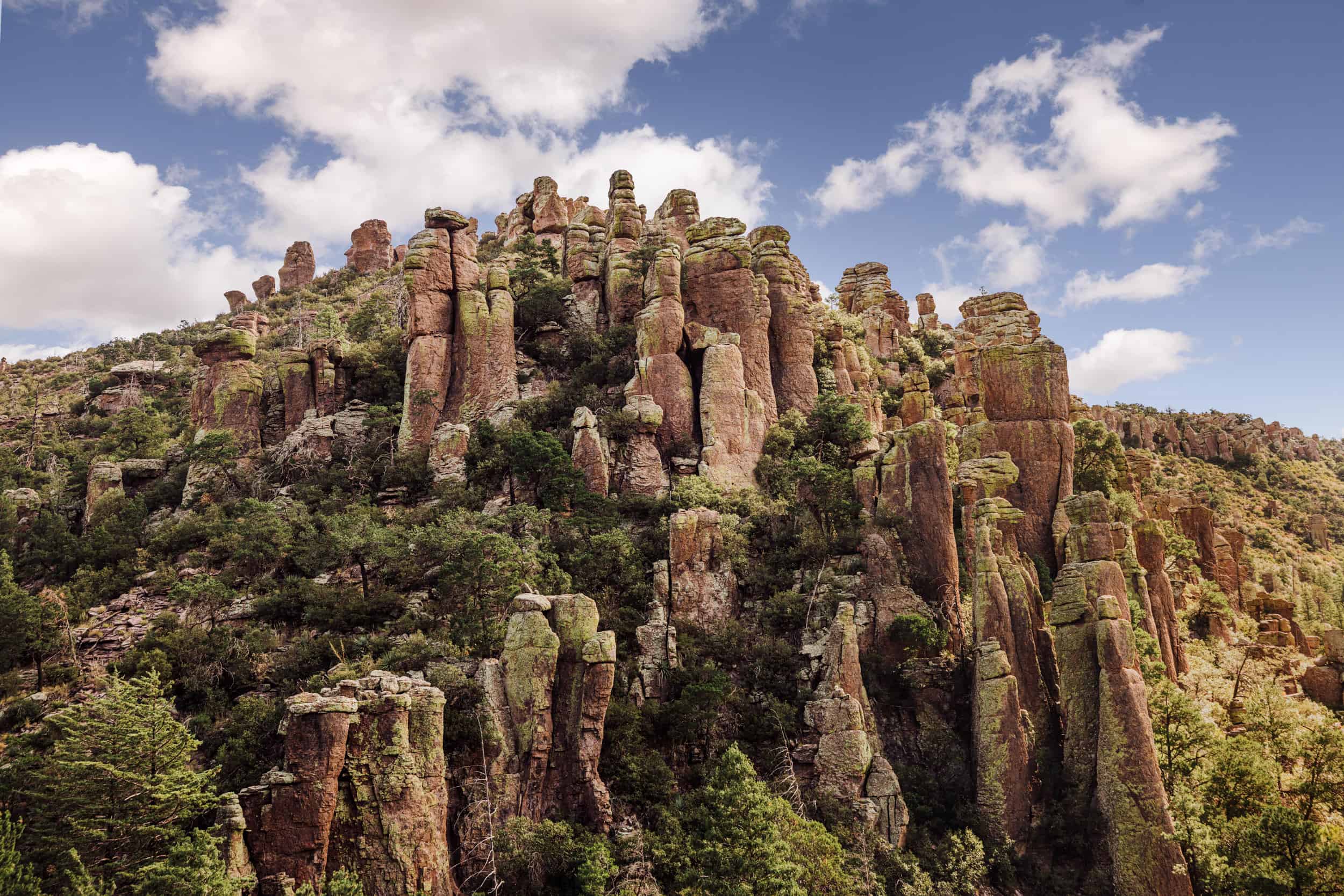
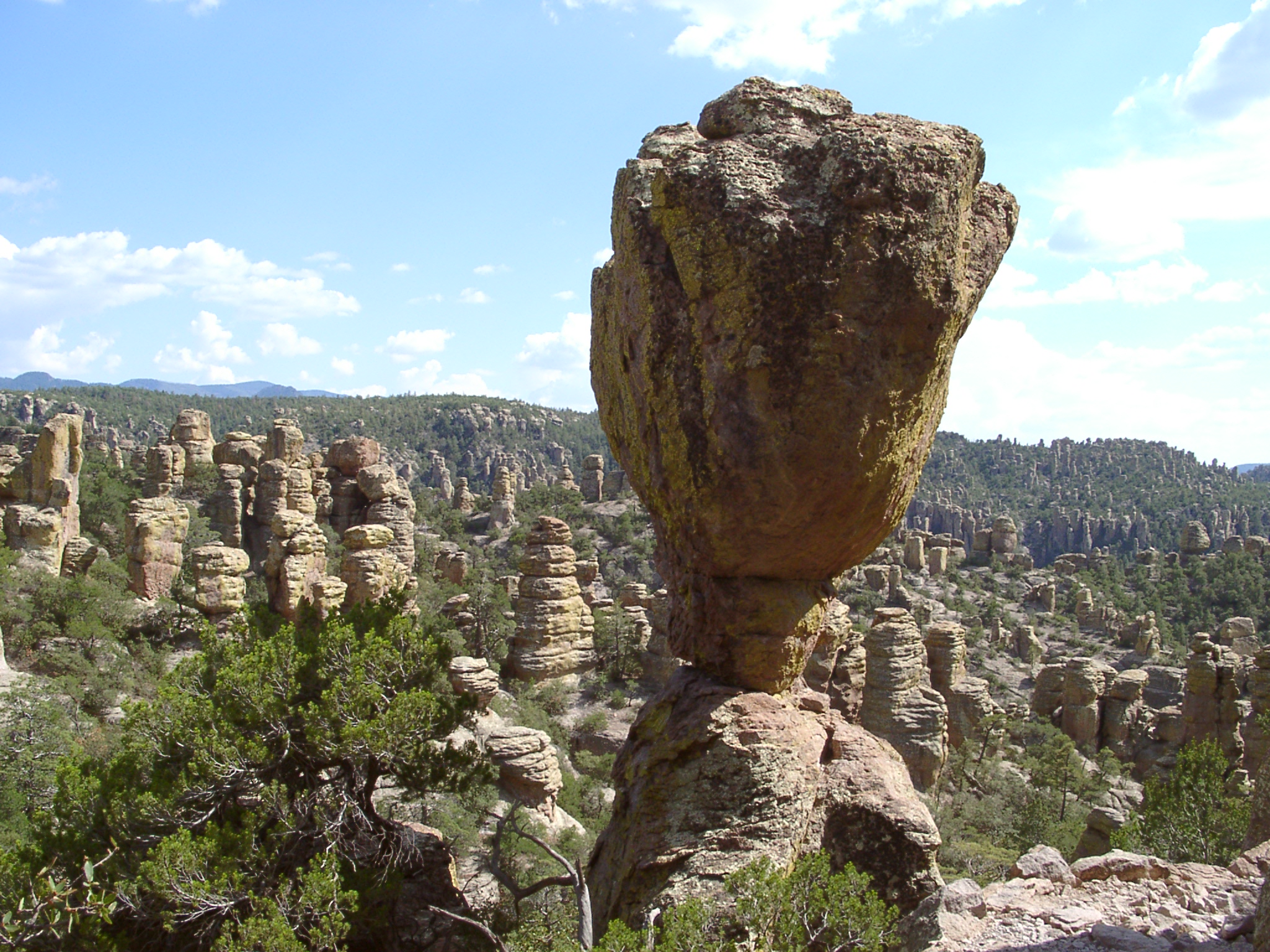
The monument covers nearly 12,000 acres and is known for its amazing rock formations. These stone towers, called “hoodoos,” formed from volcanic eruptions about 27 million years ago. Some stand over 100 feet tall. The area is also called the “Wonderland of Rocks” because of these dramatic shapes.
Chiricahua sits at the meeting point of four different ecosystems: the Rocky Mountains, Sierra Madre, Sonoran Desert, and Chihuahuan Desert. This mix creates a home for over 1,200 plant species and more than 200 types of birds. You’ll find pine forests, grasslands, and even desert plants all in one park.
Top Things To Do In Chiricahua
There’s more to this park than just hiking. Whether you have a few hours or a few days, you’ll find plenty to keep you busy.
1. Hiking The Wonderland Of Rocks
Chiricahua is famous for its hiking trails. Over 17 miles of paths take you through canyons, along ridges, and into quiet forests.
Some favorite trails include:
- Echo Canyon Loop (3.3 miles): See the best rock spires up close. Takes about 2 hours for most visitors.
- Heart of Rocks Loop (7.3 miles): Offers the densest collection of hoodoos and unique rock formations.
- Big Loop (9.5 miles): For those who want a full-day adventure. Covers many of the park’s highlights.
All trails are well-marked, but bring water and wear good shoes. Weather can change quickly, especially in spring and summer.
2. Drive The Scenic Bonita Canyon
If you prefer to explore by car, the Bonita Canyon Drive is a must. This 8-mile paved road winds up through forests and rock formations. You’ll get beautiful views without much walking. There are several pullouts for photos. The drive ends at Massai Point, where you can see 360-degree views of the park.
3. Ranger Programs And Visitor Center
Start your trip at the Visitor Center. Friendly rangers offer maps, advice, and daily schedules. In busy seasons, guided walks and ranger talks explain the geology, plants, and history of Chiricahua. Kids can join the Junior Ranger program to earn a badge.
4. Birdwatching And Wildlife
Chiricahua is a paradise for bird lovers. Over 200 bird species have been spotted here, including the rare elegant trogon. Early mornings are best for wildlife watching. You might see deer, coatimundi (a raccoon-like animal), and even black bears. Bring binoculars for the best chance to spot animals.
5. Explore Faraway Ranch
History fans will enjoy a visit to Faraway Ranch. This historic homestead tells the story of Swedish immigrants who settled here in the late 1800s. Guided tours are sometimes available. You can walk among old buildings and learn how people lived in this wild place.
Credit: arizonadetours.com
Main Attractions Compared
Here’s a quick look at how the park’s top attractions compare:
| Attraction | Best For | Time Needed | Accessibility |
|---|---|---|---|
| Echo Canyon Loop | Hiking, Photography | 2–3 hours | Moderate trail, not wheelchair accessible |
| Bonita Canyon Drive | Sightseeing | 1 hour | Fully accessible by car |
| Faraway Ranch | History, Guided Tours | 1–1.5 hours | Flat path, some steps |
When To Visit Chiricahua
The best months for visiting are March to May and September to November. Spring brings wildflowers, while fall offers cooler weather and fewer people. Summers can be hot and bring afternoon storms, while winters are quiet but sometimes snowy.
| Season | Weather | Visitor Numbers | Highlight |
|---|---|---|---|
| Spring | 60–80°F, mild | Moderate | Wildflowers, birdwatching |
| Summer | 80–95°F, storms | High | Green scenery, wildlife |
| Fall | 55–75°F, cool | Low | Peaceful trails |
| Winter | 30–60°F, possible snow | Low | Snowy rock formations |
Tips For Your Visit
A few things can make your trip smoother:
- Arrive early in the day, especially on weekends.
- Bring plenty of water and snacks; services are limited inside the park.
- Check the weather forecast before starting any long hike.
- Cell signal is weak in many areas. Download maps ahead of time.
- Pets are allowed on paved roads and campgrounds, but not on trails.
One non-obvious tip: Many visitors skip sunrise and sunset. These are the best times to see the rocks glowing in orange and pink light. You’ll also have the park almost to yourself.
Common Mistakes To Avoid
First-timers often underestimate the size of Chiricahua. Even short hikes can take longer because you’ll want to stop for photos. Also, the weather can change fast in the mountains, so always carry an extra layer.
Another mistake: Not stopping at Massai Point. The views here are the best in the park, and the short nature trail gives a quick look at the unique plants and geology.
Credit: en.wikipedia.org
Where To Stay And Eat
There is one campground, Bonita Canyon Campground, with 25 sites. It fills up quickly in spring and fall, so book early. There are no hotels or restaurants inside the park. The closest town is Willcox, about 35 miles away, where you’ll find motels, gas, and food. If you want more comfort, plan to stay in Willcox and make day trips.
Chiricahua’s Hidden Gems
If you have more time or want to escape the main trails, try:
- Sugarloaf Mountain: A short, steep hike to a fire lookout with amazing views.
- Sarah Deming Trail: Less crowded, offers peaceful forest scenery.
- Rhyolite Canyon: Great for photography and spotting unusual rock shapes.
Many visitors miss these spots because they focus only on the main loops. Exploring these quieter trails rewards you with solitude and chances to see rare plants or animals.

Credit: www.flyingdawnmarie.com
Frequently Asked Questions
What Is Chiricahua National Monument Known For?
It’s famous for its unique rock spires called hoodoos, rich plant and animal life, and beautiful hiking trails. The park is also known as the “Wonderland of Rocks.”
How Much Time Should I Spend At Chiricahua?
Most visitors spend half a day to a full day. If you love hiking or birdwatching, plan for a full day or even an overnight stay.
Are There Entrance Fees?
No, entry is free for all visitors. However, you’ll need to pay for camping if you stay overnight.
Is Chiricahua Family-friendly?
Yes! The park offers easy walks, ranger programs for kids, and picnic spots. Some trails are challenging, but there are also short walks suitable for families.
Where Can I Find More Information?
Check the official National Park Service website for updates, maps, and event schedules.
Chiricahua National Monument is a place where nature and history meet. Whether you’re looking for adventure or quiet beauty, you’ll find something special among its rocks and trails. Plan your visit, bring your camera, and let the “Wonderland of Rocks” surprise you.
