
Fort Vancouver (wa): Top Things To Do & Must-see Attractions
Fort Vancouver National Historic Site sits just north of the Columbia River in Vancouver, Washington. Once a bustling fur trading post and military outpost, today it’s a unique park filled with history, culture, and outdoor beauty. Whether you love museums, scenic walks, or family-friendly events, Fort Vancouver offers something for everyone.
Exploring The Fort Vancouver Site
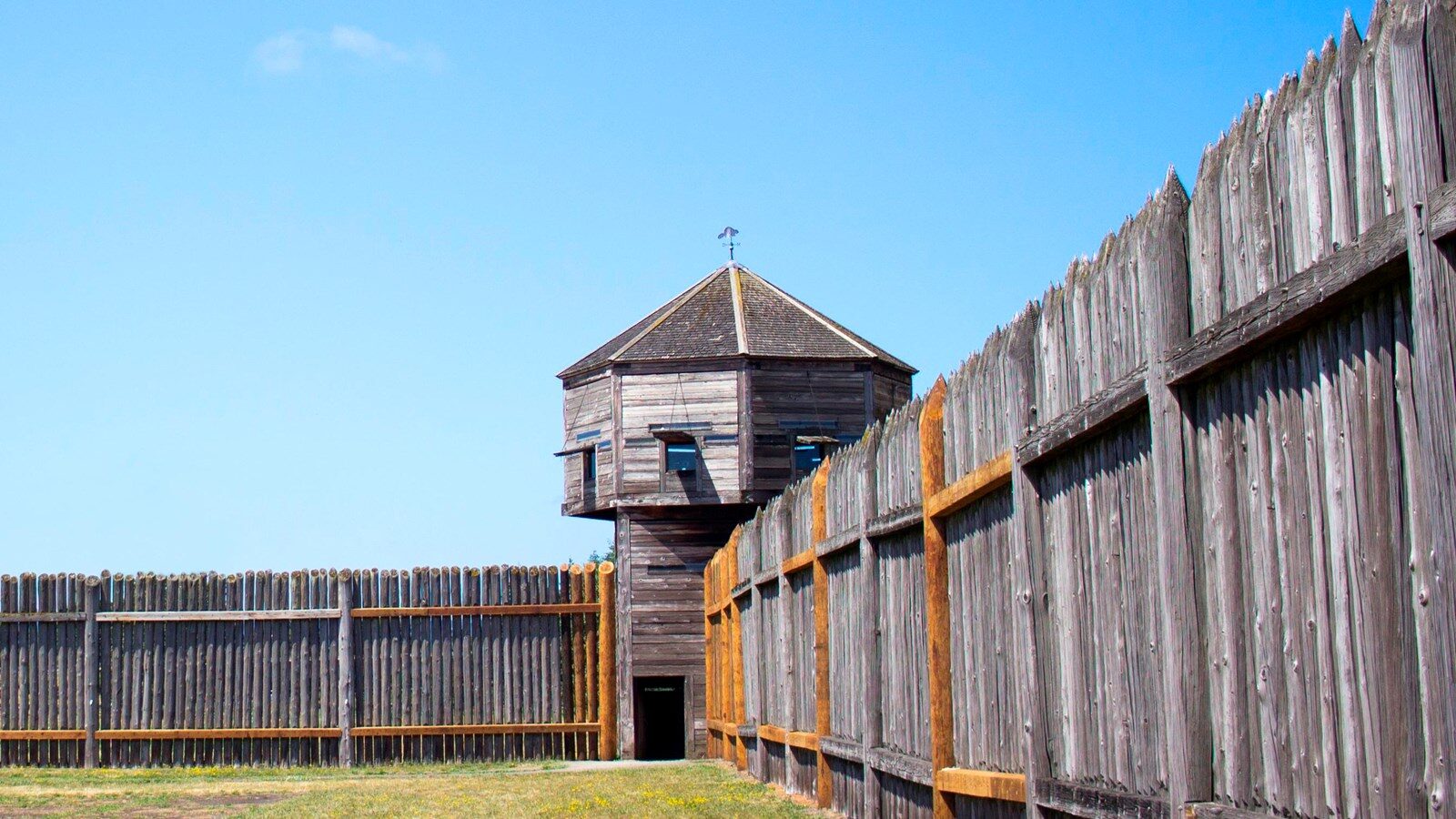
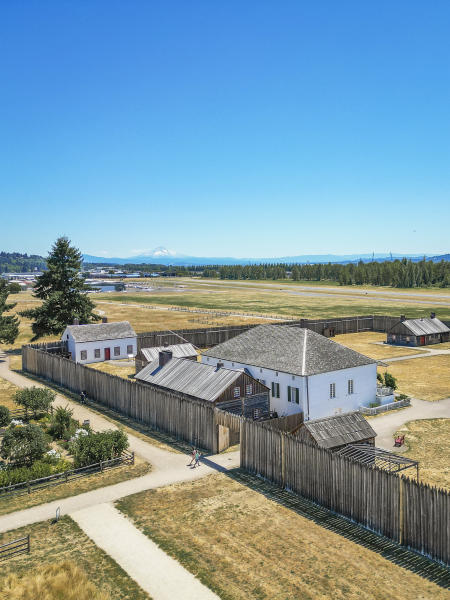
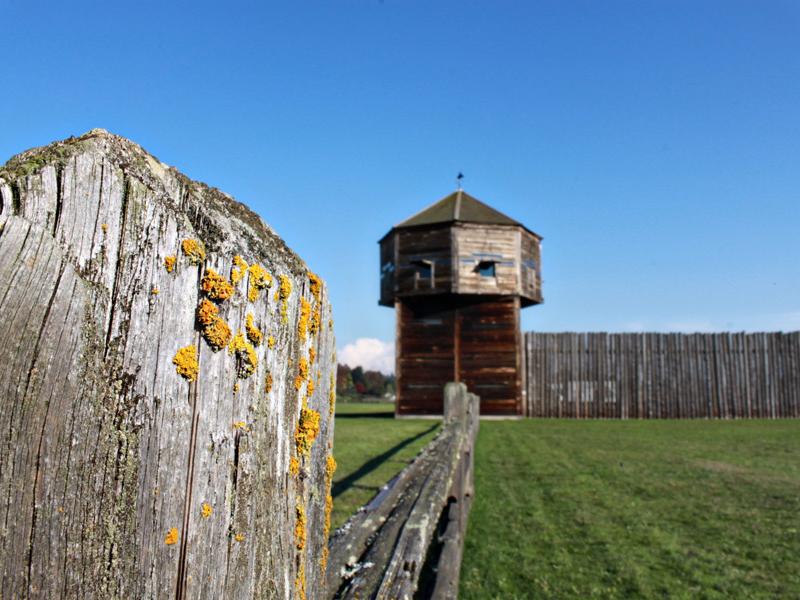
The heart of the park is the reconstructed Fort Vancouver, surrounded by a wooden palisade and set on rolling green fields. Step through the gate and you’ll walk into a living history experience. Inside, historic buildings have been recreated on their original locations, using old plans and archaeological evidence.
You can see the Chief Factor’s House, the command post and residence of the fort’s main leader. Nearby, the fur warehouse shows how animal pelts were stored and traded. In the blacksmith shop, costumed interpreters demonstrate traditional metalwork, making tools just like they did in the 1800s.
Many visitors are surprised by the fort’s attention to detail. Instead of only static displays, you’ll see real gardens, working ovens, and even chickens scratching in the yard.
Pearson Air Museum
One of the most popular attractions is the Pearson Air Museum. Located just east of the fort, this museum highlights the area’s aviation history, from early biplanes to World War II training flights. The displays include classic aircraft, interactive exhibits, and even a flight simulator for kids and adults.
Pearson Field is one of the oldest continually operating airfields in the United States, first used for flying in 1905. The museum shares the stories of barnstormers, women pilots, and the challenges of early aviation.
Quick Comparison: Fort Vancouver Vs. Pearson Air Museum
| Attraction | Main Focus | Best For |
|---|---|---|
| Fort Vancouver | 19th-century fur trade & history | History lovers, families |
| Pearson Air Museum | Aviation history & exhibits | Aviation fans, children |
Credit: www.lewisandclark.travel
Vancouver Barracks
Just north of the fort you’ll find the Vancouver Barracks, a military post established in the 1840s. The site played a crucial role in U.S. Army history, especially during the Indian Wars and both World Wars. Today, you can walk through the historic parade grounds, see restored buildings, and follow outdoor signs explaining the barracks’ past.
One insight many visitors miss: The barracks were the first U.S. Army base in the Pacific Northwest. Some of the original buildings are over 150 years old.
The Village And Historic Orchard
Behind the fort, a short trail leads to the Fort Vancouver Village, once home to hundreds of workers and their families. These people came from all over the world: French Canadians, Hawaiians, Native Americans, and Scottish craftsmen. While only a few buildings stand today, you can imagine the busy multicultural life that once filled this area.
Next to the village is the Historic Orchard. Planted in the 1820s, it’s one of the oldest orchards in the Pacific Northwest. You’ll find rare varieties of apples, pears, and cherries—some you won’t see in stores. In spring, the blossoms are stunning, and in fall, you might catch volunteers harvesting fruit.
Walking Trails And Outdoor Spaces
Fort Vancouver is perfect for exploring on foot. Several paved and gravel trails wind through the park, connecting the main sites, picnic areas, and open fields. Some favorite outdoor activities include:
- Walking or jogging the Waterfront Trail with river views
- Picnicking under old shade trees near the fort
- Watching wildlife: Hawks, geese, and sometimes deer
Cyclists are welcome on most paths. Dogs are allowed on leash, except inside historic buildings.
Visitor And Event Center
Start your visit at the Visitor Center, which offers maps, exhibits, and friendly staff ready to answer questions. You’ll also find a small theater with a short film about the fort’s history.
Throughout the year, Fort Vancouver hosts special events like:
- Historical reenactments with costumed interpreters
- Lantern tours in autumn and winter
- Fourth of July fireworks (one of the region’s largest displays)
- School programs and hands-on craft workshops
Many events are free or have a low cost, making this site a great value for families.
Credit: www.visitvancouverwa.com
Hidden Gems And Practical Tips
Fort Vancouver hides some surprises for curious visitors:
- Archaeological Dig Sites – Sometimes, you’ll see real archaeologists at work. The park is an active research site, and new discoveries are still being made.
- Kitchen Garden – Behind the Chief Factor’s House, an heirloom garden grows herbs and vegetables from the 1800s. Volunteers maintain the beds, using traditional methods.
- Photography Spots – Sunrise and sunset light up the fort’s wooden walls and the orchard’s trees, creating amazing photo opportunities.
Practical tips:
- Parking is free but can fill up during big events.
- Most main attractions are wheelchair accessible.
- The weather changes quickly; bring a jacket, especially in spring and fall.
Sample Itinerary: One Perfect Day
To get the most from your visit, here’s a sample day plan:
| Time | Activity |
|---|---|
| 9:00 AM | Start at Visitor Center, watch short film |
| 10:00 AM | Tour reconstructed fort and gardens |
| 12:00 PM | Picnic lunch in orchard or picnic area |
| 1:00 PM | Visit Pearson Air Museum |
| 2:30 PM | Stroll through Vancouver Barracks and trails |
| 4:00 PM | Check for special programs or events |
Credit: www.visitvancouverwa.com
Accessibility And Hours
Fort Vancouver is open year-round, but hours change by season. The fort, museum, and visitor center usually close by 5 PM. Some outdoor areas are open dawn to dusk.
Admission to outdoor grounds is free; there’s a small fee for the fort. The America the Beautiful Pass is accepted.
Nearby Attractions
If you have more time, the park connects to other interesting sites:
- Officers Row: Historic homes along Evergreen Boulevard
- Vancouver Waterfront: Restaurants and a riverfront park within walking distance
- Esther Short Park: Oldest public square in Washington
These spots make it easy to spend a whole day exploring Vancouver’s history and scenery.
Frequently Asked Questions
How Much Time Should I Spend At Fort Vancouver?
Most visitors spend 3-4 hours, but history buffs could spend a full day. If you want to see every building, walk the trails, and visit the museum, plan for at least half a day.
Is Fort Vancouver Good For Kids?
Yes! The site is very family-friendly. Kids enjoy the interactive exhibits, open space to run, and hands-on activities in the fort and museum.
Can I Take Photos Inside The Historic Buildings?
Photography is allowed for personal use, but tripods and commercial shoots need special permits. Sunrise and sunset are especially beautiful for photos.
Are There Places To Eat Nearby?
Yes, there are picnic areas inside the park. For restaurants, the Vancouver Waterfront is a short walk and has many choices.
Where Can I Learn More About Fort Vancouver’s History?
The National Park Service website has detailed articles, event calendars, and lesson plans for teachers. Visit the official site at nps.gov.
Fort Vancouver is a rare place where the past comes to life. Whether you’re a history fan, a family looking for a fun day out, or someone who loves the outdoors, this park offers something special with every visit.
