
Grand Portage: A Guide To Minnesota’s Hidden Gem
Tucked in Minnesota’s far northeast, Grand Portage National Monument and the nearby Grand Portage State Park offer a rare mix of history, nature, and adventure. For travelers seeking an off-the-beaten-path spot, Grand Portage is a perfect blend of scenic beauty and fascinating stories. Here’s what makes this area stand out—and why it deserves a spot on your travel list.
Exploring Grand Portage National Monument
Grand Portage National Monument is not just a pretty place; it’s a window into the past. This site honors the Ojibwe people and the fur traders who built a unique culture here. The park’s main feature is the Historic Depot, where costumed interpreters bring history to life.
Visitors can walk along the reconstructed buildings:
- The Great Hall is filled with fur trade artifacts.
- The stockade lets you imagine daily life in the 18th century.
- A working kitchen and canoe warehouse show real tools and crafts.
Throughout summer, you’ll find demonstrations of beadwork, canoe building, and cooking. The annual Rendezvous Days festival in August is a highlight, attracting thousands for music, dance, and Native American culture.
Hiking The Grand Portage Trail
The Grand Portage Trail is an 8.5-mile route that was once the main path for fur traders carrying heavy loads between Lake Superior and the Pigeon River. Today, hikers can walk parts of this historic trail through forests and wetlands.
What most miss: The trail offers a chance to see rare plants and birds not found elsewhere in Minnesota. Early mornings are best for spotting wildlife.
Grand Portage State Park: Nature’s Spectacle
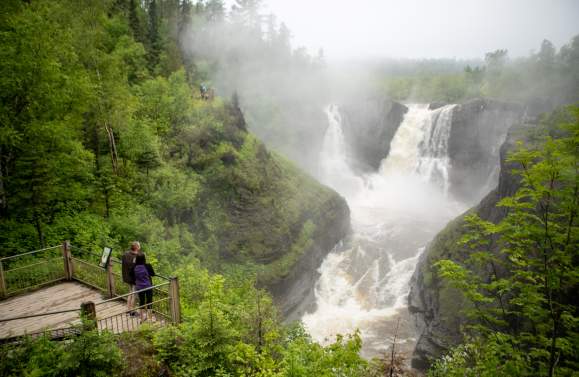
A few miles north, Grand Portage State Park sits on the US-Canada border. The star here is High Falls, Minnesota’s tallest waterfall at 120 feet. The easy, paved trail to the overlook is about half a mile and wheelchair accessible.
But the park has more to offer:
- Middle Falls Trail: A 4.5-mile round trip with sweeping views of the river valley.
- Picnic areas: Great for families and groups.
- Birdwatching: In spring, warblers and hawks migrate through the park.
| Trail Name | Distance (round trip) | Difficulty | Main Attraction |
|---|---|---|---|
| High Falls Trail | 1 mile | Easy | Waterfall Overlook |
| Middle Falls Trail | 4.5 miles | Moderate | River Views |
Insider tip: After heavy rain, the falls become even more dramatic—and mist often creates a rainbow.
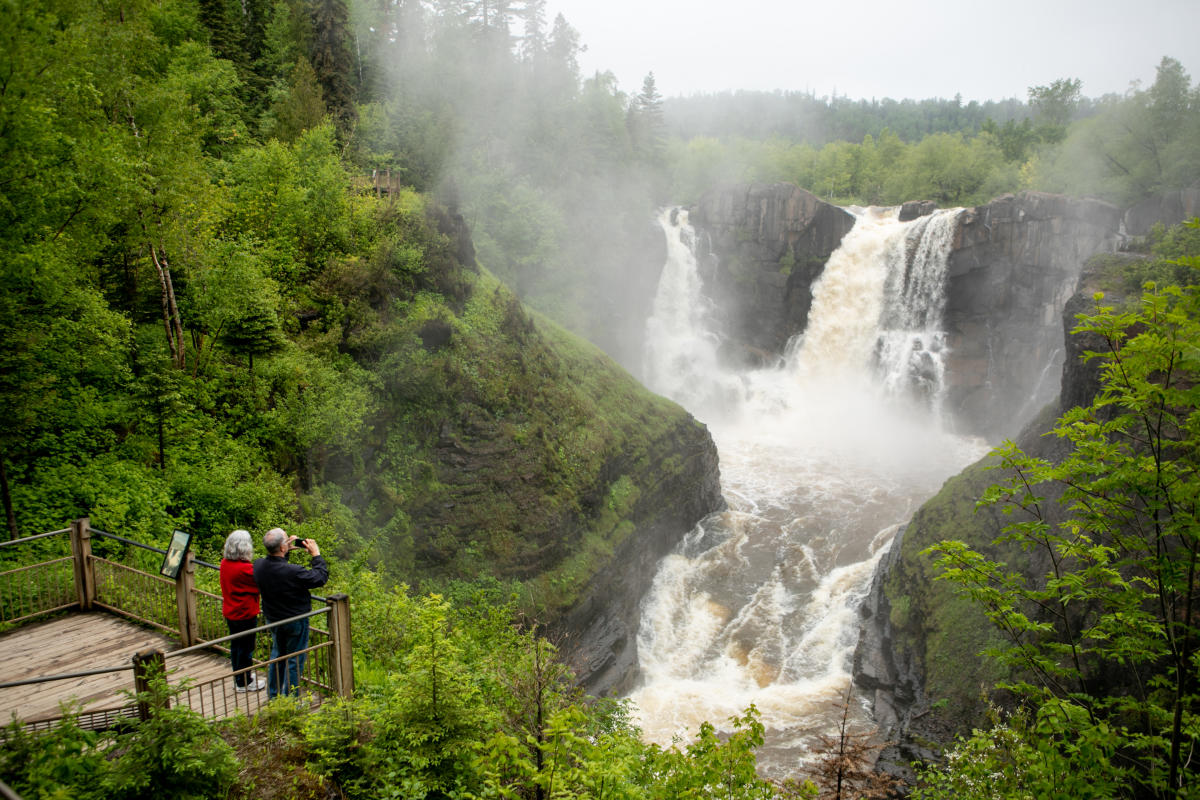
Credit: www.visitcookcounty.com
Things To Do In Grand Portage
Whether you’re a nature lover or history buff, Grand Portage packs plenty into a small area.
1. Visit The Heritage Center
The Heritage Center at the National Monument has interactive exhibits about the Ojibwe people and fur trade. Kids enjoy the touchable displays, while adults find the short films and maps helpful for context.
2. Paddle On Lake Superior
Grand Portage sits right on Lake Superior’s rugged shore. You can rent a canoe or kayak to explore quiet bays. The water is cold, even in summer, but the scenery is unforgettable. Always check weather conditions; Lake Superior can be unpredictable.
3. Take A Boat To Isle Royale
Many visitors don’t realize Grand Portage is the main launch point for ferries to Isle Royale National Park, a remote island with hiking and wildlife. The ferry ride itself is scenic, and you can book day trips or longer camping adventures.
| Activity | Season | Duration |
|---|---|---|
| Rendezvous Days Festival | August | 3 days |
| Isle Royale Ferry | May–September | 6–7 hours (round trip) |
| Canoe/Kayak on Lake Superior | June–September | 2–4 hours |
4. Discover Local Wildlife
Grand Portage is home to moose, black bears, and even timber wolves. Early morning or dusk are the best times for spotting animals, especially along less-traveled trails. Bring binoculars for a better chance to see birds and mammals.
5. Explore The Trading Post
The Grand Portage Trading Post is more than a convenience store. It sells Native American crafts, books, and local foods. Many tourists overlook it, but it’s a good stop for unique gifts and stories from local Ojibwe staff.
Practical Visitor Tips
- Best Time to Visit: Late spring through early fall offers the most activities.
- Weather: Even in summer, Lake Superior’s breeze can be chilly. Dress in layers.
- Park Fees: The National Monument is free, but State Park has a small parking fee.
- Cell Service: It can be spotty in the area. Download maps in advance.
- Camping: The nearby Grand Portage Marina offers simple campgrounds, or you can stay at lodges in the Grand Portage community.
Non-obvious insight: Many visitors rush through in a day. Staying overnight lets you enjoy quiet evenings, starry skies, and sunrise over the lake with almost no crowds.
Credit: www.visitcookcounty.com
The Culture Of Grand Portage
This area is the heart of the Grand Portage Band of Lake Superior Chippewa. The community welcomes visitors but asks for respect for sacred sites and local traditions. The Powwow during Rendezvous Days is open to all and is an authentic cultural experience.
For more background on the Ojibwe and fur trade era, the National Park Service site offers excellent resources.
Frequently Asked Questions
What Is The Difference Between Grand Portage National Monument And State Park?
The National Monument focuses on history and culture, with reconstructed buildings and living history. The State Park is all about nature, featuring Minnesota’s tallest waterfall and hiking trails.
Is Grand Portage A Good Place For Families?
Yes, both parks offer easy trails, picnic spots, and hands-on exhibits. The area is quiet and safe, but parents should watch young kids near water and cliffs.
Can You Visit Grand Portage In Winter?
While many facilities close, the area is open year-round. Snowshoeing and winter hiking are possible, but services are limited and weather can be harsh.
How Do You Get To Grand Portage?
Grand Portage is about 150 miles northeast of Duluth, Minnesota, along Highway 61. The closest airport is in Thunder Bay, Canada, about 40 miles away (passport required).
Are There Places To Eat Near The Park?
Dining options are limited. The Trading Post has a café, and some local lodges serve meals. It’s smart to bring snacks or a picnic, especially if you plan to hike.
Grand Portage remains one of Minnesota’s best-kept secrets. Whether you come for history, waterfalls, or wilderness, you’ll find a place that feels both welcoming and wild. If you’re seeking a unique adventure, Grand Portage should be on your list.
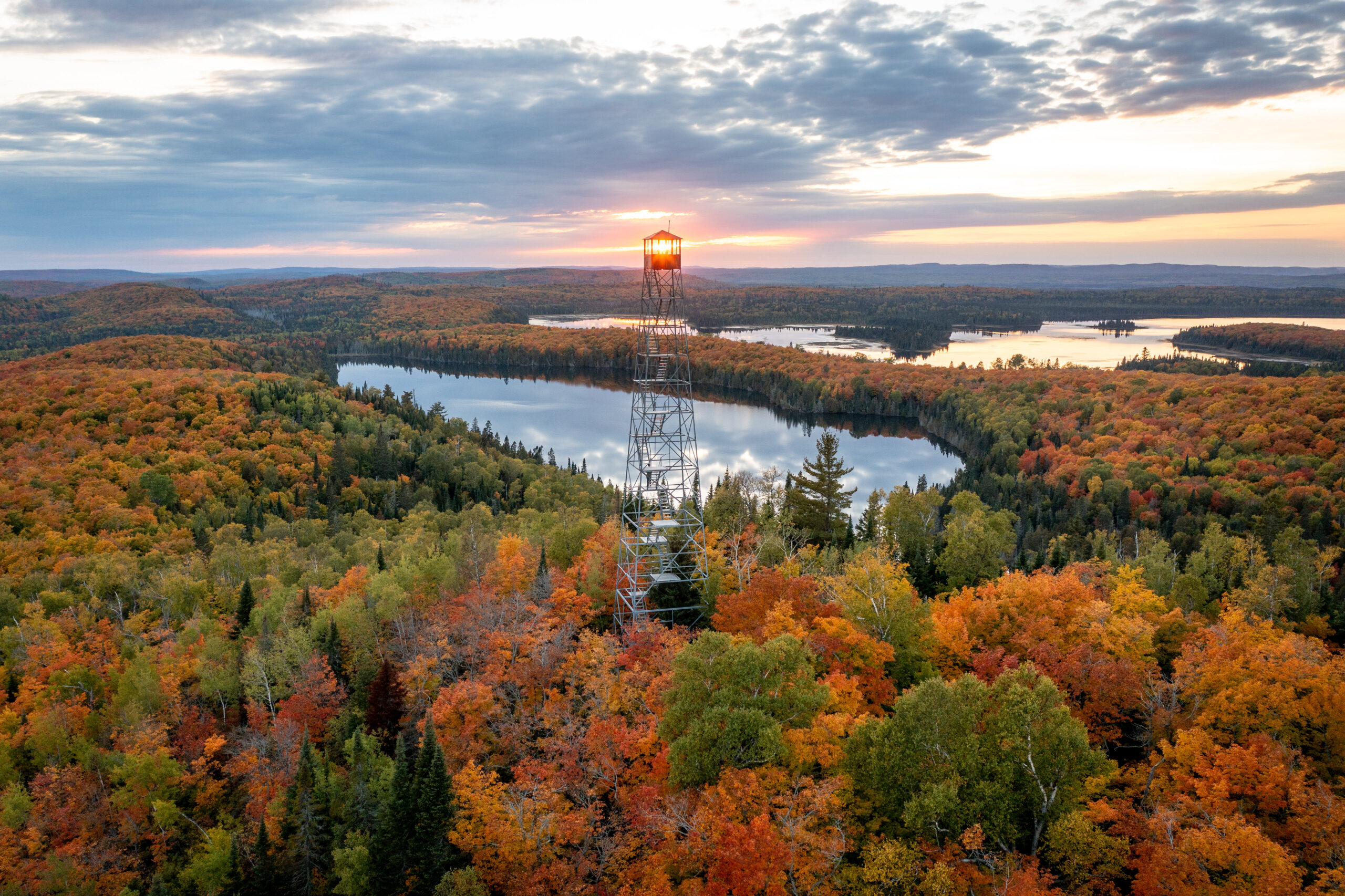
Credit: lakesuperiorcircletour.info
