
Grand Teton National Park: Best Things to Do and Top Attractions
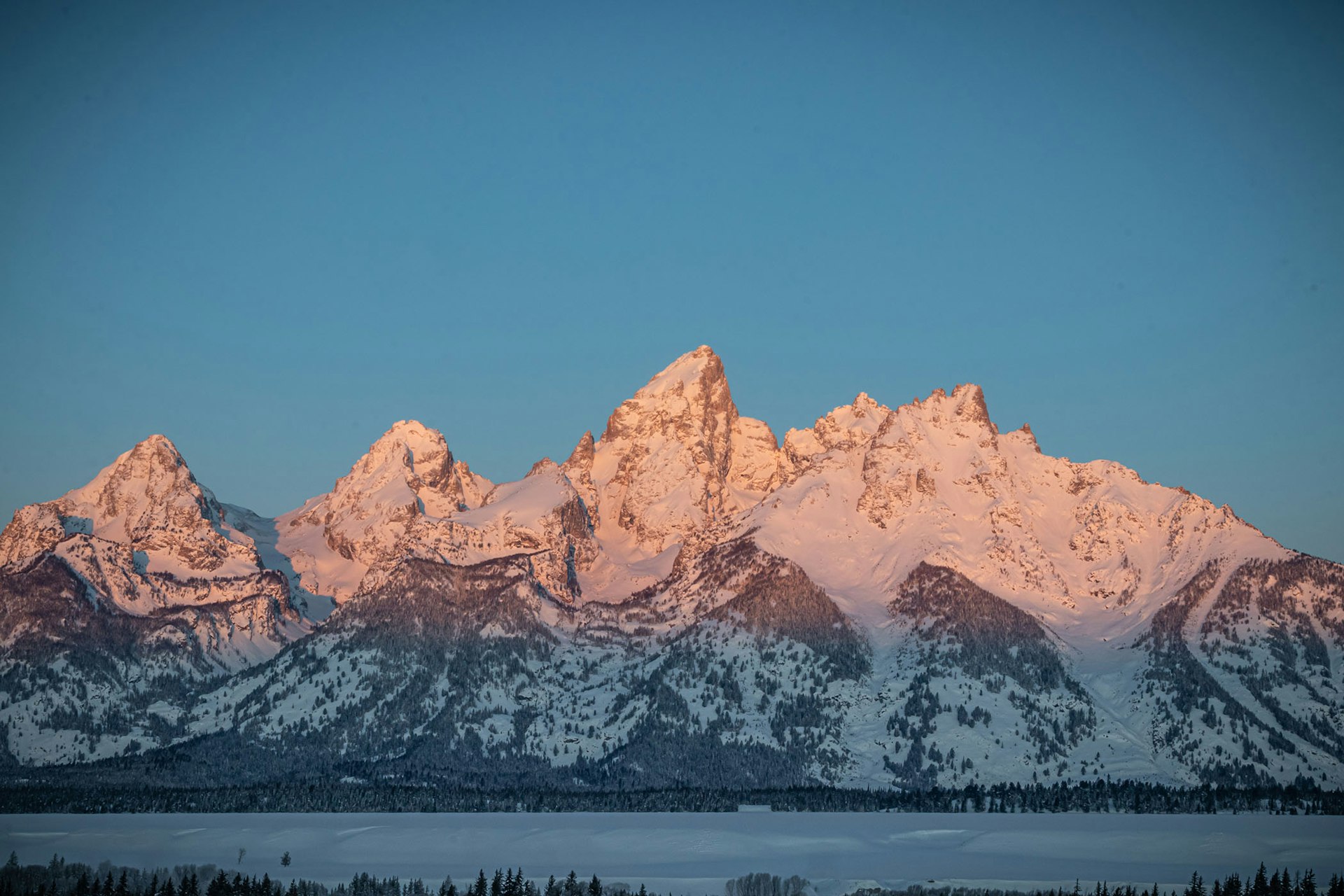
Tucked in northwest Wyoming, Grand Teton National Park is a place of raw, unforgettable beauty. The rugged Teton Range rises sharply above alpine lakes, forests, and meadows. Many visitors arrive for the classic views, but they soon discover there’s much more. This park offers a rich mix of outdoor activities, wildlife encounters, and scenic drives—making it a dream for photographers, hikers, and families alike.
Whether you have a single day or a full week, planning your visit around the park’s top attractions helps you get the most from your time. Here’s a practical guide to the best things to do in Grand Teton, plus tips and insights even seasoned travelers might overlook.
Iconic Sights And Scenic Drives
Some of the most memorable experiences require little effort—just a camera and a sense of wonder.
Jenny Lake
Jenny Lake is the park’s most popular spot, and for good reason. The crystal-clear water reflects the Tetons, creating postcard-perfect views. You can hike around the lake, rent a canoe, or take the shuttle boat across. The Hidden Falls and Inspiration Point trail (about 2 miles round trip from the boat dock) is a classic hike with impressive views.
Mormon Row Historic District
Famous for its old barns and open fields, Mormon Row is a photographer’s favorite, especially at sunrise. The John Moulton Barn stands out against the mountains, creating one of the most iconic images in the American West.
Snake River Overlook
This viewpoint is legendary—Ansel Adams made it famous with his black-and-white photo. The overlook is easy to reach by car and offers sweeping views of the Snake River winding below the Tetons.
Scenic Loop Drive
The 42-mile Teton Park Road loop lets you see many highlights without hiking. There are frequent pullouts for photos and wildlife watching. Early mornings and late evenings are the best times to spot moose, elk, and even bears.
| Attraction | Distance from Jackson | Best Time |
|---|---|---|
| Jenny Lake | 21 miles | Morning |
| Mormon Row | 14 miles | Sunrise |
| Snake River Overlook | 26 miles | Sunset |
Outdoor Activities
For many, Grand Teton’s wildness is best enjoyed outside the car. The park has options for every fitness level.
Hiking
Hiking is the most popular way to explore. There are more than 200 miles of trails, from short walks to challenging climbs.
- Taggart Lake Trail (3 miles round trip): Easy, mostly flat, and rewards you with lake views and a picnic spot.
- Cascade Canyon Trail (up to 9 miles): Start from Jenny Lake. The further you go, the fewer crowds you’ll see.
- Delta Lake: A tough but rewarding climb with turquoise water below the Tetons—expect snow on the trail until mid-summer.
One thing beginners often miss: weather can change fast. Always bring layers, water, and bear spray, even for short hikes.
Boating And Kayaking
Many lakes allow non-motorized boats. Paddling on Jackson Lake or Jenny Lake gives a different view of the peaks. Rentals are available at Colter Bay and Signal Mountain marinas.
Wildlife Watching
The park is home to over 60 mammal species and hundreds of birds. Early mornings near Oxbow Bend or Willow Flats are prime spots for seeing moose, beavers, and bald eagles. Remember to stay at least 100 yards from bears and wolves, 25 yards from other animals.
Fishing
Grand Teton is a top spot for fly fishing, especially for cutthroat trout. A Wyoming fishing license is required, and some areas are catch-and-release only. Local guides can help beginners learn the basics and find the best streams.
| Activity | Best Location | Tips |
|---|---|---|
| Hiking | Taggart Lake | Arrive early for parking |
| Boating | Jackson Lake | Watch for afternoon winds |
| Wildlife Watching | Oxbow Bend | Bring binoculars |
Credit: www.jacksonhole.com
Unique Experiences
Some activities in Grand Teton go beyond the usual tourist stops. These are perfect for those wanting a deeper connection to the park.
Ranger-led Programs
The park’s rangers offer walks, talks, and evening campfire programs. These cover topics like geology, history, and wildlife safety. Schedules are posted at visitor centers and online.
Climbing
The Grand Teton itself is a serious climb, but there are guided trips and climbing schools for beginners. Even a short lesson at the climbing rocks near Jenny Lake is fun and safe for families.
Horseback Riding
Several stables near the park offer guided rides through forests and meadows. It’s a relaxed way to see wildlife and get a taste of the Old West.
Stargazing
Nights in Grand Teton are dark and clear. The Jackson Hole Astronomy Club and rangers sometimes host free star parties. Oxbow Bend and Signal Mountain Summit are top spots for viewing the Milky Way.
| Experience | Location | Available Months |
|---|---|---|
| Ranger Programs | Visitor Centers | May–September |
| Horseback Riding | Moose, Colter Bay | June–September |
| Stargazing | Oxbow Bend | Year-round |
Practical Tips For Visitors
- Best time to visit: June through September has the best weather, but also more crowds. May and October are quieter, with fall colors or late snow.
- Park entrances: There are three main entrances—Moose, Moran, and Granite Canyon. Each has nearby services and information.
- Where to stay: Inside the park, you’ll find lodges and campgrounds. Jackson, just south of the park, offers hotels, restaurants, and shops.
- Fees: A 7-day car pass costs $35 (as of 2024). Consider an America the Beautiful pass if visiting several national parks.
Many travelers forget: the park is at high altitude (over 6,000 feet). Drink plenty of water and take it slow, especially on your first day.

Credit: noahlangphotography.com
Frequently Asked Questions
What Is The Best Time To See Wildlife In Grand Teton?
Dawn and dusk are ideal for spotting animals like moose, elk, and bears. Early summer and fall offer more sightings as animals move between feeding and resting areas.
Are Pets Allowed In Grand Teton National Park?
Pets are allowed in developed areas, parking lots, and some campgrounds, but not on hiking trails or in backcountry areas. Always keep pets on a leash and never leave them unattended.
How Long Should I Plan To Visit Grand Teton?
A minimum of two days lets you see main sights and try a hike. Four to five days allow for more activities like boating, fishing, or guided tours.
Do I Need A Permit For Hiking Or Camping?
Day hikes do not require permits. Backcountry camping requires a permit, which you can get at visitor centers or reserve online in advance.
Where Can I Find More Information About Grand Teton?
Visit the official National Park Service site for current conditions, maps, and activity schedules.
Grand Teton National Park offers more than just stunning views—it’s a place to connect with nature in many ways. Whether you hike, paddle, drive, or simply watch the sunrise, every visit leaves a lasting memory. Plan ahead, respect the wildlife, and you’ll see why so many people return year after year.
