
Hiking Nutrition: Fueling Your Adventure The Smart Way
Imagine standing at the foot of a beautiful mountain, ready to hike. You feel the cool air, hear the birds, and your backpack is filled with gear. But what about your body’s fuel? Hiking nutrition is often overlooked, but it plays a huge role in how much you enjoy the trail and how well you perform. Whether you’re out for a few hours or tackling a multi-day trek, the right food choices can make the difference between finishing strong or feeling exhausted.
Many beginners think hiking is just about strong legs and willpower. In reality, your body needs proper energy, hydration, and nutrients to keep going—especially on long or tough hikes. Poor nutrition can lead to tiredness, muscle cramps, headaches, and even risky situations in the wild.
But with a little planning, you can avoid these problems and get the most from every step.
This article gives you a clear, practical guide to hiking nutrition. You’ll learn what to eat before, during, and after your hike, how to plan meals, and common mistakes to avoid. We’ll cover real examples, expert tips, and even tackle myths that confuse many hikers.
Whether you’re a weekend explorer or a serious trekker, you’ll find useful advice to power your next journey.
Why Hiking Nutrition Matters
Hiking is not just walking—it’s a full-body workout, often over uneven ground, carrying extra weight, and facing changing weather. Your body burns more calories than you might expect. A typical hiker uses 300–600 calories per hour, depending on speed, terrain, and pack weight. On steep climbs or with a heavy backpack, this can rise to 700+ calories per hour.
Without enough energy and nutrients, your body quickly runs out of steam. Dehydration is another risk—just a 2% drop in body water can hurt your performance and focus. This is why hiking nutrition is about more than just eating snacks. It’s a plan to keep your body working well, so you can enjoy the scenery, stay safe, and recover faster.
The Basics Of Hiking Nutrition
Energy Needs On The Trail
Hiking burns a lot of calories, and your needs vary by:
- Body size
- Hiking speed
- Backpack weight
- Trail difficulty
- Weather (hotter means more water and salt loss)
For a 150-pound person, a moderate hike might use 2,500 to 3,000 calories per day. Harder hikes or bigger bodies can need 4,000+ calories. It’s smart to aim for a little extra, especially on multi-day hikes.
Macronutrients: What Your Body Needs
There are three main nutrients your body uses for energy:
- Carbohydrates: Your main fuel source. They give quick energy for muscles and brain. Examples: bread, rice, fruits, energy bars.
- Proteins: Help repair and build muscles. Important for recovery. Examples: nuts, jerky, beans, protein bars.
- Fats: Long-lasting energy. Good for long hikes, but harder to digest quickly. Examples: cheese, nuts, seeds, peanut butter.
A good mix is 50–60% carbs, 15–25% protein, and 20–30% fat for most hikers. Adjust based on your body’s response and length of hike.
Micronutrients: The Unsung Heroes
Vitamins and minerals help your body work well, fight tiredness, and avoid cramps. Key ones for hikers include:
- Sodium and potassium: Lost in sweat, help prevent cramps.
- Magnesium: Supports muscle and nerve function.
- Iron: Carries oxygen in your blood; low iron means less energy.
Fresh fruits, vegetables, and mixed nuts help cover these needs.
Pre-hike Nutrition: How To Prepare
The Night Before
Eat a balanced meal with complex carbs (like whole grains or pasta), some protein (chicken, tofu, fish), and vegetables. This fills up your body’s energy stores, called glycogen.
Example meal: Brown rice, grilled chicken, steamed broccoli, and a banana.
Avoid heavy, greasy foods—they can make you feel slow the next day.
Breakfast Before Hiking
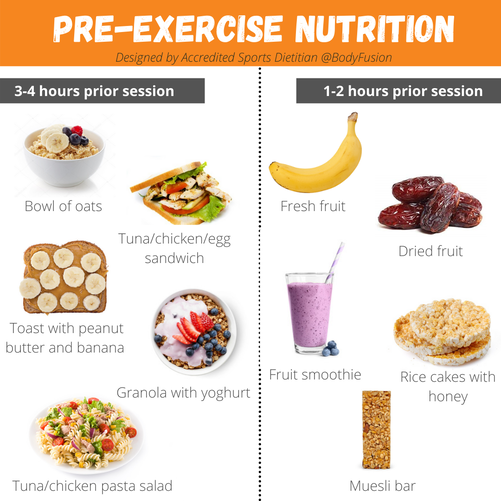
Eat 1–2 hours before you start. Focus on easily digested carbs and a bit of protein.
Good options:
- Oatmeal with fruit and nuts
- Whole grain toast with peanut butter
- Yogurt and berries
Skip very sugary foods or heavy meats—they can cause stomach upset early on the trail.
Hydration
Drink 16–24 ounces (500–700 ml) of water before you start. Coffee or tea is fine, but don’t overdo caffeine—it can dehydrate you.
Nutrition During The Hike
How Often Should You Eat?
Eat small amounts every 60–90 minutes. Waiting too long can lead to energy crashes, mood changes, or mistakes.
Snacks are your friend. Choose foods that are easy to carry, eat, and digest.
Best Trail Snacks
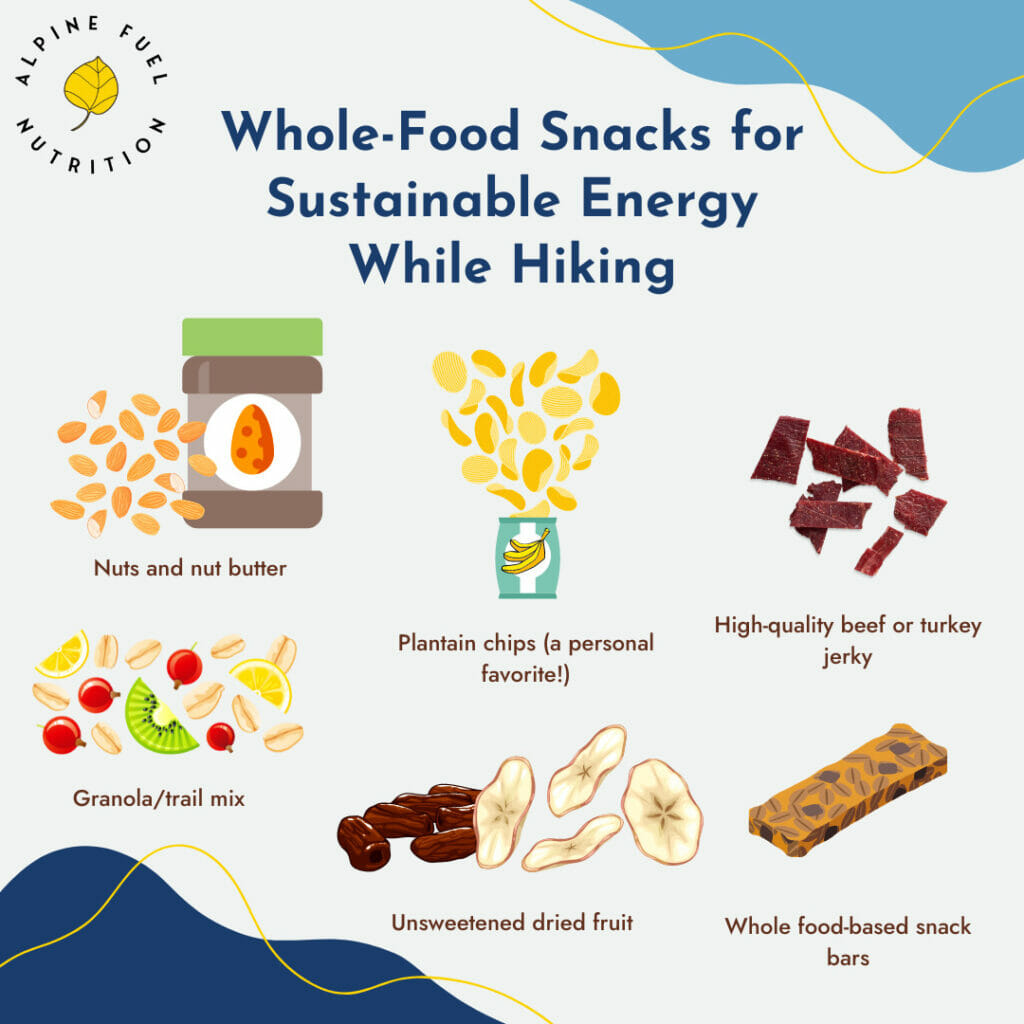
Some top choices:
- Energy bars (look for 150–250 calories each)
- Mixed nuts and dried fruit (good balance of fat, protein, and carbs)
- Trail mix (customize with seeds, dark chocolate, granola)
- Beef or turkey jerky (high protein, easy to pack)
- Fresh fruit (apples, oranges—won’t squish easily)
- Crackers or rice cakes
- Nut butters (in squeeze packs)
- Granola or protein bars
For longer hikes, bring some real food: wraps with cheese and turkey, hard-boiled eggs, or small sandwiches.
Hydration On The Trail
Drink 6–8 ounces (180–240 ml) every 20–30 minutes. On hot days or steep climbs, drink more. Waiting until you feel thirsty is too late—mild dehydration lowers energy fast.
For hikes over 2 hours, add electrolytes (sodium, potassium, magnesium). Use sports drink powders, electrolyte tablets, or eat salty snacks.
How Much Water To Carry?
A good rule: Half a liter per hour in moderate weather. Adjust for heat, altitude, or your own sweat rate.
Table: Sample Snack Comparison
Here’s a look at common trail snacks and what they provide:
| Snack | Calories | Carbs (g) | Protein (g) | Fat (g) | Sodium (mg) |
|---|---|---|---|---|---|
| Energy bar | 200 | 30 | 8 | 5 | 120 |
| Trail mix (1/4 cup) | 170 | 14 | 4 | 10 | 60 |
| Banana | 90 | 23 | 1 | 0 | 1 |
| Beef jerky (1 oz) | 100 | 3 | 10 | 2 | 600 |
Special Needs: Altitude, Heat, And Cold
- High altitude: You lose more water and need extra carbs.
- Hot weather: Drink more water and add salty snacks.
- Cold weather: Eat more fats for warmth and energy.

Credit: www.backpacker.com
Lunch And Meals On The Trail
If your hike lasts a full day or more, you need a real meal, not just snacks. The best trail lunches:
- Are easy to carry and don’t spoil quickly
- Provide both carbs and protein
- Don’t make you feel sleepy or heavy
Popular options:
- Whole grain wrap with turkey, cheese, and spinach
- Tuna packet with crackers
- Hummus with pita and carrot sticks
- Instant oatmeal with nuts and dried fruit (add hot water from a thermos)
For multi-day hikes, use dehydrated meals—lightweight, just add hot water, and balanced nutrition.
Table: Fresh Vs. Packaged Hiking Foods
Here’s a quick look at the pros and cons of fresh and packaged foods for hikers:
| Type | Pros | Cons | Best Use |
|---|---|---|---|
| Fresh food | Taste, nutrients, less salt | Heavier, spoils faster | Day hikes, first day of multi-day trips |
| Packaged food | Lightweight, long shelf life | Higher salt, less fresh flavor | Multi-day hikes, emergency food |
After The Hike: Recovery Nutrition
When you finish hiking, your body needs to refuel and repair. Eating the right foods in the first 30–60 minutes helps you recover faster and reduces muscle soreness.
Focus on:
- Carbs: Refill energy stores
- Protein: Repair muscle tissue
- Fluids and electrolytes: Replace what you lost in sweat
Good post-hike meals:
- Chocolate milk (has both carbs and protein)
- Turkey or veggie sandwich with fruit
- Rice with beans and salsa
- Greek yogurt with granola
Remember to drink water or a sports drink until your urine is light yellow. Avoid too much alcohol—it slows recovery and dehydrates you.
Multi-day And Backpacking Nutrition
Long hikes mean more planning. You need lightweight, high-calorie, non-perishable foods. Every ounce counts, but you can’t sacrifice nutrition.
Packing For Multi-day Hikes
- Choose dehydrated or freeze-dried meals
- Bring calorie-dense snacks (nuts, nut butters, energy bars)
- Pack instant oatmeal, couscous, or instant rice
- Add flavor with spice packets or small hot sauce bottles
For protein, include:
- Powdered peanut butter or almond butter
- Tuna, salmon, or chicken packets
- Hard cheese (lasts a few days without refrigeration)
Table: Lightweight Calorie Sources
Compare these popular backpacking foods for calories per ounce:
| Food | Calories/Ounce | Notes |
|---|---|---|
| Peanut butter | 170 | High in fat, long shelf life |
| Olive oil (added to meals) | 240 | Very calorie-dense, use sparingly |
| Trail mix | 140 | Carb/fat/protein balance |
| Dehydrated meals | 110–130 | Just add water, full meals |
Don’t Forget Fiber
Many packaged trail foods are low in fiber. This can cause digestive issues on long trips. Add dried fruit, oatmeal, or whole grain crackers to your food bag.
Water And Purification
On multi-day hikes, always carry a water filter or purification tablets. Natural water sources may look clean but can carry bacteria. Plan your route around water points, and refill whenever you can.
Special Diets And Hiking
Hikers come from all backgrounds and may have special diets. You can thrive on the trail whether you’re vegetarian, vegan, gluten-free, or have allergies—just plan ahead.
- Vegetarians: Use beans, nuts, lentils, dairy, and eggs for protein.
- Vegans: Pack nut butters, seeds, beans, lentil snacks, and vegan energy bars.
- Gluten-free: Choose rice, corn tortillas, gluten-free oats, and special snack bars.
- Nut allergies: Use seeds (pumpkin, sunflower), soy butter, and dried chickpeas.
Look for recipes and packaged meals that fit your needs. If buying pre-made trail food, check labels for hidden ingredients.
Credit: www.summitstrength.com.au
Common Mistakes And How To Avoid Them
Many hikers, especially beginners, make similar nutrition errors. Here’s how to avoid them:
- Not eating enough: Hunger often comes late on the trail. Eat small amounts often, even if you’re not hungry.
- Packing too much or too little food: Practice on shorter hikes to learn your real needs.
- Ignoring electrolytes: Water alone isn’t enough on long or hot hikes—add salty snacks or sports drink powder.
- Trying new foods on the trail: Test snacks and meals before your hike to avoid stomach problems.
- Not adjusting for weather: Eat more in cold, more salt in heat, more carbs at altitude.
- Forgetting about food safety: Keep perishables cold or eat them early in your trip. Wash hands before eating.
- Relying only on energy bars: Variety keeps your body and mind happy.
Planning And Packing Your Hiking Food
Start by estimating hours or days on the trail, your own hunger level, and calorie needs. List each meal and snack. Pack in resealable bags, and keep food easy to reach during the hike.
- For day hikes: 1–2 meals, 2–4 snacks
- For overnight: Breakfast, lunch, dinner, and 4–6 snacks per day
Don’t forget a small emergency food stash (energy gel, bar, or nuts) in case your hike takes longer than planned.
Pack out all trash. Consider using reusable bags to cut down on waste.
Credit: alpinefuelnutrition.com
Non-obvious Insights For Better Hiking Nutrition
Most people focus only on calories, but here are two extra tips that make a real difference:
- Taste fatigue is real: Eating the same bar or snack gets boring fast. Bring a mix of flavors (sweet, salty, savory, spicy) to keep your appetite up.
- Timing matters: Eating right after a hard climb or during a rest helps your body use fuel better. Don’t wait until you’re “starving”—small, regular bites keep energy steady and prevent the “bonk” (sudden energy crash).
Advanced hikers even plan “treats” for tough sections, like a favorite candy or special snack.
Reliable Resources And Further Reading
For in-depth nutrition science, the Academy of Nutrition and Dietetics offers expert advice for athletes and hikers. For gear and recipes, sites like REI and the American Hiking Society have helpful guides. For more on hydration and electrolytes, see this CDC Nutrition resource.
Frequently Asked Questions
How Many Calories Do I Need For A Day Hike?
Most people burn 2,500–3,500 calories on a moderate 6–8 hour hike. Larger people, harder trails, or heavy packs can push this higher. It’s better to bring a little extra food than not enough.
What Are The Best Quick Snacks For Hiking?
Energy bars, trail mix, dried fruit, jerky, and nut butters are popular because they are light, high in calories, and easy to eat without stopping.
How Do I Know If I’m Drinking Enough Water?
Check your urine color—it should be light yellow. Darker means you need more water. Also, if you feel thirsty, tired, or develop a headache, these are signs of dehydration.
Can I Eat Regular Food Instead Of Special Hiking Snacks?
Yes, many regular foods work well: sandwiches, fruit, crackers, cheese. Just avoid foods that spoil easily or are too messy. For multi-day hikes, choose foods that last longer without a fridge.
What Should I Do If I Feel Tired Or Dizzy While Hiking?
Stop and rest in the shade, drink water, and eat a snack with carbs and salt (like crackers or trail mix). If you don’t feel better, turn back or ask for help. Listen to your body—pushing through can be dangerous.
Hiking is a journey for body and mind, and smart nutrition helps you enjoy every moment. With a little planning and the right snacks, you’ll find more energy, better focus, and safer adventures. Happy trails!
