
Hiking Vs Walking: What’s the Real Difference and Which Is Right for You?
Many people love to move outdoors, but they often wonder: is hiking just a fancy word for walking? The two activities sound similar—after all, both involve putting one foot in front of the other. But the truth is, hiking and walking are not the same. Each offers unique benefits, challenges, and experiences.
If you want to improve your health, connect with nature, or simply enjoy movement, understanding the differences between hiking and walking will help you choose the best activity for your goals. In this guide, you’ll discover how hiking and walking compare, what makes each special, and how to get started safely.
You’ll also see data, real-life examples, and answers to common questions.
What Is Walking?
Walking is one of the most basic human movements. It’s simple, easy to learn, and can be done almost anywhere. Most people walk daily for exercise, errands, or leisure.
Definition And Typical Environments
Walking means moving at a steady pace on flat, paved surfaces. You can walk in cities, parks, malls, or even at home. The terrain is usually smooth, with few obstacles.
People often walk for:
- Exercise: Many follow step goals, like 10,000 steps a day.
- Relaxation: Walking can be calming and stress-relieving.
- Transportation: Walking is a practical way to get around.
Health Benefits Of Walking
Walking is gentle on the body but offers impressive health benefits. According to the Centers for Disease Control and Prevention (CDC), brisk walking can help:
- Lower blood pressure
- Control weight
- Improve mood
- Reduce risk of heart disease, stroke, and diabetes
A 30-minute brisk walk burns about 120–150 calories for most adults. It’s accessible for nearly all ages and fitness levels.
Popular Walking Styles
Some people add variety to their walks:
- Power walking: Fast pace, arms swinging
- Nordic walking: Uses poles for full-body workout
- Walking meditation: Slow, mindful steps for mental health
Each style can be adapted to personal goals, making walking a flexible activity.
What Is Hiking?
Hiking takes walking to a different level—literally and figuratively. It’s about exploring natural trails, often with hills, rocks, and uneven surfaces.
Definition And Typical Environments
Hiking means walking on trails, often in forests, mountains, or countryside. It usually involves rougher terrain, elevation changes, and sometimes longer distances.
Common hiking environments include:
- National parks
- Nature reserves
- Mountain paths
- Deserts and coastal areas
Hiking can be short and easy, or long and challenging. Some hikes last a few hours; others are multi-day adventures.
Physical And Mental Benefits Of Hiking
Hiking offers all the benefits of walking, plus some extras:
- Builds leg strength and core stability due to uneven ground
- Improves balance and coordination
- Provides exposure to nature, which can boost mental well-being
- Burns more calories; a moderate hike can use 300–500 calories per hour
Research shows hiking can reduce symptoms of anxiety and depression. Nature exposure is linked to lower stress and better mood.
Types Of Hiking
Hiking comes in many forms:
- Day hiking: Short trips, often under 10 miles, return the same day
- Backpacking: Multi-day hikes, carrying gear and camping
- Urban hiking: Exploring city trails or parks
- Scrambling: Climbing over rocks and steep sections
Each type requires different preparation and equipment.
Key Differences Between Hiking And Walking
On the surface, hiking and walking both involve moving on foot. But several important differences set them apart. Let’s break down the main contrasts.
Terrain And Environment
Walking usually happens on smooth, flat surfaces—sidewalks, roads, or indoor tracks. Hiking takes place on uneven, natural terrain with rocks, roots, hills, and sometimes mud or snow.
Physical Demands
Hiking is more physically demanding than walking. The uneven ground and elevation changes work more muscles, require greater balance, and often lead to higher calorie burn.
Walking is easier on the joints and less tiring, making it suitable for people with limited mobility or those recovering from injury.
Required Equipment
Walking needs little more than comfortable shoes and perhaps a water bottle.
Hiking often requires:
- Sturdy footwear (like hiking boots)
- Backpack
- Navigation tools (maps, GPS)
- Weather-appropriate clothing
- Optional: Trekking poles, snacks, emergency kit
Time Commitment
A typical walk lasts 15–60 minutes. Hiking can range from one hour to several days, depending on the trail and personal goals.
Safety Considerations
Walking is generally safe, especially in populated areas. Hiking can involve risks such as:
- Getting lost
- Wild animals
- Sudden weather changes
- Injuries from slips or falls
Preparation is key for safe hiking.
Social And Psychological Experience
Walking is often a casual, everyday activity. Hiking feels more adventurous and immersive. Many hikers report a sense of achievement after finishing a trail, especially challenging ones.
Comparison Table: Hiking Vs Walking
Below is a direct comparison of the main factors:
| Aspect | Walking | Hiking |
|---|---|---|
| Terrain | Flat, paved | Uneven, natural |
| Physical Intensity | Low to moderate | Moderate to high |
| Equipment | Shoes only | Boots, backpack, gear |
| Time | 15–60 minutes | 1 hour to multi-day |
| Calories Burned | 120–150 per 30 min | 300–500 per hour |
| Safety | Low risk | Higher risk |
| Environment | Urban/suburban | Natural, remote |
Choosing Between Hiking And Walking
Now that you know the differences, which activity is best for you? It depends on your goals, health, and preferences.
If You’re New To Exercise
Walking is a great place to start. It’s easy, safe, and doesn’t require special gear. You can slowly increase your speed and distance as you get fitter.
If You Want Adventure
Hiking offers excitement and variety. Trails range from easy to hard, so you can choose what suits you. Being in nature is a bonus.
If You Have Health Concerns
Those with joint pain, heart issues, or balance problems may find walking more comfortable. Hiking can be adapted, but it’s wise to talk to your doctor first.
If You Want To Burn More Calories
Hiking is more demanding and burns more calories. A 150-pound person burns about 300 calories per hour hiking, compared to 150 calories per hour walking.
If You Want Mental Health Benefits
Both activities help, but hiking in nature is linked to bigger improvements in mood, focus, and stress. Studies from Stanford University show that nature walks decrease rumination—repetitive negative thoughts—more than urban walking.
Real-life Example
Maria, a 35-year-old office worker, started with daily 30-minute walks in her city. After six months, she felt ready for more. She tried hiking local trails and enjoyed the challenge and scenery. Now, she alternates between walking on busy weekdays and hiking on weekends.
Her fitness improved, and she feels less stressed.

Credit: www.intrepidtravel.com
Equipment And Preparation: What You Really Need
Getting ready for walking is simple. Hiking needs more planning. Here’s a breakdown:
Walking Essentials
- Comfortable shoes: Athletic or walking shoes
- Water bottle
- Weather-appropriate clothing
- Optional: Step tracker, headphones
Most people can walk without much preparation. For longer walks, bring water and check the weather.
Hiking Essentials
- Hiking boots or sturdy shoes
- Backpack for water, snacks, and extra layers
- Map or GPS
- Weather-appropriate clothing: Layers, rain jacket if needed
- Snacks: Energy bars or fruit
- First-aid kit
- Trekking poles (for steep or uneven trails)
- Optional: Sun protection, insect repellent
Never underestimate a trail. Even short hikes can become tricky if weather changes or you get lost.
Comparison Table: Walking Vs Hiking Gear
This table shows the basic gear for each activity:
| Item | Walking | Hiking |
|---|---|---|
| Shoes | Comfortable walking shoes | Hiking boots |
| Water | Optional | Essential |
| Backpack | Not needed | Needed |
| Navigation | Not needed | Map/GPS |
| Clothing | Simple | Layered/weatherproof |
| Snacks | Optional | Recommended |
Non-obvious Preparation Tips
- Check the trail difficulty before hiking. Beginner hikers often underestimate the challenge.
- Let someone know your hiking plan, especially if the trail is remote.
- For both activities, consider stretching before and after to reduce injury risk.
- Start with short hikes and build up to longer, harder trails.
Risks And Safety Considerations
Walking is low-risk. Hiking comes with some dangers, but most can be managed with preparation.
Walking Risks
- Traffic in urban areas
- Slips on wet or icy surfaces
- Dehydration in hot weather
Walk in safe areas, wear visible clothing, and stay alert.
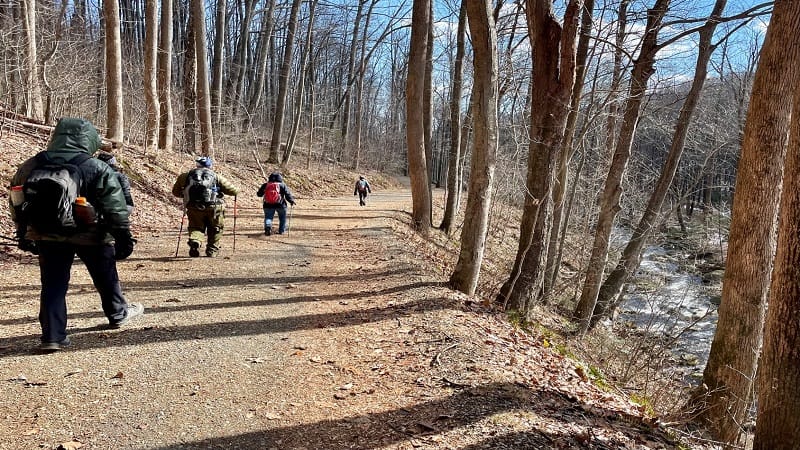
Hiking Risks
- Getting lost: Trails may not be well marked
- Weather changes: Rain, cold, or heat can be dangerous
- Injury: Twisted ankles, falls
- Wildlife: Snakes, insects, or larger animals
Always check weather forecasts, carry a map, and bring a charged phone. Don’t hike alone on remote trails unless experienced.
Safety Comparison Table
Here’s how the safety risks compare:
| Risk | Walking | Hiking |
|---|---|---|
| Traffic accidents | Possible | Unlikely |
| Slips/falls | Low | Moderate |
| Getting lost | Rare | Possible |
| Weather danger | Low | Moderate |
| Wildlife | Rare | Possible |
Credit: gohikevirginia.com
Environmental Impact
Walking and hiking both affect the environment, but hiking can have a bigger impact.
Walking
Urban walking is low-impact. But walking in nature without following trails can harm plants or disturb animals.
Hiking
Hiking in sensitive areas can cause:
- Erosion of trails
- Disturbance to wildlife
- Littering and pollution
Always follow marked trails, carry out trash, and respect local guidelines. Many parks use “Leave No Trace” principles.
Accessibility And Inclusivity
Walking is accessible for most people, regardless of age or fitness. Sidewalks and urban paths make it easy.
Hiking is less accessible, especially for those with limited mobility. Some parks offer wheelchair-friendly trails, but many are rugged.
Non-obvious Insight: Adaptive Hiking
Some organizations provide adaptive hiking programs for people with disabilities. Special equipment like all-terrain wheelchairs allows more people to enjoy trails.
Social Aspects: Solo Or Group Activity?
Walking is often social. Group walks, walking clubs, or family outings are common. Conversation is easy because the terrain is simple.
Hiking can be solo or social. Many people prefer hiking with friends for safety and company. Group hikes build teamwork and can be fun.
Non-obvious Insight: Hiking Builds Connection
Research suggests shared challenges, like finishing a hard hike, create stronger bonds than casual walks. Hiking can deepen relationships.
Cost And Accessibility
Walking is almost free. You only need basic shoes and comfortable clothing.
Hiking can be low-cost, but some expenses may include:
- Special footwear
- Backpack and gear
- Park entry fees
- Travel to trailheads
Still, hiking is cheaper than many sports. Start with local trails and upgrade gear slowly.
Which Burns More Calories? Data And Examples
Many people ask which is better for weight loss. Here’s the data:
- Walking (brisk pace): Burns about 120–150 calories per 30 minutes for a 150-pound adult
- Hiking (moderate trail): Burns about 300–500 calories per hour for the same person
The steeper the trail, the more calories burned. Hiking also builds muscle strength, especially in the legs and core.
Making The Most Of Each Activity
No matter which you choose, maximize your benefits:
- Walk or hike regularly—consistency is key
- Mix up routes and scenery to stay motivated
- Use a step tracker or fitness app to monitor progress
- Set realistic goals (steps, distance, time)
- Combine walking and hiking for variety
Credit: manasluguide.com
Where To Find Trails And Walking Paths
Many cities offer walking paths in parks and along rivers. For hiking, look for:
- National and state parks
- Nature reserves
- Local hiking clubs
Websites like AllTrails, local park websites, and guidebooks help you discover new routes.
For more details on hiking and walking benefits, visit Wikipedia’s Hiking page.
Frequently Asked Questions
What Is The Main Difference Between Hiking And Walking?
The main difference is the terrain. Walking happens on flat, smooth surfaces, while hiking is on uneven, natural trails with hills and obstacles. Hiking is more physically demanding and requires more preparation.
Is Hiking Better For Fitness Than Walking?
Both are good, but hiking offers a greater workout. It burns more calories, builds strength, and improves balance due to the rough terrain. Walking is lower-impact and easier for beginners or those with health concerns.
Can I Start Hiking If I Usually Just Walk?
Yes, but start with easy trails. Make sure you have proper shoes and bring water. Gradually increase the difficulty as you gain confidence and fitness.
What Equipment Do I Need For Hiking Vs Walking?
Walking needs only comfortable shoes. Hiking requires sturdy footwear, a backpack, water, snacks, and sometimes navigation tools or weather-appropriate clothing. Check trail conditions before you go.
Are There Risks In Hiking That Don’t Exist In Walking?
Hiking has extra risks such as getting lost, sudden weather changes, and injuries from falls or wildlife. Careful planning and following safety guidelines reduce these risks.
Choosing between hiking and walking depends on your goals, fitness, and preferences. Both offer valuable health benefits and enjoyable experiences. Start with walking if you’re new, and try hiking when you’re ready for adventure. With the right preparation, you can enjoy both safely and get the most from each activity.
