
Are you ready to explore one of the most breathtaking places on Earth? Yosemite National Park is a paradise for hikers, but you might be wondering—how many hiking trails does it actually have?
Knowing the number of trails can help you plan your adventure better and choose the perfect path for your skill level and interests. You’ll discover not just the total number of trails, but also what makes each one unique. Get ready to find the trail that’s just right for you and make your Yosemite experience unforgettable.
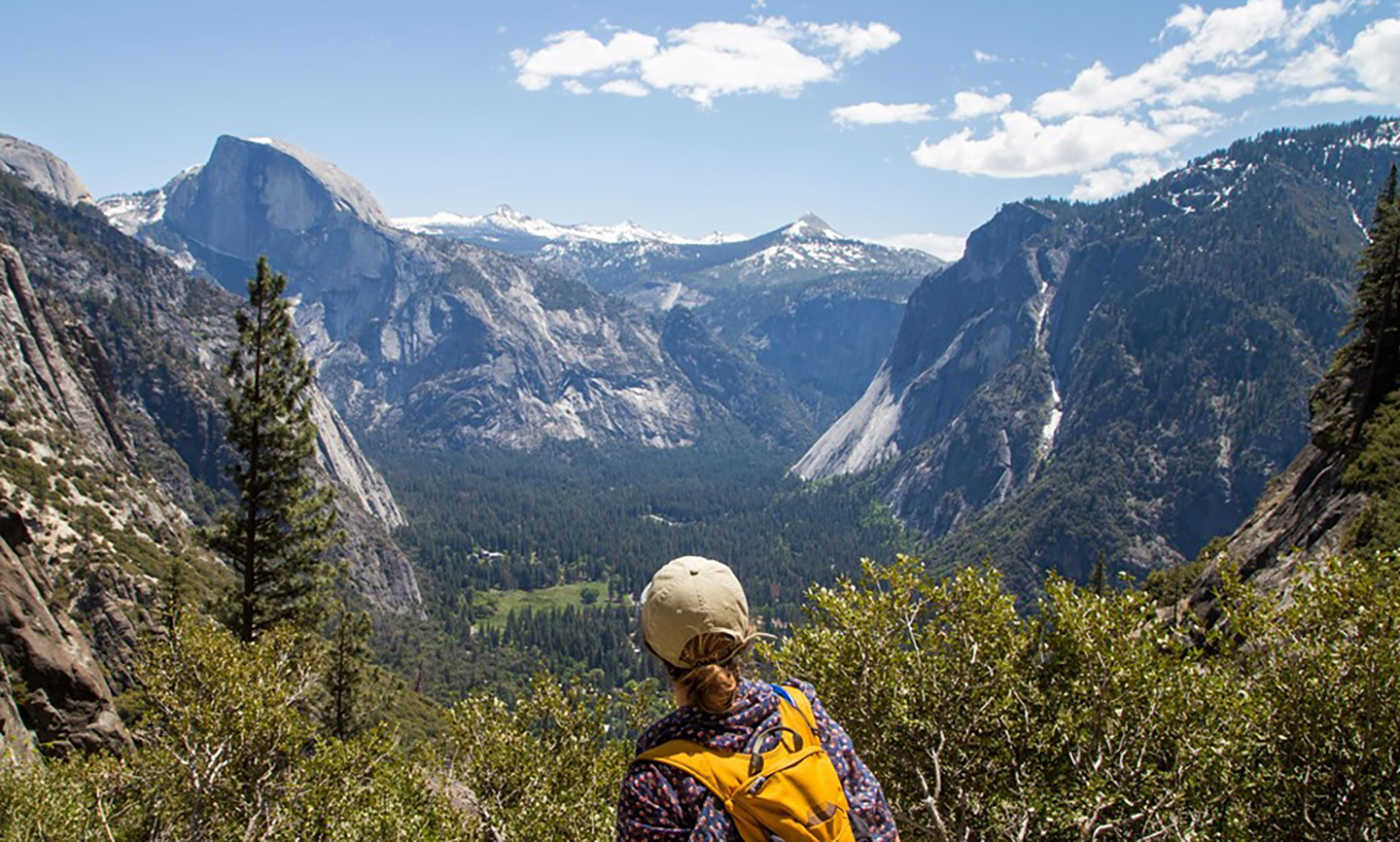
Credit: www.nps.gov
Yosemite Trail Count
Yosemite National Park has many hiking trails for visitors to explore. The park’s trails vary in length and difficulty. Each trail offers unique views of Yosemite’s famous landscapes. Knowing the total number of trails helps hikers plan their visit better.
The Yosemite trail count includes short walks and long backpacking routes. Trails go through forests, valleys, and high mountain areas. Some paths lead to waterfalls and scenic overlooks. The variety makes Yosemite a top hiking destination.
Number Of Official Trails
Yosemite has more than 750 miles of official hiking trails. This total includes both day hikes and multi-day treks. The park service maintains these trails to ensure safety and access. Many trails start near popular spots like Yosemite Valley.
Types Of Trails In Yosemite
Trails in Yosemite serve different hiking preferences. Easy trails suit families and beginners. Moderate paths challenge regular hikers. Difficult trails test experienced adventurers with steep climbs. Each type offers distinct natural beauty and wildlife sightings.
Popular Trail Examples
Famous trails include the Mist Trail, Half Dome, and Yosemite Falls Trail. The Mist Trail leads to Vernal and Nevada Falls. Half Dome requires a permit and offers stunning views from the summit. Yosemite Falls Trail climbs to the top of the tallest waterfall in North America.

Credit: www.yosemitethisyear.com
Trail Types And Difficulty
Yosemite National Park has many hiking trails. These trails vary in type and difficulty. Knowing these helps you pick the right path. Trails range from easy walks to tough climbs. Each offers unique views and experiences. Understanding the trail types makes your hike safe and fun.
Easy Trails
Easy trails in Yosemite are short and flat. They suit families and beginners. These paths lead to beautiful spots like waterfalls and meadows. The terrain is gentle and well-marked. Trails such as Lower Yosemite Fall Trail fit this type. Ideal for a relaxed, scenic walk.
Moderate Trails
Moderate trails are longer and have some hills. They need more energy but are not too hard. These trails show more of Yosemite’s nature and views. Examples include the Mist Trail and Panorama Trail. Good for those with some hiking experience.
Strenuous Trails
Strenuous trails are steep and long. They require good fitness and hiking skills. These hikes can take hours or even days. Trails like Half Dome and Clouds Rest belong here. They reward hikers with stunning, high mountain views.
Popular Hiking Routes
Yosemite National Park offers many hiking trails for all skill levels. Some routes stand out for their views and unique experiences. These popular trails attract many visitors each year.
Mist Trail
The Mist Trail is famous for its waterfalls and lush scenery. Hikers walk close to roaring water, feeling the cool mist. The path leads to Vernal and Nevada Falls. It is a moderate hike with some steep steps.
Half Dome Trail
The Half Dome Trail is challenging but rewarding. It climbs high with cables to help near the top. The view from the summit shows Yosemite Valley and beyond. This trail needs a permit to hike.
Glacier Point Trail
The Glacier Point Trail offers stunning panoramic views. It is shorter and easier than the others. Hikers see Half Dome, Yosemite Falls, and the valley floor. This trail suits those wanting a quick, scenic walk.
Seasonal Trail Access
Yosemite National Park offers many hiking trails for visitors. The number of trails open depends on the season. Weather and snow affect which paths are accessible. Some trails close during winter for safety reasons. Others open in spring as snow melts. Knowing seasonal trail access helps plan your visit well.
Spring And Summer
Spring brings melting snow and blooming flowers. Many lower-elevation trails open by late April. Waterfalls run strong from snowmelt. Summer offers the best trail access. Most hiking paths are clear and safe. Popular routes like the Mist Trail and Yosemite Falls Trail stay open. High-elevation trails open later in summer. Warm weather attracts many hikers. Carry water and sun protection on sunny days.
Fall And Winter
Fall shows colorful leaves and cooler weather. Many trails remain open, but some close early. Snow can start falling in October. Winter brings heavy snow at higher elevations. Most mountain trails close for safety. Valley floor trails often stay open. Snowshoeing and cross-country skiing become popular. Check trail conditions before heading out. Winter hiking requires special gear and caution.
Trail Safety Tips
Hiking in Yosemite National Park offers stunning views and fresh air. Safety on the trails is very important. Knowing basic trail safety tips keeps you safe and makes the hike enjoyable. Follow simple rules to avoid accidents and problems.
Plan Your Hike Ahead
Check the weather before you start. Choose trails that fit your skill and fitness level. Tell someone your hiking plan and expected return time. Carry a map or use a GPS device to avoid getting lost.
Wear Proper Clothing And Footwear
Wear sturdy shoes with good grip. Dress in layers to adjust to changing weather. Bring a hat and sunscreen to protect from sunburn. Avoid cotton clothes that stay wet and cause chills.
Carry Enough Water And Food
Bring enough water to stay hydrated all day. Pack snacks that give energy, like nuts and fruit. Avoid drinking untreated water from streams or lakes. Use water purification tablets if needed.
Stay On Marked Trails
Follow trail signs and stay on the path. Avoid shortcuts that can harm plants and cause erosion. Straying off trails increases the risk of injury or getting lost. Respect park rules and preserve nature.
Be Aware Of Wildlife
Keep a safe distance from animals. Do not feed or approach wildlife. Store food in bear-proof containers or lockers. Make noise to alert animals of your presence and avoid surprise encounters.
Carry A First Aid Kit
Bring basic first aid supplies for cuts and scrapes. Include bandages, antiseptic wipes, and pain relievers. Know how to use the items in your kit. Treat minor injuries quickly to prevent infection.

Credit: www.citrusmilo.com
Permits And Regulations
Yosemite National Park has many hiking trails. Some trails need permits to protect nature. Rules help keep the park safe for all visitors. Knowing about permits and regulations is important before hiking.
What Permits Do You Need?
Backpacking and overnight hiking need a wilderness permit. Day hikes usually do not require permits. Permits limit the number of people on certain trails. This protects wildlife and plants from damage.
How To Get A Permit
Permits are available online or at park offices. It is best to get a permit early. Popular trails sell out fast. Permits are free but have strict rules to follow.
Rules For Hiking In Yosemite
Stay on marked trails to avoid harming nature. Carry out all trash and food waste. Camp only in designated areas. Keep noise low to respect wildlife and other hikers.
Safety And Respect
Follow park rules to stay safe. Bears and other animals live in Yosemite. Store food in bear-proof containers. Respect other hikers and nature at all times.
Trail Resources And Maps
Yosemite National Park offers hundreds of hiking trails. Knowing how to find the right trail is key. Trail resources and maps help hikers explore safely and confidently.
These tools show trail routes, difficulty levels, and important landmarks. They help plan trips and avoid getting lost. Using official and updated resources is best for any hike.
Official Yosemite National Park Maps
The park provides free maps at visitor centers. These maps show all marked hiking trails. They include trail distances, elevations, and points of interest. Park rangers can also guide you to the right maps for your hike.
Online Trail Resources
Yosemite’s official website offers downloadable maps and trail guides. These digital resources update regularly with trail conditions. Many hiking apps also include Yosemite trails. They offer GPS tracking and user reviews.
Printed Trail Guides And Books
Printed guides provide detailed trail descriptions and tips. They often include photos and maps. Local bookstores and outdoor shops sell these guides. They help hikers find hidden gems and less crowded trails.
Using Maps For Safety And Navigation
Maps help avoid hazards and stay on the path. Carry a physical map even if using a phone. Batteries can die or signals can be weak. Knowing how to read maps improves hiking safety and enjoyment.
Frequently Asked Questions
How Many Hiking Trails Are In Yosemite National Park?
Yosemite National Park has over 750 miles of hiking trails. These range from easy walks to challenging backcountry routes. The park offers diverse trail options for all skill levels and interests, ensuring a unique hiking experience for every visitor.
What Are The Most Popular Trails In Yosemite?
Popular Yosemite trails include Mist Trail, Half Dome, and Yosemite Falls Trail. These routes showcase stunning waterfalls, granite cliffs, and panoramic views. They attract many hikers due to their iconic scenery and accessibility.
Are There Hiking Trails Suitable For Beginners In Yosemite?
Yes, Yosemite offers many beginner-friendly trails. Easy hikes like Mirror Lake and Lower Yosemite Fall provide beautiful views with minimal effort. These trails are great for families and casual hikers seeking nature without strenuous climbs.
How Long Does It Take To Hike Yosemite’s Longest Trail?
The longest trail, the John Muir Trail section in Yosemite, spans about 211 miles. Hiking it takes several days to weeks, depending on pace. Most visitors explore shorter segments to fit their schedules and fitness levels.
Conclusion
Yosemite National Park offers over 750 miles of hiking trails. These paths range from easy walks to tough climbs. Each trail shows different views and nature scenes. You can find waterfalls, valleys, and mountain peaks. Hiking here lets you explore the park’s beauty up close.
Whether you want a short walk or a long hike, Yosemite has it all. Plan your trip and choose trails that suit your pace. Adventure and nature await every hiker in this amazing park.
