
Are you ready to explore the great outdoors in Colorado? If you love hiking, you might be wondering just how many trails you can discover here.
Knowing the number of hiking trails can help you plan your next adventure and find the perfect path for your skill level. Whether you’re looking for a quick nature walk or a challenging mountain trek, Colorado has something waiting for you.
Keep reading to find out exactly how many hiking trails are in Colorado and what makes them special for your next trip.

Credit: 57hours.com
Hiking Trails Count
Colorado is famous for its hiking trails. There are many paths to explore. Each trail offers a unique experience. Some are easy and short. Others are long and tough. The total number of hiking trails in Colorado is very high. This variety attracts hikers from all over.
Many public and private lands host these trails. National parks, forests, and state parks hold most of them. The trails range from flat walks to mountain climbs. This makes Colorado a perfect place for all skill levels.
Number Of Official Trails
Colorado has over 23,000 miles of official hiking trails. These trails are managed by government agencies. They keep the trails safe and clear. Hiking is easy with marked paths and signs. The official trails cover many areas across the state.
Types Of Hiking Trails
Trails come in many types. Some trails follow rivers or lakes. Others climb to mountain peaks. There are loops, out-and-back, and point-to-point trails. Each type offers different views and challenges. Hikers choose trails based on their preference and skill.
Popular Trail Areas
The Rocky Mountain National Park has many trails. The San Juan Mountains offer rugged routes. The Flatirons near Boulder attract many visitors. Each area has a unique landscape. These spots are favorites for hiking in Colorado.
Popular Trail Categories
Colorado offers hiking trails for every skill level. Trails vary in length, terrain, and difficulty. Knowing popular trail categories helps you pick the right path. Choose from easy, moderate, or challenging trails. Each type has unique features and attractions.
Easy Trails
Easy trails suit beginners and families. They have gentle slopes and smooth paths. These trails often loop or lead to scenic spots. Wildlife viewing and wildflowers are common along easy routes. Examples include short nature walks and park trails.
Moderate Trails
Moderate trails offer more distance and elevation gain. They require some fitness and hiking experience. These paths often lead to mountain lakes or viewpoints. Moderate hikes provide a good mix of challenge and enjoyment. Trails may have rocky or uneven surfaces.
Challenging Trails
Challenging trails test endurance and skill. They include steep climbs, rough terrain, and longer distances. These trails reach high peaks or remote wilderness areas. Hikers need proper gear, water, and preparation. The reward is stunning views and a true adventure.
Top Regions For Hiking
Colorado offers many great places to hike. The state has diverse landscapes that attract hikers of all levels. Some regions stand out for their beauty and trail options. These areas provide scenic views and unique nature experiences.
Here are some top regions for hiking in Colorado. Each has many trails that range from easy walks to tough climbs.
Rocky Mountain National Park
This park is a favorite for hiking lovers. It has over 350 miles of trails. You can see tall mountains, clear lakes, and wild animals. Trails like Bear Lake and Emerald Lake are popular. The air is fresh, and the views are breathtaking.
San Juan Mountains
The San Juan Mountains offer rugged and wild trails. They are in southwestern Colorado. Hiking here means exploring deep forests and high peaks. The area is less crowded, perfect for quiet hikes. Trails like Ice Lakes Basin are stunning and colorful.
Flatirons And Front Range
Near Boulder, the Flatirons are a famous hiking spot. These rock formations are unique and photogenic. The Front Range has many trails for all skill levels. It is easy to reach from cities. Hiking here gives great views of the plains and mountains.
Credit: www.tripadvisor.com
Trail Lengths And Difficulty
Colorado offers hiking trails of many lengths and difficulty levels. This variety suits all hikers. Some trails are short and easy. Others are long and challenging. Choosing the right trail depends on your time and skill. Understanding trail lengths and difficulty helps you plan better.
Short Day Hikes
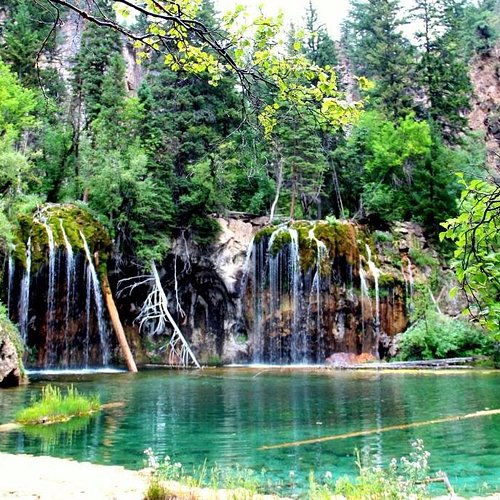
Short day hikes in Colorado usually take less than four hours. These trails range from one to five miles. Many start near popular towns and parks. They often have gentle slopes and clear paths. These hikes suit beginners and families. Examples include Bear Lake Trail and Hanging Lake Trail. These trails offer beautiful views without much effort.
Multi-day Backpacking Routes
Multi-day routes can last several days or even weeks. These trails cover 20 to 100 miles or more. They pass through mountains, forests, and valleys. Hikers must carry food, water, and camping gear. These routes require good fitness and experience. Famous routes include the Colorado Trail and the Continental Divide Trail. They offer adventure and stunning natural beauty.
Seasonal Hiking Tips
Hiking in Colorado is a year-round adventure. Each season offers unique views and challenges. Knowing how to prepare helps you enjoy every trail safely. Weather changes fast in the mountains. Dress right and carry the right gear. Follow simple tips to make your hike fun and safe all year.
Summer Hiking
Summer brings warm days and long sunlight hours. Wear light clothes and a wide-brim hat. Use sunscreen to protect your skin. Carry plenty of water to stay hydrated. Start early to avoid the afternoon heat. Watch for thunderstorms in the afternoon. Stay on marked trails to protect nature.
Winter Hiking
Winter means snow and icy trails. Wear warm layers and waterproof boots. Use hiking poles for balance on slippery paths. Carry extra food and a thermal blanket. Check weather reports before heading out. Shorter daylight means start your hike early. Stay on safe trails and avoid avalanche zones.
Spring And Fall Trails
Spring and fall bring cool weather and colorful views. Dress in layers for changing temperatures. Watch for muddy or slippery paths after rain. Carry rain gear to stay dry. These seasons are less crowded. Enjoy quiet trails and fresh mountain air. Be ready for sudden weather changes.
Wildlife And Nature Highlights
Colorado’s hiking trails offer stunning views and amazing wildlife. Nature lovers find many chances to see animals and plants. The state’s diverse habitats support many species. Each trail brings new scenes and creatures to discover.
Wildlife sightings add excitement to every hike. Birds sing in the trees. Deer and elk roam freely. Small animals dart among the rocks and bushes. The plants change with elevation and season. These natural highlights make hiking in Colorado special.
Bird Species Along The Trails
Bird watchers enjoy Colorado’s rich bird life. Hawks and eagles soar high above. Colorful songbirds fill the forests with sound. Spotting a rare bird feels like a prize. Many trails pass through bird habitats. Bring binoculars for the best views.
Common Mammals Hikers Can See
Deer and elk often appear near trails. Marmots and squirrels are frequent little visitors. Sometimes hikers glimpse a fox or coyote. Bears live in some areas but avoid humans. Always keep a safe distance from all animals.
Native Plants And Wildflowers
Wildflowers bloom in vibrant colors each spring. Pine and aspen trees cover many slopes. Alpine meadows burst with bright flowers in summer. Cacti and shrubs grow in lower, dry areas. These plants support the local wildlife well.
Seasonal Changes In Nature
Spring brings fresh blooms and baby animals. Summer offers long days and lush green forests. Fall colors turn leaves into gold and red. Winter covers trails with snow and quiet. Every season shows a different side of nature.
Safety And Preparation
Hiking in Colorado offers stunning views and fresh air. Trails vary in length and difficulty, so safety is key. Proper preparation helps you enjoy your hike and stay safe.
Essential Gear
Bring sturdy shoes with good grip. Carry enough water to stay hydrated. A map or GPS device helps you avoid getting lost. Pack snacks for energy. A small first-aid kit is important for minor injuries.
Weather Considerations
Colorado weather changes fast. Carry layers to adjust to temperature shifts. Sunscreen and a hat protect you from sunburn. Rain gear keeps you dry during sudden showers. Start early to avoid afternoon storms.
Trail Etiquette
Stay on marked paths to protect nature. Yield to other hikers and bikers politely. Keep noise low to respect wildlife and others. Pack out all trash to keep trails clean. Leave no trace of your visit behind.
Resources For Trail Information
Colorado has thousands of hiking trails. Finding the right one can be hard. Good resources help plan safe and fun hikes. They show trail length, difficulty, and features. Use guidebooks, apps, and local groups for best info.
These tools keep hikers updated on trail conditions. They also offer tips and maps. Use them to explore Colorado’s beautiful outdoors easily.
Guidebooks And Maps
Guidebooks list many hiking trails in Colorado. They describe each trail’s length and difficulty. Maps show the trail path and nearby landmarks. Printed maps work without internet access. Choose guidebooks from trusted authors or publishers. They provide clear and reliable trail info.
Mobile Apps
Mobile apps offer trail data on smartphones. They show your location on the trail in real time. Apps include user reviews and photos. Many apps update trail conditions quickly. Some apps also track your hike and show stats. Download apps before hiking for easy access.
Local Hiking Groups
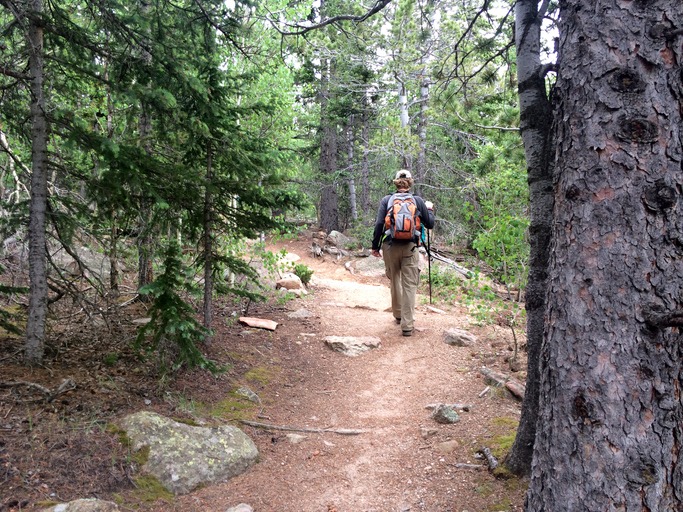
Local hiking groups share trail knowledge and tips. Join them to meet other hikers. Groups often organize hikes for all skill levels. They know about new or less crowded trails. Members give advice on gear and safety. Find groups through social media or community centers.
Credit: www.broadmooroutfitters.com
Frequently Asked Questions
How Many Hiking Trails Are In Colorado?
Colorado has over 23,000 miles of hiking trails. These trails range from easy walks to challenging mountain routes. The state offers diverse landscapes, including forests, mountains, and deserts. This makes it a top destination for outdoor enthusiasts and hikers of all skill levels.
What Are The Most Popular Hiking Trails In Colorado?
Popular trails include Hanging Lake, Maroon Bells, and Mount Elbert. These trails offer stunning views, unique wildlife, and diverse terrain. They attract thousands of visitors each year. Hiking these trails provides an unforgettable Colorado outdoor experience for beginners and experts alike.
Are There Hiking Trails Suitable For Beginners In Colorado?
Yes, Colorado has many beginner-friendly trails. These include shorter, less steep paths with clear markers. Examples are Bear Lake Trail and Garden of the Gods. These trails provide scenic views and safe hiking conditions, perfect for families and new hikers.
Can You Find Dog-friendly Hiking Trails In Colorado?
Many Colorado trails welcome dogs on leashes. Popular dog-friendly trails include Lair o’ the Bear and Boulder Creek Path. Always check local regulations and trail rules before hiking. This ensures a safe and enjoyable experience for both you and your pet.
Conclusion
Colorado offers thousands of hiking trails for every skill level. Trails wind through mountains, forests, and valleys. You can find short walks or long, challenging routes. Each trail shows Colorado’s natural beauty and wildlife. Adventure waits at every turn and path.
Start exploring and enjoy fresh air and stunning views. Hiking here brings peace and fun for all ages. Choose a trail, pack your gear, and head out today.
