
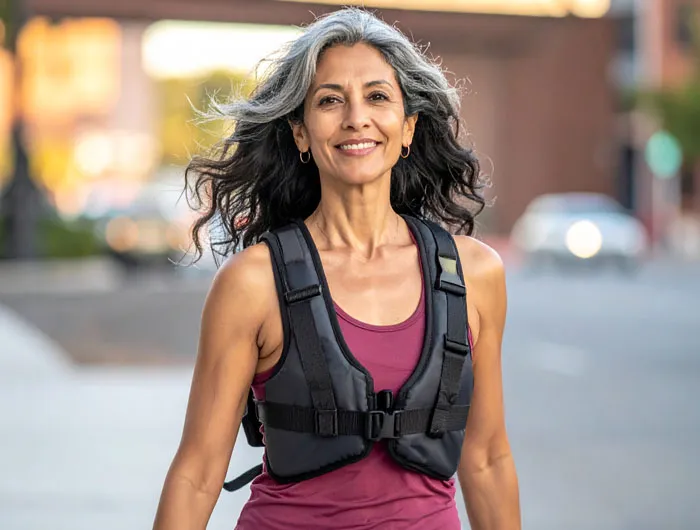
If you want to boost your walking routine and get stronger faster, walking with a weighted vest could be your secret weapon. Adding extra weight challenges your muscles and burns more calories without needing extra time or distance.
But starting out the right way is key to avoiding injury and getting the best results. In this guide, you’ll discover simple steps to begin walking with a weighted vest safely and effectively—so you can feel stronger, fitter, and more energized every day.
Keep reading to unlock the tips that will make your workouts smarter, not harder.
Benefits Of Walking With A Weighted Vest
Walking with a weighted vest offers many benefits for your body and health. It adds extra weight to your walk, making your exercise more effective. This simple change can improve your heart, muscles, and help burn more calories. Here are some key benefits of walking with a weighted vest.
Boosting Cardiovascular Health
Adding weight makes your heart work harder. This helps improve your heart and lung function. Your endurance grows as your body adapts to the extra effort. Walking with a weighted vest strengthens your heart over time.
Enhancing Muscle Strength
The extra weight challenges your muscles more than normal walking. It helps build strength in your legs, back, and core. Stronger muscles improve your balance and stability. This makes daily activities easier and reduces injury risk.
Increasing Calorie Burn
Carrying extra weight burns more calories than regular walking. This helps with weight loss and fat reduction. Your body uses more energy, even after your walk ends. Weighted walking boosts your metabolism for better results.
Credit: www.cspi.org
Choosing The Right Weighted Vest
Choosing the right weighted vest is key to starting your walking routine safely and effectively. The vest should feel comfortable and fit well. It must allow you to move freely without causing pain or irritation. Picking the right vest can help improve your strength and endurance over time.
Weight Options And Adjustability
Start with a light weight vest to avoid injury. Many vests offer adjustable weights. You can add or remove small weight packs as you progress. This flexibility helps you increase resistance slowly. It lets your body adapt to the extra load without strain.
Material And Comfort
Choose a vest made from breathable fabric. Good ventilation stops overheating during your walk. Soft padding reduces chafing and skin irritation. Look for moisture-wicking materials. These keep sweat away, making your walk more comfortable.
Fit And Safety Features
The vest should fit snugly but not too tight. Adjustable straps help customize the fit. A secure fit prevents the vest from bouncing or shifting. Reflective strips improve safety in low light. Check for strong stitching and quality zippers. These details ensure the vest lasts longer and stays safe.
Preparing For Your First Walk
Preparing for your first walk with a weighted vest is important. It helps you avoid injury and enjoy your exercise. Taking time to prepare makes the experience better and safer. Follow simple steps to get ready for your walk.
Starting With Proper Warm-up
Begin with gentle stretches to loosen your muscles. Move your arms, legs, and shoulders slowly. Walk at a slow pace for five minutes without the vest. This warms up your body and reduces strain. A good warm-up prepares your muscles for extra weight.
Setting Realistic Goals
Start with short walks of 10 to 15 minutes. Do not add too much weight at first. Increase the weight and time gradually each week. Set goals you can meet without feeling tired. Small steps help your body adjust to the vest.
Selecting Suitable Walking Routes
Choose flat and even paths for your first walks. Avoid steep hills or rough terrain at the start. Safe routes reduce the risk of falls and injuries. Pick places with clean air and good lighting. Comfortable routes make your walk more enjoyable.

Credit: www.womenshealthmag.com
Walking Techniques With A Weighted Vest
Walking with a weighted vest adds extra resistance to your routine. It makes your muscles work harder and boosts calorie burn. Using proper walking techniques helps you stay safe and get the best results. Focus on posture, pacing, and listening to your body.
Maintaining Good Posture
Stand tall with your shoulders back and relaxed. Keep your chest open and avoid leaning forward. Look straight ahead, not down at your feet. Engage your core to support your lower back. Good posture helps you breathe better and reduces injury risk.
Pacing And Breathing Tips
Start walking at a steady, comfortable pace. Avoid rushing or walking too slowly. Take deep, even breaths through your nose and mouth. Match your breathing with your steps to stay calm. Controlled breathing improves endurance and oxygen flow.
Monitoring Your Body’s Response
Pay attention to how your body feels during walks. Stop if you feel pain, dizziness, or shortness of breath. Check your heart rate to avoid overexertion. Rest or reduce weight if needed. Listening to your body helps prevent injury and keeps you consistent.
Progressing Your Weighted Vest Walks
Progressing your weighted vest walks helps your body adapt safely. Start slow and build up over time. This approach reduces injury risk and improves strength and endurance. Focus on small, steady changes that fit your fitness level.
Track your progress and listen to your body. Adjust the weight, distance, and intensity based on how you feel. This way, you stay motivated and avoid burnout.
Gradually Increasing Weight
Begin with a light vest to get used to the extra load. Add small amounts of weight each week or every two weeks. Increase only when you feel comfortable and pain-free. Avoid jumping to heavy weights too fast. This helps build strength without strain.
Extending Duration And Distance
Start with short walks and slowly add more time or miles. Increase your walk duration by five to ten minutes every week. You can also add distance in small steps. This steady growth improves stamina and avoids overuse injuries.
Incorporating Interval Training
Mix walking speeds to boost fitness. Walk fast for one minute, then slow down for two minutes. Repeat these intervals during your walk. This method builds endurance and burns more calories. Keep intervals short at first and lengthen them as you improve.
Common Mistakes To Avoid
Starting to walk with a weighted vest can boost your fitness. But some mistakes can cause injury or slow progress. Avoid these common errors to stay safe and get results faster.
Overloading Too Quickly
Adding too much weight at once strains your muscles and joints. Start with light weights. Increase the load slowly over weeks. Your body needs time to adjust and build strength.
Ignoring Discomfort Or Pain
Pain is a warning sign. Don’t ignore aches or sharp pain during walks. Stop and rest if you feel discomfort. Continuing can cause serious injury. Listen to your body and adjust your routine.
Skipping Recovery Time
Rest days are important. Your muscles grow and repair during recovery. Walking every day with a weighted vest can lead to fatigue and injury. Plan rest days or light activity to avoid burnout.
Safety Tips And Precautions
Walking with a weighted vest can improve strength and endurance. Safety is very important to avoid injuries. Follow these safety tips and precautions before and during your walks.
Listening To Your Body
Pay close attention to how your body feels. Stop walking if you feel pain or dizziness. Take breaks if you feel tired or uncomfortable. Do not push yourself too hard at the start. Gradually increase the weight and walking time.
Staying Hydrated
Drink water before, during, and after your walk. Weighted vests can make you sweat more. Staying hydrated helps keep your body cool and muscles working well. Carry a water bottle with you on longer walks.
Consulting Health Professionals
Talk to your doctor before starting weighted vest walking. This is important if you have health problems or injuries. A health expert can give advice on safe weight limits and walking duration. Follow their recommendations for best results.

Credit: www.womenshealthmag.com
Tracking Progress And Staying Motivated
Tracking your progress helps keep you focused while walking with a weighted vest. It shows how far you have come and what you can improve. Staying motivated is easier when you see real results and set clear goals.
Small steps can lead to big changes. Regular tracking builds good habits and keeps your energy high. Use tools and support to keep walking enjoyable and rewarding.
Using Fitness Apps And Devices
Fitness apps track your steps, distance, and calories burned. They help you monitor your daily walks with a weighted vest. Some apps show your progress over weeks or months.
Wearable devices like smartwatches give instant feedback. They count steps and monitor heart rate. This helps you walk safely and improve steadily.
Setting Milestones
Set simple goals like walking a certain number of steps or minutes. Milestones give you clear targets to reach. Celebrate small wins to boost confidence.
Increase goals gradually as your strength improves. This keeps your routine challenging but doable. Milestones keep you on track and motivated.
Joining Walking Communities
Walking groups offer support and encouragement. Share your experiences and learn from others. Community helps you stay accountable.
Online forums and social media groups connect walkers worldwide. Join them to exchange tips and celebrate achievements. Walking with others makes the journey more fun.
Frequently Asked Questions
What Is A Weighted Vest For Walking?
A weighted vest adds extra weight to your body during walks. It enhances calorie burn, strength, and endurance. Vests come in various weights and designs, allowing gradual progression. Using one improves workout intensity safely when introduced correctly.
How Do I Start Walking With A Weighted Vest?
Begin with a light vest, around 5% of your body weight. Wear it for short walks initially to adapt. Gradually increase weight and duration weekly. Always maintain good posture and listen to your body to avoid injury.
Are Weighted Vests Safe For Beginners?
Yes, weighted vests are safe if used properly. Start light and increase weight slowly. Avoid overloading to prevent joint strain. Consult a healthcare provider if you have pre-existing conditions. Proper form and gradual progression ensure safety.
How Long Should I Walk With A Weighted Vest Daily?
Start with 10 to 15 minutes per day wearing the vest. Increase time by 5 minutes weekly as comfort improves. Aim for 30 to 60 minutes for optimal benefits. Rest days help muscles recover and prevent fatigue.
Conclusion
Walking with a weighted vest can improve your strength and endurance. Start slow and choose a light weight to avoid injury. Wear comfortable shoes and keep good posture while walking. Listen to your body and rest when needed. Gradually increase your walking time and vest weight.
Stay consistent and enjoy the benefits of this simple exercise. Walking daily with a weighted vest helps build fitness and burn more calories. Remember, safety and comfort come first. Take small steps, and you will see progress over time.
