
Are you thinking about tent camping in Glacier National Park but wondering if it’s safe? You’re not alone.
Camping in such a wild and beautiful place brings excitement—and some real questions about safety. From unpredictable weather to wildlife encounters, there’s a lot to consider before you set up your tent. You’ll discover practical tips and important facts that will help you feel confident and prepared.
Keep reading to learn how you can enjoy your camping adventure while staying safe in Glacier’s stunning wilderness.
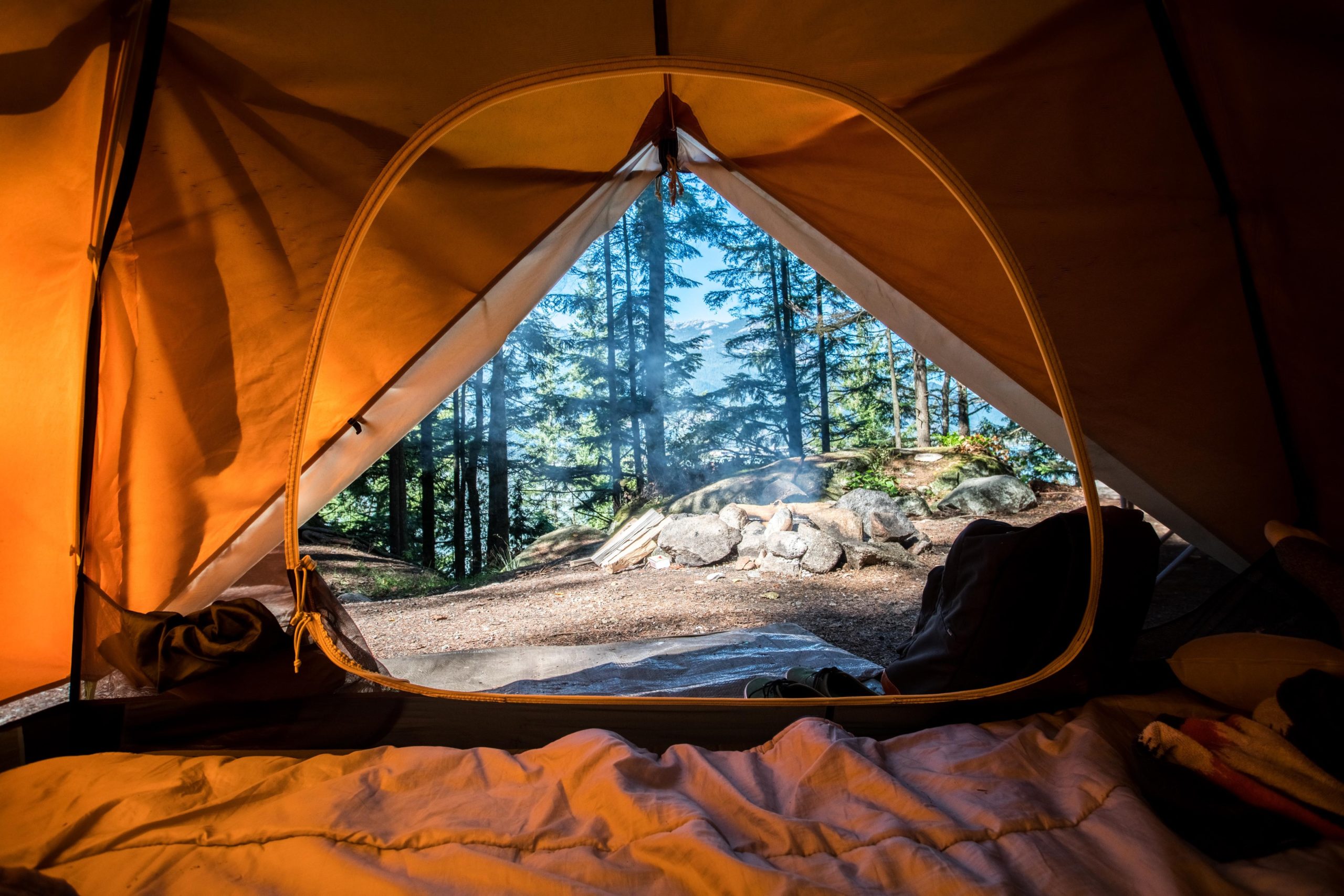
Credit: www.glacierhighline.com
Safety Factors In Glacier Camping
Camping in Glacier National Park offers a unique outdoor experience. Safety plays a key role in enjoying your trip. Understanding the main safety factors helps you prepare well. Knowing the risks can keep you and others safe.
Wildlife, weather, and terrain are the biggest safety concerns. Each one needs special attention. Learning about these helps you camp more confidently and carefully.
Wildlife Encounters
Glacier National Park is home to bears, mountain lions, and other animals. These animals usually avoid people but can be dangerous. Keep food stored in bear-proof containers. Make noise while hiking to alert animals of your presence. Never approach or feed wildlife. Stay calm if you see a bear and back away slowly.
Weather Conditions
Weather in Glacier can change quickly. Cold nights can happen even in summer. Rain and snow are possible at any time. Carry warm clothes and waterproof gear. Check the weather forecast before your trip. Be ready to change plans if storms arrive. Hypothermia is a risk in wet, cold weather.
Terrain Challenges
The park’s landscape includes mountains, rivers, and forests. Trails can be steep and rocky. Loose rocks and slippery surfaces cause falls. Stay on marked paths to avoid danger. Use proper hiking boots with good grip. Watch your step near cliffs and fast water. Plan trips within your physical limits to stay safe.
Credit: glacierguides.com
Essential Safety Gear
Tent camping in Glacier National Park requires careful preparation. Safety gear is key to protect yourself and enjoy the outdoors. Proper equipment helps you face the park’s wildlife and weather. Packing the right items lowers risks and keeps your trip fun.
Here are the essential safety tools you need for a safe camping experience in Glacier.
Bear-resistant Containers
Glacier National Park is home to many bears. Store all food in bear-resistant containers. These containers stop bears from smelling or reaching your food. Use them to keep your campsite safe. Never leave food or trash outside your tent. This simple step prevents dangerous encounters with bears.
Proper Clothing
The weather in Glacier changes fast. Dress in layers to stay warm or cool as needed. Waterproof jackets protect you from rain and wind. Wear sturdy boots for rocky or wet trails. Bring a hat and gloves for cold mornings. Proper clothes keep you comfortable and safe all day.
Navigation Tools
Trails in Glacier can be tricky to follow. Carry a map and a compass at all times. A GPS device is helpful but don’t rely on it alone. Know how to read maps and use a compass. These tools prevent you from getting lost in the vast wilderness.
Campsite Selection Tips
Choosing the right campsite matters a lot for tent camping in Glacier National Park. It helps keep you safe and comfortable. Picking a good spot can protect you from animals, bad weather, and other risks. Follow these simple tips to find a great place to set up your tent.
Designated Tent Sites
Always pick a designated tent site. These spots are made for camping and are safer. They have flat ground and less chance of flooding. Using these areas helps protect the park’s nature. Setting your tent here keeps the environment clean and healthy.
Distance From Water Sources
Keep your tent at least 200 feet from lakes and streams. This distance stops water pollution and protects wildlife. It also lowers the risk of flooding if it rains. Staying away from water helps you avoid bugs like mosquitoes too.
Avoiding Hazardous Areas
Steer clear of steep slopes and unstable ground. These places can cause accidents or landslides. Also, avoid areas with dead trees or heavy rocks. They can fall or roll during strong wind or storms. Look for clear spots with natural wind barriers.
Park Regulations And Permits
Glacier National Park has clear rules to keep campers safe and protect nature. Following these rules helps preserve the park’s beauty. Campers must understand permits and regulations before setting up a tent.
Camping Permits
Camping permits are needed to camp in Glacier National Park. They control the number of visitors and protect the environment. Permits can be reserved online or at park offices. Always carry your permit with you. Camping without a permit is not allowed.
Campfire Restrictions
Campfires are allowed only in certain areas. The park sets rules to prevent wildfires. Use established fire rings when making a campfire. Never leave fires unattended. During dry seasons, campfires may be banned completely.
Waste Disposal Rules
Proper waste disposal is essential in the park. Pack out all trash and food scraps. Use designated toilets or carry out human waste if required. Leaving waste harms wildlife and pollutes the land. Always leave your campsite clean for others.
Emergency Preparedness
Camping in Glacier National Park is a thrilling experience. Safety depends on being ready for emergencies. Knowing what to do in sudden situations helps keep you safe and calm. Prepare for the unexpected before you set up your tent. Understand basic first aid. Have clear communication methods. Learn the park’s evacuation routes.
First Aid Basics
Carry a well-stocked first aid kit. Know how to treat cuts, burns, and insect bites. Learn to stop bleeding and clean wounds properly. Keep pain relief and allergy medicine handy. Practice simple first aid skills before your trip. This knowledge can reduce risks and ease pain quickly.
Communication Options
Cell phone signals are weak in many park areas. Bring a fully charged phone and a portable charger. Consider a satellite phone or personal locator beacon for remote zones. Tell someone your plans and expected return time. Regular check-ins increase safety and help in emergencies.
Evacuation Routes
Study the park map and mark evacuation paths. Know the closest ranger stations and emergency exits. Trails can close or change due to weather or wildlife. Follow posted signs and instructions from park staff. Quick evacuation saves lives in case of fire or injury.
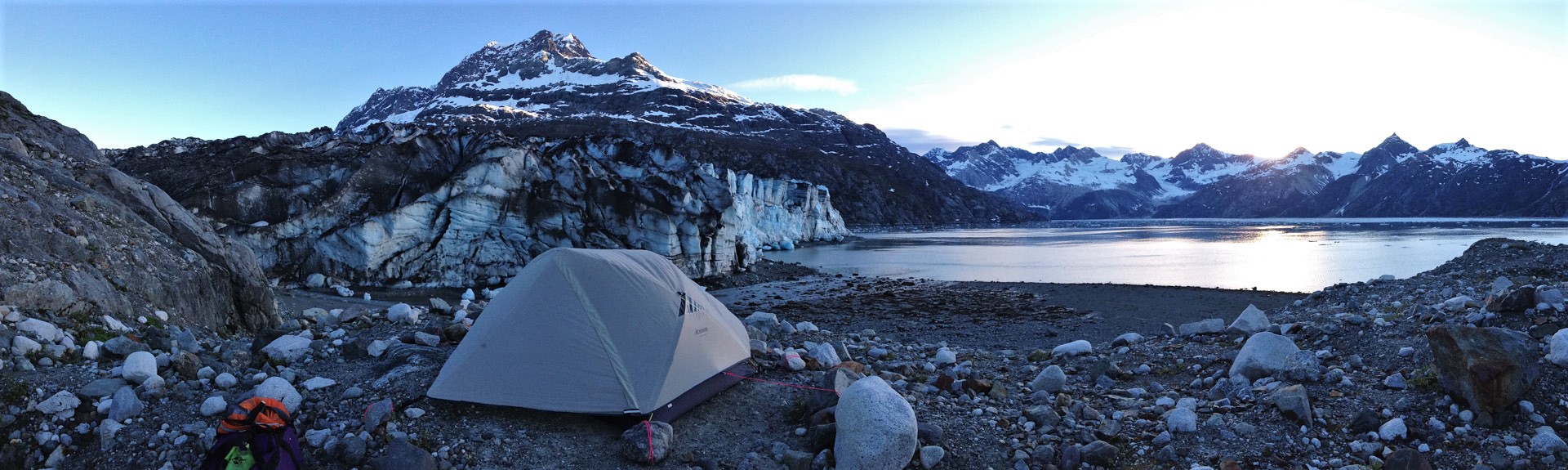
Credit: www.nps.gov
Best Practices For Safe Camping
Camping in Glacier National Park is a special experience. Safety must be a top priority to enjoy the trip fully. Following best practices helps protect campers and the environment.
These guidelines reduce risks from wildlife and weather. They keep the park clean and safe for everyone. Below are key practices every camper should know.
Food Storage
Store food in bear-proof containers or lockers. Keep all food away from your tent. Never leave food or trash out at night. Use scent-proof bags to reduce smells. This stops animals from coming near your campsite. Always clean cooking areas after meals. Proper food storage protects both you and wildlife.
Group Camping Advantages
Camping in groups increases safety. More people can watch for wildlife or dangers. Group camping helps share gear and watch each other. It lowers the chance of accidents alone. Groups can set up camp faster and stay warm. Stay close but respect quiet and space rules.
Leave No Trace Principles
Pack out all trash and leftover food. Use existing campsites to avoid damage. Avoid picking plants or disturbing animals. Keep fires small and use fire rings. Only use biodegradable soap and water away from lakes. Leave the park as you found it. This helps preserve nature for future visitors.
Frequently Asked Questions
Is Tent Camping Allowed In Glacier National Park?
Yes, tent camping is allowed in designated campgrounds and backcountry sites. Permits may be required for backcountry camping. Always follow park rules to protect nature and ensure safety.
What Are The Safety Tips For Tent Camping Here?
Store food in bear-proof containers and keep your campsite clean. Stay alert for wildlife and follow park guidelines. Use proper gear and check weather forecasts before camping.
Are There Bear Risks While Tent Camping?
Yes, bears are present in Glacier National Park. Proper food storage and campsite cleanliness reduce bear encounters. Carry bear spray and know how to use it for safety.
When Is The Best Time To Tent Camp?
The best time is from late June to early September. Weather is milder, and facilities are open. Early reservations are recommended due to high demand.
Conclusion
Tent camping in Glacier National Park can be safe with smart choices. Follow park rules and carry bear spray for protection. Stay in designated areas and keep food stored properly. Watch the weather and prepare for sudden changes. Respect wildlife and keep a safe distance at all times.
Being careful helps you enjoy nature without trouble. Camping here offers a great way to connect with the outdoors. Plan well, stay alert, and have a memorable trip in this beautiful park. Safety comes first for a fun and peaceful experience.
