
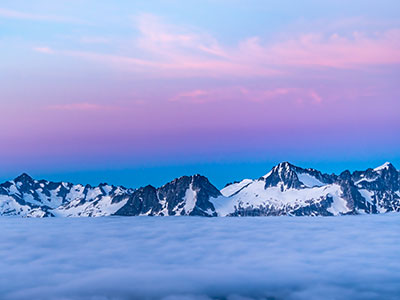
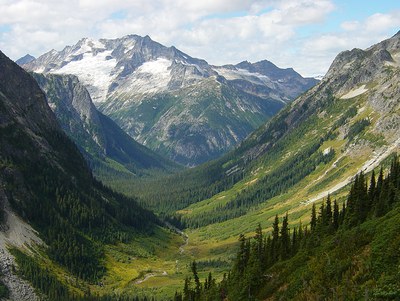
Nestled in the Pacific Northwest, the North Cascades are often called the “American Alps.” The park’s wild landscapes stretch across northern Washington, just three hours from Seattle. Here, sharp peaks, deep valleys, and over 300 glaciers create a dramatic backdrop for adventure. Despite its beauty, the North Cascades remain a hidden gem, drawing far fewer visitors than other famous US national parks. For travelers craving untouched wilderness, hiking trails, and stunning vistas, this park offers endless possibilities.
Why Visit North Cascades National Park?
The North Cascades are a paradise for outdoor lovers. The park covers more than 500,000 acres and includes some of the most rugged terrain in the country. Unlike many parks, there are no entry fees, making it accessible for everyone. Here you’ll find:
- Over 400 miles of hiking trails
- Countless alpine lakes
- Towering mountain peaks
- Dense forests filled with wildlife
Whether you’re after a quiet escape or a challenging adventure, North Cascades has something for every visitor.
Top Things To Do In North Cascades
1. Hiking Iconic Trails
Hiking is the main draw here, with trails for all skill levels. Some of the most popular hikes include:
- Cascade Pass Trail: This 7.4-mile roundtrip offers dramatic views of glaciers and valleys. In summer, wildflowers line the path.
- Maple Pass Loop: A 7.2-mile loop famous for its breathtaking alpine scenery, especially in autumn when the larches turn gold.
- Thunder Creek Trail: A gentler hike that follows a turquoise river through ancient forest.
Be prepared for steep climbs and variable weather. Snow can linger on higher trails until July.
2. Scenic Drives
The North Cascades Highway (State Route 20) is a highlight itself. This 140-mile road cuts through the heart of the park, offering pullouts and viewpoints at nearly every turn. Don’t miss:
- Washington Pass Overlook: One of the most photographed spots, with panoramic views of Liberty Bell Mountain.
- Diablo Lake Overlook: Famous for its surreal turquoise water, caused by glacial silt.
This highway is usually open from April to November, but closes in winter due to heavy snow.
3. Boating And Kayaking
The park’s many lakes and reservoirs are perfect for water activities. Diablo Lake is the most popular for kayaking and canoeing, with rental options available in summer. The clear, green waters are surrounded by high peaks, creating a unique paddling experience. Ross Lake is another favorite, stretching 23 miles and accessible by boat or hiking trail. Motorboats are allowed on Ross Lake, but not on Diablo Lake, which keeps the atmosphere peaceful.
4. Camping Under The Stars
Camping is a classic way to experience the North Cascades. There are several campgrounds both inside and near the park. Popular spots include:
- Newhalem Creek Campground: Close to visitor centers and trailheads, great for families.
- Colonial Creek Campground: Right on Diablo Lake, with easy access to water and trails.
Backcountry camping is also available with a free permit, giving adventurers the chance to sleep in remote wilderness.
5. Wildlife Watching
With its varied habitats, the park is home to black bears, mountain goats, deer, and over 200 bird species. Dawn and dusk are the best times to spot wildlife. Keep a safe distance and never feed animals.
6. Photography Hotspots
Photographers flock to the North Cascades for its dramatic landscapes. Sunrise and sunset are magical times, especially at Diablo Lake and Washington Pass. In fall, golden larches transform the mountainsides.
7. Ranger-led Programs
During summer, park rangers offer guided walks, talks, and campfire programs. These are great for learning about the park’s history, geology, and ecology. Families with kids can join the Junior Ranger program for interactive activities.
Credit: wnpf.org
Comparing North Cascades Attractions
To help you plan, here’s a quick comparison of some main attractions:
| Attraction | Main Activity | Best Season | Accessibility |
|---|---|---|---|
| Cascade Pass Trail | Hiking | July–September | Moderate/Strenuous |
| Diablo Lake | Kayaking, Photography | June–September | Easy (by car) |
| Washington Pass Overlook | Scenic Views | May–October | Easy (short walk) |
| Colonial Creek Campground | Camping | May–September | Easy (drive-in) |
When To Visit
The best time to visit the North Cascades is from late June through September. Snow can block high-elevation trails until midsummer, and the North Cascades Highway closes in winter. July and August offer the most reliable weather, but September is quieter and perfect for fall colors.
Winter visits are possible, but access is limited. Popular winter activities include snowshoeing and cross-country skiing near the park’s southern edge.

Credit: www.audubon.org
Essential Tips For Your Visit
- Check trail and road conditions before you go. Weather changes fast in the mountains.
- Bring layers—even in summer, temperatures can drop quickly.
- Carry plenty of water and snacks, especially for longer hikes.
- Cell service is limited—download maps or bring a printed guide.
- Leave no trace—pack out all your trash and respect wildlife.
A less obvious tip: Bring insect repellent in early summer. Mosquitoes can be intense near lakes and rivers. Also, some trails are rocky and rough—trekking poles can make steep descents safer, especially after rain.
Sample Itinerary For A Weekend Trip
If you’re short on time, here’s a simple plan:
Day 1:
- Arrive via North Cascades Highway
- Stop at Washington Pass Overlook
- Hike the Rainy Lake Trail (family-friendly, 2 miles roundtrip)
- Camp at Colonial Creek or stay in nearby Winthrop
Day 2:
- Early morning paddle on Diablo Lake
- Hike part of the Thunder Creek Trail
- Visit the North Cascades Visitor Center in Newhalem
- Head home in the late afternoon
Travelers with more time can explore Stehekin, a remote village reachable only by boat, hike, or plane. This offers a true backcountry experience.
Comparing North Cascades With Other Parks
How does North Cascades stack up against nearby parks? Here’s a quick overview:
| Park | Main Highlight | Annual Visitors (approx.) | Entry Fee |
|---|---|---|---|
| North Cascades | Glaciers, Hiking | 40,000 | Free |
| Mount Rainier | Volcano, Wildflowers | 1.5 million | $30 |
| Olympic | Rainforest, Coast | 2.5 million | $30 |
The North Cascades is much less crowded, offering solitude and peace you won’t easily find elsewhere.
Frequently Asked Questions
What Is The Best Time To Visit North Cascades National Park?
The best time is late June to September. Trails are open, and the weather is mild. Early summer still has snow at higher elevations.
Is A Permit Required For Hiking Or Camping?
Day hiking does not need a permit. For backcountry camping, a free permit is required. Car campgrounds operate on a first-come, first-served basis in peak season.
Are There Lodging Options Inside The Park?
There are no hotels inside the park, but several campgrounds are available. Lodging can be found in nearby towns like Winthrop, Marblemount, and Newhalem.
Can I Bring Pets On The Trails?
Pets are allowed on leashed and paved areas but not on most hiking trails. Always check current rules before visiting.
Where Can I Learn More About The Park?
Visit the official National Park Service website for updates, maps, and trip planning resources.
The North Cascades offer something for every kind of traveler. Whether you seek adventure, stunning scenery, or quiet moments in nature, this wild corner of Washington never disappoints. With its endless activities and unmatched beauty, it’s a place that rewards every visit.
Credit: ncascades.org
