
Puʻukoholā Heiau (hi): Exploring History And Attractions
The Hawaiian Islands are full of ancient stories, but few places feel as powerful as Puʻukoholā Heiau National Historic Site. Located on the sunny Kohala Coast of the Big Island, this site is more than just old stones—it’s where Hawaiian history changed forever. Visitors from all over the world come here to step into the past, walk in the footsteps of kings, and see the real Hawaii beyond the beaches.
If you want to understand Hawaii’s spirit, this is a place you can’t miss. But Puʻukoholā Heiau isn’t just about history. The park offers stunning ocean views, unique wildlife, and a peaceful atmosphere you can’t find anywhere else. Here’s what makes this national treasure so special—and how to make the most of your visit.
The Legacy Of Puʻukoholā Heiau
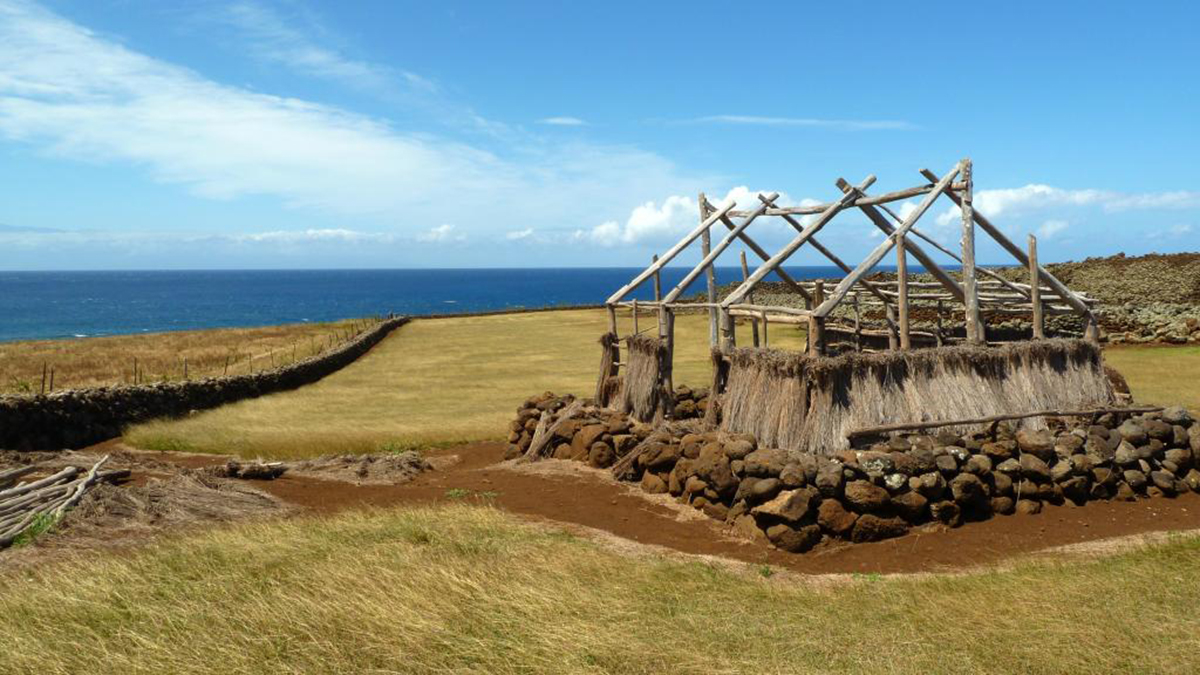
Built in the late 1700s, Puʻukoholā Heiau was the vision of King Kamehameha I. He ordered its construction to fulfill a prophecy: if he built this temple, he would unite all the Hawaiian Islands. The name means “Temple on the Hill of the Whale,” and the site still stands as one of Hawaii’s best-preserved heiau (temples).
Construction was an incredible feat. Thousands of stones were carried by hand—sometimes in a human chain stretching over 14 miles from Pololū Valley. No mortar was used; the stones fit together perfectly. The heiau itself is almost 224 feet long and 100 feet wide.
But Puʻukoholā wasn’t just a building project. It was the stage for the final unification of Hawaii, making it one of the most important spots in Polynesian history.
Top Things To Do In Puʻukoholā Heiau National Historic Site
Many travelers wonder if an ancient temple can really be interesting. The answer is yes—there’s more here than most people expect. Here are the top activities and attractions to explore:
1. Walk The Historic Trail
Start at the Visitor Center and take the self-guided walking trail. This easy, paved path is less than a mile long and loops past all the key sites:
- Puʻukoholā Heiau: See the massive temple up close. You can’t walk inside (out of respect for Hawaiian tradition), but the view from the platform is impressive.
- Mailekini Heiau: An older, smaller temple built earlier. It’s closer to the water and gives a sense of how the area changed over time.
- John Young Homestead: The remains of a house built by John Young, a foreign advisor to King Kamehameha.
Allow about 30-45 minutes to walk the whole loop. Along the way, you’ll find interpretive signs with stories and historic facts.
2. Visit The Interpretive Center
The Visitor Center is not just a starting point—it’s a mini museum. Inside, you’ll find:
- Cultural displays: Artifacts, tools, and clothing from the late 1700s.
- Short films: Watch a 12-minute movie about Kamehameha and the heiau’s construction.
- Ranger talks: Daily programs where rangers share insights you can’t find in guidebooks.
Don’t miss the scale model of the heiau—it helps you picture how the whole site looked 200 years ago.
3. Whale Watching And Ocean Views
From November to April, the waters off the park come alive with humpback whales. The hilltop provides an excellent vantage point—bring binoculars if you have them. Even outside whale season, the views of Kawaihae Bay are stunning, especially near sunset.
4. Birdwatching And Wildlife Spotting
The park is home to several native bird species. Look for the Hawaiian black noddy and the rare Hawaiian hoary bat at dusk. The dry coastal grassland also supports colorful lizards and butterflies.
5. Attend Cultural Events
If you time your visit right, you might catch a Hawaiian cultural festival or reenactment. The annual Ho‘oku‘ikahi (Unification) Ceremony in August is especially popular. During these events, you can see:
- Traditional hula performances
- Chanting and music
- Cultural demonstrations like lauhala weaving
These events offer a deeper experience and a chance to meet local community members.
Credit: shop.hawaiipacificparks.org
Other Nearby Attractions
Puʻukoholā Heiau is close to other interesting spots on the Kohala Coast. If you have extra time, consider:
- Spencer Beach Park: Just south of the heiau, this is a great place for swimming or picnics.
- Lapakahi State Historical Park: About 14 miles north, this ancient fishing village gives more context to Hawaiian coastal life.
- Kawaihae Harbor: Watch fishermen, or enjoy fresh poke from local vendors.
These sites add variety to your day and help you see different sides of Hawaii.
Practical Visitor Tips
A little planning helps you enjoy your visit more. Here’s what most tourists wish they knew before coming:
- Hours: The park is open daily from 7:30 am to 5:00 pm. The Visitor Center usually closes at 4:00 pm.
- Fees: Entry is free, but donations are welcome.
- Accessibility: Paths are paved and suitable for strollers or wheelchairs.
- Weather: The area is hot and dry—bring water, sunscreen, and a hat.
- Respect: Stay on marked trails. Climbing on temple stones is forbidden for cultural reasons.
Comparison: Puʻukoholā Heiau Vs. Other Hawaiian Heiau
To understand why Puʻukoholā stands out, compare it with two other famous Hawaiian temples:
| Heiau | Location | Main Purpose | Unique Feature |
|---|---|---|---|
| Puʻukoholā Heiau | Big Island (Kohala) | Warfare & Unification | Largest intact war temple |
| Hikinaakala Heiau | Kauaʻi | Sunrise ceremonies | East-facing altar |
| Ulupo Heiau | Oʻahu | Agriculture | Massive stone platform |
Credit: www.tclf.org
Hidden Insights Most Visitors Miss
Even many repeat visitors overlook these facts:
- Underwater Temple Ruins: Near the shoreline, you can see submerged walls—remains of an ancient shark heiau (Hale o Kapuni). These are visible only at very low tide.
- No Mortar Used: The temple stones are held together with pure skill—no cement. This dry-stack method makes the structure earthquake-resistant.
- Royal Ritual Path: The trail between the heiau and Mailekini Heiau was used for sacred processions. Walking it connects you, symbolically, with Hawaiian royalty.
Simple Park Data
Here’s a quick summary of park details:
| Feature | Details |
|---|---|
| Size | 85 acres |
| Annual Visitors | ~85,000 |
| Established | 1972 |
| Managed by | National Park Service |
Credit: shop.hawaiipacificparks.org
Frequently Asked Questions
What Does “puʻukoholā Heiau” Mean?
It means “Temple on the Hill of the Whale” in Hawaiian, reflecting both its location and the connection to the ocean.
Can I Walk Inside The Temple?
No, entry is not allowed inside the main heiau. This is out of respect for Hawaiian beliefs. You can view it closely from the trail.
How Long Should I Spend At The Park?
Most visitors spend 1 to 2 hours. If you join a ranger program or a festival, plan for up to 3 hours.
Is The Park Suitable For Kids And Seniors?
Yes, the main areas are paved and accessible. The walk is gentle, with benches along the way.
Where Can I Learn More About Hawaiian History?
The park’s Visitor Center is a great start. For deeper research, see the National Park Service’s official page.
Visiting Puʻukoholā Heiau is more than a sightseeing stop. It’s a chance to connect with Hawaiian culture, enjoy the coast, and witness a place where history was truly made. Whether you come for the views, the wildlife, or the stories, you’ll leave with a deeper respect for Hawaii’s past—and its future.
