
Redwood National and State Parks: Things to Do & Must-See Attractions
Travelers who visit Redwood National and State Parks often say the experience feels magical. Here, you walk among the tallest trees on earth, explore misty forests, and see wildlife you can’t find anywhere else. Located in northern California, these parks protect almost half of the world’s old-growth redwoods. If you’re planning a visit, it helps to know the best things to do, top attractions, and some tips for making the most of your trip.
Exploring The Giant Redwoods
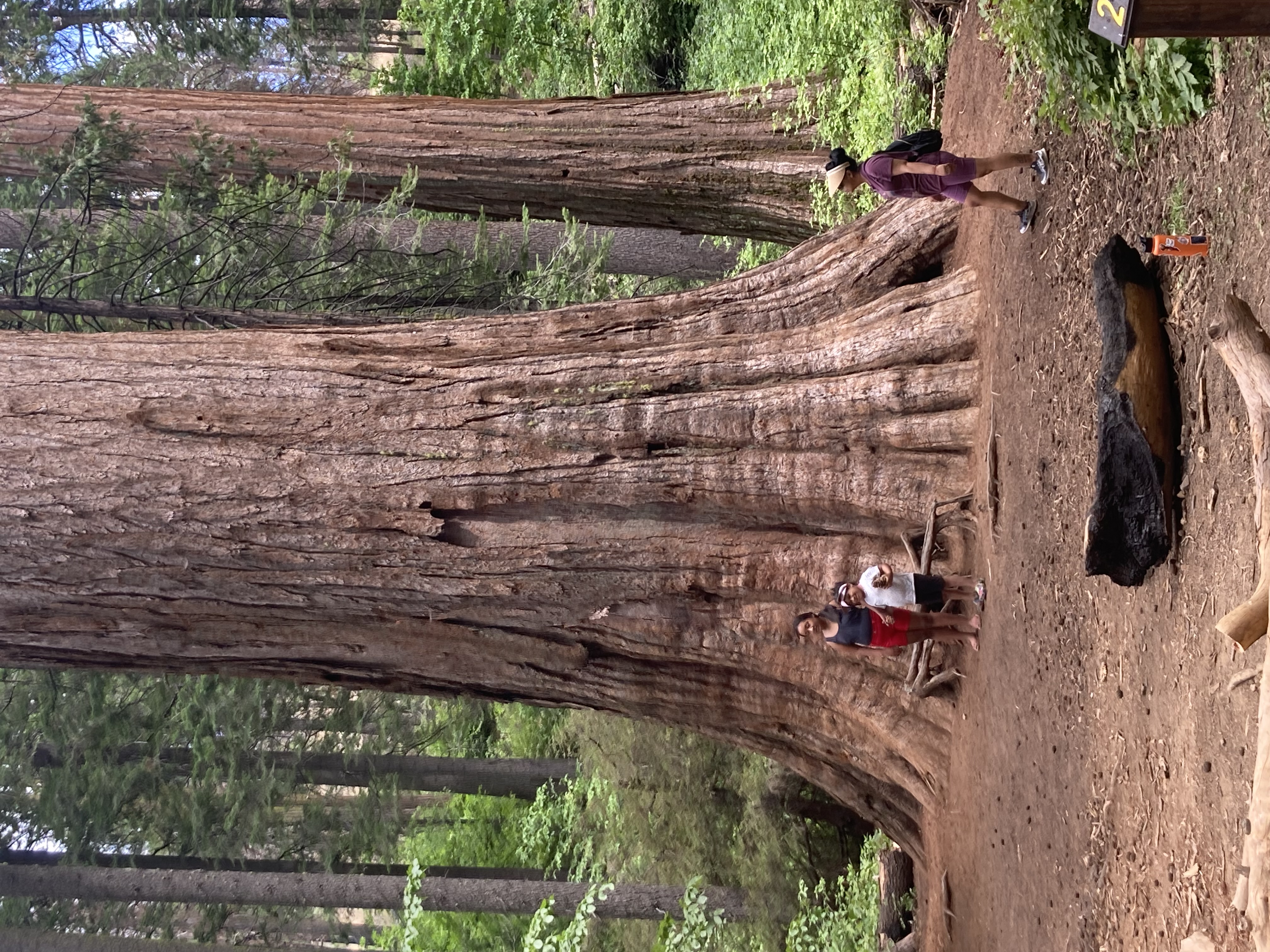
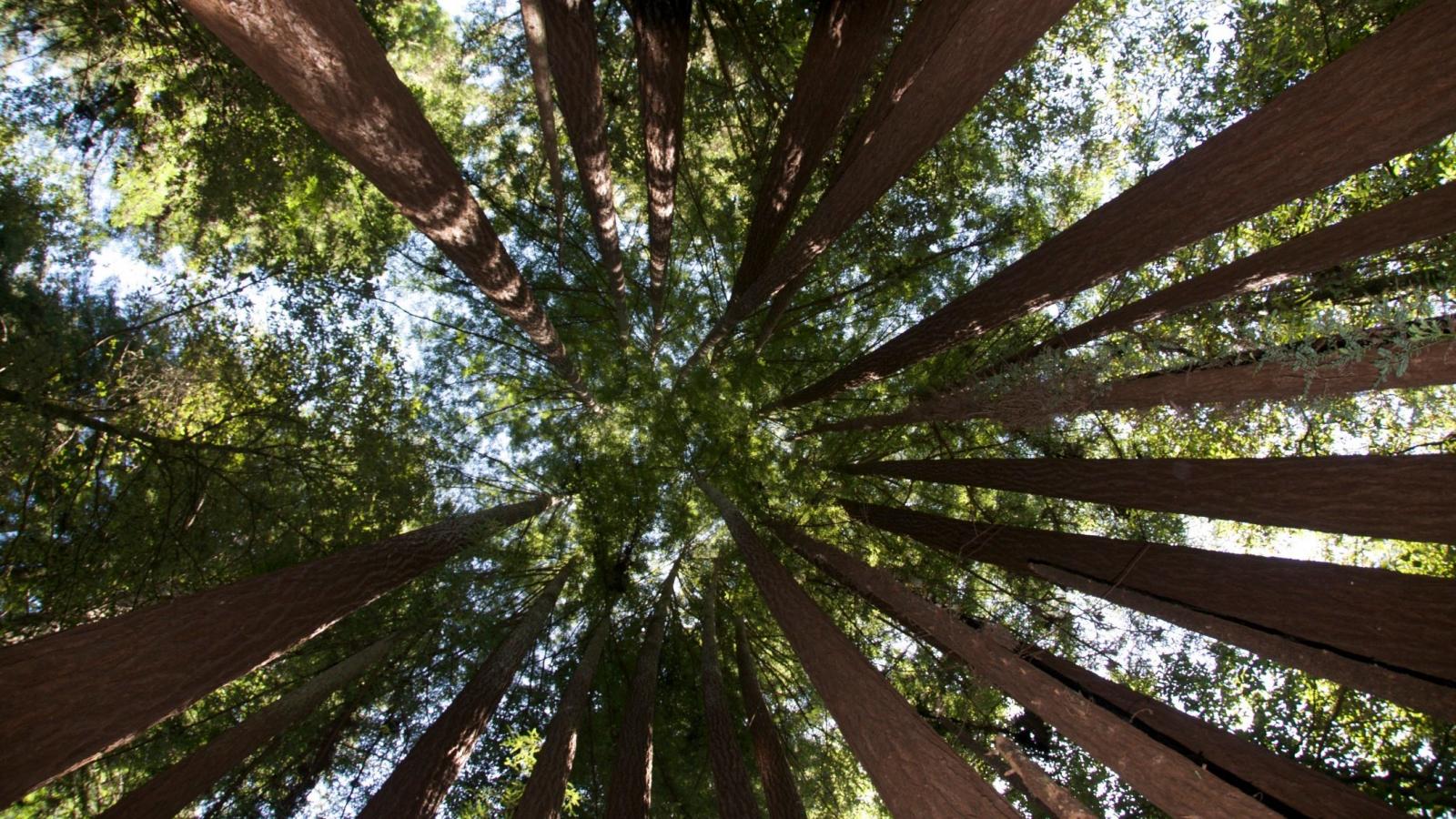
The main reason people visit is to see the coast redwoods (Sequoia sempervirens). Some reach over 350 feet tall—higher than the Statue of Liberty. Walking below these ancient trees is an unforgettable experience.
Popular spots to see the biggest redwoods:
- Lady Bird Johnson Grove Trail: A 1.5-mile loop with easy walking, named after the former First Lady.
- Tall Trees Grove: Home to some of the tallest trees. A permit is required, but the hike is worth it.
- Stout Grove: Famous for its photogenic, straight-trunked giants.
Many visitors are surprised by the silence. The soft ground and thick canopy absorb sound, making the forest feel peaceful even when busy.
Top Things To Do In Redwood National And State Parks
1. Scenic Drives
Some of the best redwood views are from your car. Avenue of the Giants, though just south of the main park, is an iconic route. Within the park, the Newton B. Drury Scenic Parkway is a 10-mile drive lined with massive trees. Pull over at Big Tree Wayside to see a redwood over 1,500 years old.
2. Hiking Trails
There are over 200 miles of trails. Each offers a unique perspective, from deep forest to ocean views.
- Fern Canyon: Famous for its 50-foot walls covered in lush ferns. Scenes from “Jurassic Park” were filmed here.
- James Irvine Trail: An 11-mile round trip that takes you through old-growth forest and Fern Canyon.
- Prairie Creek Trail: Good for spotting elk and taking in varied landscapes.
Some trails can get muddy, so sturdy shoes are helpful.
3. Wildlife Watching
Redwood parks are home to more than just trees. You might see:
- Roosevelt elk: The largest type of elk in the US. They often gather near Elk Meadow.
- Banana slugs: Bright yellow and easy to spot on damp mornings.
- Harbor seals and sea lions: Look for them on the beaches.
Birdwatchers can also find over 400 species, including the marbled murrelet, which nests high in the redwoods.
4. Visiting The Coast
The park includes 40 miles of wild coastline. Gold Bluffs Beach is a favorite for sunsets and driftwood. Enderts Beach is great for tide pooling—at low tide, you can see sea stars, anemones, and crabs.
Swimming isn’t recommended because the water is cold and currents are strong, but the scenery is breathtaking.
5. Ranger Programs And Visitor Centers
Stop by the Thomas H. Kuchel Visitor Center near Orick for maps, advice, and exhibits. Rangers lead guided walks, night hikes, and campfire programs, especially in summer. These activities help you learn about the park’s history, plants, and animals.
6. Camping And Picnicking
There are several campgrounds, both in the forest and near the beach.
Popular options:
- Jedediah Smith Campground: Tents and RVs, right next to the Smith River.
- Elk Prairie Campground: Often visited by herds of elk.
Picnic tables are available at most trailheads and scenic spots.
Credit: www.uaex.uada.edu
Main Tourist Attractions
Not all attractions in Redwood are about trees. Here are a few highlights:
Trees Of Mystery
Just outside the park in Klamath, this classic roadside attraction features giant statues of Paul Bunyan and Babe the Blue Ox. The SkyTrail gondola lifts you above the forest for amazing views.
Klamath River Overlook
From this viewpoint, you can sometimes see gray whales migrating along the coast (especially December–May). The overlook is also a good spot for birdwatching.
Battery Point Lighthouse
Located in Crescent City, this working lighthouse is accessible at low tide. The small museum tells the story of the area’s maritime history.
Trillium Falls
This short, family-friendly hike leads to a pretty waterfall surrounded by redwoods and wildflowers in spring.
When To Visit And What To Expect
Redwood parks are open all year. Summer (June–August) is the busiest, with mild temperatures (50–70°F) and less rain. Spring brings wildflowers and fewer crowds, but expect some rain and fog. Fall is quiet and colorful, while winter is rainy and cool (40–55°F).
Fog is common in the morning, especially near the coast. Dress in layers and bring a waterproof jacket. Cell phone service is limited in many areas.

Credit: en.wikipedia.org
Useful Data For Planning
Here’s a comparison of three popular redwood trails:
| Trail Name | Length (miles) | Difficulty | Main Feature |
|---|---|---|---|
| Lady Bird Johnson Grove | 1.5 | Easy | Old-growth forest |
| Fern Canyon | 1.1 | Easy | Fern-covered walls |
| James Irvine Trail | 11 | Moderate | Deep forest & canyon |
And here’s a quick look at the main visitor centers:
| Visitor Center | Location | Hours | Highlights |
|---|---|---|---|
| Kuchel Visitor Center | Orick | 9am-5pm | Exhibits, beach access |
| Prairie Creek Center | Near Elk Prairie | Varies by season | Park info, maps |
| Jedediah Smith Center | Crescent City | 10am-4pm | History, ranger talks |
Tips For First-time Visitors
- Arrive early, especially on weekends, to find parking at popular trails.
- Bring food and water. Services are limited inside the parks.
- Respect wildlife—stay at least 100 feet from elk and never feed animals.
- Some roads are narrow and winding. Large RVs may not fit on all routes.
Many visitors overlook the coastal part of the park, but it’s a highlight. Exploring both the forest and the shore gives you the full redwood experience.
Credit: www.openspace.org
Frequently Asked Questions
What Is The Best Month To Visit Redwood National And State Parks?
Late spring (May–June) and early fall (September) offer mild weather and fewer crowds. Summer is busiest, but fog and cool temperatures are common year-round.
Do I Need A Permit To Hike Or Camp In The Parks?
Most trails are open without a permit, but Tall Trees Grove and some backcountry campsites require one. Check the official website or visitor centers for details.
Can I See Wildlife Like Bears Or Mountain Lions?
Black bears and mountain lions live in the parks but are rarely seen. Roosevelt elk are more common. Stay alert, especially at dawn and dusk.
How Many Days Should I Spend In The Park?
Two to three days allow you to see the main highlights, enjoy several hikes, and visit both the forest and the coast.
Are There Entrance Fees?
Many sections are free, but some state park areas charge a day-use fee (about $8). Camping has separate fees. For current information, visit the National Park Service site.
A trip to the Redwood National and State Parks is more than just a walk among tall trees—it’s a journey into a rare and peaceful world. Take your time, explore different areas, and you’ll leave with memories that last a lifetime.
