
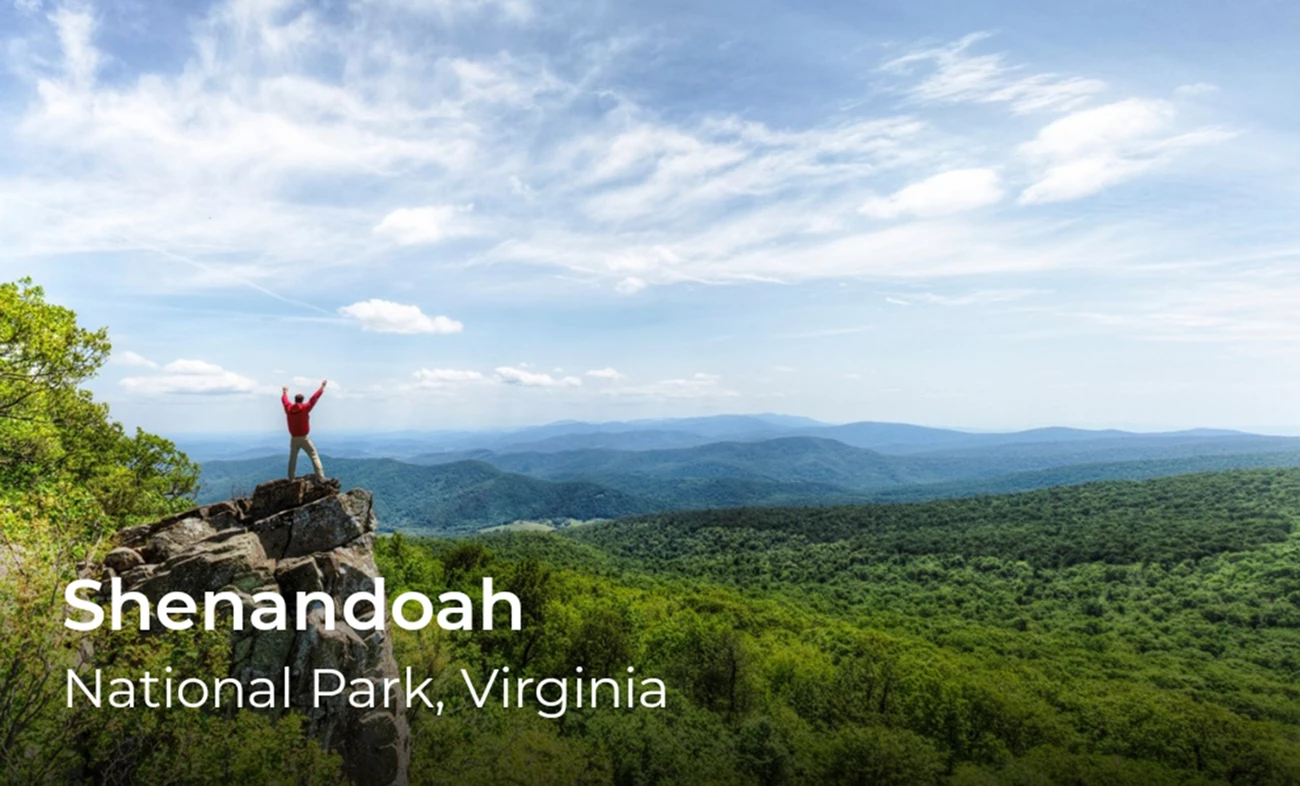
Shenandoah National Park is a beautiful place in Virginia, USA. It stretches over 200,000 acres along the Blue Ridge Mountains and attracts over 1.5 million visitors each year. People come here for its scenic drives, hiking trails, waterfalls, and wildlife. The park is just 75 miles from Washington, D.C., making it easy to visit for both locals and tourists. Whether you love nature, adventure, or photography, Shenandoah offers something for everyone.
Top Things To Do In Shenandoah National Park
Shenandoah is famous for its outdoor activities. Here are the most popular things to do for visitors:
1. Skyline Drive
Skyline Drive is the main road running through the park. It is 105 miles long and offers stunning views with more than 75 overlooks. Many travelers drive slowly to enjoy the scenery, especially in autumn when the leaves change color.
| Season | Average Visitors | Best Feature |
|---|---|---|
| Spring | 350,000 | Wildflowers |
| Summer | 450,000 | Green landscape |
| Fall | 600,000 | Leaf colors |
| Winter | 100,000 | Snowy views |
2. Hiking Trails
Shenandoah has over 500 miles of hiking trails. Some are easy walks, while others are more challenging. The Appalachian Trail runs through the park for 101 miles.
Popular hikes include:
- Old Rag Mountain: A tough hike, but the summit gives amazing views.
- Stony Man Trail: Short and family-friendly, with good views.
- Dark Hollow Falls: Leads to a beautiful waterfall.
Many beginners miss that some trails can be slippery after rain. Always wear good shoes and bring water. Early mornings are less crowded and great for wildlife spotting.
3. Waterfalls
There are more than 30 waterfalls in Shenandoah. The most famous ones are:
- Dark Hollow Falls: Easy access, 70 feet tall.
- Whiteoak Canyon: Several falls, great for longer hikes.
- Lewis Falls: Good for photos, especially in spring.
Waterfalls are best seen after heavy rain or in spring when water flow is strong. Some paths to waterfalls are steep, so check difficulty before starting.
4. Wildlife Viewing
Shenandoah is home to deer, black bears, bobcats, and many birds. You are most likely to see animals early in the morning or late in the afternoon. Always keep a safe distance and never feed them.
| Animal | Common Location | Best Time to Spot |
|---|---|---|
| White-tailed Deer | Meadows, trails | Morning, dusk |
| Black Bear | Wooded areas | Spring, summer |
| Birds | Everywhere | All year |
One non-obvious tip: carry binoculars for bird watching. The park has over 200 bird species, including hawks and woodpeckers.
5. Camping
There are five main campgrounds in Shenandoah. You can camp in tents or bring an RV. Most campgrounds open from spring to late fall. Some sites require booking in advance, especially on weekends.
Campgrounds:
- Big Meadows: Popular, near visitor center.
- Loft Mountain: Largest campground.
- Lewis Mountain: Small, peaceful.
- Dundo: Group camping.
- Mathews Arm: Northern part of the park.
Campfires are allowed only in designated areas. Always check weather and fire rules before camping.
6. Visitor Centers And Ranger Programs
The park has two main visitor centers: Dickey Ridge and Big Meadows. Here you can get maps, ask questions, and learn about the park’s history. Rangers lead guided walks, talks, and evening programs. Kids can join the Junior Ranger Program to learn and earn badges.
Most beginners do not realize how helpful rangers are. They can suggest less crowded trails and warn about changing weather.
Hidden Gems And Lesser-known Attractions
While most visitors see the main sights, Shenandoah has many hidden spots worth exploring.
- Rapidan Camp: Former retreat of President Herbert Hoover, with guided tours.
- Bearfence Mountain: Short hike with a fun rock scramble and 360-degree views.
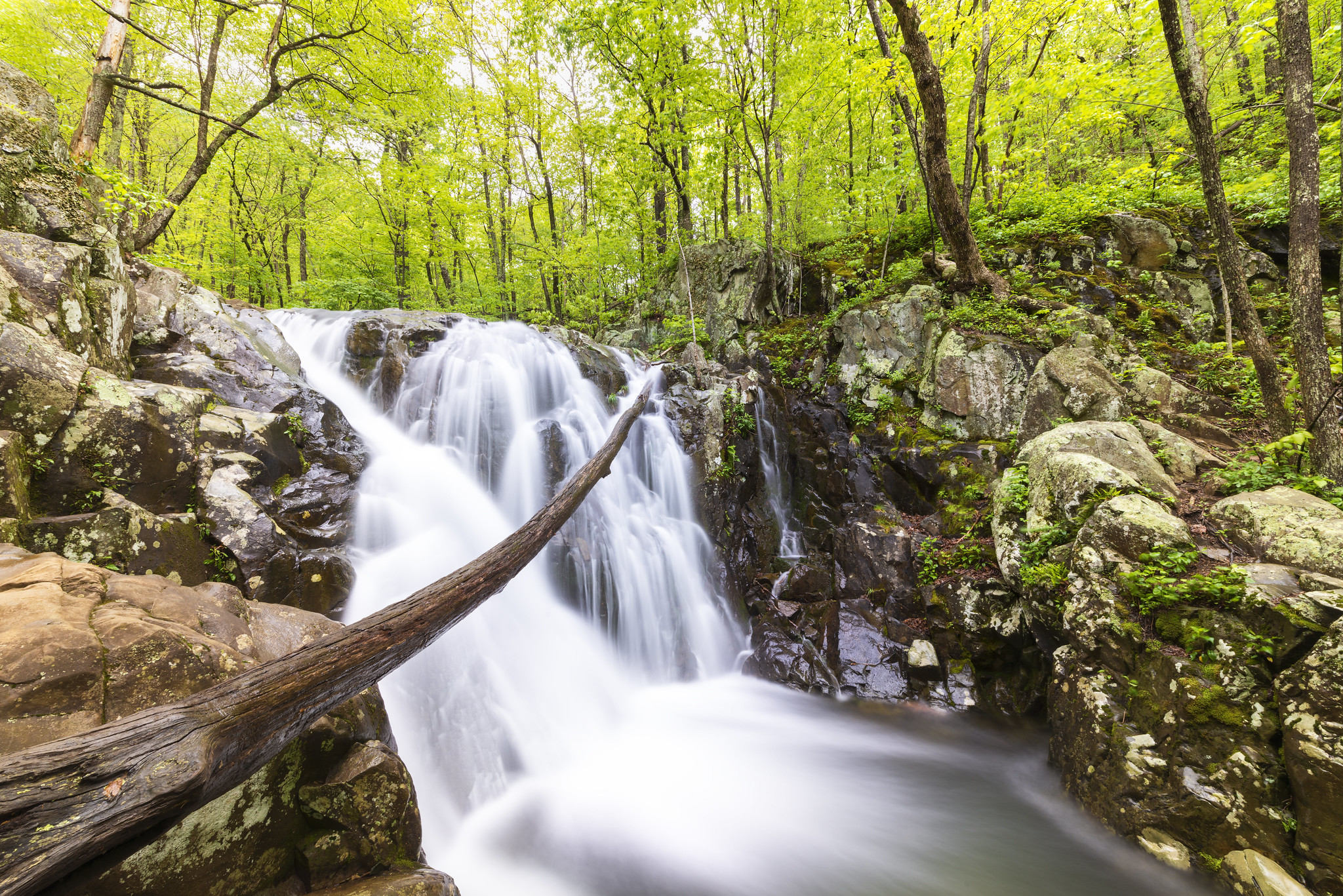
- Rose River Falls: Quieter waterfall hike.
- Limberlost Trail: Accessible for wheelchairs and strollers.
Many of these places are less crowded and perfect for peaceful walks or photos.
Credit: www.nps.gov
Practical Tips For Visiting Shenandoah
- Plan ahead: Weekends and holidays are busy. Arrive early to find parking.
- Weather changes fast: Bring layers. Fog and rain can appear quickly.
- Cell service is limited: Download maps before you arrive.
- Entrance fee: The park charges about $30 per car for a 7-day pass. Check the latest prices online.
- Food and water: Bring enough, as shops are limited inside the park.
- Leave no trace: Take all your trash with you.
Most visitors overlook the importance of starting early. Morning hours offer better light, fewer crowds, and more wildlife. Also, using the park’s shuttle buses during peak season can save time.
Comparison Of Main Attractions
This quick comparison helps you choose based on your interests.
| Attraction | Activity Type | Difficulty | Family Friendly |
|---|---|---|---|
| Skyline Drive | Scenic driving | Easy | Yes |
| Old Rag Mountain | Hiking | Hard | No |
| Dark Hollow Falls | Waterfall walk | Moderate | Yes |
| Wildlife Viewing | Nature watching | Easy | Yes |
| Camping | Overnight stay | Varies | Yes |
Credit: visitshenandoah.org
Frequently Asked Questions
What Is The Best Time To Visit Shenandoah National Park?
The best time is fall for colorful leaves, but spring offers wildflowers and fewer crowds. Summer is busy, and winter is quiet but cold.
Are Pets Allowed In Shenandoah?
Yes, dogs are allowed on most trails if kept on a leash. Some trails restrict pets, so check signs before hiking.
How Long Does It Take To Drive Skyline Drive?
Driving Skyline Drive from end to end takes about 3-4 hours without stops. With stops for views and photos, plan for 5-6 hours.
Can You Swim In The Waterfalls?
Swimming is not allowed in most waterfalls for safety reasons. The water is cold and rocks can be slippery.
Where Can I Find More Information About The Park?
Visit the official National Park Service Shenandoah page for maps, updates, and alerts.
Shenandoah National Park is perfect for a day trip or a longer stay. From scenic drives to hiking and camping, the park offers adventure, beauty, and peace. Plan ahead, explore both famous and hidden spots, and enjoy one of the best natural parks in America.
