
Are you thinking about trying hammock camping for your next outdoor adventure? It sounds relaxing and fun, but before you hang your hammock and head out, you should know there are some downsides that might surprise you.
What if your comfort suffers, or you find it harder to stay warm? What about the challenges you might face setting it up or finding the right spot? Keep reading to discover the key disadvantages of hammock camping so you can decide if it’s really the best choice for your next trip.
Limitations Of Terrain
Hammock camping feels freeing, but it has limits tied to the land. The ground below does not matter as much, but the surrounding area does. You need the right environment for a good setup. Not all places fit well with hammocks.
Need For Suitable Trees
Trees must be strong and spaced right for hanging a hammock. Thin or weak trees cannot hold your weight safely. Trees too close or too far apart make hanging difficult. Rocky or open spaces often lack trees altogether. This limits where you can camp comfortably.
Challenges In Open Areas
Open fields and deserts offer few or no trees. Setting up a hammock here is tricky or impossible. You might have to bring extra gear like stands. These add weight and bulk to your pack. Open areas also expose you to wind and sun without tree cover.
Comfort Concerns
Comfort is a big part of enjoying any camping trip. Hammock camping feels different from tent camping. Some people find it cozy. Others face challenges that affect their rest. These comfort concerns can make hammock camping less relaxing for some campers.
Limited Space
Hammocks offer less room than tents. You cannot move around much. Stretching your arms or legs is hard. This limited space can make sleeping uncomfortable. It also restricts how you store your gear nearby. Space limits can feel tight, especially for bigger campers.
Sleeping Position Issues
Sleeping flat is tricky in a hammock. The body curves with the hammock’s shape. This position can strain your back or neck. Side sleepers may feel awkward. Changing positions at night is not easy. The lack of firm support affects sleep quality. Some campers wake up stiff or sore.
Weather Vulnerabilities
Hammock camping offers a unique way to enjoy nature. Still, it has some weather weaknesses that campers must consider. Weather can change quickly outdoors. Hammocks leave campers more open to these changes than tents do.
Exposure To Wind And Rain
Hammocks hang above the ground and are more exposed to wind. Strong winds can shake the hammock, making it hard to sleep. Rain can fall directly onto the hammock if no proper cover is used. Unlike tents, hammocks need extra gear like tarps to stay dry. Without good protection, campers can get wet and cold.
Cold Weather Challenges
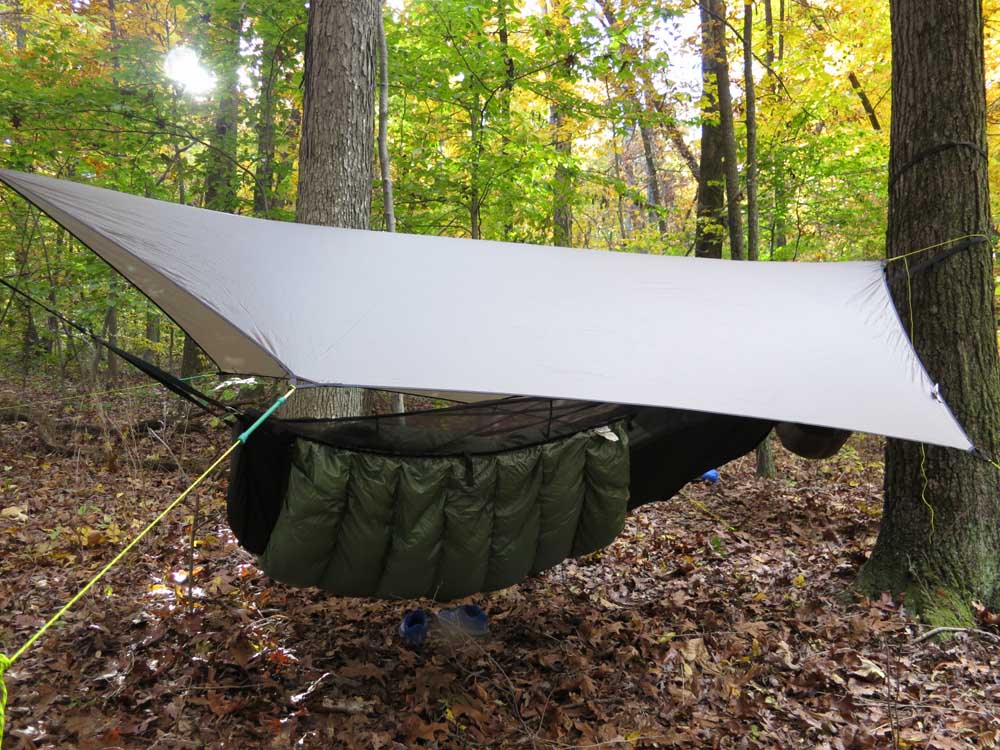
Cold air flows below the hammock, which can make you feel colder. Ground insulation does not help here because you are suspended in the air. Campers need special sleeping pads or underquilts to stay warm. Without these, cold weather camping in a hammock can be very uncomfortable. Staying warm requires more planning and gear than traditional camping.

Credit: www.adventurealan.com
Setup And Equipment
Setting up a hammock for camping is not always simple. It needs careful attention to detail. The right setup can make the difference between a good night’s sleep and discomfort.
Hammock camping requires more than just the hammock itself. Several tools and accessories are often needed. These items add weight and complexity to your gear.
Complexity Of Proper Setup
Setting up a hammock correctly takes time and skill. The hammock must be tied securely to strong trees. The straps need to be placed at the right height and distance. Too loose or too tight makes it uncomfortable or unsafe. Beginners may find this frustrating and confusing. It takes practice to get the hang of it.
Additional Gear Requirements
Hammock camping demands more gear than traditional tents. You need straps or ropes designed for trees. A rain tarp is often necessary to stay dry. An underquilt or sleeping pad helps keep you warm from below. These extra items add bulk to your pack. Carrying all this gear can be hard on long hikes.
Safety And Stability
Hammock camping offers a unique way to enjoy nature. Yet, safety and stability remain key concerns. Sleeping above the ground is different from using a tent. It requires careful setup to avoid accidents. Understanding these risks helps campers stay safe and comfortable.
Risk Of Falls
Falls happen if the hammock is not secured well. Trees must be strong and close enough for support. Poor knots or weak straps increase fall chances. Falling from a hammock can cause injuries like bruises or broken bones. Staying low to the ground reduces harm in case of a fall. Using a proper hammock and gear enhances safety.
Wildlife Encounters
Hammocks keep you off the ground, but animals still come close. Bugs, snakes, or small mammals may crawl nearby. The hammock’s open sides offer less protection than tents. Animals attracted by food can be a problem. Using insect nets and storing food away helps avoid wildlife encounters. Staying alert and clean lowers risks.
Credit: andrewskurka.com
Environmental Impact
Hammock camping feels light on the ground but has some impact on nature. It changes how we interact with trees and soil. Understanding this helps campers protect the environment better. Being aware of the effects guides us to camp responsibly and enjoy nature without harm.
Tree Damage
Hammocks rely on trees for support. Straps or ropes wrap around trunks to hold the hammock. Tight straps can hurt tree bark and cambium layer. This damage slows tree growth or causes disease. Using wide, tree-friendly straps reduces harm. Choosing strong, healthy trees prevents breaking or stress. Avoid trees with thin bark or signs of weakness. Careful setup keeps trees safe and alive.
Leave No Trace Considerations
Hammock camping fits well with Leave No Trace rules if done right. Avoid harming vegetation by picking durable trees spaced far apart. Set up campsites away from water sources to protect waterways. Pack out all trash and gear to keep areas clean. Avoid building fires directly under trees to prevent damage. Use minimal gear and avoid altering natural surroundings. Respect wildlife and keep noise low for their comfort. Practicing these habits keeps nature beautiful for everyone.

Credit: hawknesthammocks.ca
Frequently Asked Questions
What Are The Main Drawbacks Of Hammock Camping?
Hammock camping limits space for gear and movement. It can be uncomfortable without proper insulation. Setup requires suitable trees, restricting location choices. Weather exposure and lack of privacy are common issues.
Is Hammock Camping Less Comfortable Than Tent Camping?
Yes, hammock camping can be less comfortable due to limited sleeping positions. It may cause back or neck discomfort without a proper setup or padding. Temperature control is also harder compared to tents.
Can Hammock Camping Be Unsafe In Bad Weather?
Hammocks offer less protection from wind, rain, and cold. Without adequate rainflies or tarps, campers risk getting wet. Cold air circulates beneath the hammock, increasing exposure to low temperatures.
Are Hammocks Suitable For All Camping Environments?
No, hammocks require sturdy trees or anchor points, limiting their use in open or treeless areas. Rocky or desert terrains are less ideal for hammock camping.
Conclusion
Hammock camping offers a unique outdoor experience. Still, it comes with some clear drawbacks. Not everyone finds it easy to set up or use. Weather can quickly become a problem without solid protection. Sleeping comfort varies and may not suit all campers.
Space for gear is often limited in hammocks. Trees must be nearby and strong enough to hang from. Knowing these disadvantages helps you choose the best camping style. Think about your needs before deciding to try hammock camping. It’s great for some but not perfect for everyone.
