
When you think about heading outdoors, one question might pop up: what exactly is camping gear? If you’re planning a trip or just curious, understanding this can make a big difference.
Your camping gear is more than just stuff—it’s the key to comfort, safety, and fun while you’re outside. You’ll discover what camping gear really means and how choosing the right items can change your whole experience. Keep reading to find out how to make your next outdoor adventure easier and more enjoyable.
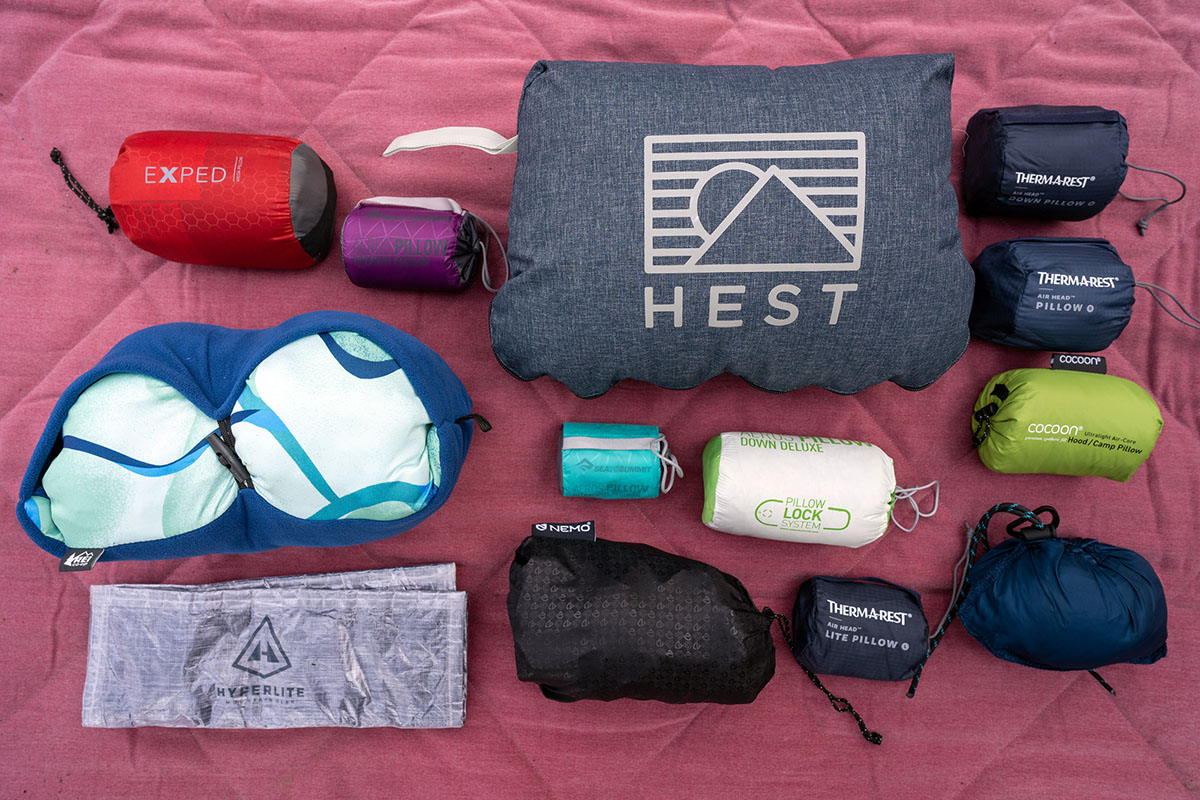
Credit: www.switchbacktravel.com
Camping Gear Basics
Camping gear means the tools and equipment used for outdoor camping. It helps make camping safe, comfortable, and fun. Knowing the basics of camping gear is important for every camper. This knowledge ensures you carry the right items and enjoy your trip.
Essential Items
Essential camping gear includes a tent, sleeping bag, and cooking tools. A tent protects you from weather and insects. Sleeping bags keep you warm during cold nights. Cooking tools help prepare food easily at the campsite. Other essentials are a flashlight, first aid kit, and water bottle. These items cover basic needs for shelter, warmth, food, and safety.
Types Of Gear
Camping gear varies by the type of trip and environment. Lightweight gear suits backpackers who carry everything on their back. Durable gear works well for car camping with less weight concern. Specialized gear exists for winter camping or fishing trips. Each type meets specific needs but shares common essentials. Choosing the right gear type improves your camping experience.
Choosing The Right Gear
Choosing the right camping gear makes your trip safe and fun. The right tools help you stay comfortable and prepared. Each camping trip needs different items. Picking gear based on your trip details is smart. This helps you carry only what you need. It saves space and weight in your backpack.
Considerations For Different Environments
Camping in the mountains needs warm clothes and sturdy boots. Forest camping requires insect repellent and waterproof gear. Beach camping calls for sun protection and light clothes. Think about weather and terrain before packing. Your gear must match these conditions. This keeps you ready for any surprise.
Seasonal Gear Variations
Summer gear is light and breathable to keep cool. Winter gear is insulated and waterproof for cold and snow. Spring and fall need layers for changing temperatures. Choose sleeping bags with the right temperature rating. Pack tents that handle rain or wind well. Changing gear by season helps you stay safe and cozy.
Materials And Durability
Camping gear must be strong and last long outdoors. The materials used affect how well gear holds up in nature. Durability means gear stays useful after many trips. Choosing the right materials helps you enjoy camping safely and comfortably.
Common Materials Used
Many camping items use nylon or polyester. These fabrics resist water and dry fast. Canvas is thicker and tough for tents and bags. Aluminum and stainless steel are popular for cookware and tools. Plastic parts are light but less strong. Each material suits different camping needs.
Longevity And Maintenance
Good gear lasts for years with care. Clean fabric items after use to avoid dirt build-up. Dry tents and clothes before storing to stop mold. Check metal parts for rust and clean if needed. Store gear in cool, dry places to keep it fresh. Proper care extends gear life and saves money.
Innovations In Camping Gear
Camping gear has evolved a lot in recent years. New designs and materials make camping easier and more fun. Innovations focus on making equipment lighter and more useful. These changes help campers carry less weight and do more with each item.
Lightweight Technology
Modern camping gear uses light but strong materials. These materials reduce the weight of tents, backpacks, and sleeping bags. Campers can walk longer distances without feeling tired. Lightweight gear also saves space in backpacks. This makes it easier to pack more items for a trip.
Multi-functional Equipment
Many camping tools now serve more than one purpose. A single item can work as a cooking pot, bowl, and plate. Some tools combine a knife, fork, and spoon in one. Multi-functional gear reduces the number of items to carry. This helps campers stay organized and travel light.
Packing And Organizing Gear
Packing and organizing camping gear is key for a smooth trip. It saves space and keeps items easy to find. Proper organization helps avoid forgotten essentials and reduces stress at the campsite.
Good packing also protects your gear from damage. It allows quick access to important items. Planning how to pack prevents overloading your backpack or car.
Efficient Packing Tips
Start by grouping similar items together. Use small bags or containers for each group. Roll clothes instead of folding to save space. Place heavy items at the bottom of your pack. Keep frequently used gear on top or outside. Use compression sacks to reduce bulk. Label bags for easy identification. Pack gear in layers to balance weight.
Essential Accessories
Include waterproof bags to protect your gear from rain. Carry a sturdy backpack with multiple compartments. Bring packing cubes to separate clothes and tools. Use carabiners to clip items outside your pack. Pack a small repair kit for quick fixes. Always have a headlamp or flashlight accessible. Include dry sacks for electronics and food. A good map or GPS device is essential for navigation.

Credit: en.wikipedia.org

Credit: www.goingthewholehogg.com
Frequently Asked Questions
What Does Camping Gear Include?
Camping gear includes essential items like tents, sleeping bags, cooking tools, and backpacks. These help ensure safety, comfort, and convenience during outdoor stays.
Why Is Camping Gear Important?
Camping gear provides protection from weather, insects, and rough terrain. It enhances comfort and safety, making outdoor experiences enjoyable and hassle-free.
How To Choose The Right Camping Gear?
Choose camping gear based on trip length, weather, and group size. Prioritize lightweight, durable, and multi-functional items for convenience and efficiency.
What Materials Are Used In Camping Gear?
Camping gear uses materials like nylon, polyester, aluminum, and waterproof fabrics. These offer durability, weather resistance, and lightweight portability for outdoor use.
Conclusion
Camping gear means the tools and items used for outdoor trips. It helps you stay safe, comfortable, and prepared. Choosing the right gear makes your adventure fun and easy. Each piece serves a purpose, from shelter to cooking and warmth.
Knowing what camping gear means helps you plan better. It brings confidence to enjoy nature without stress. Simple, useful gear creates great memories outside. Gear is not just stuff; it’s part of the experience. Prepare well, and your trip will feel smooth and safe.
Camping gear truly supports every step of your journey.
