
Imagine waking up in the middle of the night and hearing strange noises just outside your tent. What if a bear comes to your tent?
The thought alone can send chills down your spine. But knowing what to do in that moment can make all the difference between staying safe and facing danger. You’ll discover simple, effective steps to protect yourself and your gear if a bear shows up at your campsite.
Keep reading—your safety might depend on it.
Bear Behavior Near Campsites
Bears near campsites act mostly out of curiosity or hunger. They explore new smells and sounds. Their behavior changes based on food availability and human activity. Understanding this helps campers stay safe and avoid surprises.
Why Bears Approach Tents
Bears come close to tents mainly to find food. They have a strong sense of smell, much better than humans. Even sealed food containers can attract them if scents escape. Sometimes, bears investigate tents out of curiosity. Loud noises or movements may also draw their attention. They want to check if something edible is nearby.
Signs Of Bear Presence
Look for tracks near your campsite. Bear footprints are large with five toes and claw marks. Scat, or bear droppings, often contains seeds or berries. Torn leaves or broken branches show where bears passed. Ripped trash bags or opened coolers are clear signs. Hearing heavy footsteps or grunts at night means a bear is close.

Credit: www.picnictime.com
Preventing Bear Encounters
Preventing bear encounters is key to staying safe in the wild. Bears usually avoid humans if they don’t find food or smells that attract them. Taking simple steps can keep bears away from your tent. Safety starts with how you store your food and set up your camp. These actions reduce the chance of a bear visit.
Safe Food Storage
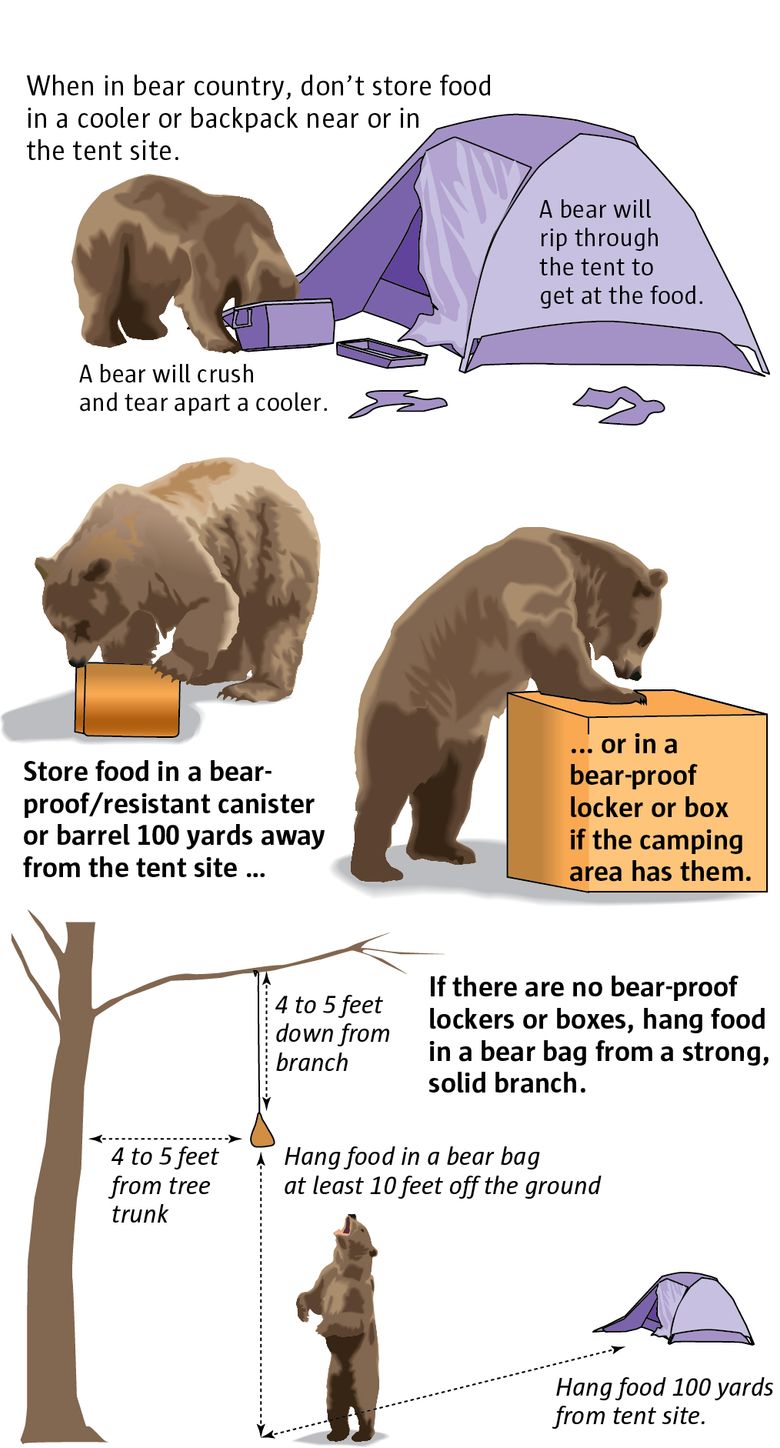
Store all food in bear-proof containers or bear lockers. Keep food away from your tent, at least 100 yards if possible. Use airtight bags to reduce strong smells. Never keep food inside your tent. Dispose of trash in bear-proof bins or pack it out. Clean cooking gear after use to remove food smells. These steps stop bears from smelling food near your sleeping area.
Camp Setup Tips
Choose a campsite away from animal trails and berry patches. Set your tent in a clear, open area. Avoid cooking or eating near your tent. Keep your campsite clean at all times. Hang backpacks and clothes with food smells at least 10 feet off the ground. Use a rope between two trees to hang items. Avoid strong perfumes or scented lotions. These tips make your camp less attractive to bears.
Immediate Actions During An Encounter
Encountering a bear near your tent can be scary. Acting quickly and smartly can keep you safe. Knowing what to do right away helps avoid panic and keeps the situation calm.
Focus on clear, simple actions. These steps can reduce risk and help the bear leave. Stay alert and follow these tips carefully.
Staying Calm And Quiet
Keep your voice low or stay silent. Loud noises might scare the bear or make it curious. Take deep breaths to control fear. Calm energy shows you are not a threat. Avoid yelling or sudden loud sounds. Quietness helps the bear stay calm too.
Avoiding Sudden Movements
Move slowly and carefully if you must move. Sudden moves can startle the bear. Do not run or turn your back. Keep your eyes on the bear without staring hard. Slowly back away if the bear is far. Stay smooth and steady to avoid triggering an attack.
Credit: www.seattletimes.com
Using Bear Deterrents
Using bear deterrents is key to staying safe in bear country. These tools help keep bears away from your tent. They give you time to react without danger. It is smart to carry more than one type of deterrent. Each works in different ways to protect you and your campsite.
Bear Spray Usage
Bear spray is a powerful tool to stop a bear. It sprays a strong cloud of pepper spray toward the bear’s face. This causes pain and confusion. Always carry bear spray where you can reach it fast. Practice how to use it before your trip. Spray from 15 to 30 feet away for best effect. Never spray upwind or too close. Bear spray is a safe way to avoid harm without hurting the animal.
Noise Makers And Lights
Noises can scare bears away from your tent. Use air horns, bells, or whistles to make loud sounds. Bears dislike sudden, loud noises. Flashlights and headlamps also help. Bright lights can surprise bears and make them move away. Keep noise makers and lights ready for quick use. Use them to alert bears before they get too close. These tools work well at night or when visibility is low.
If A Bear Attacks
Bears near your tent can be very scary. Knowing what to do during an attack can save your life. Different types of bear attacks need different responses. Understanding these can help you stay calm and act right.
Defensive Vs. Predatory Attacks
Defensive attacks happen when a bear feels threatened or surprised. The bear wants to protect itself, its cubs, or food. These attacks are fast and loud. The bear may bluff by growling or charging.
Predatory attacks are rare but dangerous. The bear sees you as prey. It approaches quietly and stalks you. It wants to hunt, not just scare. Knowing which attack is happening helps you react correctly.
Self-defense Techniques
In a defensive attack, play dead. Lie flat on your stomach. Cover your neck with your hands. Stay still until the bear leaves. This shows you are not a threat.
During a predatory attack, fight back hard. Use any object you have as a weapon. Aim for the bear’s face and eyes. Make loud noises to scare it. Do not run or turn your back.
Always carry bear spray in bear country. Spray it when the bear is close. It can stop the attack quickly. Practice using the spray before your trip.
Post-encounter Safety
Encountering a bear near your tent can be scary. Staying safe after the event is very important. Knowing what to do next keeps you and others safe. It also helps officials handle the situation properly.
Reporting To Authorities
Tell park rangers or local wildlife officials about the bear. Give details like time, place, and what the bear did. This helps them track bear activity and prevent danger. Reporting also helps in case the bear shows aggression again. Authorities can warn other campers and take action if needed.
Preventing Future Incidents
Store food in bear-proof containers or hang it high away from the tent. Clean up all trash and avoid leaving food scraps around. Keep your campsite tidy to stop bears from coming back. Use bear spray and know how to use it properly. Stay alert and follow park rules to reduce risks. These steps protect you and the animals.

Credit: www.nps.gov
Frequently Asked Questions
What Should You Do If A Bear Approaches Your Tent?
Stay calm and avoid sudden movements. Make yourself look bigger by raising your arms. Speak firmly and back away slowly without turning your back. Do not run or scream, as this may provoke the bear. Carry bear spray and know how to use it.
How Can You Prevent Bears From Coming To Your Tent?
Store food in bear-proof containers away from your tent. Avoid cooking or eating near your sleeping area. Keep your campsite clean and free of food scraps. Use bear bells or noise makers to alert bears of your presence.
Is It Safe To Stay Inside Your Tent During A Bear Encounter?
It depends on the bear’s behavior. If the bear is calm and curious, stay inside quietly. If it becomes aggressive or tries to enter, leave the tent slowly if possible. Always keep bear spray handy inside your tent for protection.
When Should You Use Bear Spray On A Bear Near Your Tent?
Use bear spray only if the bear is charging or too close. Aim for the bear’s face from 15 to 30 feet away. Spray in short bursts to create a cloud that deters the bear. Never spray unless the bear poses an immediate threat.
Conclusion
A bear near your tent can feel very scary. Stay calm and do not run. Make yourself look big and speak softly. Keep your food away from your sleeping area. Bears usually want to avoid people. Knowing how to act can keep you safe.
Always respect nature and watch your surroundings. Camping is fun when you stay prepared. Stay alert, stay safe, and enjoy your trip.
