
Thinking about tent camping in Glacier National Park? You might be wondering if it’s really safe to pitch your tent in such a wild and beautiful place.
You want to enjoy the fresh air, stunning views, and peaceful nights, but safety is probably your top concern. What should you know before setting up camp? This guide will help you understand the risks and how to stay safe, so you can relax and make the most of your adventure.
Keep reading to discover everything you need to know about tent camping in Glacier National Park.
Safety Considerations
Tent camping in Glacier National Park offers a true wilderness experience. Safety is key to enjoying your trip. The park’s nature is beautiful but demands respect and care. Knowing the safety points helps you stay prepared and avoid problems.
Wildlife Encounters
Glacier National Park is home to many wild animals. Bears, mountain lions, and moose live here. Always store food in bear-proof containers. Keep a safe distance from all animals. Do not approach or feed wildlife. Make noise while hiking to avoid surprising animals. Carry bear spray and know how to use it. Stay calm if you meet a wild animal. Slowly back away and do not run.
Weather Conditions
The park’s weather changes fast. Days can be warm and nights cold. Snow can fall even in summer at high places. Rain and storms happen without warning. Check weather forecasts before your trip. Bring warm clothes and rain gear. Keep a dry shelter for sudden weather changes. Avoid camping near rivers during heavy rain. Flash floods can happen quickly.
Terrain Challenges
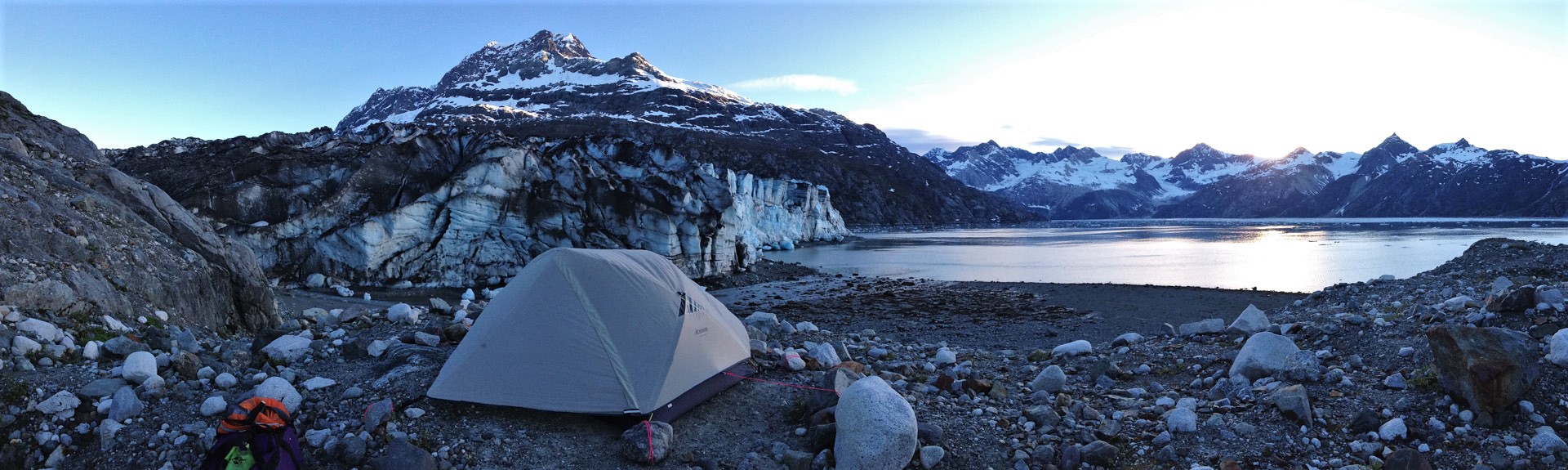
The land in Glacier National Park is rugged. Trails can be steep and rocky. Some areas have loose soil and slippery rocks. Choose campsites on flat, stable ground. Use good hiking boots with grip. Watch your step near cliffs and streams. Carry a map and compass or GPS device. Let someone know your plan and expected return time. Stay on marked trails to avoid getting lost.
Credit: www.nps.gov
Camping Regulations
Camping in Glacier National Park requires following specific rules. These rules keep the park safe and natural. They protect wildlife and ensure a good experience for all visitors. Understanding camping regulations helps you prepare and enjoy your trip without trouble.
Respecting these rules also helps preserve the park for future campers. Knowing what is allowed and what is not makes your stay safer and more fun.
Permits And Reservations
Camping in Glacier often needs a permit. You must get this before your trip. Some sites require reservations months ahead. This controls the number of campers and protects the environment. Walk-in camping is limited and not always available. Check the park website early to plan your stay.
Designated Campsites
Camp only in designated areas. These spots have been chosen to reduce harm to nature. Setting up tents outside these sites is not allowed. Designated sites have bear-proof food lockers and toilets. These help keep you and wildlife safe. Always use these facilities to keep the park clean.
Fire Restrictions
Fires can be dangerous in dry seasons. The park sets strict rules on campfires. Only use fire rings where allowed. Sometimes, all fires are banned to prevent wildfires. Bring a camp stove as an alternative. Check current fire rules before you go. Following fire restrictions keeps the forest and campers safe.
Essential Gear
Tent camping in Glacier National Park needs careful preparation. The right gear keeps you safe and comfortable. You face wildlife, changing weather, and rugged terrain. Packing essential items makes your trip smooth and worry-free.
Bear-resistant Containers
Bears live in Glacier National Park. They are curious and strong. Food smells attract them. Use bear-resistant containers to store all food and scented items. These containers prevent bears from reaching your supplies. Keep containers away from your tent. Store them in designated areas or hang them on strong branches. This gear reduces the risk of bear encounters.
Proper Tent Selection
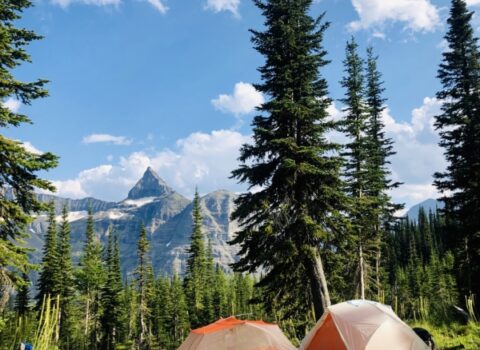
Choose a sturdy tent for mountain weather. Pick one with a strong frame and waterproof fabric. Look for tents with a rain fly and good ventilation. A tent with a full rain fly protects against rain and wind. Ventilation stops moisture inside. Your tent should be easy to set up on rocky or uneven ground. This keeps you dry and safe all night.
Clothing And Supplies
Pack layers for cold nights and warm days. Include moisture-wicking shirts, warm jackets, and rain gear. Good hiking boots protect your feet on rough trails. Carry a hat and gloves for cold mornings. Bring a flashlight, first-aid kit, and extra batteries. These items prepare you for weather changes and small emergencies. Proper clothing and supplies help you enjoy your adventure safely.
Credit: glacierguides.com
Emergency Preparedness
Camping in Glacier National Park offers stunning views and peaceful nights. Safety is key to enjoy your trip fully. Being ready for emergencies helps protect you and your group. You can face sudden weather changes or animal encounters. Preparing ahead lowers risks and keeps stress low.
First Aid Tips
Carry a basic first aid kit with bandages, antiseptic, and pain relievers. Learn how to treat cuts, blisters, and insect bites. Keep medicines for allergies and stomach issues handy. Clean wounds immediately to prevent infection. Rest and hydrate if feeling weak or dizzy.
Communication Options
Cell phone signals may be weak or absent in many areas. Bring a satellite phone or a personal locator beacon for emergencies. Tell someone your plans and expected return time. Use two-way radios if camping in a group. Check in at ranger stations before and after your trip.
Evacuation Procedures
Know the nearest ranger station and emergency shelters. Follow park signs and instructions during emergencies. Stay calm and move carefully if you must leave quickly. Carry a map and compass to avoid getting lost. Share your evacuation plan with all group members before camping.
Best Practices For Tent Camping
Tent camping in Glacier National Park offers a unique way to enjoy nature. Following best practices helps keep you safe and protects the environment. Proper preparation and respect for the park make your trip more enjoyable and secure.
Setting Up Camp Safely
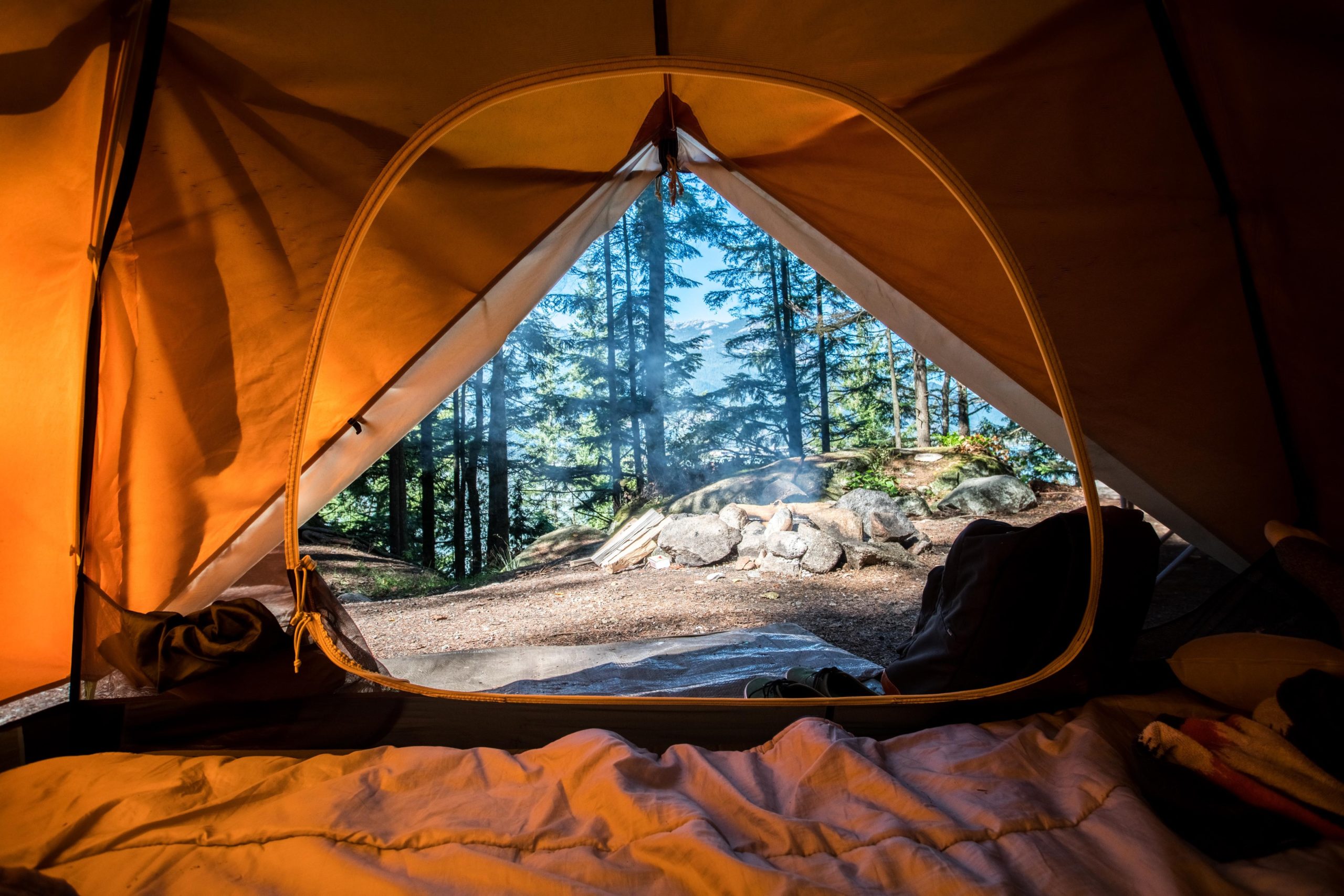
Choose a flat, dry spot away from animal trails. Avoid areas prone to flooding or strong winds. Keep your tent zipped to prevent bugs and wildlife from entering. Use stakes and guylines to secure your tent firmly. Set up your camp before dark to avoid accidents.
Food Storage Techniques
Store food in bear-proof containers or lockers provided by the park. Hang food bags at least 10 feet off the ground and 4 feet from tree trunks. Never keep food inside your tent. Dispose of food scraps in designated bins. These steps help prevent wildlife encounters and keep animals safe.
Leave No Trace Principles
Pack out all trash, leftover food, and litter. Use existing fire rings if campfires are allowed. Avoid damaging plants and trees around your site. Stay on established trails to reduce erosion. Respect wildlife by observing from a distance. These habits keep Glacier National Park beautiful for others.
Credit: www.glacierhighline.com
Frequently Asked Questions
Is Tent Camping Allowed In Glacier National Park?
Yes, tent camping is allowed in designated campgrounds and backcountry sites in Glacier National Park. Permits may be required for backcountry camping. Always follow park regulations to protect the environment and wildlife.
What Are The Safety Concerns For Tent Camping There?
Wildlife encounters, especially with bears, are the main safety concern. Store food properly and use bear-proof containers. Also, be prepared for sudden weather changes and stay informed about trail and campground conditions.
How To Stay Safe From Wildlife While Camping?
Keep a clean campsite and never leave food unattended. Use bear canisters and hang food away from tents. Make noise while hiking to avoid surprising animals and follow all park safety guidelines.
Are There Facilities Near Tent Campsites In Glacier?
Most developed campgrounds have restrooms, potable water, and picnic tables. Backcountry sites offer minimal facilities, so campers should carry water and pack out all waste. Check specific campground amenities before your trip.
Conclusion
Camping in Glacier National Park can be safe with the right steps. Always follow park rules and carry bear spray. Choose established campsites and store food properly. Stay aware of weather changes and wildlife. Respect nature to protect yourself and the environment.
Enjoy the beauty but stay cautious and prepared. Safe camping leads to great memories in this wild place.
