
If you live in Florida, you know termites can cause serious damage to your home. But how often should you tent for termites to keep your property safe?
Waiting too long could cost you thousands in repairs, while treating too often might waste your money. You’ll discover the ideal timing for termite tenting that protects your home without breaking the bank. Keep reading to learn how to stay one step ahead of these destructive pests and secure your peace of mind.

Credit: bugs.com
Termite Risks In Florida
Florida has one of the highest termite risks in the United States. Its warm and humid climate creates perfect conditions for termites. These pests can cause serious damage to homes and buildings. Many homeowners face costly repairs each year because of termite infestations.
Understanding termite risks helps protect your property. Knowing how often to tent for termites is key. Regular inspections and treatments reduce damage and save money.
Climate Impact On Termites
Florida’s climate is warm and moist almost all year. Termites thrive in these conditions. They stay active throughout the year. Rainfall increases moisture in soil and wood, helping termites survive. Mild winters do not stop termite activity. This means termites can infest homes anytime.
High humidity makes wood soft and easy to eat. Termites build tunnels and nests underground. They find shelter and food in damp wood. The climate creates a constant threat to buildings and wooden structures.
Common Termite Species
Florida has several termite species. Subterranean termites are the most common and destructive. They live underground and enter homes through cracks. Drywood termites live inside dry wood. They do not need soil contact. Formosan termites are aggressive and cause rapid damage. They build large colonies and eat wood fast. Identifying the termite type helps choose the right treatment.
Each species behaves differently and causes unique problems. Knowing the termite species helps in planning termite tenting schedules. Effective pest control targets the specific termite species present.
Signs You Need Tent Treatment
Termites cause serious damage to homes in Florida. Tent treatment is a strong way to stop them. Knowing when to tent your home is key. Watch for clear signs of termite problems. Acting fast can save your property and money.
Visible Infestations
Seeing termites is a big warning. Look for small, white insects around wood. Mud tubes on walls or foundations also show termites. Swarmers, flying termites, appear near windows or lights. These visible signs mean termites are active inside.
Structural Damage Indicators
Soft or hollow wood means termites have eaten inside. Check doors and windows that stick or don’t close well. Cracked paint or bubbling wood shows termite damage. Weak floors or sagging ceilings may hide termite harm. These signs suggest deep termite problems needing tent treatment.
Preventive Inspection Tips
Inspect your home regularly for termite signs. Look at wood areas near soil or water sources. Check crawl spaces, basements, and attics carefully. Use a screwdriver to test wood softness. Early checks help catch termites before serious damage starts.
Frequency Of Tent Treatments
Termite tenting is a powerful way to protect homes in Florida. Knowing how often to tent helps keep termites away. The frequency depends on many things. Regular checks and timely treatments stop damage early. This section explains how often tent treatments usually happen and what affects timing.
Standard Treatment Intervals
Most homes in Florida need termite tenting every five to seven years. This schedule fits most termite species and climates in the area. Some homes might need treatment sooner. Others can wait longer with good prevention. Regular inspections help decide the right time. Tenting kills termites inside walls and wood. It stops colonies from growing under your home.
Factors Influencing Treatment Timing
Several factors change how often you should tent. The age of your home matters. Older homes often have more termite risk. Location is important too. Wet and wooded areas see more termites. The type of wood and building style can affect risk. Previous termite problems mean faster treatment cycles. Weather changes and heavy rains can increase termite activity. Homeowners should watch for signs like mud tubes and damaged wood. Inspections by experts give the best advice for timing tent treatments.

Credit: www.bbrief.co.za
Alternative Termite Control Methods
Tent fumigation is common for termite control in Florida. Yet, other options exist. These alternatives help protect your home without the need for full tenting. They can be less disruptive and offer ongoing protection. Understanding these methods helps choose the best termite defense for your needs.
Bait Systems
Bait systems use small stations placed around the home. Termites find the bait and carry it back to the colony. This method slowly kills the entire colony over time. Bait systems require regular monitoring to check termite activity. They are less invasive and safer for families and pets.
Liquid Treatments
Liquid treatments create a chemical barrier in the soil. This barrier stops termites from entering the building. Professionals apply these treatments around the foundation and other entry points. The treatment can last several years with proper application. It provides immediate and long-term protection against termites.
Physical Barriers
Physical barriers block termite access during construction. Materials like metal mesh or sand layers stop termites from passing. These barriers work without chemicals and last for many years. They are best used in new homes or major renovations. Physical barriers add an extra layer of defense against termite invasion.
Costs And Preparation For Tent Treatments
Tent treatments for termites require clear understanding of costs and preparation. Knowing typical pricing helps homeowners plan their budgets. Proper preparation ensures the treatment is safe and effective.
Typical Pricing
The cost of tenting a home for termites in Florida usually ranges from $1,000 to $3,500. Prices depend on the size of the house and the severity of infestation. Additional fees may apply for repairs or extra treatments. Getting multiple quotes can help find a fair price. Most companies include the full fumigation process in their price.
Homeowner Preparation Steps
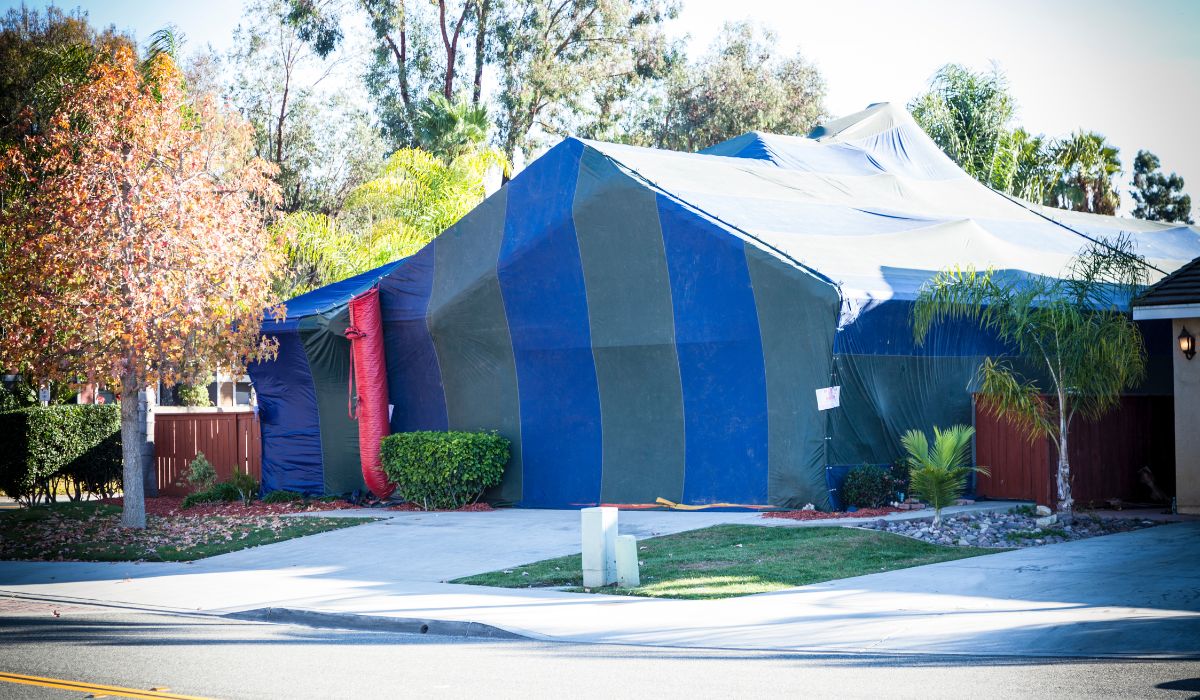
Preparing your home before tenting is very important. Remove all plants, pets, and food items from the house. Seal or remove medicines, cosmetics, and cleaning supplies. Move furniture away from walls to allow better gas flow. Open cabinets and closets to expose all areas. Ensure everyone, including pets, stays out for at least 24 to 72 hours. Follow the pest control company’s instructions carefully to avoid problems.
Credit: www.nativepestmanagement.com
Post-treatment Care And Monitoring
Post-treatment care and monitoring are vital after termite tenting in Florida. The treatment kills termites inside your home. Still, some termites might survive or return later. Proper care keeps your home safe. Regular checks help catch any new termite activity early. Follow the guidelines to protect your investment and avoid costly repairs.
Safety Guidelines
After tenting, stay out of your home for at least 24 hours. The chemicals used can harm people and pets. Ventilate your house well before re-entering. Open windows and doors to let fresh air inside. Avoid touching treated surfaces for several days. Keep pets and children away until the area is safe. Follow the pest control company’s instructions carefully. Safety first to prevent health issues and accidents.
Follow-up Inspections
Schedule inspections every 6 to 12 months after treatment. Termites can return or hide in new areas. A professional can spot early signs you might miss. Regular inspections help catch infestations early. Early treatment is cheaper and less stressful. Keep a record of all inspections and treatments. Stay proactive to protect your home long-term. Consistent monitoring is the key to termite control.
Frequently Asked Questions
How Often Should You Tent For Termites In Florida?
In Florida, tenting for termites is recommended every 3 to 5 years. This frequency depends on termite activity and home inspections. Regular tenting helps prevent structural damage and maintains property value. Always consult a licensed pest control professional for personalized advice.
Can Termite Tenting Frequency Vary By Home Location?
Yes, termite tenting frequency can vary by location in Florida. Coastal and humid areas often require more frequent treatments. Local climate and soil conditions influence termite activity. A professional inspection will determine the best schedule for your home.
What Factors Affect Termite Tenting Intervals In Florida?
Factors include home age, construction type, and termite history. Environmental conditions like humidity and nearby wood sources also matter. Regular inspections help adjust tenting intervals effectively. These factors ensure optimal termite protection tailored to your property.
Is Yearly Termite Tenting Necessary In Florida?
Yearly termite tenting is generally unnecessary for most Florida homes. Usually, treatments every 3 to 5 years suffice with proper maintenance. Over-treating can increase costs without added benefits. Follow professional recommendations based on inspection results.
Conclusion
Termite tenting in Florida helps protect your home from damage. Experts usually suggest tenting every 3 to 5 years. This depends on your home’s location and termite risk. Regular inspections can catch problems early and save money. Acting quickly keeps your house safe and strong.
Remember, termite control is key for Florida homeowners. Stay alert and keep your home termite-free.
